



‘Parang Hinagis Na Kami’: Turkey-Based Filipina Recalls Harrowing Experience During Quake
“Hindi na kami nakatayo, sigaw na kami nang sigaw, saka nagmamadali ako buksan ‘yung pinto kasi para makalabas kami ng mga anak ko,” Ana Liza Cengiz recounted.
“Hindi na kami nakatayo, sigaw na kami nang sigaw.”
These were the words of Ana Liza Cengiz as she recalled their harrowing experience brought about by the 7.8 magnitude earthquake that rocked Turkey and Syria on Monday, Feb. 6.
Cengiz, who is based in Antakya – the capital of Hatay province in Turkey – said she was at home and trying to sleep when the lights went off before they felt like they were thrown around as the quake struck at around 4 a.m. She recounted that they could no longer stand up and just kept on screaming as she rushed to open the door so she and her children could get out.
“Pagkapatay ng ilaw, parang hinagis na kami lahat. Na-feel ko na lang sabi ko…‘lumindol.’ Hindi na kami nakatayo, sigaw na kami nang sigaw, saka nagmamadali ako buksan ‘yung pinto kasi para makalabas kami ng mga anak ko,” she told One PH’s “One Balita Pilipinas” on Thursday, Feb. 9.
According to Cengiz, the earthquake was so strong that they struggled to run or even walk as they felt like they would fall anytime. “‘Yung lakas ng lindol, hindi ka makatakbo, hindi ka makalakad kasi parang matutumba ka,” she said.
Their house was also rendered unlivable as the tremors caused cracks in the already old property.
Unsurprising, as the earthquake was the worst for Turkey since a 7.6 magnitude tremor in 1999, and the deadliest worldwide since 2011’s 9.0 magnitude earthquake and succeeding tsunami in Japan’s Tohoku region.
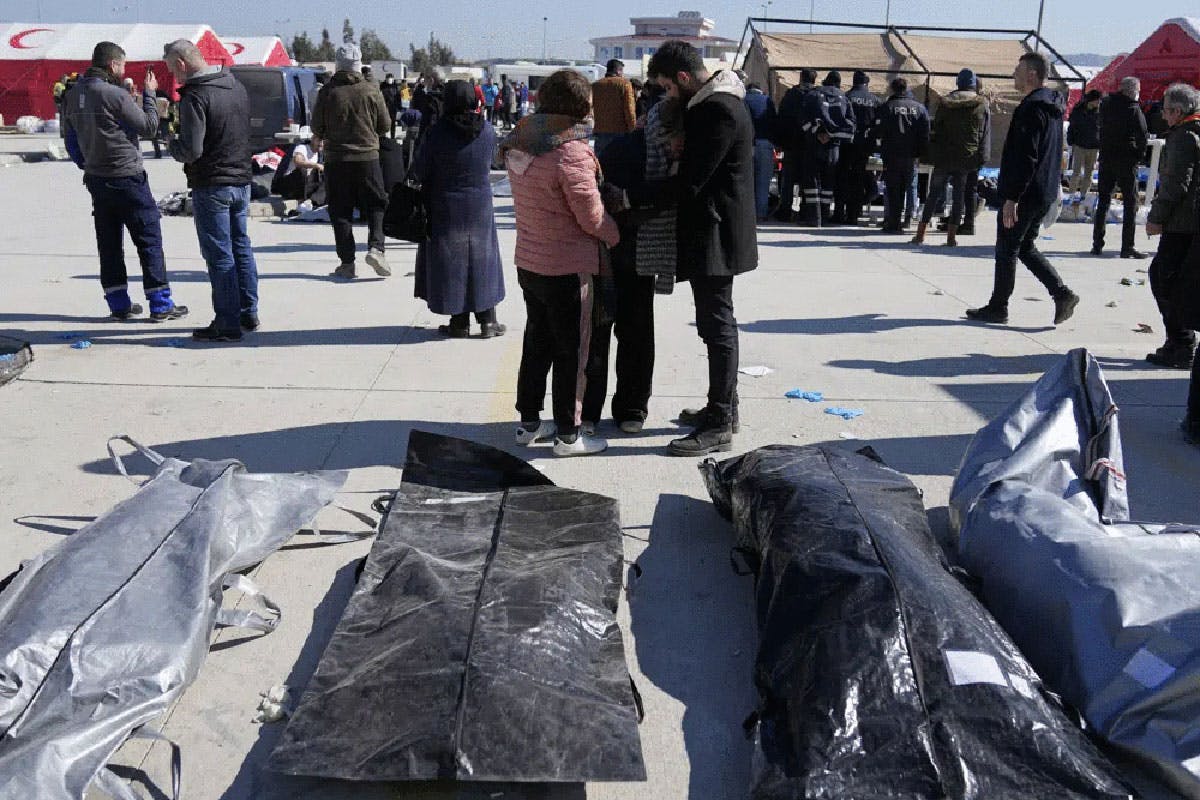
Based on a Reuters’ report, cold, hunger and despair gripped hundreds of thousands of people left homeless after the quakes that hit Turkey and Syria three days ago. The death toll passed 20,000 on Thursday.
Cengiz said aftershocks took place often and would stop for only about “five minutes” following the quake, forcing them to evacuate out of fear for their safety.
“Pag-umpisa ng lindol nung umaga alas kwatro, hanggang gabi na [aftershocks]. Hanggang ngayon, hindi pa rin [tumitigil]. Palakas nang palakas na parang five minutes lang humihinto, babalik din naman agad. Hihinto, babalik din naman agad. Ilang araw na ngayon, lumilindol pa rin, (Ever since the earthquake occurred at 4 a.m. aftershocks went on until nighttime. Until now, they haven’t stopped. It gets stronger and occurs every five minutes. It’s been a few days and there are still tremors),” she said.
Her two sons, aged 16 and 10 years old, were traumatized by the incident, according to Cengiz.
“‘Yung [mga] anak ko, parang natatakot na. Hindi makatulog…Nararamdaman din nila eh. Parang nawasak na rin ‘yung mind nila sa tragedy ng lindol sa Turkey (My children are scared. They can’t sleep… They felt the earthquake, and they are devastated by the tragedy caused by it),” Cengiz lamented.
Cengiz said they have been in touch with the Philippine embassy based in the Turkish capital of Ankara. They have not received any help, she disclosed, but they were told that they would be evacuated to a shelter so they could all be together along with their children.
Currently, Cengiz and her children are staying in the house of her husband’s aunt to protect themselves from winter. She expressed hope that one way or another, the Ankara shelters would be “comfortable” so that they can be able to relax somehow.
The Philippine embassy said in a Facebook post on Feb. 9 that its personnel have already met and distributed relief goods such as food and blankets to Filipinos in the cities of Adana and Iskenderun in Hatay province.
“The Embassy will continue to extend its utmost efforts to reach the 248 Filipinos in the affected regions as listed in embassy consular records. We recognized that this is a meticulous process that may require more than a few days,” it said.


