



NHCP Launches Online Archive For Philippine History Materials
According to the NHCP, the National Memory Project is in response to the clamor of historians, history departments and historical societies “for a more democratized Philippine history.”
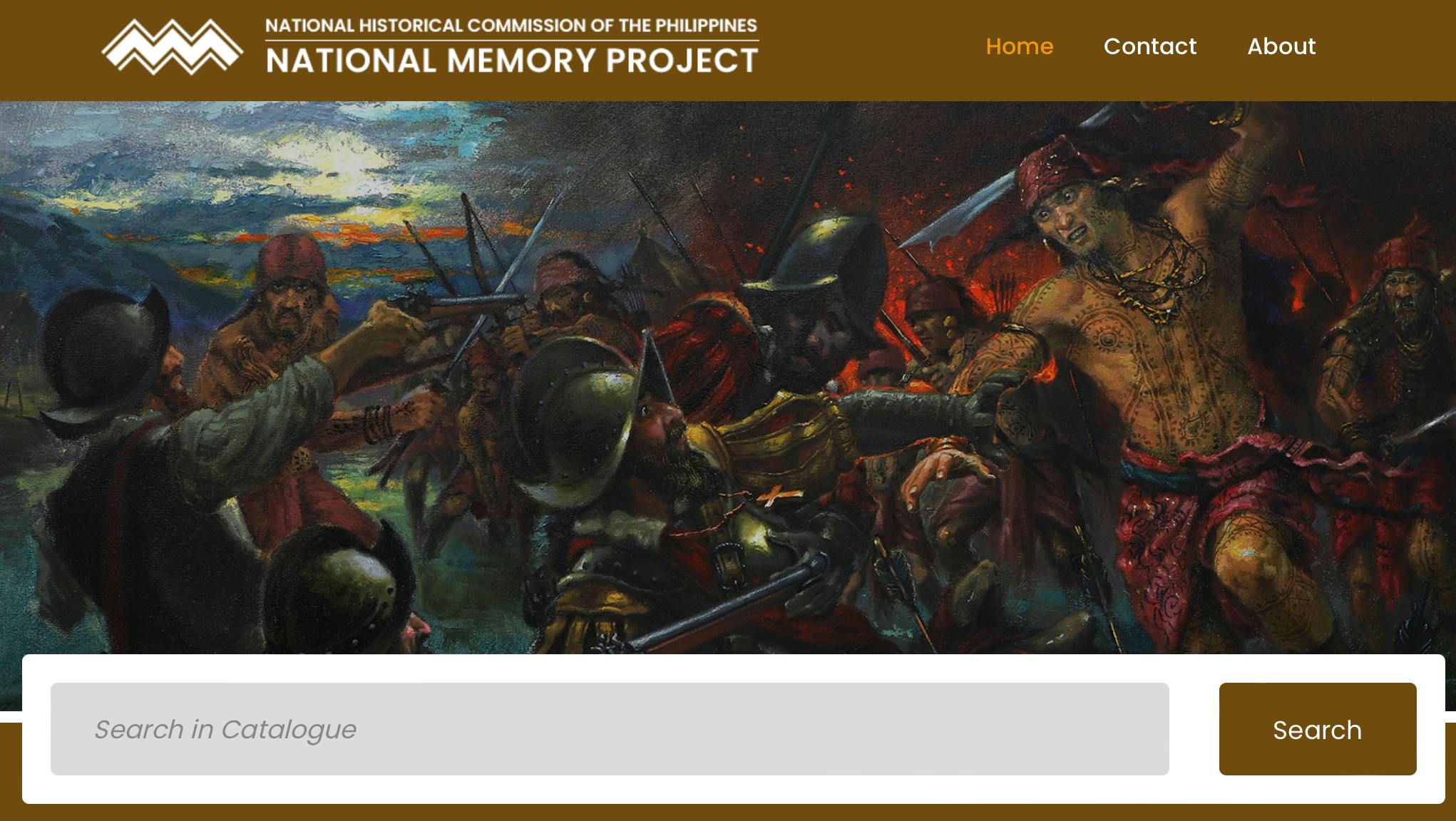
In celebration of History Month this August, the National Historical Commission of the Philippines (NHCP) has launched an online archive containing thousands of materials about the country’s history.
Called the National Memory Project, the archive launched on Tuesday, Aug. 1, contains “rare books, photos, documents, plans and ephemera” from NHCP’s libraries, archives and museums.
Other institutions like the National Library of the Philippines also shared their “unique collections” to the archive, the NHCP said.
“Alongside the concern for informed judgment, the NHCP believes that it is high time to intensify the campaign to democratize the historical resources of the country,” read the project brief.
“It can empower Filipino society to obtain first-hand, authoritative historical materials. It can help capture the interest of the public in the richness of their shared, inherited past, as most of them may not have seen such materials before,” it added.
The NHCP said the archive “envisions a democratized Philippine history for all.” Among its missions is to simplify historical research, increase public access to primary sources from contributors and empower them to be “more critical of their shared past.”
The NHCP also noted how the internet plays an important role in the free exchange of information about rare Philippine materials, including those from open access online collections.
“Materials from these sites are rarely seen, espousing great interest among Filipinos. Thus, exposing the public to this historical wealth contributes to the flooding of sensible social media features and the enhancement of historical research, discourse, and education. Democratization of history is a deliberate campaign to bring knowledge closer to everyone,” it added.
According to the NHCP, the National Memory Project is in response to the clamor of historians, history departments and historical societies “for a more democratized Philippine history.”
“The initial website of the project was launched by the NHCP in August 2020 funded by the now-defunct National Quincentennial Committee... More materials are to be uploaded and made available in various levels of access in the coming days,” it added.
The website currently contains sections on local history, Mindanao, women, Jose Rizal, Philippine revolution and Philippine history. There is also a section containing different materials published by the NHCP.
According to the commission, the catalogue uploaded on the archive are classified into four accessibility levels.
Those classified as Level 1 are public domain materials that can be downloaded for free in high resolution. Also falling under this level are NHCP journals, government publications like speeches and souvenir programs and other authorized contributed rare materials.
Level 2 materials are “view only” special collections that are fully accessible online but are not downloadable.
Meanwhile, Level 3 materials include copyrighted NHCP publications that are available for sale. “Snippet views” are available for users “to have an idea that a particular material exists in the collection.”
Some digitized materials fall under Level 4 or restricted access, including architectural plans, survey files or copyrighted non-NHCP publications.
The commission said only authorized persons can access the said materials, citing restrictions such as provisions of the Intellectual Property Code.


