



MPD Gets 50 Students After ‘Viral’ Mobile Library
The Manila Police District decided to put up a classroom following the success of its mobile library last year.
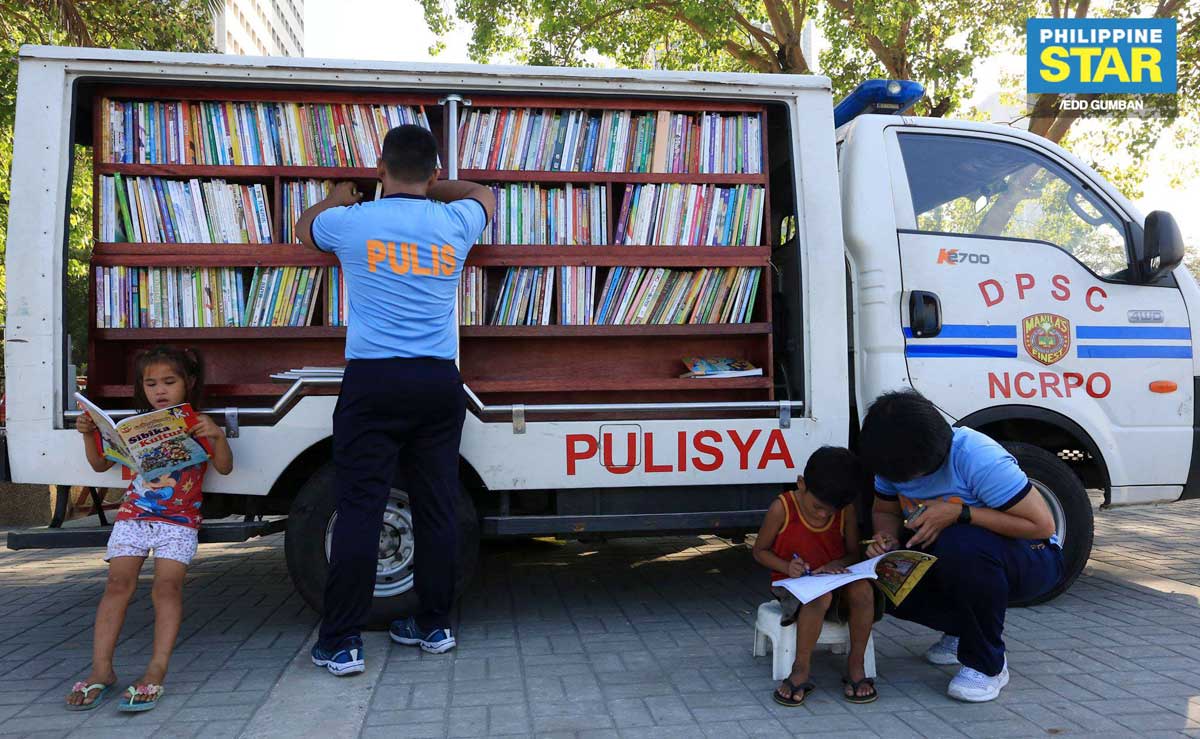
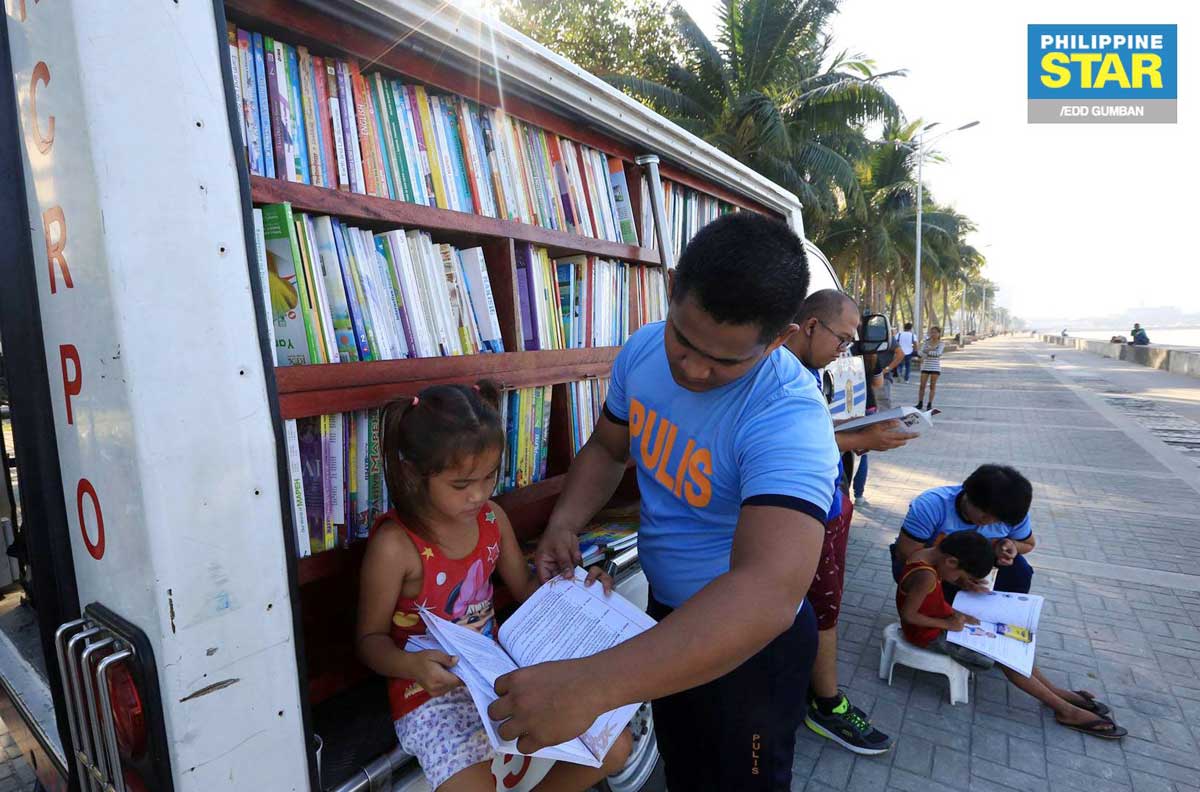
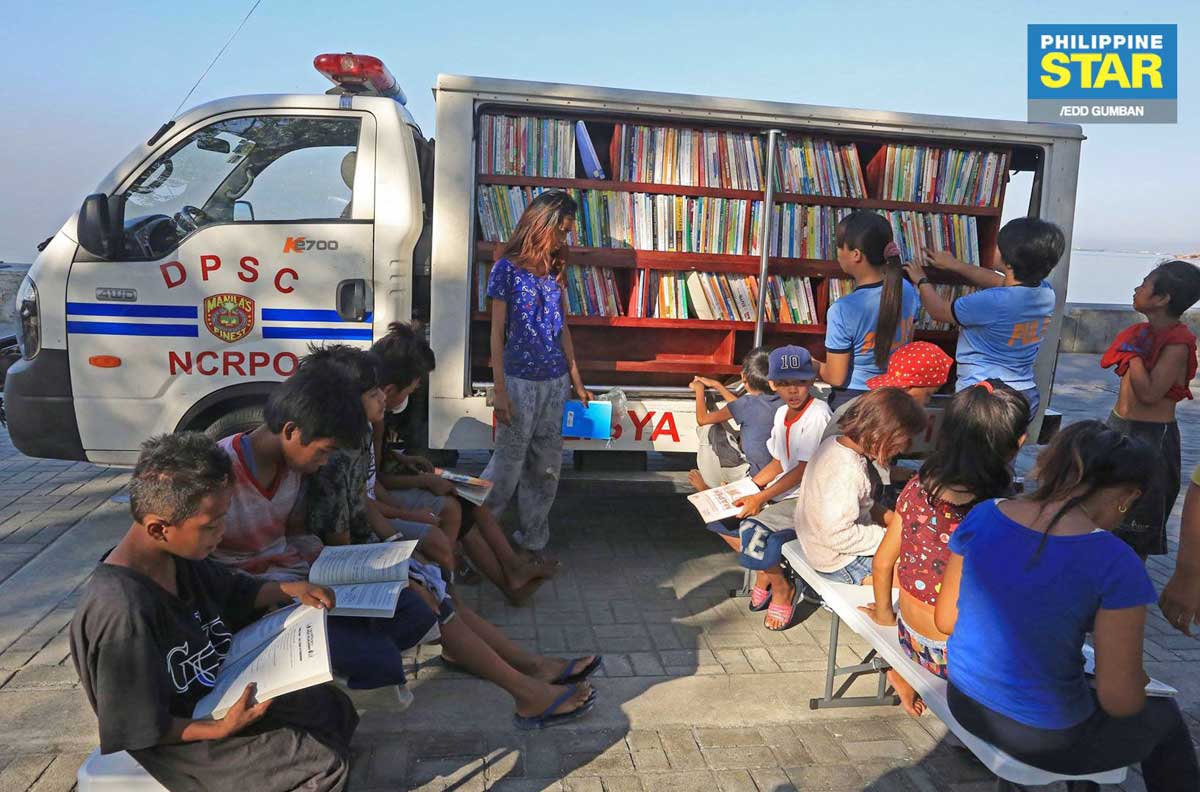
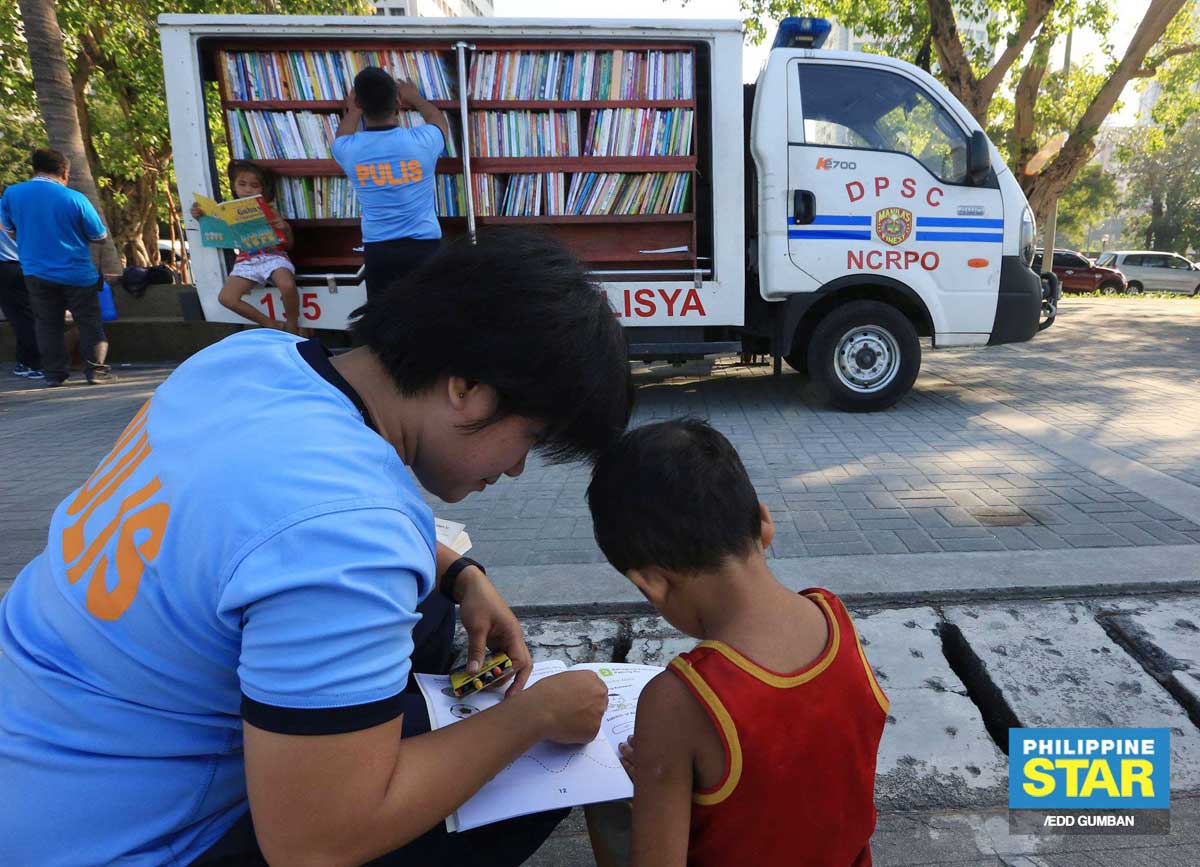
On Oct. 26, 2018, photos of Manila policemen teaching children how to read through a mobile library went viral on social media. Two days before, the Manila Police District had launched its mobile library project aimed at encouraging street children to study and keep them away from unscrupulous activities.
Seven months later, a classroom was built inside the MPD, and 50 students — aged 13 and above — are now enjoying the benefits of education.
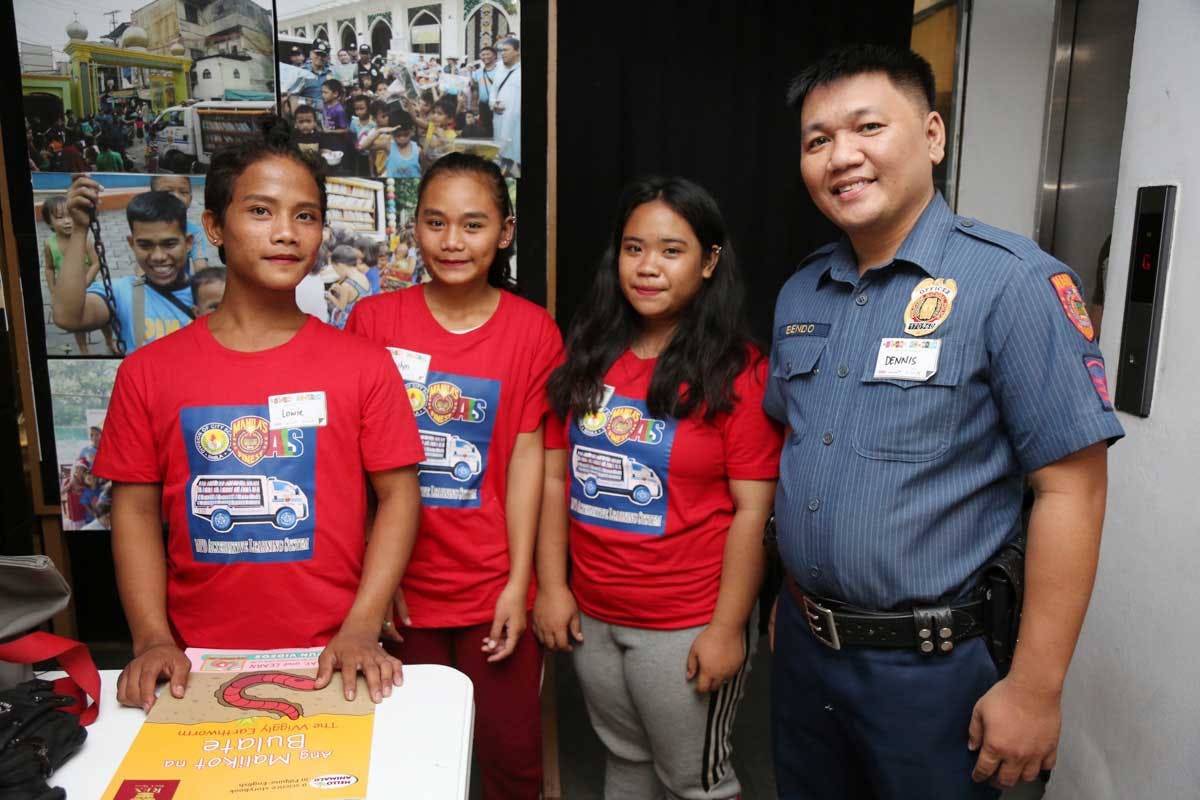
Lowie Racoma, Rovilyn Flores and Danica Caburnay are three of the students who enrolled at the Department of Education (DepEd)-approved Alternative Learning System at the MPD.
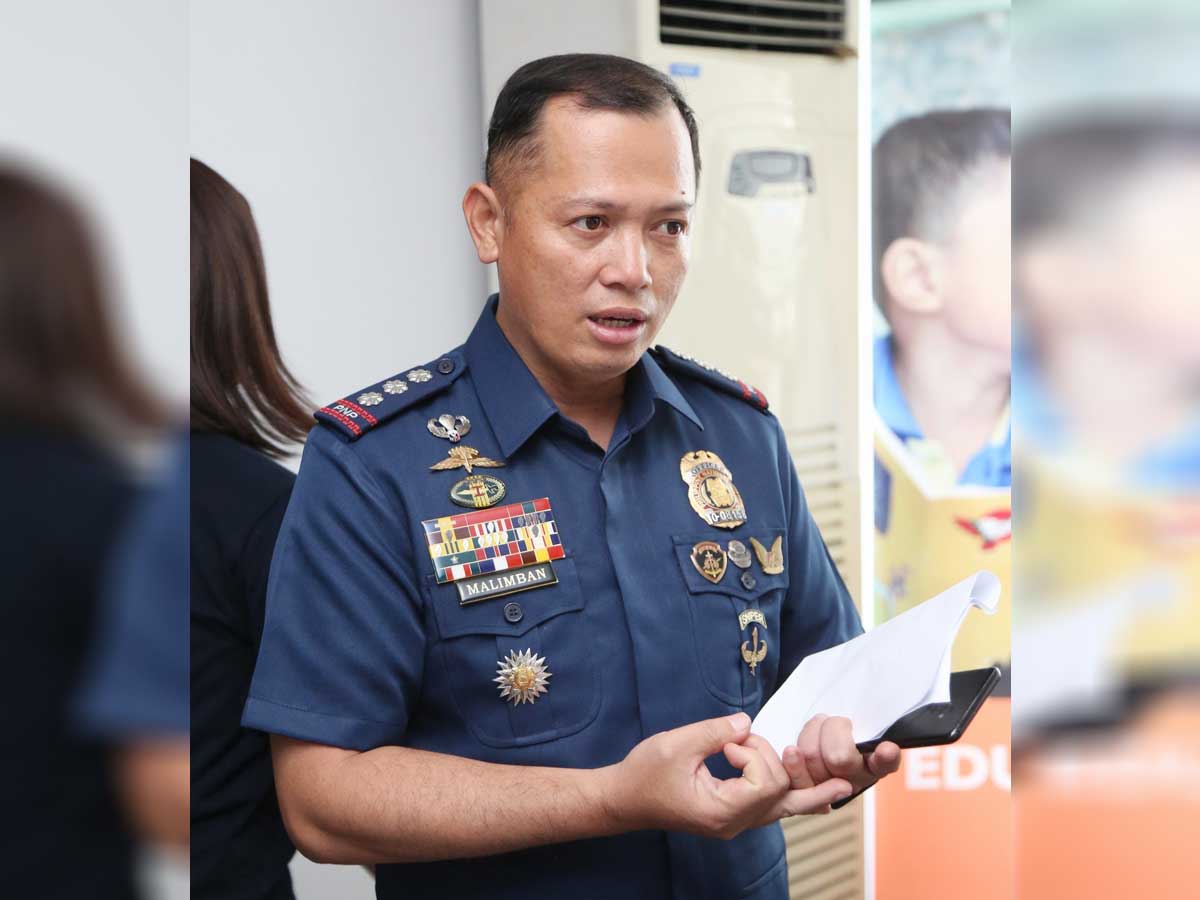
They were at the launching of “Brigada Pagbasa,” a project of the DepEd and the World Vision Development Foundation Inc. in the Philippines on Wednesday, Sept. 18, at Fully Booked in Taguig City that the MPD also supports, together with Col. Rex Arvin Malimban, MPD-District Mobile Force Battalion commander, and M/Sgt. Dennis Bendo, MPD-Police Community Relations team leader in charge of the mobile library and the ALS, and other officials and members of the Philippine National Police.
“‘Yung inaya po kami ni Sir Bendo, dun po kami sa Luneta tambay,” Flores told The Philippine STAR.
According to Flores, 15, and Caburnay, who is turning 15 this October and who ran away from home, they live in Intramuros but preferred to stay in Rizal Park before they started to attend the ALS at the MPD on June 3. Classes are from 10 a.m. to 12 noon every Monday to Wednesday and 8 a.m. to 12 noon every Thursday to Friday.
Flores was supposed to be Grade 6 and Caburnay, Grade 9 if their studies had not been interrupted.
Racoma, who will be 17 next month, disclosed he was found by the police in Pandacan but was also an idler in Rizal Park and should have been second year high school. “Masaya po, maraming natututunan,” Racoma replied when asked about the ALS.
Expansion
According to Bendo, the ALS is an extension of the mobile library. Before they opened the doors of their classroom at the MPD on June 3, Bendo said they conducted a survey for two months to find out who among those living or loitering regularly in the streets were willing to continue their education.
After gathering the data and seeing that many were interested, the police pursued the potential students. Racoma, Flores and Caburnay were chanced upon by Bendo in May. “Most of the students were from Luneta, Intramuros and Baseco,” Bendo said.
The program is good for two years, after which the students can undergo assessment for high school or college education. This is the reason why the MPD accepted students aged 13 and above, Bendo explained.
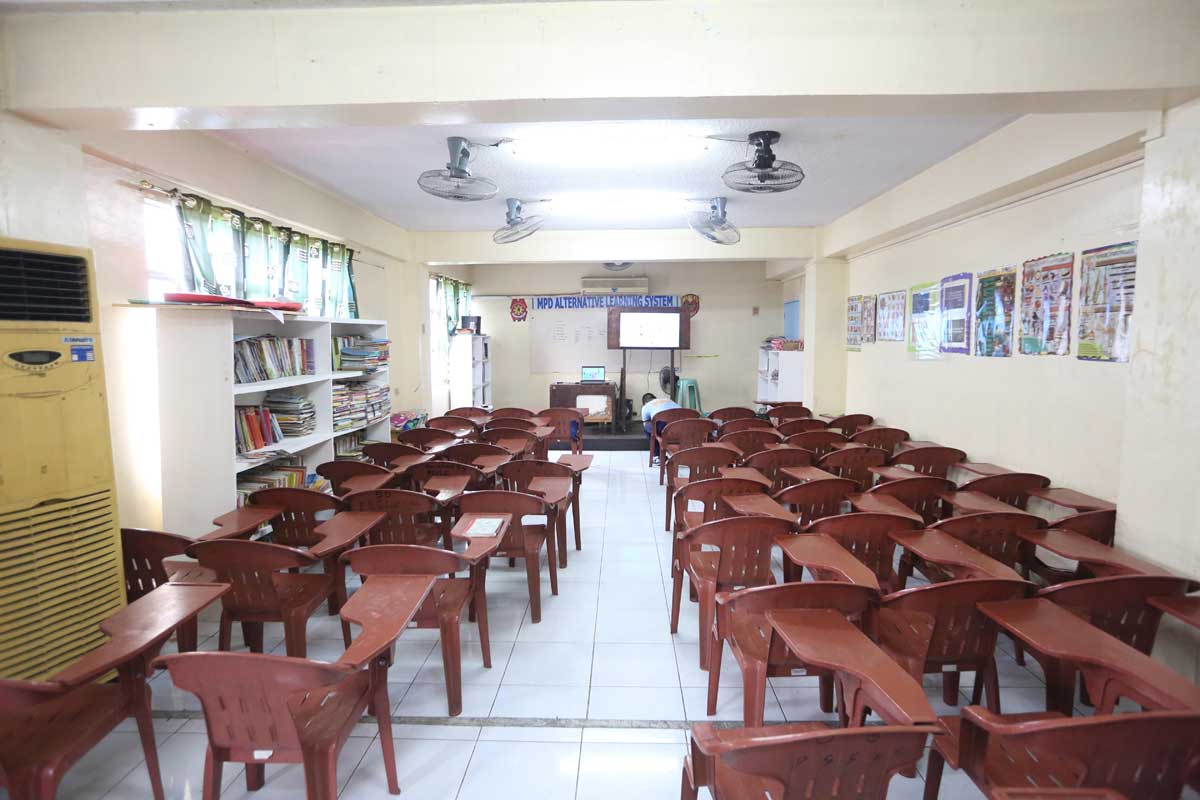
“We cater to everyone who was not able to go to school — even those who are already working, not only street children,” Bendo stressed.
Malimban, for his part, said the mobile library has been replicated in the Northern Police District. The MPD hopes several other districts will follow.
In Manila, the MPD is eyeing other areas aside from Malate, such as the Golden Mosque area in Quiapo where Muslim children are served by the mobile library.
So far, more than 200 children have benefited from the mobile library. According to Malimban, the readings are unprogrammed and lessons include good manners and right conduct, patriotism and even spiritual counseling.
Police officers who are former teachers are at the core of the ALS. DepEd designated a focal person to supervise the operations.
“Our teachers underwent training at the DepEd so that whatever they would do would be in accordance with the program of ALS,” Malimban said.
Asked why they thought of setting up the mobile library, Malimban recounted incidents wherein children would hop inside jeepneys and snatch passengers’ food or belongings. Some of the children were “rugby or solvent” boys and girls.
Malinban said the police had been supporting the Department of Social Welfare and Development in rescuing these children, but this was apparently not enough to keep them off the streets and save them from substance abuse. The children usually fled upon seeing uniformed police officers.
They then decided to present themselves as elder siblings and mentors, and the mobile library project was born.
“Naisip namin, kasi mailap ang mga ito kapag dumating ang mga pulis, takbuhan ’yan. So what we did para magkaroon kami ng interaction…na parang kuya ang dating, ’yun nga, naisipan namin na kailangan turuan natin,” Malimban told The STAR. “Sa amin ngayon mas madali kasi napagsasabihan na namin mga bata.”
Inspiration
The DepEd described the mobile library as one of the inspirations for the Brigada Pagbasa project though this was not the first time for the PNP to put up classrooms.
Nine years ago, the National Capital Region Police Office already established “Bahay Bulilit” catering to nursery and kindergarten students who are dependents of police officers and nearby residents. This project is now all over police districts in Metro Manila.
During the launching of Brigada Pagbasa, a movement that seeks to ensure that every Filipino can read and become literate, DepEd Undersecretary Tonisito pointed out there are a lot of things that need to be done to reach their goals.
He said that aside from remediation and summer classes, various interventions such as Brigada Pagbasa would help Filipinos, both young and old, become literate. At present, there are about two to three percent of Filipinos who are not functionally literate, or those with reading, writing and numeracy skills that help them cope with the daily demands of life.
Umali lauded World Vision for being an effective partner in educating Filipino children as he assured the possible partners and volunteers that a system and mechanism for Brigada Pagbasa would be ready.
Rommel Fuerte, World Vision Philippines executive director, vowed to champion programmatic implementation of reading initiatives with their partners.
Fuerte emphasized education is the great equalizer that allowed him to pursue his passion and work for the vulnerable children. Saying he was a poor boy from Cotabato, Fuerte said he is a testament to what education can do in a person’s life.
Geomel Jetonzo, Brigada Pagbasa project manager, said everyone can “contribute in nation building by simply helping children how to read.”
“Bata, matanda, nasaang sector ka man ng lipunan, hindi mo kailangang mamatay para maging bayani, pwede kang tumulong sa Brigada Pagbasa,” Jetonzo declared.
In its 62 years of existence in the Philippines, Fuerte said at the heart of their ministry are the children and Brigada Pagbasa, among other projects of the organization, could be a means for every Filipino child to access quality education.
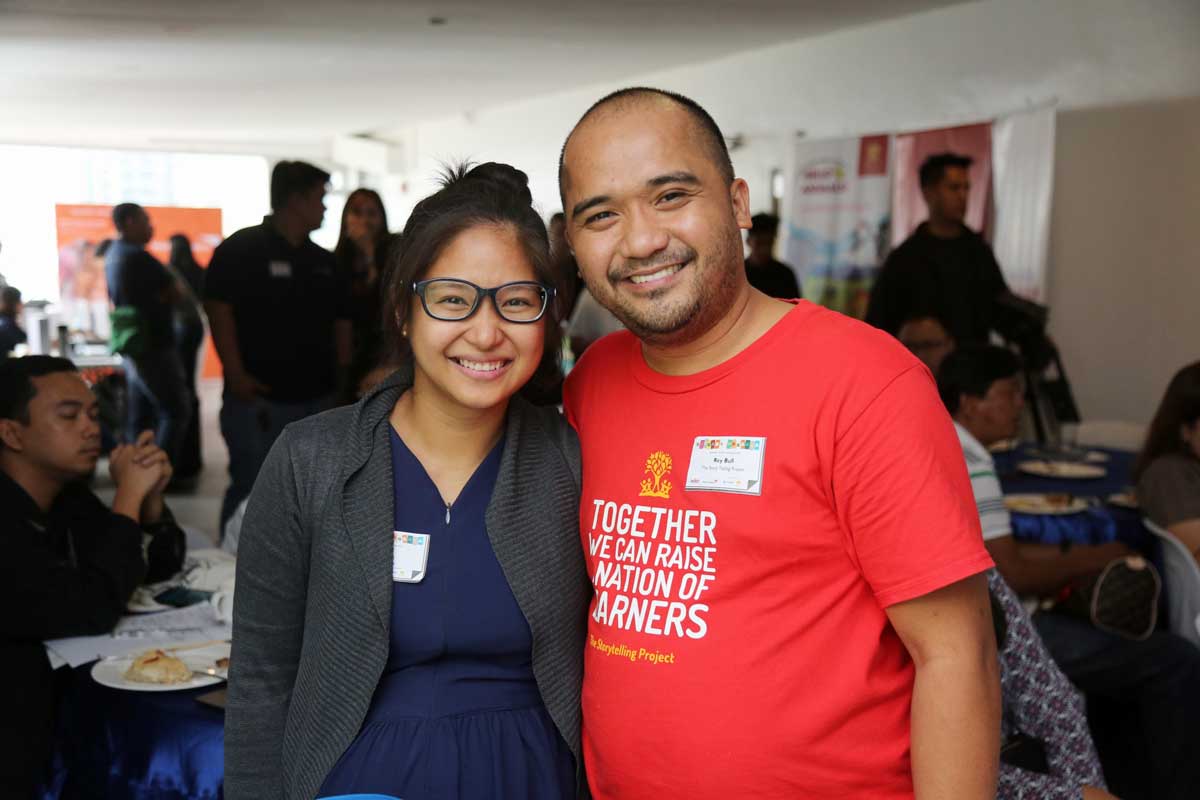
Aside from the members of the PNP, also present during the launching were couple Rey and Grace Bufi of The Storytelling Project or TSP, an organization that aims to spark hope, inspiration and imagination through storytelling.
TSP also wants to make reading an enjoyable experience for children, to start a reading habit and to instill the love of reading and learning in all TSP kids.
“We’ve tirelessly crossed rivers and excitedly conquered mountains to reach remote communities – to bring our own brand of happy learning,” TSP wrote on its website.
Rey, who founded TPS in 2010, said they immediately agreed to be part of Brigada Pagbasa when asked by World Vision to be a partner.
“Pumupunta kami sa isang lugar, tumitira kami ng isang buwan at kinukuwentuhan naming mga bata,” Rey disclosed.
He cited the importance to have a movement to deepen skills development of children. Before TPS, Rey said they were also volunteers teaching children become readers.


