



Minors And The Drug War: Nowhere To Hide
In 2017, the death of 17-year-old Kian delos Santos sparked condemnation and resulted in the recalibration of the administration’s drug war. But minors continue to get killed, and not just those allegedly involved in the illegal drug trade.
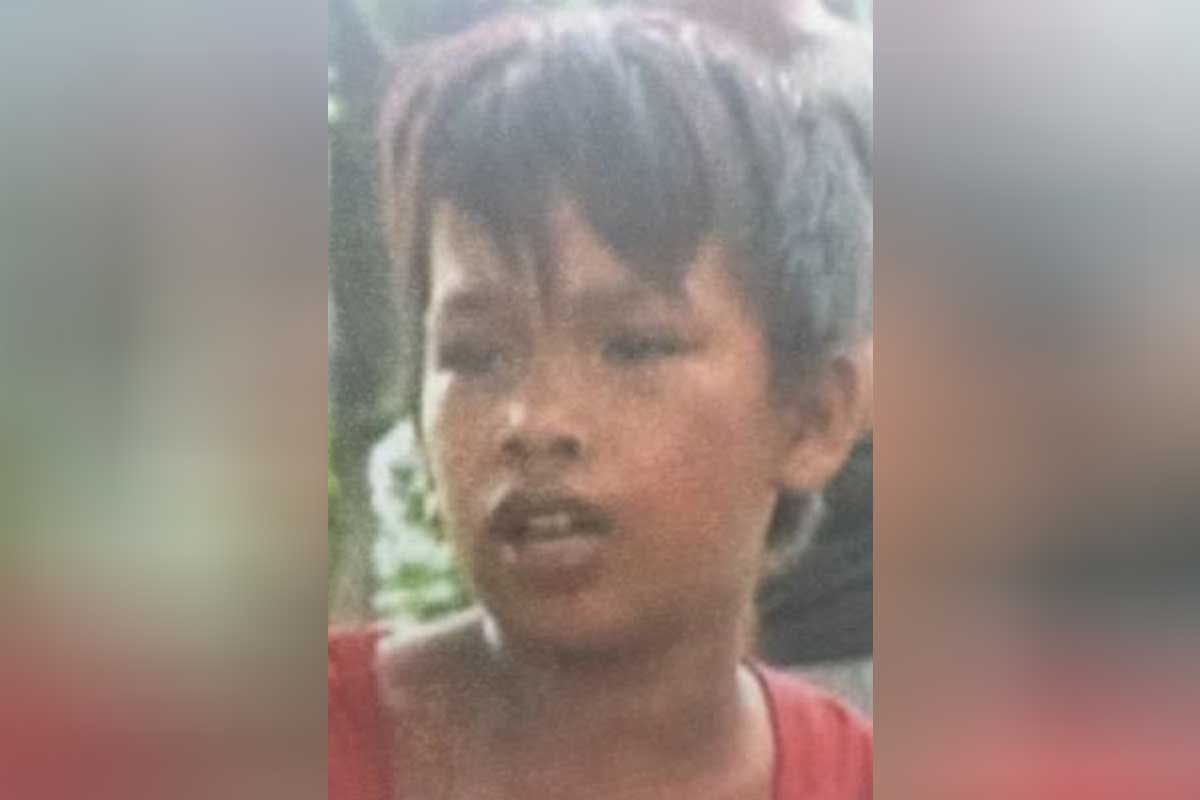
In the cities of Navotas and Caloocan, friendships among men, some as young as 17 years old, are tragically ended by death.
Last Sept. 22, pedicab driver Edmundo “Monmon” Sedonio was slain in what police said was a drug sting at Market 3, Barangay Northbay Boulevard North in Navotas.
Market 3, situated in the Navotas Fish Port, has been a hotbed of drug stings and vigilante killings since the start of the administration’s war on drugs.
Another target of the police during the sting, Allan “Pakyu” Tremotcha, was wounded but managed to flee. He was found bloodied on a rooftop by a 17-year-old, who at the time was outside to find food to eat.
For helping rush Tremotcha to the hospital, the minor, a member of the urban group Kadamay, was held by the police for a day for questioning.
“May tinulungan lang po ako na isang wanted sa pulisya. Hindi ko naman po alam na wanted po siya, kaya tinulungan ko po. Tinanong ako kung kanang kamay daw ako ni ‘Pakyu.’ Binalaan ako na dapat hindi na ako makita sa lugar na ’yun,” the minor told The Philippine STAR in an interview on Sept. 22.
Sedonio was not as lucky, having been shot dead at the age of 25. For his wake, his friend, 17-year-old Marcelino “Tiki” Estrada Jr. gave the family of Sedonio P400 to help with the funeral.
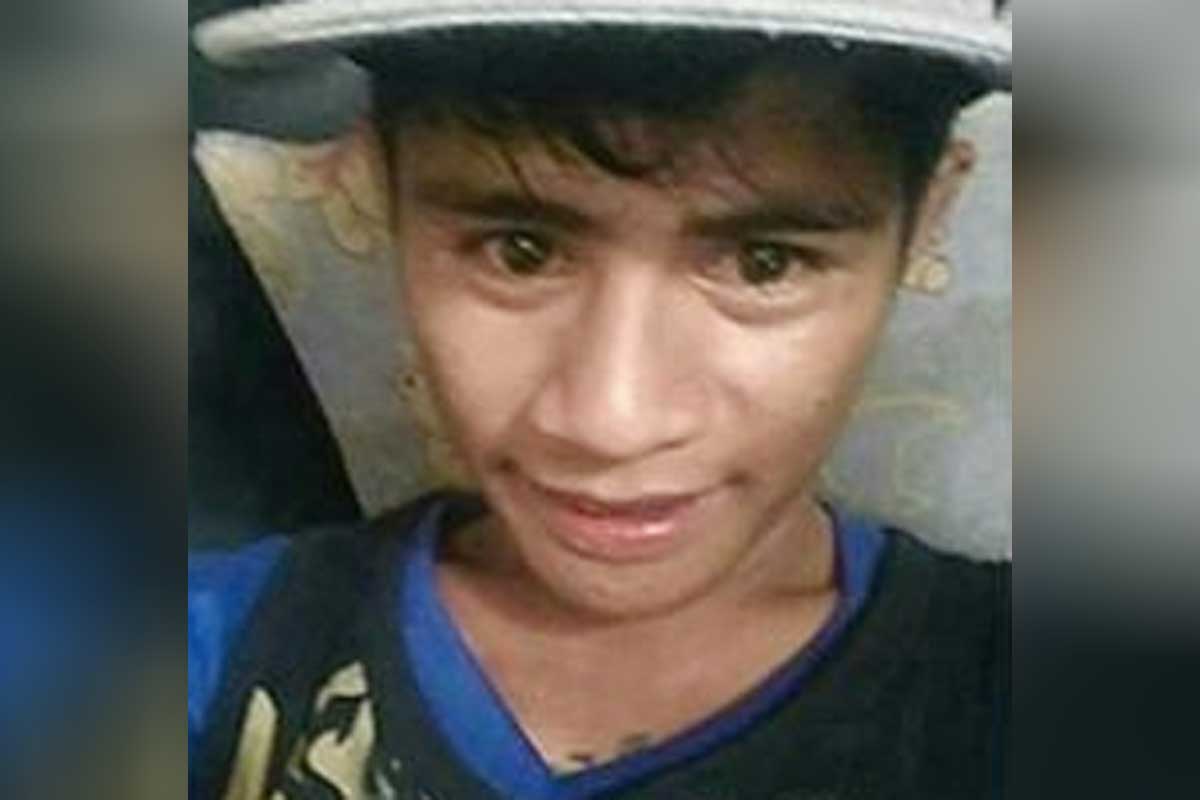
Fely and Buboy Tiglao, grandmother and uncle of Estrada, respectively, could not believe what happened to the young man.
They had been friends and neighbors in Market 3, Estrada’s grandmother Fely Tiglao recalled, with Sedonio giving Estrada’s siblings money to buy food when he was still alive.
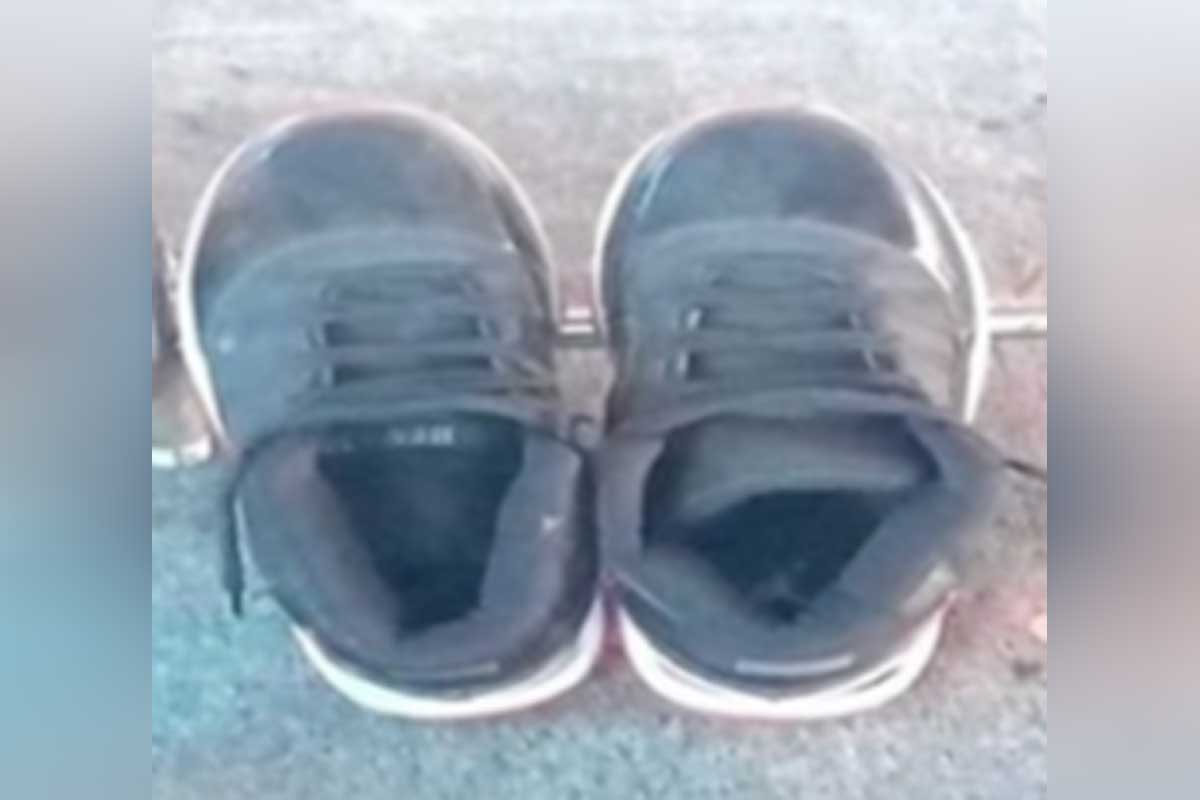
During Sedonio’s funeral, the pair of Nike shoes given to him by Estrada was placed near his coffin to honor their friendship.
Estrada would be killed five days later by a group of five men who stabbed him with an icepick and left him for dead in a muddy canal.
Fely felt sorry and angry that her grandson had to be tortured. Estrada’s head was crushed after it was apparently hit with a blunt object to make sure he would not survive.
According to Fely, Estrada had always been the thoughtful grandson, who gave her a part of his earnings as a scavenger so she could buy food.
In an interview inside their shanty in Barangay Northbay Boulevard South, a cluster of wooden houses beside a pumping station, Fely recalled that the last time they talked, Estrada had given her P100.
“Pang check-up ng paa ko. Mabait na bata si Tiki. Awang awa ako sa nangyari sa apo ko,” Fely said, crying.
He had been receiving threats to his life for months, Fely disclosed.
She explained that Estrada had been returning to Market 3, where they had lived before they moved out, to collect payment for a debt someone owed to his father, so he could relocate to Bulacan.
It was too late for Estrada to escape. HIs death certificate said he died of head injury and multiple stab wounds in the neck and body.
“Hindi na sana siya pinahirapan. Ang masaklap sa aming pamilya, binagsakan pa siya ng bato. Tinorture talaga siya eh,” Buboy said.
Carrying his two-year-old son, who was crying for his mother, Buboy recounted the days when Estrada helped him take care of the baby. Upon returning home from his fishing expeditions in Palawan, Buboy would see his toddler son playing with toys bought for him by Estrada.
Aside from scavenging, Estrada worked in the market selling vegetables at a young age, choosing to earn a living for the family instead of going to school, Fely said.
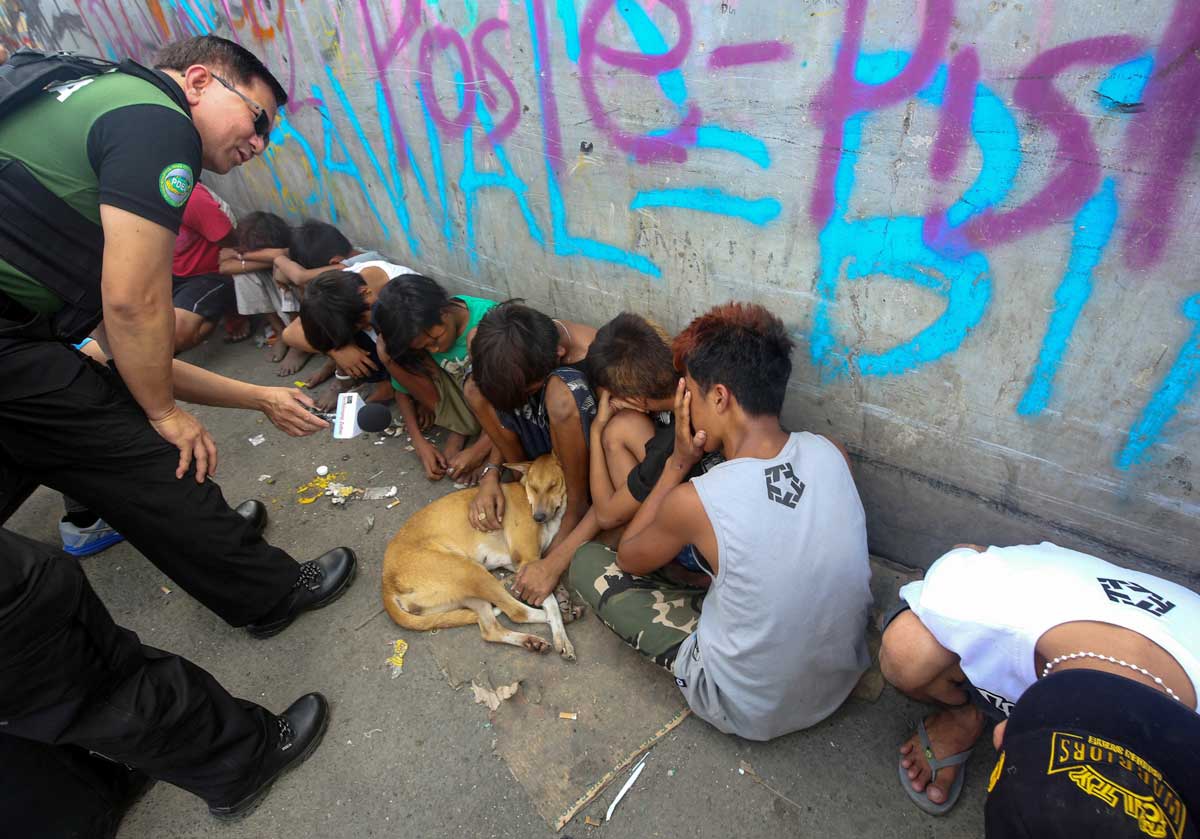
Estrada and his elder brother had been living under a bridge since their parents were arrested in December last year on drug charges.
Fely said Estrada’s parents were framed because their shanty in Market 3 used to be a drug den.
For the wake, Estrada’s parents had been allowed by the court to visit their son one last time.
Estrada’s employer at the Agora Market had volunteered to adopt him to help him out of poverty, but the boy opted to stay behind to take care of his younger siblings, who had been staying in a church charity home.
Fely vowed to pursue the cases against Estrada’s killers. A witness told police investigators that five men took turns hitting and stabbing Estrada.
“Ang minamasama ko, bakit ginawa nila sa apo ko? Nakalugmok sa putikan. Tadtad ng saksak. Sabi ko, bahala na ang Diyos sa kanila,” Fely said.
Estrada was a suspected police informant, which his relatives denied. Authorities say that not all drug-related deaths can be attributed to police who kill suspects who fight back during operations or nanlaban. Vigilantes and drug ring members also kill persons involved in illegal drug deals, the authorities say.
* * *
Bagong Barrio, a sprawling residential area just on the edge of Caloocan and the North Luzon Expressway, had its share of drug-related killings.
It is a hotbed for contract killings, Caloocan Bishop Pablo Virgilio David lamented. David had denounced the death of single mother Jennifer Taporada, who was shot in the head by two assailants on a motorcycle along Peta street on July 18, 2018.
Taporada was killed just a year after her husband Bryan was also executed, with his genitals cut off and eyes gouged out when he was found in Bulacan. The couple left behind two children, who are scholars of the Caloocan diocese.
“How come the ‘bonnet gangs’ are able to enter and exit narrow alleys and kill victims without being apprehended or even noticed by the police? … It means the killers circulated around Bagong Barrio without being seen by the police,” David told The STAR in July last year.
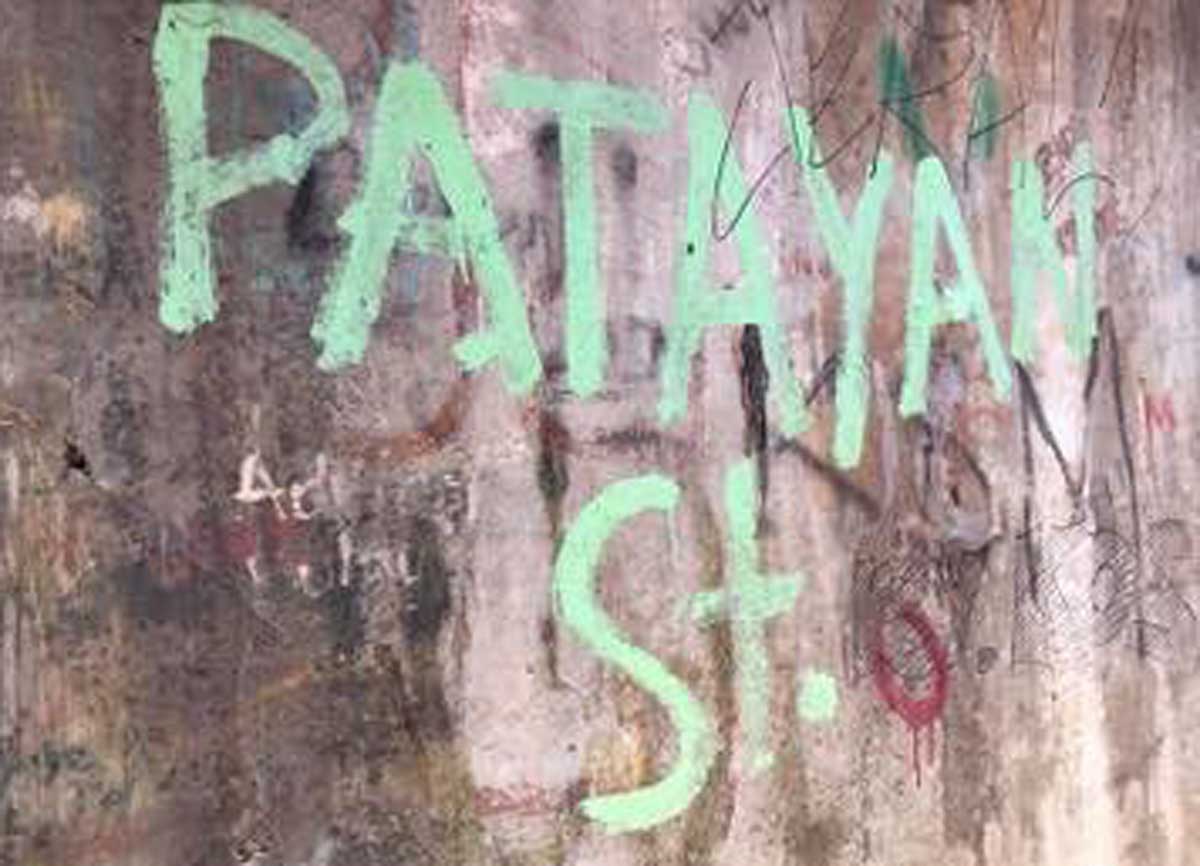
The killings continue with the deaths of Jaybee Castor, 23, and Michael dela Cruz 17, in the area that has come to be known as “Patayan Street,” as painted on the walls by vandals.
On June 25 this year, the hit show Ang Probinsyano had just finished airing at dinnertime when four masked men barged into their house and seized Castor.
Castor’s partner, who asked not be named, said she and her two young sons ran after him as he was dragged by the masked men into a white Ford vehicle.
She showed journalists closed circuit television footage of the kidnapping. The masked men parked their white Ford vehicle just below the range of a CCTV camera, possibly unaware of its existence or because they didn’t care.
Castor’s older brother said he ran after the masked men and told them, "Hindi makatao ginagawa ninyo!" They threatened to shoot him if he went after them.
“Naawa ako sa anak ko,” Castor’s partner said during an interview in their shanty last July. “‘Pag nakakakita siya ng puting kotse, hahabulin niya: ‘Ma, habulin natin, nandoon nakasakay si Papa!’ ”

The family looked for Castor in Caloocan, Malabon, Navotas, Valenzuela and Quezon cities. They even went to Camp Crame, where they were told Castor was a victim of "dukot" or kidnapping.
On July 5, they woke up to the bad news that Castor had been found dead by the roadside in San Jose Del Monte, Bulacan, according to a Facebook post from the San Jose Del Monte police.
The partner identified Castor through his tattoos – the names of his parents in front and of his sons in the back. Castor was found dead with a cardboard poster bearing the words: "Huwag tularan. Adik at magnanakaw."
Castor’s partner could not believe he would become a victim of the war on drugs just two years after their friend Dela Cruz was killed in an alleged police encounter in November 2016.
Dead men tell no tales. Will these friends’ families ever find out who the killers are?
Further reading: Documentary On The War On Drugs Finally Premieres In Phl


