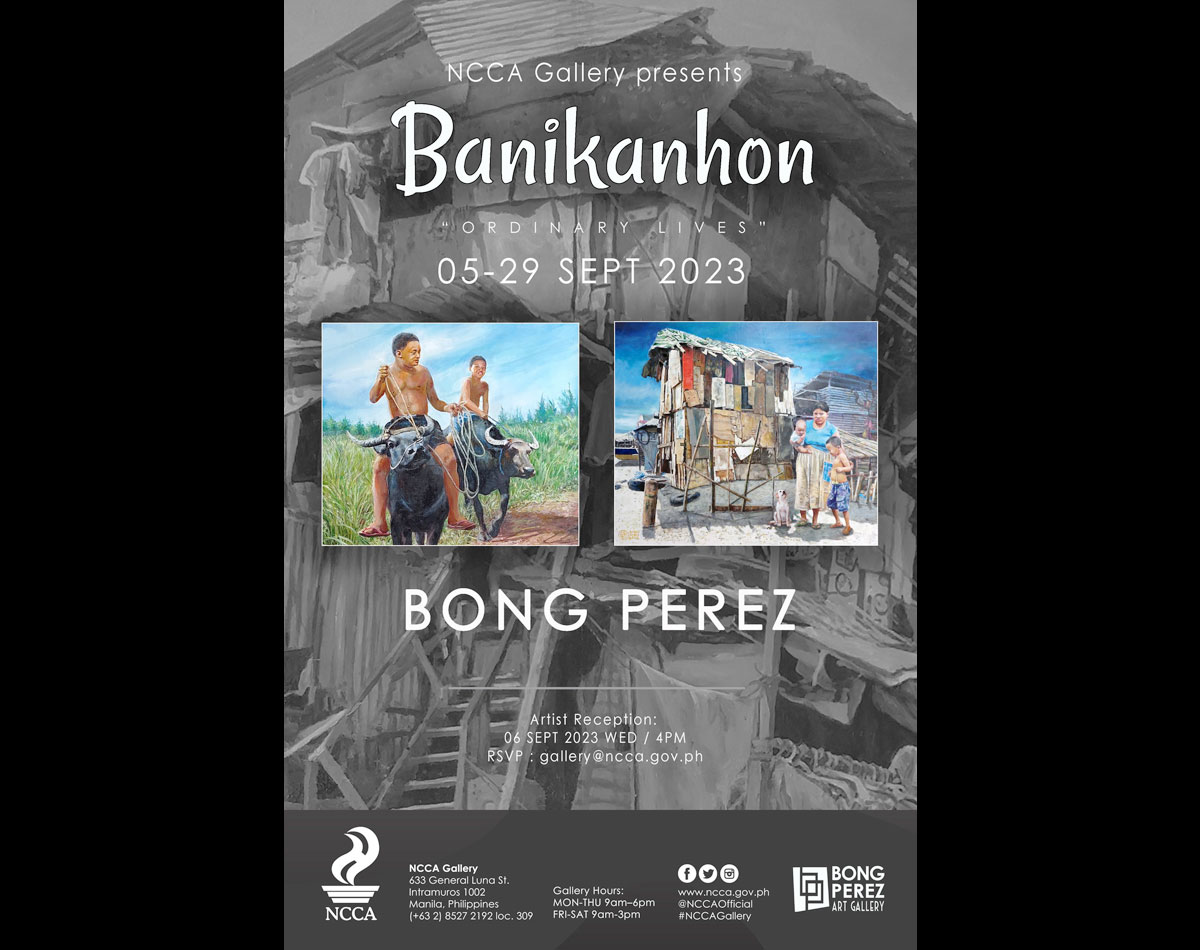



Mindanao Artist Bong Perez’s ‘Banikanhon’: Art With A Local-Global Dynamic
Bong Perez’s art, despite its fidelity to the local and its embrace of Mindanao, is never small-minded or inward-looking: it’s an art that does not shirk from engaging with global currents. His is a very confident art.

Mindanao artist and pedagogue Teddy Boylie “Bong” R. Perez will hold his 16th solo exhibit, “Banikanhon,” at the National Commission for Culture and the Arts (NCCA) Gallery in Intramuros, Manila, on Sept. 5 to 29. It will be the first time for Perez to be exhibiting at the gallery of what in effect is the country’s cultural ministry, which has lately been offering venue grants to artists from the regions.
Perez is one of Davao City’s most dominant artists. He has received the Datu Bago Award, the highest recognition bestowed by the city government to its residents. The NCCA Gallery exhibit is expected to establish more firmly his artistic foothold in the national imaginary.
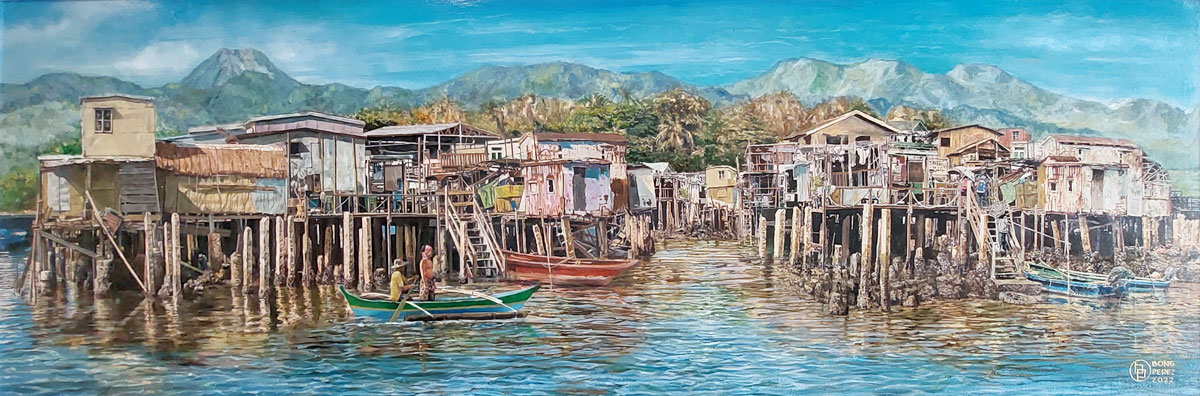
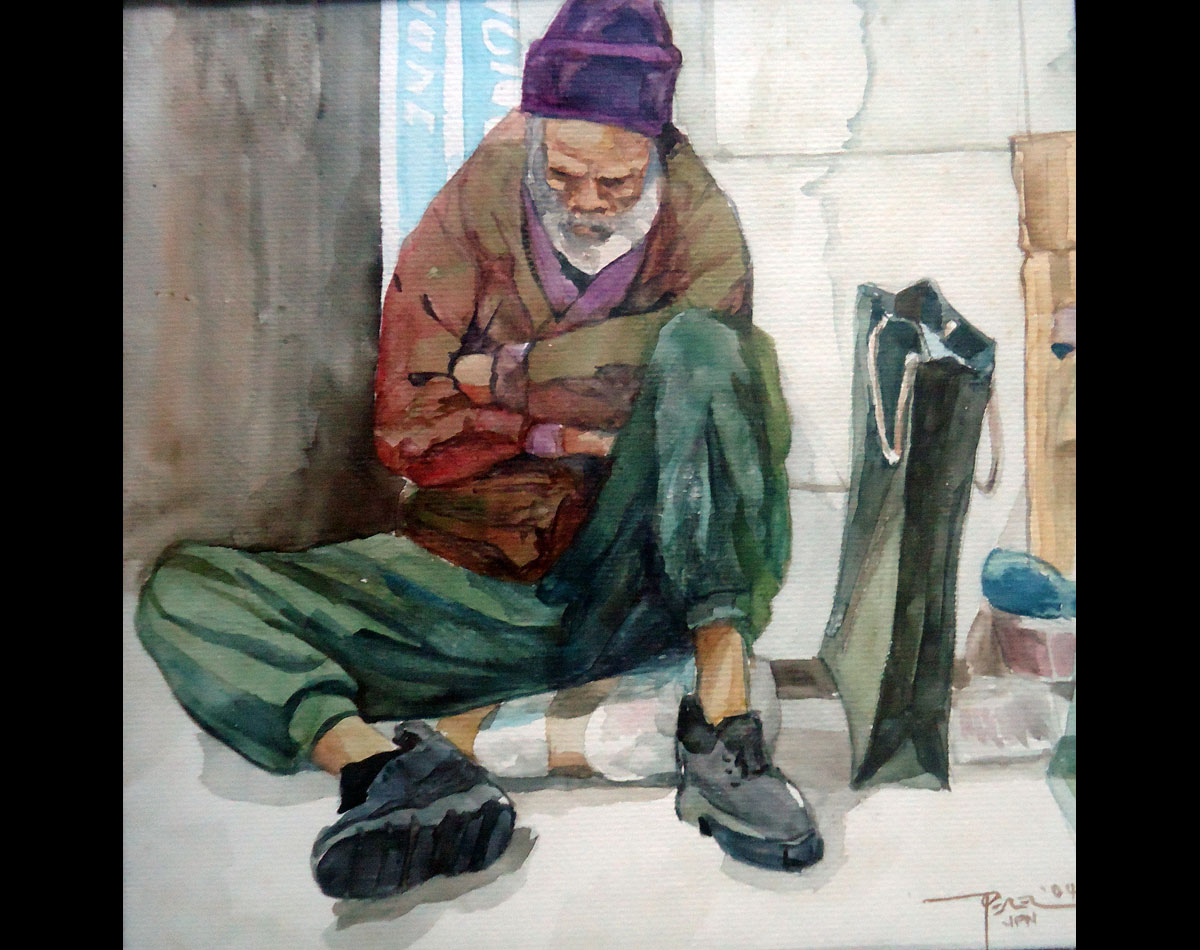
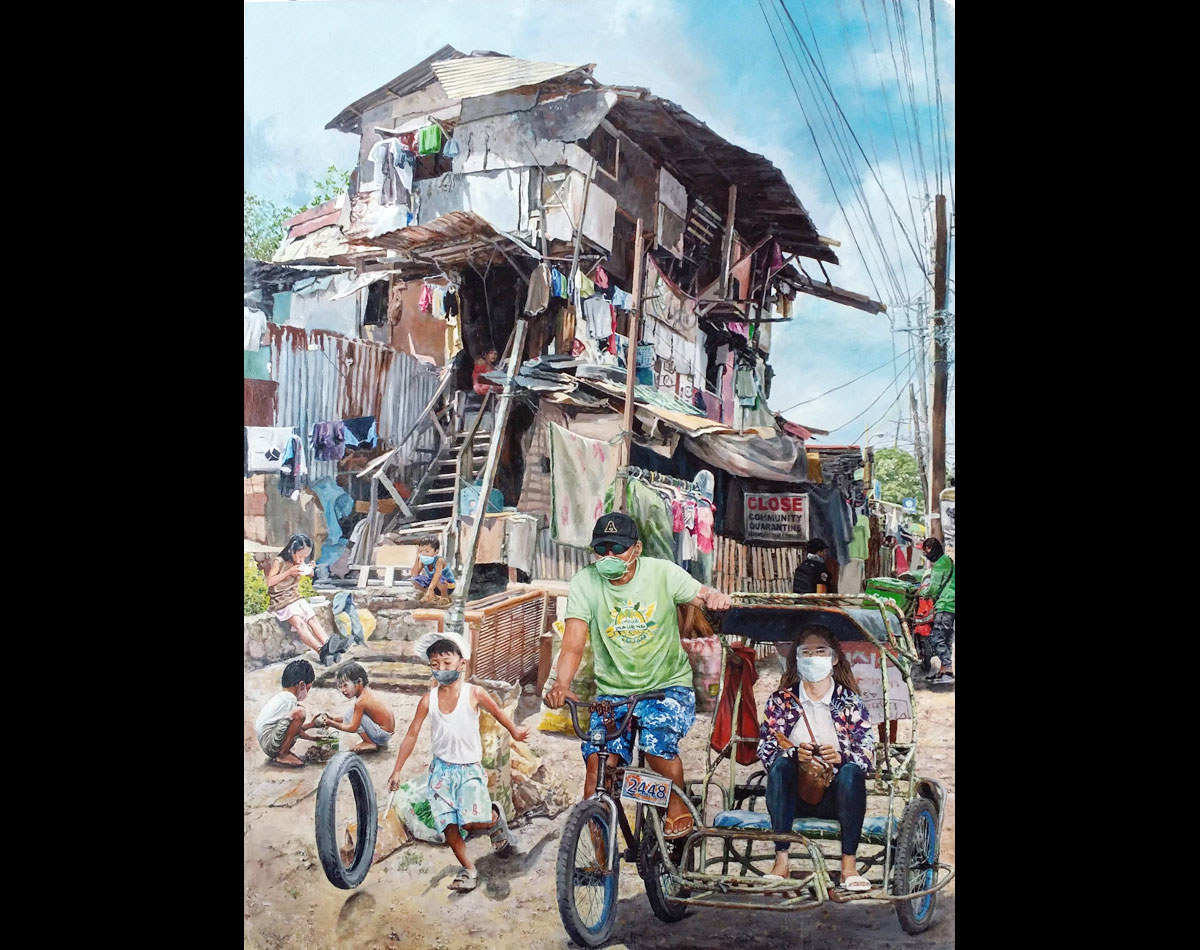
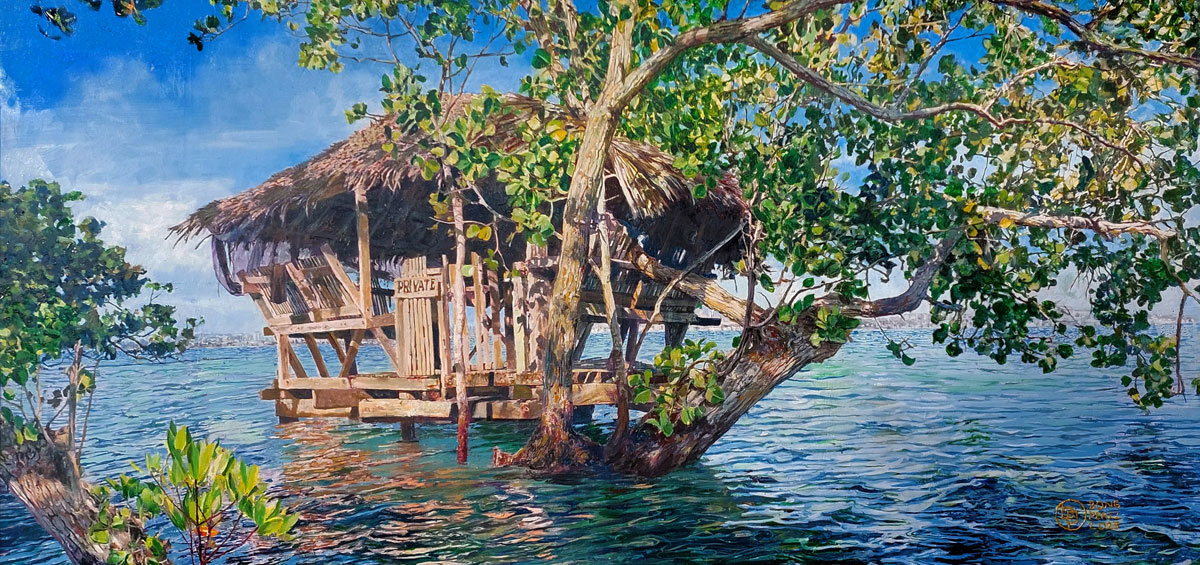
Paradoxically enough, the title of his exhibit in his bid to establish his name in the metropolitan mind’s eye is “Banikanhon,” which invariably means “rural” or “pastoral.” In fact save for certain works that show the homeless in Japan, where he took up graduate studies in the early 2000’s, most of the paintings are rural scenes and seascapes and flora and fauna that distinguish the natural and man-interceded beauty of Mindanao.
After finishing fine arts on a scholarship at the Ford Academy of the Arts in Davao City in 1991, Perez (born April 15, 1970) obtained a Japanese government Monbusho scholarship grant to study in Japan. He finished Master’s in Art Education at Saga University in 2002 and Doctorate in Plastic Expression at Kyushu Sangyo University in Fukuoka 2005.
In 2003 he won the Award of Excellence at the 36th Nishinihon Shinbun Art Competition at the Bridgestone Art Museum in Kurume City. His winning work, “Flea Market,” is a Japanese urban market scene that shows his unique capacity to capture everyday scene.
It was while he was Monbusho scholar when he met National Artist Benedicto “BenCab” Cabrera, who was attending at that time an international art fair in Fukuoka. He became BenCab’s guide and interpreter. BenCab later wrote the foreword for a monograph on the Davao artist (“Fragments of Truth: The Painted Essays of Bong Perez” by Michael Ebro Dakudao.
“Teody Boylie ‘Bong’ Perez, one of Davao City’s homegrown artists, expresses his love for the cultural communities of Southern Mindanao through painting,” wrote BenCab. “Working with oil, acrylic and watercolor, Bong evokes the sense of anguish that our brothers and sisters feel when marginalized. It is his deep affinity with them that continually inspires him to portray them in his artworks.”
“Bong also loves to paint orchids -- Cattleya and Waling-waling, flowers that are exotic yet thriving in Davao,” BenCab continued. “His concern for nature motivated him to portray the plight of the Philippine Eagle, like in his piece entitled, ‘The Last Cry of the Wild.’”
Coming back to the country in 2006, Perez taught at the fine arts school of the Philippine Women’s University. He also had a solo exhibit at the old Asia Art Gallery at the Shangri-la Edsa Plaza Mall in which his guests of honor included National Artist Napoleon Abueva and Ramon Orlina. Shortly after he returned to Davao to settle down and build a family while teaching at the University of the Philippines Mindanao, where he’s now associate professor in the Department of Humanities.
Perez’s variegated experiences as a child of Davao City, the Mindanao metropole, adventuring in the global metropoles of Manila in the Philippines and in Saga and Fukuoka in Japan, have endowed his art with a local-global dynamic that hews close to the natural and the everyday without being parochial or insular.
As he points out in his artist’s statement, “What is crucial to me is gaining a deep understanding of the fundamental conditions that exist in my country, and how I relate to them. I firmly believe that to create meaningful art, one must first appreciate great ideas that are relevant the country, and then strive to achieve a masterful freedom in expressing them. By continuing to explore and understand the fundamental conditions of my homeland, I am confident that I can create art that is both meaningful and impactful.”
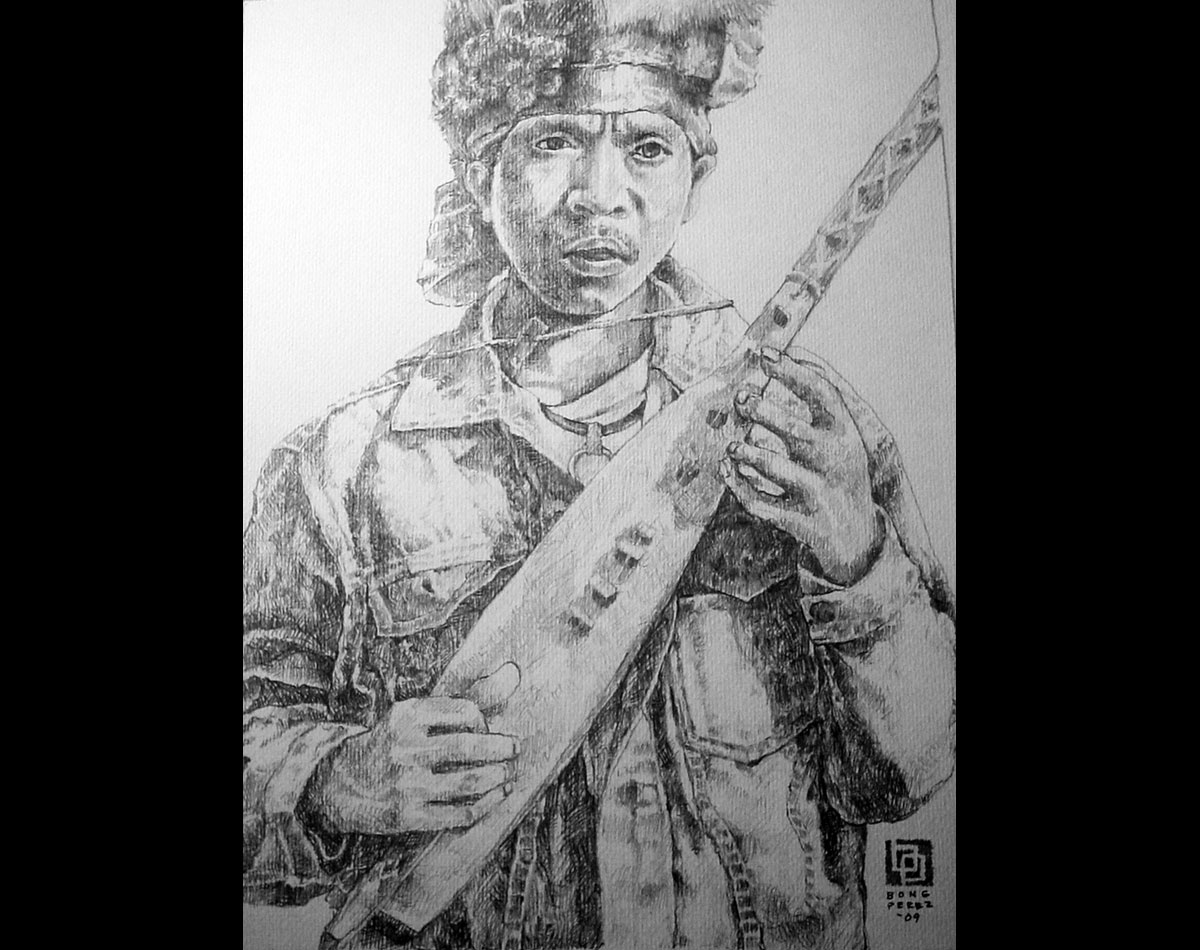
Perez’s art is essentially rooted in the “sounds, sight, soul” of Mindanao, the island’s cultural diversity forming the core of his aesthetics. Along this line, he has explored the iconography of Mindanao—the cattleya, the waling-waling, Mount Apo, the Lumad—and endowed it with artistic freshness and depth.
Along with all of this, there’s a very evident social consciousness that permeates Bong’s work, evoking what BenCab has called “the sense of anguish” of the Mindanao people’s “marginalization.”
Despite the geographical, cultural and existential “rootedness” of his art, there’s also in Perez’s art a sophisticated cosmopolitanism, engendered by his higher art studies in Japan, his pedagogy at PWU and UP Mindanao, as well as his deft adoption of multimedia technology in his art-making.
Perez’s art, despite its fidelity to the local and its embrace of Mindanao, is never small-minded or inward-looking: it’s an art that does not shirk from engaging with global currents. His is a very confident art.
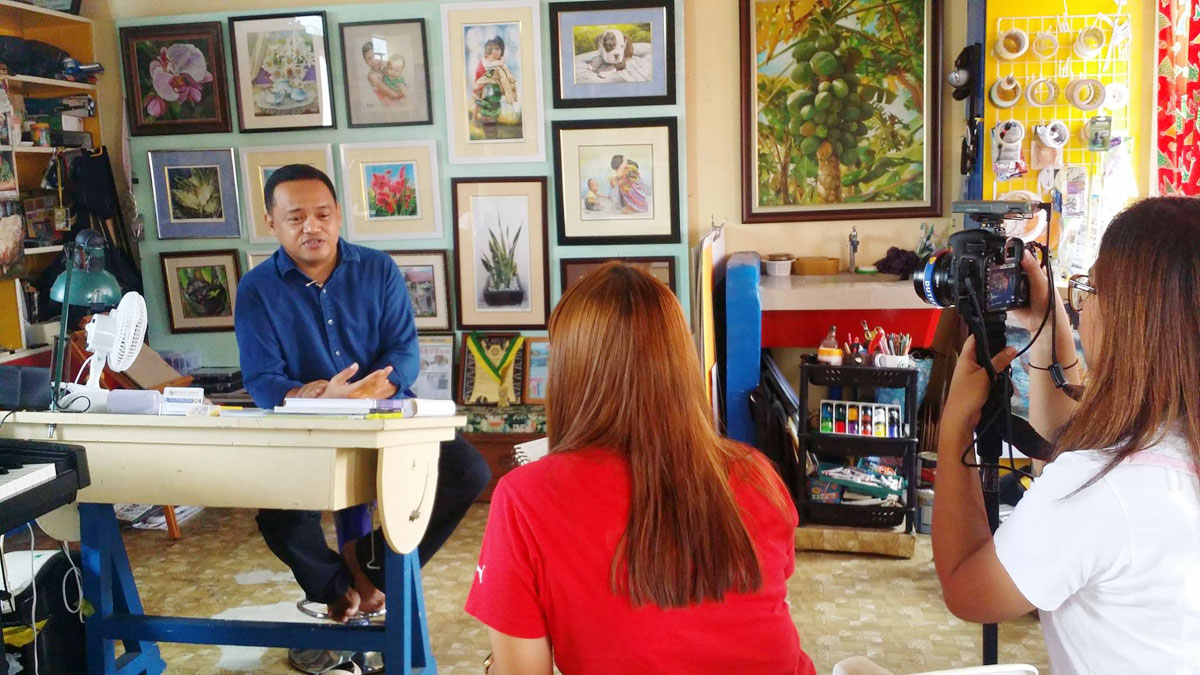
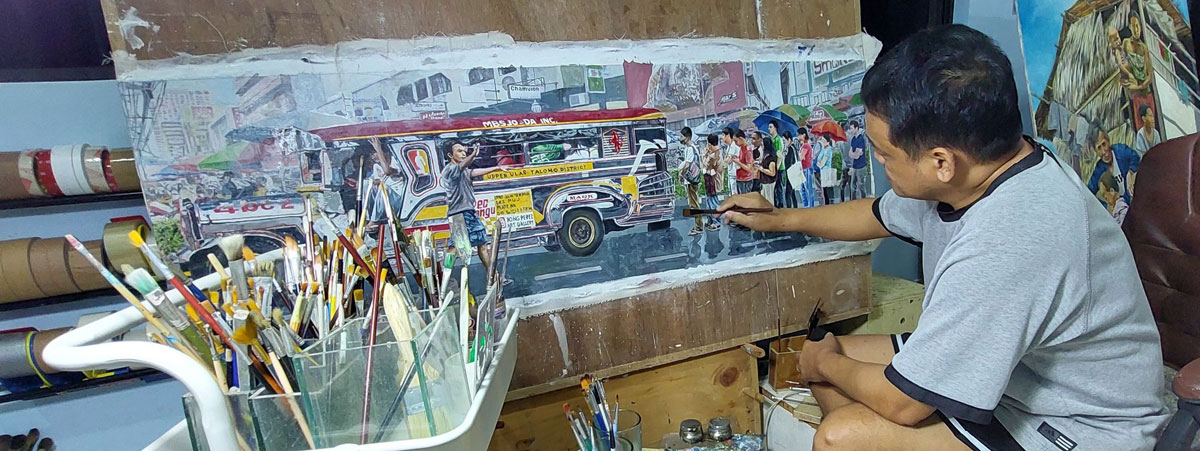
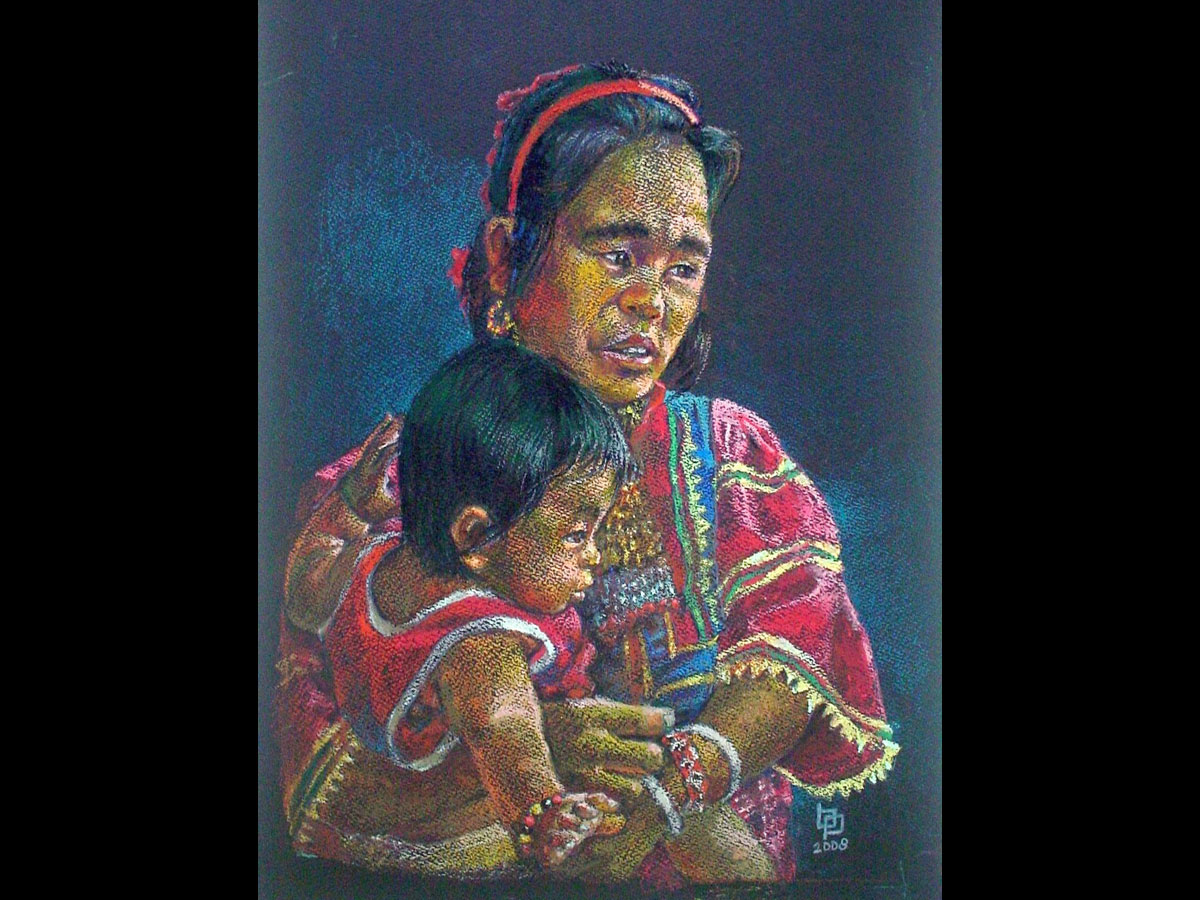

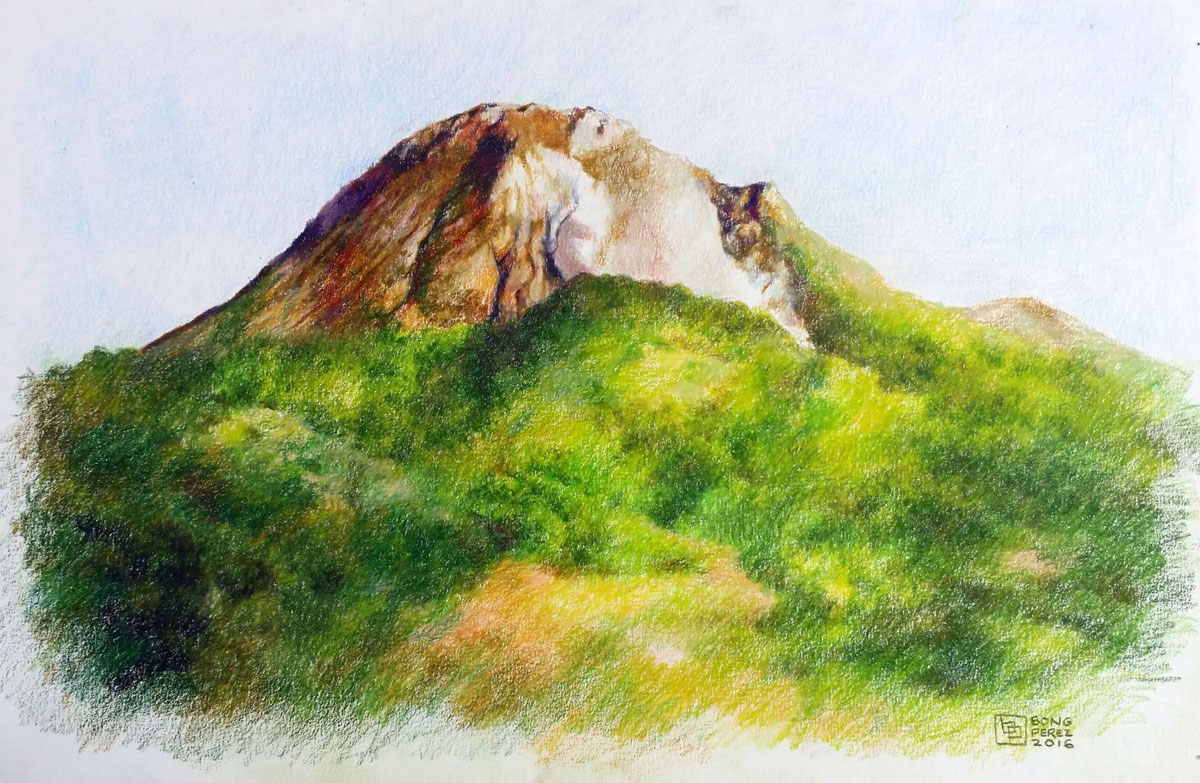
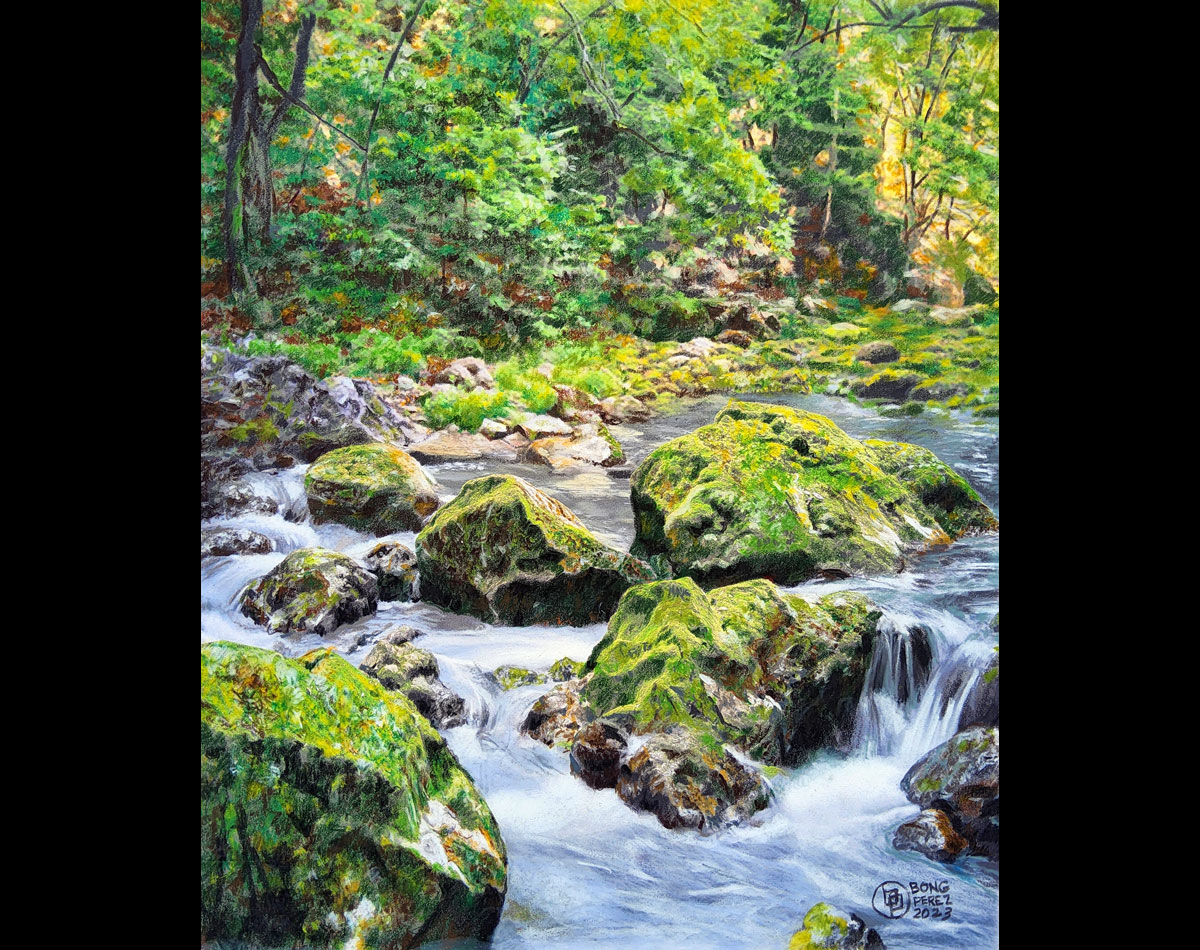
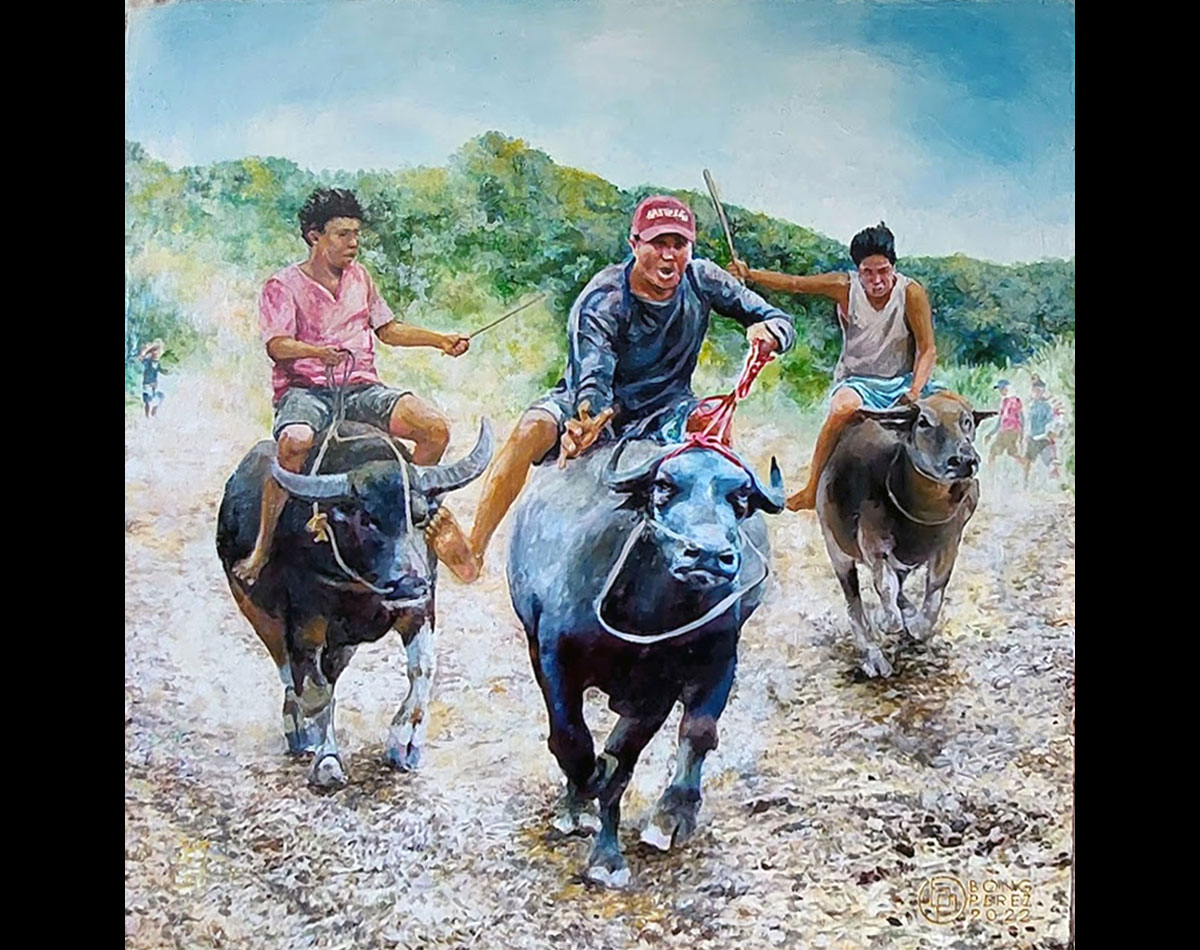
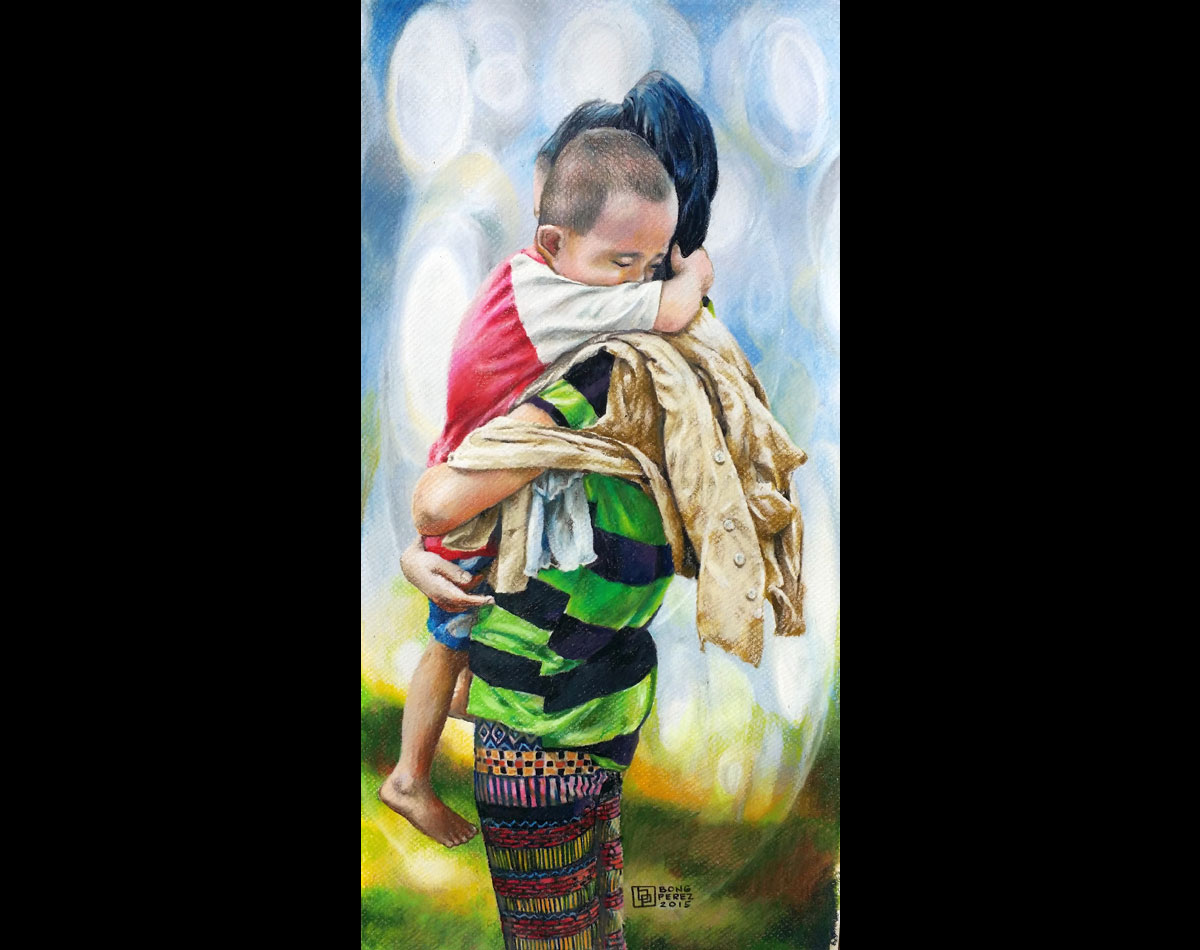
Teddy Boylie “Bong” R. Perez’s solo exhibit, “Banikanhon,” will be formally opened on Sept. 6 at 4 p.m. at the NCCA Gallery (633 General Luna Street, Intramuros, Manila) by NCCA Executive Director Oscar Casaysay. For more info about art works, call 0930-7018409, email [email protected]. Also visit Bong Perez Art Gallery online: https://bong-perez.pixels.com/.