



Measles, Chikungunya Cases Up
The Department of Health recorded a sharp increase in measles cases nationwide, up by 90 percent to 212 cases compared to last year’s figure of 112 cases from Jan. 1 to June 11.
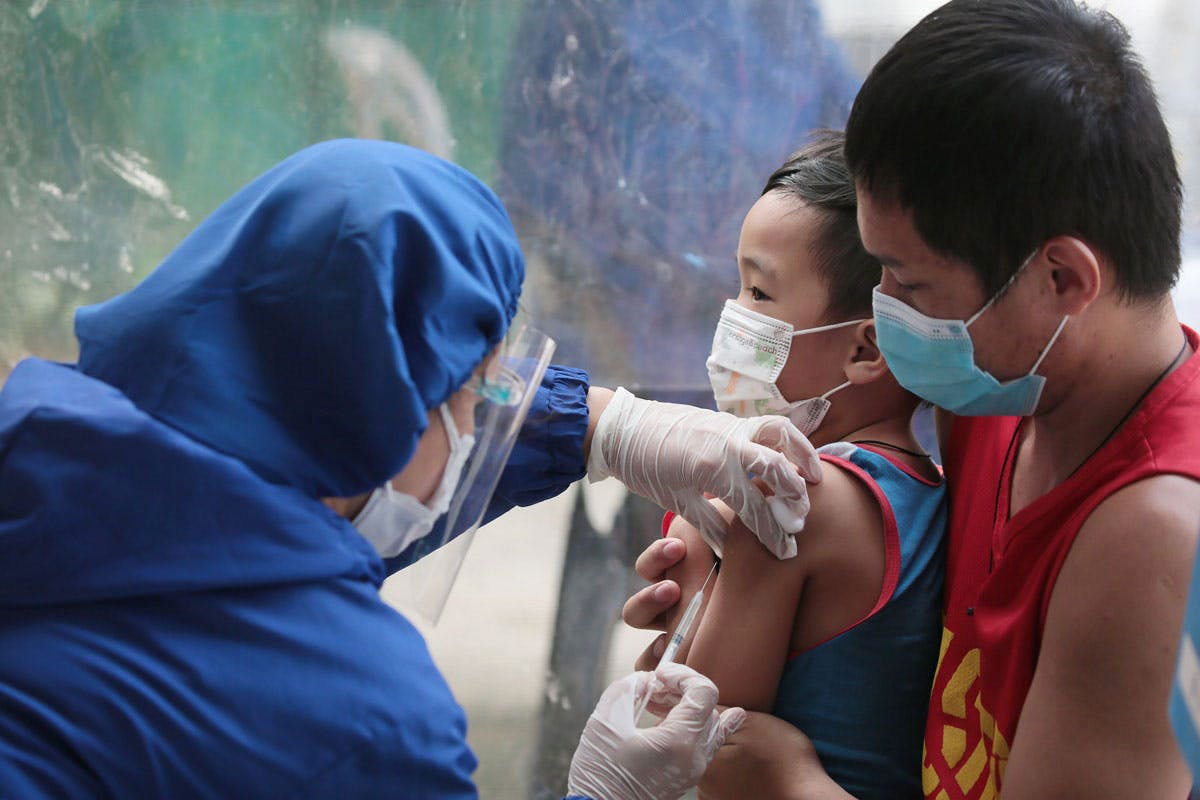
Measles and chikungunya – a mosquito-borne infection – are on the rise, adding to the country’s health concerns led by COVID-19 and dengue.
On Sunday, July 10, the Department of Health (DOH) recorded a sharp increase in measles cases nationwide, up by 90 percent to 212 cases compared to last year’s figure of 112 cases from Jan. 1 to June 11.
Based on the latest Measles Surveillance Report, no deaths among measles patients have been recorded.
Region 11 (Davao) posted the biggest number of cases with 38, followed by Region 4-A (Cavite, Laguna, Batangas, Rizal and Quezon or Calabarzon) with 24.
The National Capital Region (NCR or Metro Manila) and Regions 8 (Eastern Visayas) and 9 (Zamboanga peninsula) recorded 20 cases each.
Region 3 (Central Luzon) saw the biggest jump in cases to 12 from only two last year.
Last year, the DOH launched an intensified campaign to increase the number of children inoculated against measles and other vaccine-preventable diseases.
But the rate of immunization among children has declined as a result of the pandemic.
Another mosquito-borne infection also on the rise is chikungunya, which has infected 149 people nationwide from Jan. 1 to June 11, this year.
The DOH said this number is 263-percent higher or more than double the 41 cases recorded during the same period last year.
Chikungunya is a viral illness acquired by humans through the bite of infected mosquitoes. Like dengue, an individual infected with chikungunya also suffers from fever and severe joint pain.
The DOH’s monitoring showed that Calabarzon had the most number of chikungunya cases with 49, followed by Central Visayas with 38, and Davao region with 25.


 Run 3.jpg?w=320&h=200&auto=compress&fit=crop&q=50)

