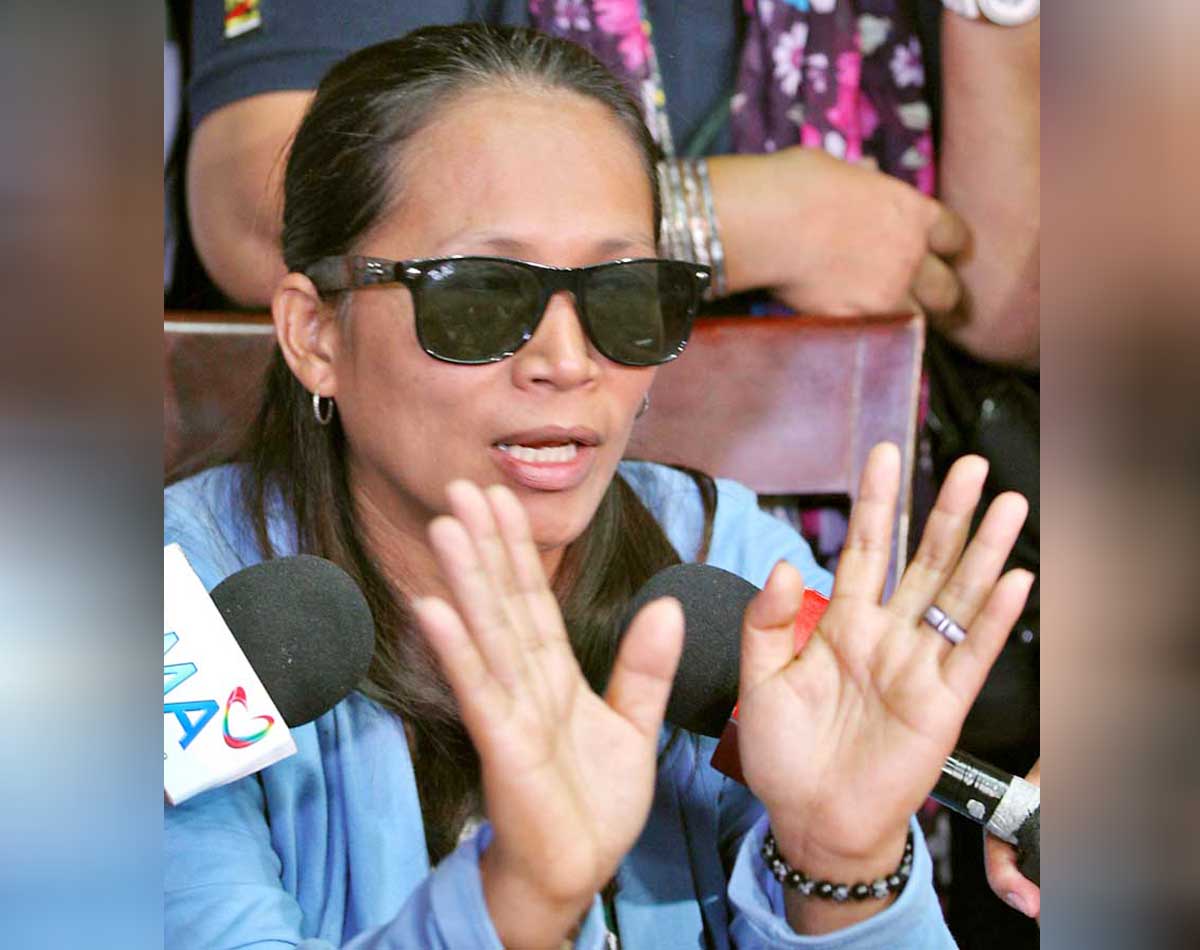



Mary Jane Veloso’s Struggle For Freedom Continues
The Filipina who landed in Indonesia’s death row for drug trafficking is hoping to be freed from prison following the stay of her execution in 2015.
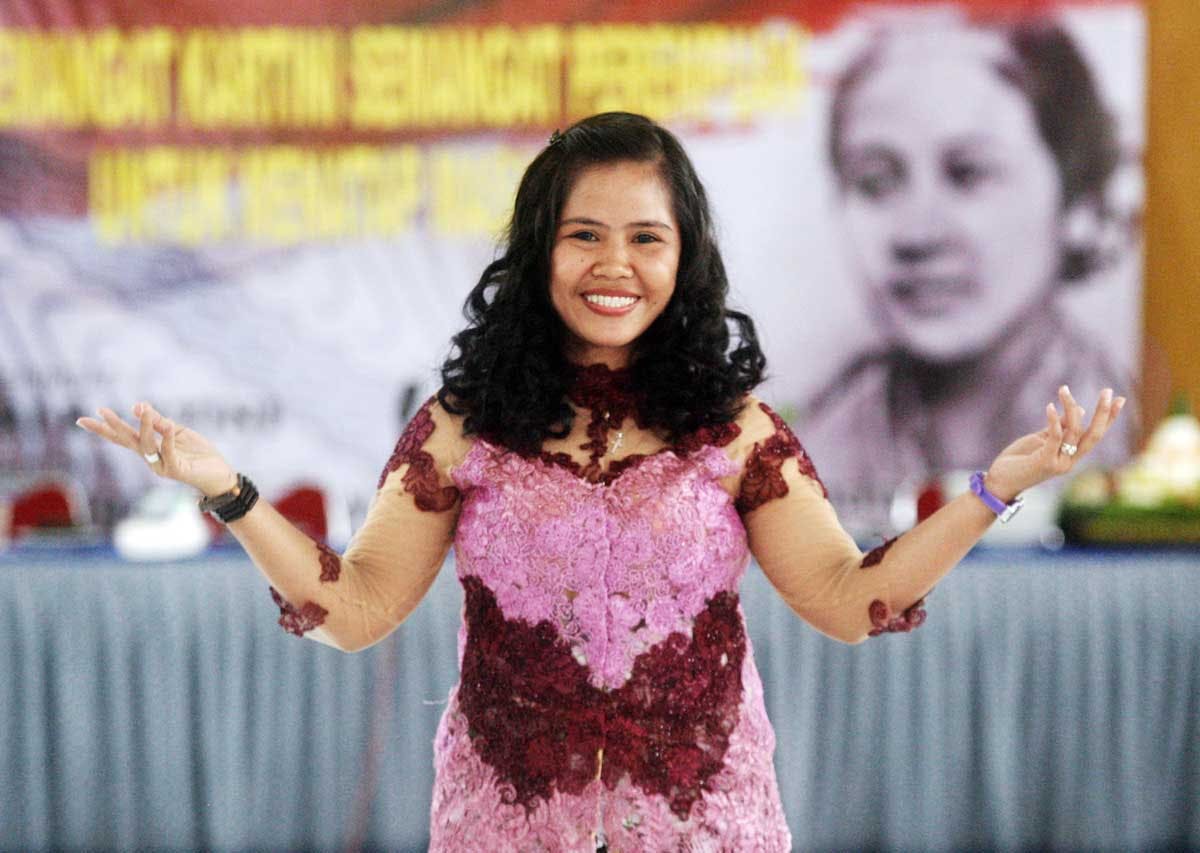
Remember Mary Jane Veloso? The nation sighed with relief when Veloso, a Filipina death row inmate in Indonesia, was given a reprieve by President Joko Widodo more than four years ago.
“We are relieved that the execution of Mary Jane was not carried out. The Lord has answered our prayers.” This was the Department of Foreign Affairs’ statement at around 2:30 a.m. on April 29, 2015 after Veloso was initially reported to have been executed but was actually spared upon the intervention of the Philippine government.
But her quest for freedom, not just from death row, continues following the stay of her execution.
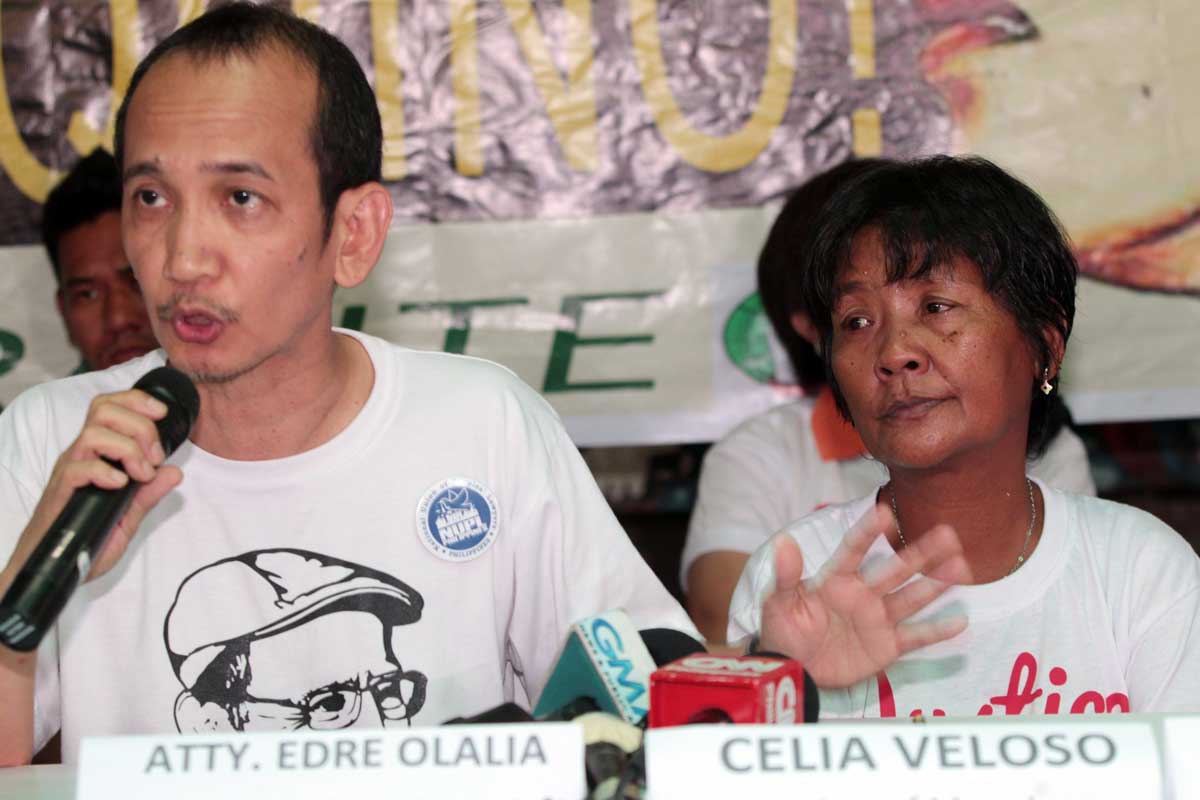
Edre Olalia of the National Union of People’s Lawyers (NUPL) believes there is a strong case for freeing Veloso, but it is important for her to be heard. Thus they are pushing for Veloso to be allowed to testify in a Philippine court that is trying her recruiter.
“Let her tell her story and decide if she is believable or not,” Olalia told The Philippine STAR in a phone interview on Sept. 26. It was supposed to be the deadline for the prosecution to wrap up its arguments before the Nueva Ecija Regional Trial Court (RTC) Branch 88, which is hearing the case even in Veloso’s absence.
Fortunately, Olalia said they were given until Oct. 28 to present either Veloso or her written deposition to be attested by Consul General Shirlene Mananquil of the Philippine embassy in Jakarta.
“We were able to argue and convince the court that we must be given a chance… so there will be no shadow of doubt,” Olalia disclosed.
According to Olalia, there are several ways by which Veloso can testify. In a resolution dated August 2016, Judge Anarica Castillo-Reyes of the RTC Branch 88 in Baloc, Sto. Domingo allowed the prosecution to take the testimony of Veloso against her alleged illegal recruiters by way of deposition.
Castillo-Reyes ordered the Philippine consulate in Indonesia to secure Veloso’s statement from her cell in Wirongunan Penitentiary in Yogyakarta, Indonesia.
Veloso was meted the death penalty in Indonesia following her arrest in April 2010 with 2.6 kilograms of heroin in her suitcase. She said she did not know about the illegal drugs as she was a victim of illegal recruitment in her hometown of Nueva Ecija.
The previous administration led by former president Benigno Aquino III had urged the Indonesian government to make Veloso a witness against her alleged illegal recruiters Ma. Cristina Sergio and Julius Lacanilao as well as the member of a drug syndicate who supposedly handed her the luggage containing the illegal drugs in Malaysia.
In December 2017, however, the Court of Appeals (CA)’s 11th Division reversed the RTC ruling and granted the petitions for certiorari and prohibition filed by Veloso’s alleged recruiters.
Sergio and Lacanilao argued that Veloso’s statement would violate their right to confront witnesses against them face-to-face as guaranteed under the Constitution.
In September 2018, Veloso’s parents Celia and Cesar, through the NUPL, asked the Supreme Court to reverse the CA ruling. They said it was wrong for the CA to show indifference to the “extraordinary and novel context” of the case and that there were cases wherein there was a lack of face-to-face confrontation between the accused and the accuser.
The SC has yet to rule on the petition.
Without an SC ruling, Olalia said they would present Consul Mananquil, who was not available on Sept. 26 but who can testify on Oct. 28 on the affidavit executed by Veloso.
“Indonesia is giving way to judicial processes of the Philippines,” Olalia noted.
Olalia said President Duterte could seek pardon for Veloso given that she is a victim and not the one involved in the illegal drug trade herself.
Duterte, who has been waging a bloody war against illegal drugs, was reported in 2016 to have told Widodo that Indonesian law should be allowed to take its course. Critics took it to mean that Duterte was allowing the execution of Veloso.
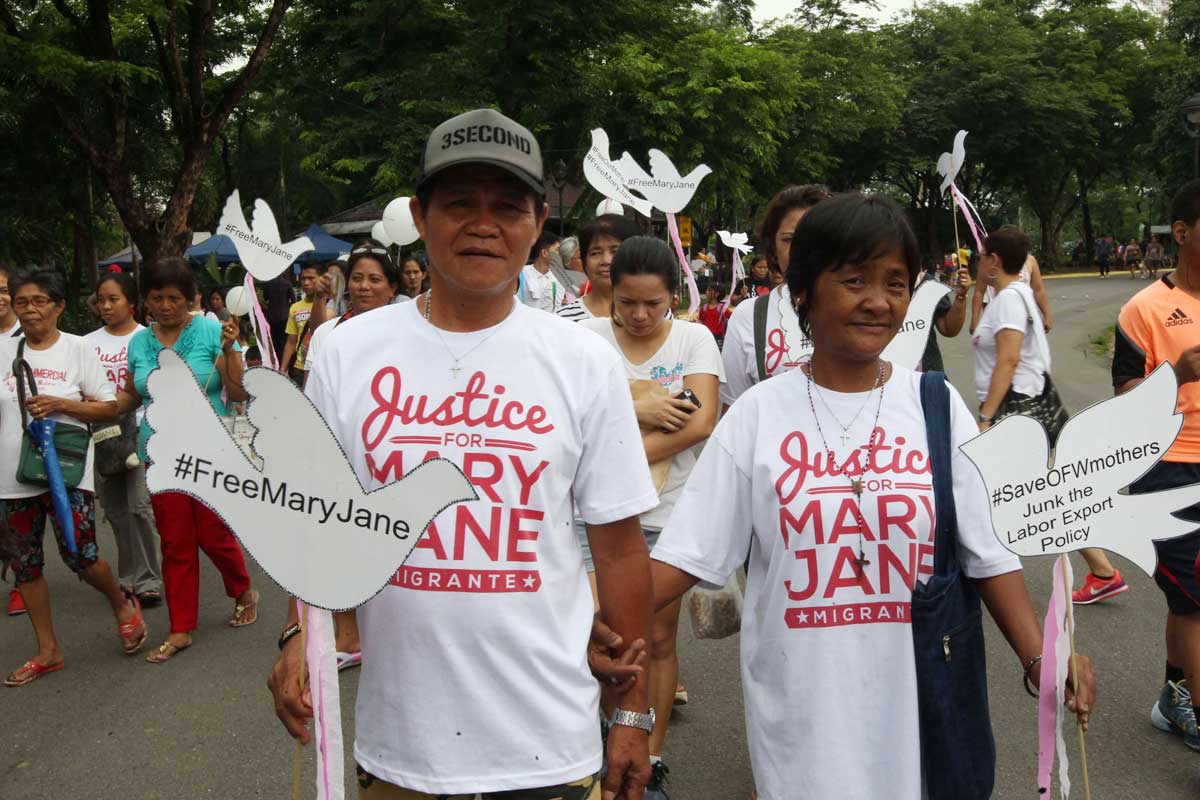
Without the current administration’s intervention, Olalia said the Indonesian government could grant permanent reprieve, pardon or amnesty or even commutation of service if it is established that she was a victim and unwitting drug courier.
He noted that Sergio herself, even as she tried to clear herself of the charges, had declared in her affidavit that Veloso was unaware that the suitcase contained illegal drugs.
Olalia pointed out that they were able to prove that Sergio and Lacanilao, who are detained in Nueva Ecija on large-scale illegal recruitment and other charges, traveled overseas five to seven times a year while claiming they were indigents needing the assistance of the Public Attorney’s Office.