



Many Filipinos Want Better Transport Solutions From Gov’t Amid The Pandemic – Study
A study on COVID-19 response by data analytics company agency WR Numero Research showed that 33 percent of Filipinos were either unhappy or very unhappy with the government’s actions to address transportation concerns.
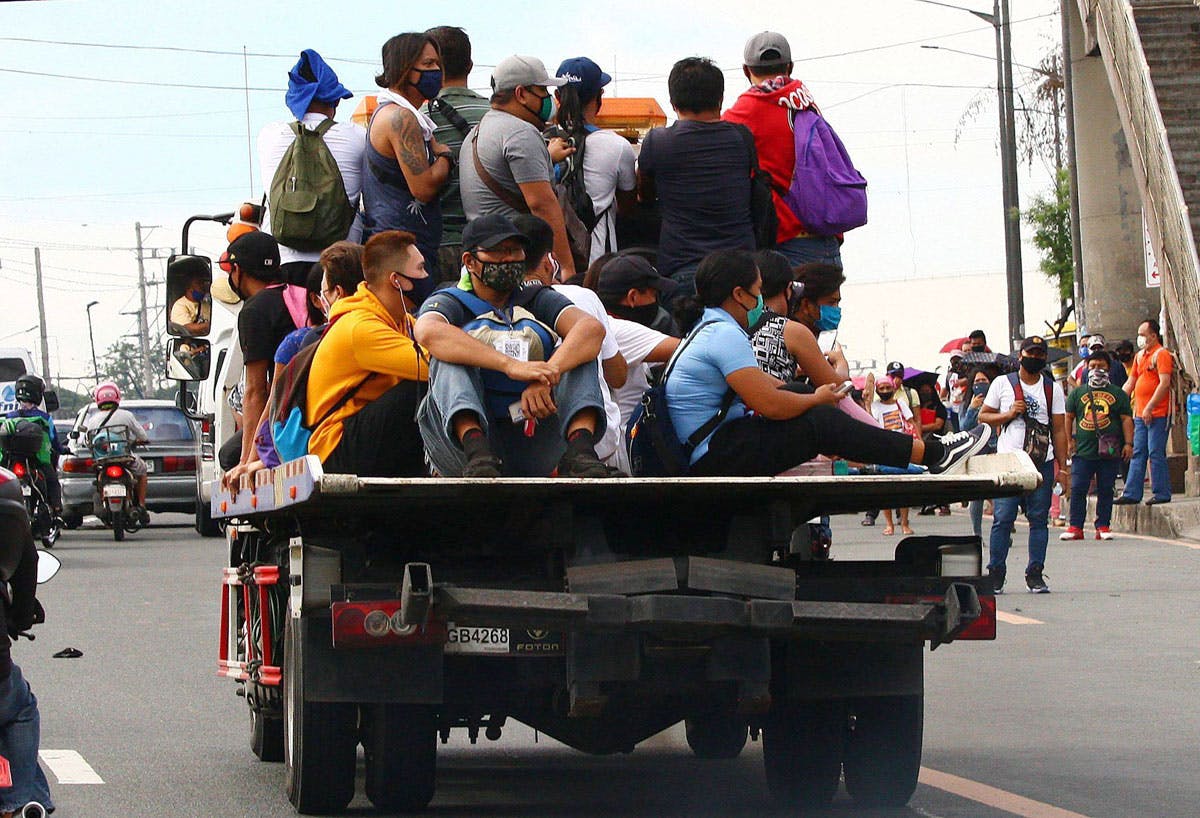
Reeling from the months-long shutdown of public transportation due to the coronavirus disease 2019 pandemic, over half of Filipinos are dissatisfied or unsure about the government’s policy to balance transport solutions and safety concerns, according to a study.
The three-part study on COVID-19 response by data analytics company agency WR Numero Research showed that 33 percent of Filipinos were either unhappy or very unhappy with the government’s actions to address transportation concerns.
Another 31 percent were unsure about the government’s actions on transportation issues.
There were 5,000 respondents in the nationwide mobile app-based survey conducted by the research firm from Oct. 12 to 17. This was the first part of the study on the COVID-19 response.
The second part showed that Filipinos not only want transport options, but also need to have their concerns on health implications answered.
This part of the study relied on digital listening and sentiment analysis software to collect and process data on social media platforms.
When asked for specific solutions, the study showed that 38 percent of Filipinos wanted the government to reopen more routes in Metro Manila as the center of economic activity.
Another 26 percent called for the resumption of provincial bus operations while another two percent called for the return of more public utility jeepneys (PUJs).
In this part of the study, 25 percent criticized the government and demanded more transport options while another eight percent went off-topic.
While they proposed to open more transport options, they were also apprehensive about some of the government’s moves to ease restrictions.
The third part of the study tackled increased passenger capacity in train lines. The results showed that 34 percent of Filipinos think the easing of physical distancing measures in trains would result in more COVID-19 cases.
Another 13 percent directly criticized the government for this measure, while the other 53 percent did not delve on the issue.
Support for transport stakeholders
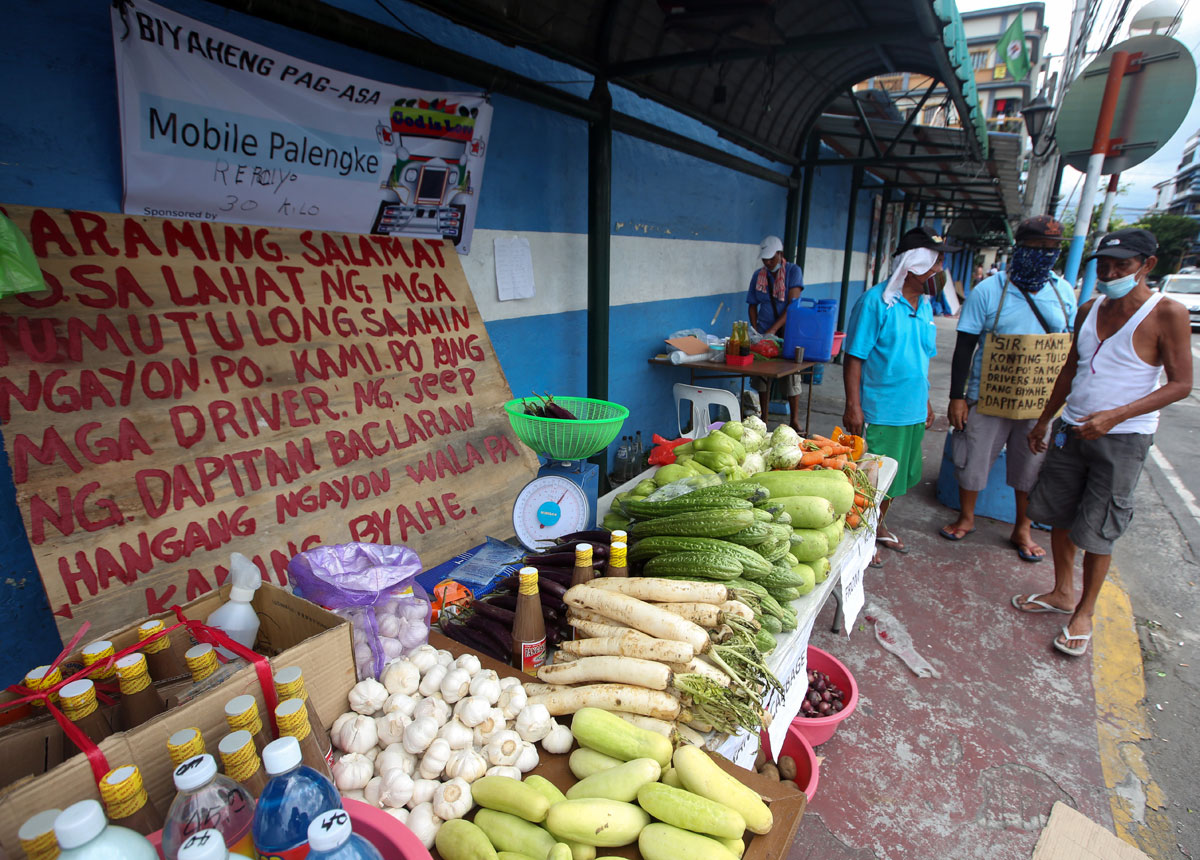
The last part of the study showed that Filipinos wanted more support for displaced transportation workers, especially jeepney drivers.
The study showed that Filipinos found insufficient the assistance given to drivers, one of the sectors worst hit by the economic impact of the pandemic.
Some respondents even accused government officials of pocketing funds that were intended as aid for affected drivers.
While most of the respondents sympathized with the plight of the jeepney drivers, some 31 percent also criticized the sector and said that they should seek other sources of income instead of depending on jeepney operations.
Since March, the country has been under different quarantine classifications. Mass transport services were suspended, but were eventually allowed to resume operations, although with limited capacity to prevent the spread of COVID-19.
What now?
WR chief executive officer Robin Michael Garcia said the study shows that there is heavy public demand for better policies on the part of the government as the nation grapples with a new normal amid the pandemic.
“As Filipinos adjust to the demands of the national health situation, they are also demanding for the government to do more to solve transport issues during the pandemic. They are expecting the government to adopt better policies and that these should be implemented properly,” Garcia said in a statement.
According to Garcia, Filipinos are clamoring for adequate, safe and efficient modes of transportation as the country tries to get back on its feet even as the pandemic continues.
The concerns of the general public in balancing mobility and health are not unfounded.
Even OCTA Research, which monitors COVID-19 transmission, said the reopening of more public transport options could trigger an increase in the number of COVID-19 cases.
To balance the two concerns of mobility and health, the government is depending on a new operational plan dubbed Oplan AIR, which aims to increase transport capacity as the country reopens economic activity.
AIR, which stands for Add routes, Increase speed/capacity, Reduce travel time, is the baseline of the Department of Transportation for public transport solutions.
This plan includes the reopening of more routes under the traditional transport modes while strictly adhering to health and safety protocols through the “seven commandments.” These are:
1. Wearing of face masks and face shields
2. No talking and making telephone calls
3. No eating
4. Keeping public utility vehicles well-ventilated
5. Conduct of frequent disinfection
6. Disallowing passengers with COVID-19 symptoms inside PUVs
7. Observing appropriate physical distancing
For land transportation, only about 40 percent of the industry has been reopened to serve the public.
To bridge this gap, the government has allowed the resumption of motorcycle taxi operations, but guidelines are still being threshed out.
Land transport options are also slowly being expanded by the government. As of last week, it has allowed the resumption of operations in Metro Manila for the following:
| Land transport | Routes | Units |
| Traditional PUJs | 322 | 28,720 |
| Modern PUJs | 48 | 845 |
| Public utility buses (PUBs) | 34 | 4,164 |
| Provincial PUBs | 14 | 305 |
| Point to point (P2P) buses | 386 | 34 |
| UV Express | 100 | 4,367 |
| Taxis | 20,927 | |
| Transport network vehicle services or TNVS | 24,356 |


