



LTO Wants No-Contact Apprehension Scheme Suspended
The Land Transportation Office is asking local government units to first fix rules in their no-contact apprehension policy, including stiff fines and the lack of stoplight countdown timers.
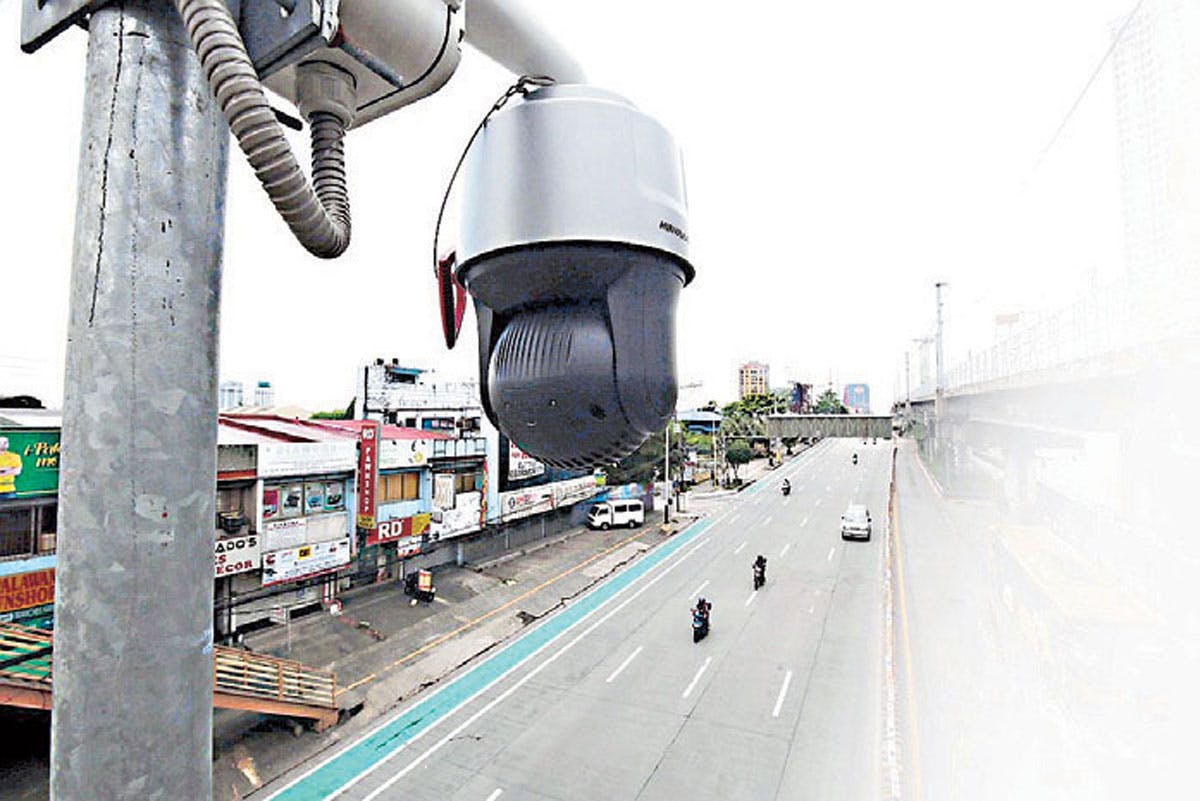
The Land Transportation Office (LTO) has asked local government units (LGUs) implementing the no-contact apprehension policy (NCAP) to suspend its enforcement while policy rules are being ironed out amid objections from public utility vehicle drivers and private vehicle owners.
LTO chief Teofilo Guadiz III said he wrote to several LGUs implementing the NCAP to meet with transport officials to fix rules in the policy that motorists found “objectionable” and to suspend implementation until these are ironed out.
“I sent the letter last Friday and I’m giving them three days to respond. If they don’t I’ll call them directly,” Guadiz said in an interview on “One Balita Pilipinas” aired over Cignal TV’s One PH on Monday, Aug. 8.
Guadiz said if the LGUs reject the LTO’s appeal, he will meet with Interior and Local Government Secretary Benhur Abalos and recommend a review and suspension of NCAP.
“Maybe we’ll look into meeting with the DILG secretary who has supervision over LGUs to look into this… We can appeal our request to LGUs with the DILG secretary if in case LGUs reject it. Maybe (the DILG) can refine and suspend the policy in the meantime,” he added.
Motorists are complaining about stiff fines even for minor infractions and the lack of stoplight countdown timers, which makes compliance difficult, especially along wide intersections.
Guadiz said among the changes LGUs need to implement in the policy are fixing their traffic infrastructure, which he believes need urgent action.
“We in LTO believe that they need to fix their traffic timers because some traffic lights don’t have timers and then when there are jams and they are caught in the middle of an intersection, they are fined,” he said. “It shouldn’t be that way, it’s not the motorist’s fault that he was caught in the middle of the road during a red light so there must be a way out of this.”
Meanwhile, the LTO chief said on their part, they will also fix issues on vehicle registration so operators who sold their PUV units would not shoulder the traffic fines of the new owners. The agency was also eyeing to impose measures that penalize PUV drivers who commit violations instead of placing the fines on their operators.
“Give us five days and we’ll release new guidelines but I’m reiterating my point – this is a project of LGUs. The LTO’s part in this policy is we are the repository of violations so violators can pay their fines,” he added.
The NCAP is a road safety and traffic management program being implemented by the local governments of Manila, Parañaque, Quezon City, San Juan and Valenzuela.
The Metropolitan Manila Development Authority also implements the NCAP along EDSA.
Manila to fix gaps
Manila Mayor Honey Lacuna vowed on Monday to fix the gaps in the city’s no-contact apprehension amid reports of hefty traffic violations.
In a dzRH interview, Lacuna said she will meet with the service provider and the city’s traffic and parking bureau to address complaints of unfair traffic violations, including those incurred by motorists who avoid potholes on the road.
“We will have a meeting this week to discuss our options that we can implement while there are problems,” Lacuna said in Filipino.
Regarding complaints of thousands in fines due to traffic infractions, Lacuna said this was because of a delay in the notice to motorists sent out by the Philippine Postal Corp.
“Upon validation, and because they were not able to pay the penalties immediately, the interests have piled up,” Lacuna said.
She said motorists can contest their fines before the Manila Traffic and Parking Bureau if they find these too excessive.
Lacuna made the statement about the NCAP amid complaints from transport groups that the fines imposed were too excessive even for minor infractions, problems involving the transfer of vehicle ownership and the lack of countdown timers at stoplights.
In the city’s Facebook page about the program, the Manila Traffic and Parking Bureau showed data that there was a 90 percent decline in traffic violations from February 2021 to June 2022 due to the program. – With Marc Jayson Cayabyab


