



Gov’t Helpless Versus Text Scams, Data Breaches – DICT Chief
“It is really difficult to pinpoint where these data breaches exactly came from. There could be a leak,” Information and Communications Technology Secretary Ivan Uy said.
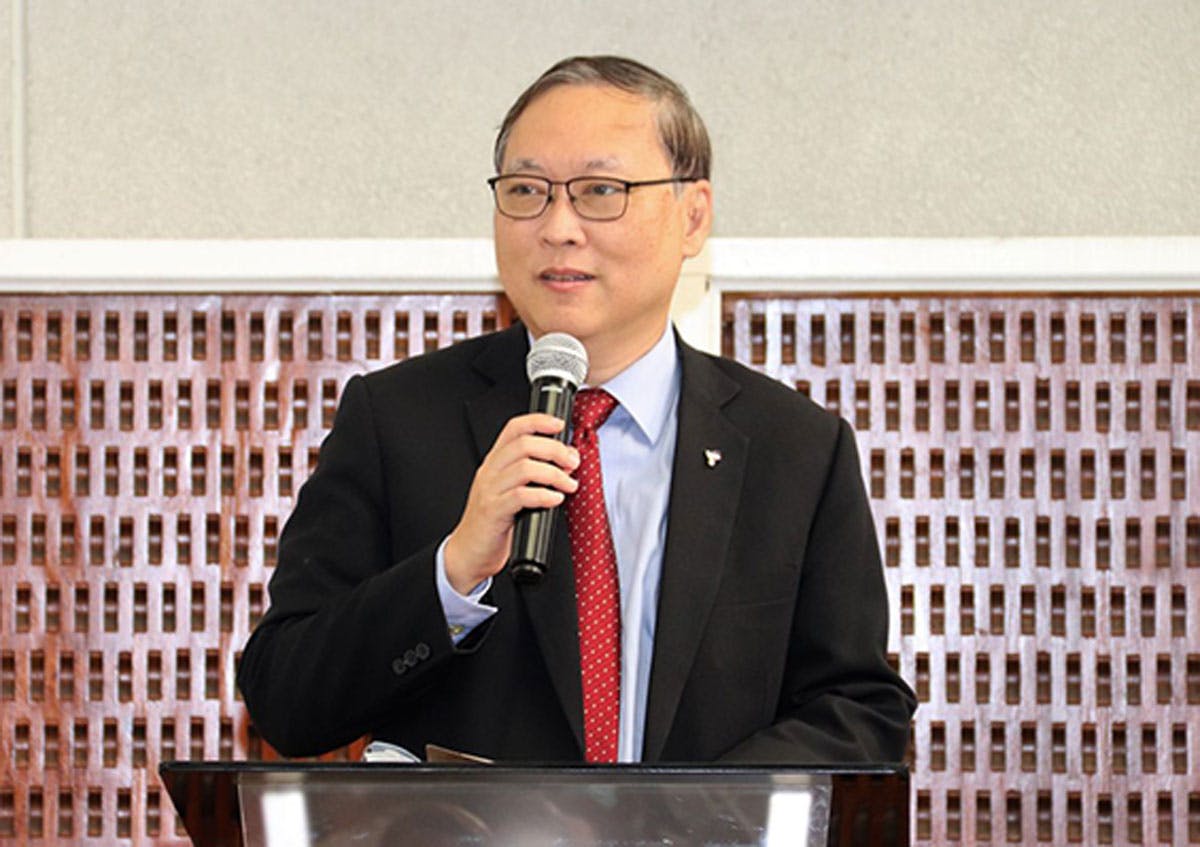
With spam text messages now bearing the full names of mobile subscribers, the chief of the Department of Information and Communications Technology (DICT) has acknowledged that the government is helpless in tracing the culprits behind the breaches in data privacy.
“It is really difficult to pinpoint where these data breaches exactly came from. There could be a leak,” DICT Secretary Ivan Uy told the House committee on information and communications technology on Monday, Sept. 5.
The panel chaired by Navotas Rep. Toby Tiangco conducted an organizational meeting and invited DICT officials to explain the deluge of text scams and spam messages being received by mobile subscribers.
Uy admitted that it is really hard to trace spam text messages.
He assured legislators that the DICT is working with messaging apps and online wallet digital companies to find the culprits behind the leak of the mobile users’ personal information.
Albay Rep. Joey Salceda, chairman of the House committee on ways and means, said he believes that the Data Privacy Law had been breached.
Salceda pushed for the passage of the proposed subscriber identity module (SIM) card registration bill authored by Speaker Martin Romualdez to prevent mobile subscribers from receiving spam text messages.
Kabataan party-list Rep. Raoul Manuel, however, said a mandatory registration of SIM cards is not the only solution to text scams, considering that the country does not have state-of-the-art technology to prevent digital crimes.
“While I agree that phones should not serve as a tool for crimes and terrorism, the proposed SIM Card Registration law should not be used for other purposes, especially that mobile phones are being used for a lot of things nowadays, including financial transactions,” he said.
“The mobile numbers are under the control of network service providers, and given that we don’t have a strong cybersecurity mechanism in place, our personal data could be used by other people. There could be a leak,” Manuel pointed out.
Registration
Senate President Juan Miguel Zubiri said the passage of the proposed SIM Card Registration Act is expected to be swift in the Senate given the strong support for the measure from senators, many of whom have been receiving spam and scam text messages.
The bill was passed both in the Senate and the House of Representatives in the immediately preceding 18th Congress but was vetoed by then president Rodrigo Duterte.
“Let’s end these spam messages and text scams so let us pass the law requiring all consumers or buyers of SIM cards to register with government-issued IDs,” Zubiri told reporters.
Telco’s anti-fraud systems
The country’s two largest telco providers have invested more than P4 billion to improve their cybersecurity infrastructure, assuring clients that their respective networks are protected from the threat of data breach.
In separate statements, PLDT Inc.’s wireless subsidiary Smart Communications Inc. and Ayala-led Globe Telecom Inc. committed to enhance their cybersecurity features to protect customers from the deluge of text scams.
PLDT first vice president and chief information security officer Angel Redoble said the firm spent about P3 billion on anti-fraud systems last year as part of efforts to safeguard users from digital crimes.
Redoble said Smart’s database, including personal and sensitive information of its subscribers, remains intact.
He added that the recent spate of text scams appears to use the naming style of certain apps, although he stopped short of mentioning which digital services these are.
“These messages do not originate from aggregators or their customers. There is no evidence to suggest breach in our systems that would have given the perpetrators the access to the mobile numbers and names of our subscribers,” Redoble said.
“Upon scrutiny of the spam messages, we have observed that the format of the names mimics the naming conventions used in popular digital services,” he added. – With Paolo Romero, Sheila Crisostomo, Elijah Felice Rosales, Emmanuel Tupas


