


Feeding Program Flagged For ‘Expired, Rotten’ Food, Milk
The survey on the implementation of the school-based feeding program yielded negative feedback from parent-respondents, such as receiving spoiled milk and expired food products.
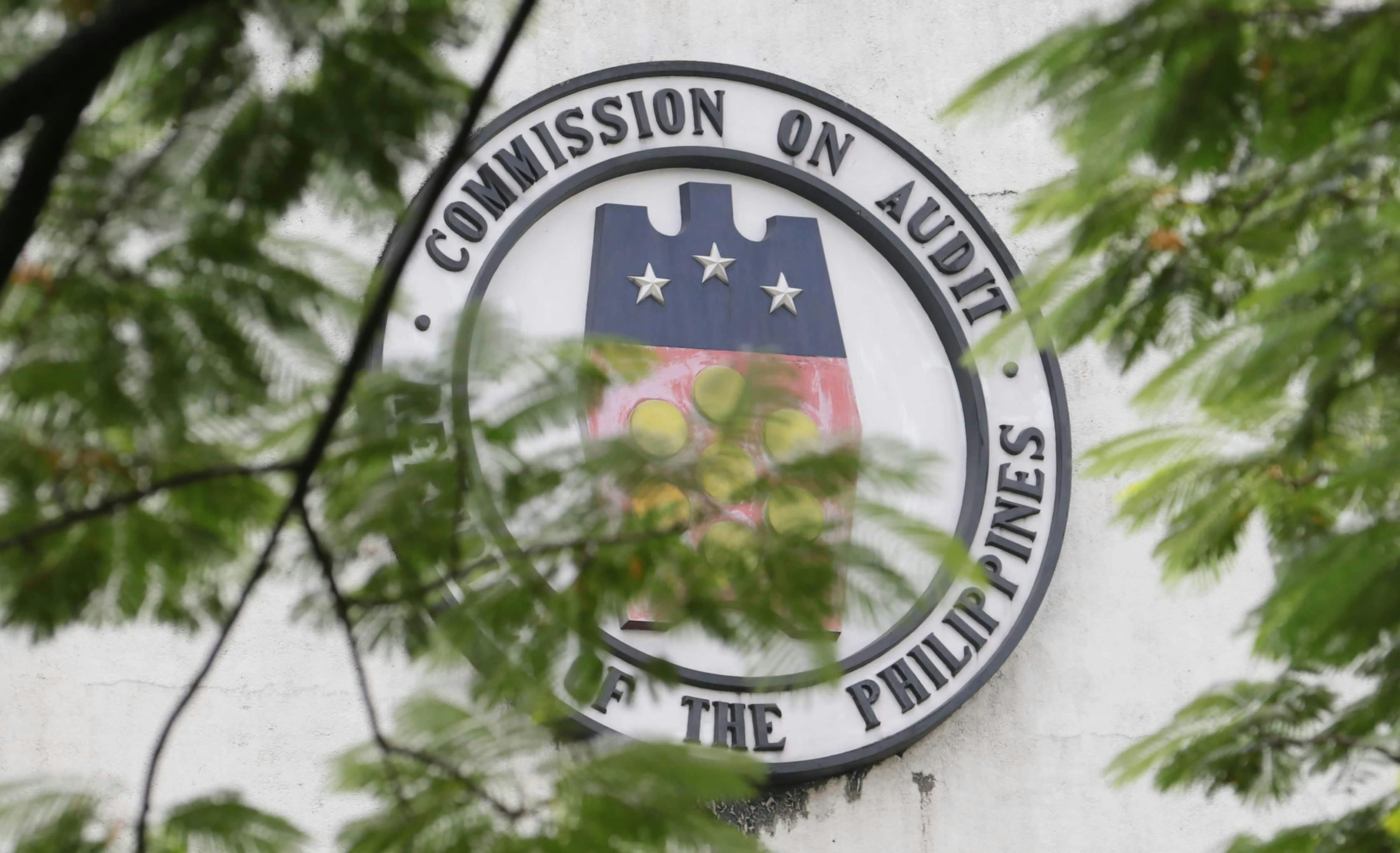
The Commission on Audit (CA) has described the food and milk distributed in at least two provinces in Luzon for the Department of Education’s School-Based Feeding Program (SBFP) as “expired and rotten.”
In its 2021 annual audit report on DepEd, the COA flagged the DepEd over the expired items in Region 1 (Ilocos) under Pangasinan II-Schools Division Office and Region 3 (Central Luzon) under the Pampanga SDO.
“The survey on the implementation of the program yielded negative feedback from parent-respondents, such as... spoiled milk and expired food products,” the COA said of the audit team’s observation on the Pangasinan SDO.
Still on the Pangasinan SDO’s implementation of the SBFP, the audit body said that there were also complaints that the “quality of the food products was not satisfactory,” such as “bitter taste of calamansi juice” and “hard texture of bread – nutribun.”
The COA said that the audit team also observed “inconsistencies” in the manufacturing dates and expiration dates of milky buns.
“Inspection of Milky Buns delivered on November 22 to 23 revealed that some milky buns have manufacturing dates later than the actual date of delivery,” the COA said.
The COA said that suppliers also failed to comply with the DepEd requirement that the food items shall be delivered to the school at least five days before the expiry date.
As for Pampanga SDO, the COA said that “inspection conducted by the Audit Team disclosed unclaimed food packs despite coordination by teacher-coordinator with parents hence, the items became expired and rotten.”
Furthermore, the COA said that out of the P44.959 million that the Pampanga SDO transferred to Philippine Carabao Center (PCC) for the supply and delivery of pasteurized milk, P22.679 million remained unliquidated as of Dec. 31, 2021.
“Inquiry with the Division Accountant revealed that the aforesaid amount remained unliquidated as of year-end due to the delayed transfer of the fund to the Implementing Agency,” the COA said.
Meanwhile, in Region 10 under Bukidnon SDO, the audit team observed that the deliveries of enhanced nutribun or E-Nutribun and milk were not subjected to random inspection for quality.
The COA said that a random check by the audit team showed that milk products had no labels or “dates of production and expiration.”
Meanwhile, P10.88 million worth of food packs were reported “unclaimed or undelivered” in the SDOs of Baguio City, Cauayan in Isabela, Pampanga, Agusan del Norte and Cabadbaran City
The audit body also flagged several DepEd SDOs over “non-compliance with reportorial requirements” in connection with their disbursement of SBFP funds totaling P108.134 million.
The Davao City SDO was flagged for disbursements totaling P89.775 million amid “non-adherence to the operational guidelines on the implementation of the SBFP for SY (School Year) 2020 to 2021.”
The Bulacan SDO was called out over failure to submit liquidation reports on nutritional food packs totaling P6.31 million, while Northern Samar SDO’s fund transfers amounting to P6.38 million for the supply and delivery of pasteurized milk had incomplete documentation.
The COA also reported that the Baybay City SDO’s distribution of fresh milk-based products amounting to P3.17 million was doubtful due to improper documentation.
Likewise, state auditors called out the Panabo City SDO over its failure to submit liquidation documents for food procurement amounting P2.48 million.
In Cauayan City, Isabela, the COA said that the “delivery of food items was incomplete by 52,380 pieces of banana (saba) and 48,015 pieces of large fresh eggs, depriving the learners the complete provisions of food during the period of [feeding] program implementation.”
All the flagged SDOs committed to review their respective feeding program implementation and to address adverse observations raised in the audit report.
Slow implementation
Last month, the DepEd issued an order extending the implementation of its school-based feeding program after several SDOs encountered delays in the procurement and distribution of food and milk products.
Vice President and Education Secretary Sara Duterte issued a department order extending the period of implementation from the suggested April to July to September to November.
Data as of June 30 showed that less than half of the target beneficiaries this year have completed the school-based feeding program and its milk component.
According to DepEd, only 28.59 percent of the more than 3.4 million target beneficiaries have completed the 30-day feeding program, with another 33.57 percent undergoing feeding.
Some 37.84 percent or about 1.3 million students have yet to fed as of June 30, the order read.
Meanwhile, for the milk component, the DepEd said only 17.49 percent completed the 16-day program during the said period.
Another 16.55 percent taking part in the program at the time while 65.96 percent or about 2.09 million target beneficiaries have yet to receive milk.
“The implementation period for FY (Fiscal Year) 2022 funds is recommended from April to July 2022. However, for schools division offices having issues and concerns with the program, the period of implementation for both NFP (nutritious food products) and milk shall be extended from September to November 2022,” read Duterte’s order.
Payment and liquidation will be until December, it added.
A total of P3.321 billion was allocated for the school-based feeding program this year, with target beneficiaries set at 3,482,031 for the main component and 3,456,105 for the milk component.
The DepEd previously allowed schools to come up with various distribution schemes to ensure that student beneficiaries still receive the food and milk even without face-to-face classes.
In the latest supplemental guidelines for the program, the agency allowed SDOs to develop or localize their own technical specifications for the nutritious food products provided that these do not go below those set by the DepEd it is previous orders.
SDOs were also directed to conduct a second supply mapping activity among local dairy producers to establish the possible volume of milk that can be supplied to the agency during the implementation of the program.
“If after the milk supply mapping, and the SDO still has no commitment or insufficiency supplied by local dairy producers, the SDO may proceed to procure powdered/sterilized/ready-to-drink milk from commercial sources subject to (certain prerequisites),” it added.


