



DOST Won’t Support Study On Ivermectin; Manufacturer Says It Has 'Very Little To No Effect' On Viruses
According to Science and Technology Secretary Fortunato dela Peña, clinical trial projects will require a minimum of six months and can extend to years.
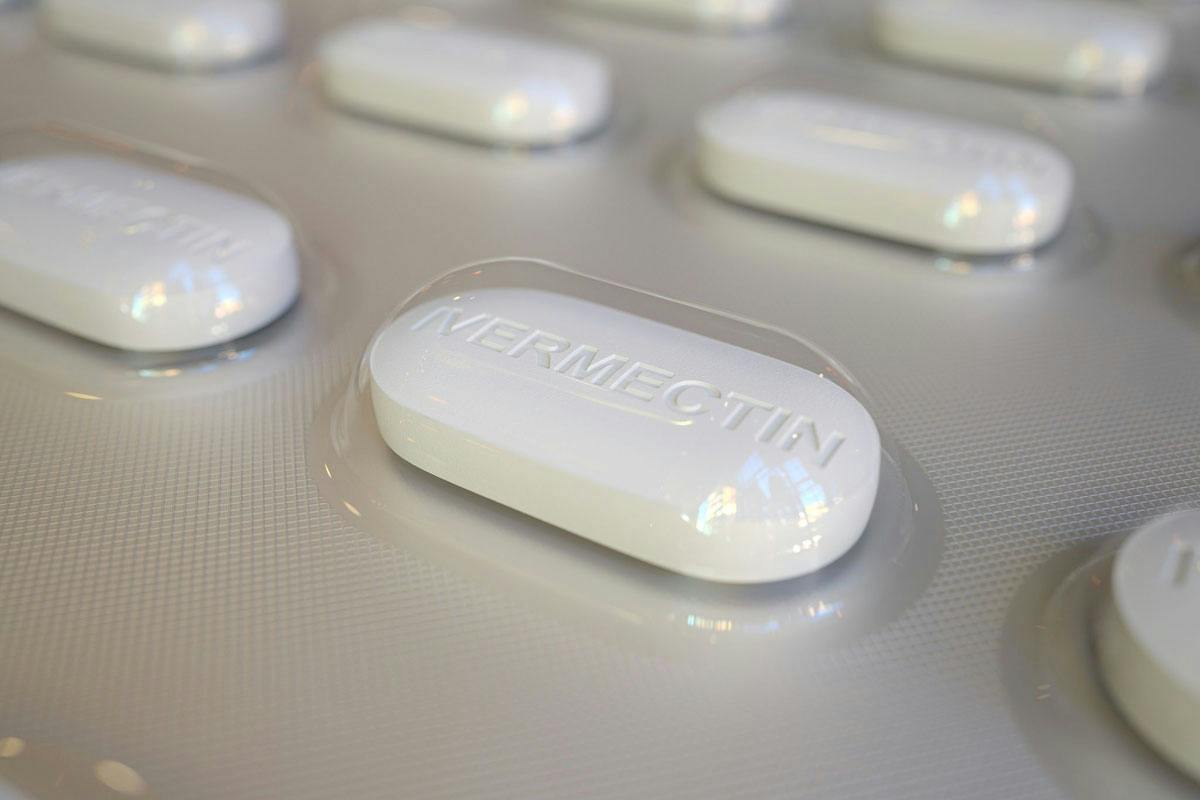
The Department of Science and Technology (DOST) will not support local research and development (R&D) on animal antiparasitic drug ivermectin in connection with its supposed ability to prevent or treat COVID-19, saying there are already numerous ongoing and completed studies abroad.
At the “Laging Handa” press briefing on Monday, April 12, DOST Secretary Fortunato dela Peña said they are also referring to the Department of Health’s (DOH) position on the results of the completed studies on ivermectin’s use for COVID-19.
“There is no clear position that says the drug can treat COVID-19,” Dela Peña told Presidential Communications Operations Office Undersecretary Rocky Ignacio, who hosted the virtual briefer.
“Usually, the statements (about the drug) are general. Some say it’s not clear or the data are not convincing. Others say it’s good,” Dela Peña said in Filipino.
“Experts in the scientific and medical field have already spoken. In the case of the DOST, our most common involvement is the development of diagnostic kits, disease models, drugs and adjunctive therapies, including the conduct of clinical trials whether it is for medicines or for vaccines,” he explained.
According to Dela Peña, clinical trial projects will require a minimum of six months and can extend to years.
“That is how long we have to wait to have results and conclusions. Considering, however, that there are almost 20 completed and 40 ongoing clinical trials around the world as reported, the government is exploring the use of ivermectin formulations against COVID-19. Our Philippine Council for Health Research and Development, which is our arm taking care of the health sector, is of the position that there is no need to conduct another clinical trial in the Philippines as most ongoing trials had already started since 2020,” Dela Peña said.
“It would be appropriate to await the results of these studies that are already significantly advanced in terms of data collection and conducting interim analysis,” Dela Peña added.
He, however, stressed that if the Food and Drug Administration (FDA) would ask the DOST’s assistance to conduct a local study on ivermectin, it would do so.
‘Very little to no effect’
In a related development, the manufacturer of ivermectin said the antiparasitic drug has “very little to no effect” on viruses even as some people, including doctors, believe that it could treat COVID-19.
Dr. Beaver Tamesis, president and managing director of Merck Sharp & Dohme (MSD) told “Agenda” on One News on Monday that “ivermectin is a fantastic antiparasitic agent,” but after repeated review of data as people keep saying that there “is evidence” that it works against COVID-19, he said: “I'm sorry, the levels of evidence do not come up to (standards).”
MSD is a Philippine subsidiary of Merck & Co. Inc., one of the world's leading research-driven pharmaceutical products company with its worldwide headquarters located at Kenilworth, New Jersey in the United States.
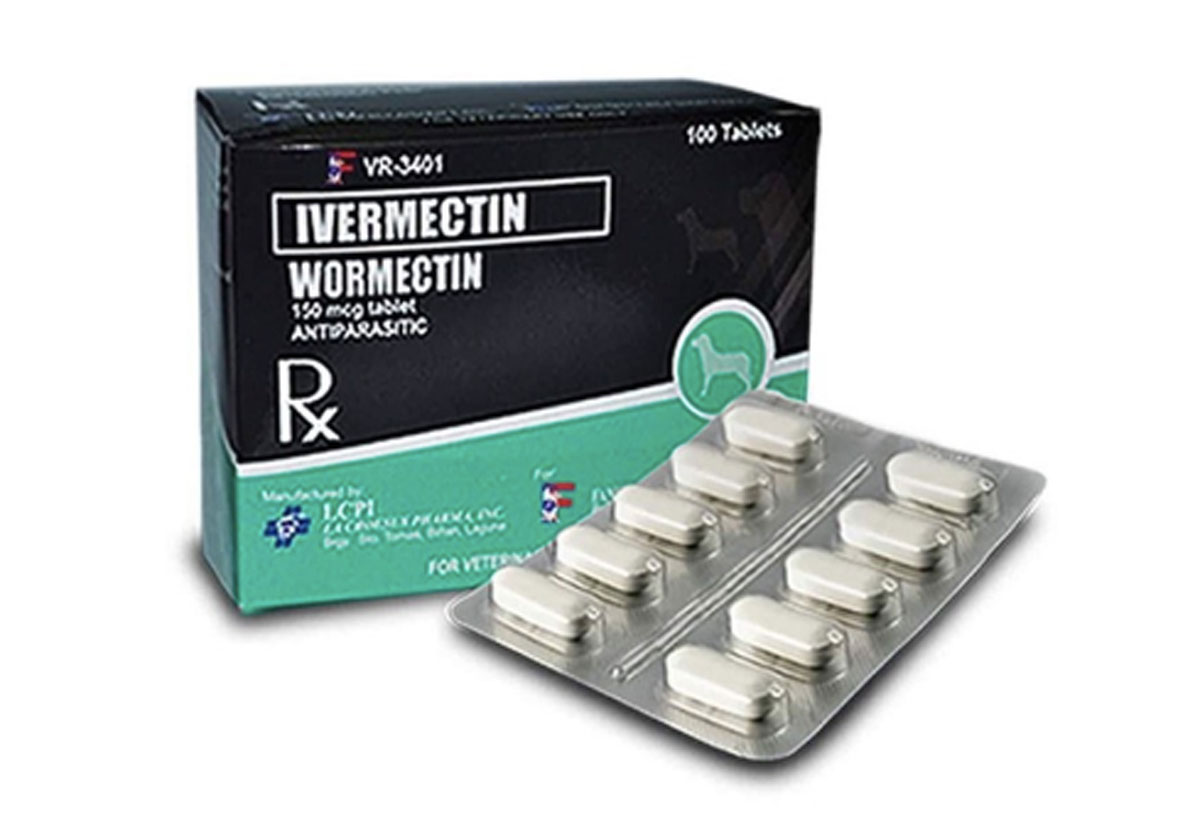
Ivermectin tablets are not approved by the FDA for prevention or treatment of COVID-19 but only for parasitic worms.
“Evidence is judged by the quality. You have an evidence pyramid where at the apex or the top of the pyramid, is [the] systematic review of quality randomized controlled trials,” Tamesis explained.
According to Tamesis, a randomized controlled trial or RCT is a clinical trial where an agent versus “placebo” or an inactive sugar pill is being tested to see if there is any difference in the effect in the treatment.
In this case, Tamesis said ivermectin is the agent, and the randomized control trials were so far showing “no difference” between a sugar pill and an agent in terms of COVID-19. “In terms of actually reducing symptoms of COVID or actually stopping the virus, I'm sorry, [there is no difference between the two]” he noted.
Earlier, the FDA and the Department of Health (DOH) said studies from the Philippine COVID-19 Living Clinical Practice Guidelines (CPG) Reviewers of a systematic review of six randomized controlled trials showed that ivermectin did not significantly reduce the risk of mortality among patients with mild to severe COVID-19 cases, and the duration of hospitalization and the time to resolution of symptoms.
They also said that ivermectin was not associated with a definite benefit of other clinically important outcomes such as clinical improvement at Day 6 to 10, clinical deterioration, and need for mechanical ventilation; and that the rate of hospitalization discharge did not differ significantly between the ivermectin group and the placebo group.
Tamesis said the reported effects of ivermectin on COVID-19 are likely a “placebo.” “It's great that they have perceived that they benefit [from] it. But I think we can call that a ‘placebo’ effect.”
A placebo is anything that seems to be a "real" medical treatment, but isn't.
On April 8, the FDA has granted a hospital compassionate special permit (CSP) to use ivermectin to treat COVID-19 patients.
In granting the hospital’s application for CSP to use ivermectin, the FDA said it does not guarantee the safety and efficacy of the product on humans afflicted with the coronavirus.
Tamesis emphasized that ivermectin is a “great agent” for parasites but not for viruses.
The FDA and the DOH said all current ivermectin products registered in the country are for veterinary use and are only allowed for the treatment of internal and external parasites as well as prevention of heartworm disease in animals hence the issuance of FDA Advisory No. 2021-0526.
On Feb. 4, Merck & Co. Inc., which manufactures ivermectin under the brand name Stromectol, released a statement saying there was “no scientific basis” for a potential therapeutic effect on COVID-19 from pre-clinical studies.
The company said its scientists were still examining the findings of all available and emerging studies of the drug for the treatment of COVID-19 for evidence of efficacy and safety.
There is also “no meaningful evidence” for a clinical activity or clinical efficacy in patients with COVID-19 disease, it said.
It further noted that there is “a concerning lack of safety data in the majority of studies.”
“We do not believe that the data available support the safety and efficacy of ivermectin beyond the doses and populations indicated in the regulatory agency-approved prescribing information,” the statement read.
During the hearing of the committee on the health of the House of Representatives on March 30, World Health Organization representative to the Philippines Dr. Rabindra Abeyasinghe stressed that “the issue with ivermectin is that based on that initial study and the currently available data, it is not strong enough for us to advocate the use of ivermectin for treatment or prevention of COVID-19.”
“What they are recommending is that we look at carefully planned, controlled clinical trials to have proof whether ivermectin works, and that is the global evidence that we have, not only from WHO but also from very stringent regulatory authority and medicines authority both in Europe and in North America,” Abeyasinghe told lawmakers.
“What we are actually creating is a false confidence in people that if they take ivermectin they are going to be protected and that could actually be harmful,” he added.
As debates continue over the use of ivermectin as a treatment for COVID-19, Anakalusugan party-list Rep. Michael Defensor earlier said that his office would distribute the veterinary medicine to Quezon City residents for free, especially to senior citizens and those with comorbidities.
Defensor, who is not a doctor, urged regulators to approve applications for compassionate use on the drug, claiming he got better when he took ivermectin when he tested positive for COVID-19.
The importation, trafficking, and distribution of unregulated medicines are illegal, according to Philippine laws.
The Philippine National Police has directed the Criminal Investigation and Detection Group (CIDG) to arrest people illegally selling ivermectin.
The directive was made after President Duterte ordered the PNP during a private meeting on COVID-19 concerns on March 24 to “arrest persons involved in the illegal sale and use of ivermectin and confiscate the same, subject to relevant laws, rules, and regulations.”