



DOH On Alert Versus ‘Walking Pneumonia’
Health Undersecretary Eric Tayag bared that a bacteria called mycoplasma pneumoniae causing “walking pneumonia” is now being checked at the Research Institute for Tropical Medicine.
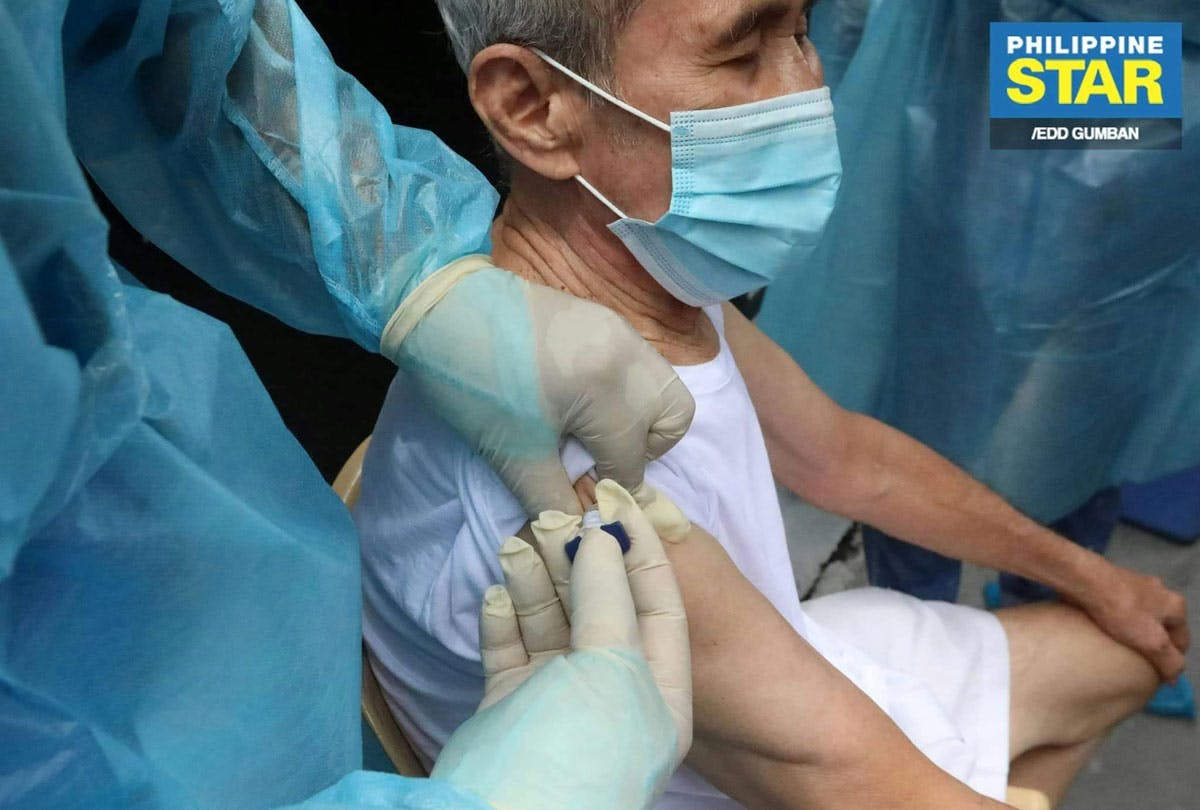
The Department of Health (DOH) is on guard against a pathogen called mycoplasma pneumoniae following a rise in cases of pneumonia in the country.
DOH Undersecretary Eric Tayag said the pathogen is now being checked at the Research Institute for Tropical Medicine.
Tayag told “One Balita Pilipinas” on One PH on Thursday, Nov. 30, that mycoplasma pneumoniae, a bacteria, is contagious and could lead to pneumonia or a certain type of bronchitis.
Tayag explained that the illness is called “walking pneumonia” because those with mycoplasma pneumoniae infection could perform their daily activities but an X-ray would show worse condition.
“Makikita mo na maayos naman ang lagay pero kapag ine-Xray mo matatakot ka sa makikita mo sa X-ray kaya walking pneumonia. Hindi katulad ng ibang pneumonia naoospital agad,” Tayag said.
In a separate radio interview, Tayag said “doctors don’t usually have this (type) of bacteria tested” and “once they suspect of such, they immediately recommend (the patients) to take antibiotics.”
Tayag said in China, the bacteria is 90 to “95 percent drug resistant.”
“This means that the antibiotics are not working; so many are hospitalized. We are having it checked now if that is also the case in the country… Another thing is that we don’t have such antibiotics for children less than eight years old. It is not recommended for them to take this medicine,” he added.
Tayag, also DOH spokesperson, noted that this type of bacteria is contagious even if there are no symptoms yet.
But he clarified that not all cases of pneumonia in the country were caused by mycoplasma pneumoniae and that there were not enough data to determine them because people would get tested as this could be costly.
“…it is not fatal for those infected with this kind of bacteria. It is called ‘walking pneumonia’ since those suffering from this illness can still continue with their everyday activities,” he explained.
He advised the public to wear masks or just stay at home if they have symptoms such as fever, cough and colds.
According to the Centers for Disease Control and Prevention, the mycoplasma pneumoniae bacteria can cause illness by damaging the lining of the respiratory system (throat, lungs, windpipe). It added that people could have the bacteria in their nose or throat at one time or another without being ill.
From January to October this year, a total of 158,762 pneumonia cases were reported through the DOH’s Field Health Services Information System. This is 45.68 percent higher than the 108,982 cases reported in the same period in 2022.
The DOH said it is continuously working to further mitigate cases in the country through strengthened monitoring, implementing catch-up immunization and outbreak response immunization strategies, especially in areas with increasing incidence of vaccine-preventable diseases.
Nothing to worry about
The DOH earlier allayed fears over the rising prevalence of respiratory diseases among children in China.
“There is no need for alarm; the government prioritizes the safety of the Filipino people,” the DOH said in a statement.
The surge in respiratory infections in China is linked to the easing of COVID-19 restrictions and the onset of the cold season, the DOH noted.
Amid the rising cases of flu-like illnesses in the Philippines, the DOH said there is no evidence of novel pathogens or atypical clinical presentations.
The public is advised to observe proper precautionary measures, including the use of masks for those with comorbidities and autoimmune diseases.
Meanwhile, Philippine Federation of Professional Associations vice president Benito Atienza said it is difficult to distinguish flu from COVID-19 without a swab test.
Atienza advised the public to seek medical attention if they have been experiencing flu symptoms for three days. – With Mayen Jaymalin


