



DepEd Names 14 pilot Schools For SHS Immersion Program
Under the new guidelines, students in the 14 pilot schools will undergo either 420 or 640 hours of work immersion, up from the current 80 hours, to ensure more in-depth training and exposure to actual workplace environments.
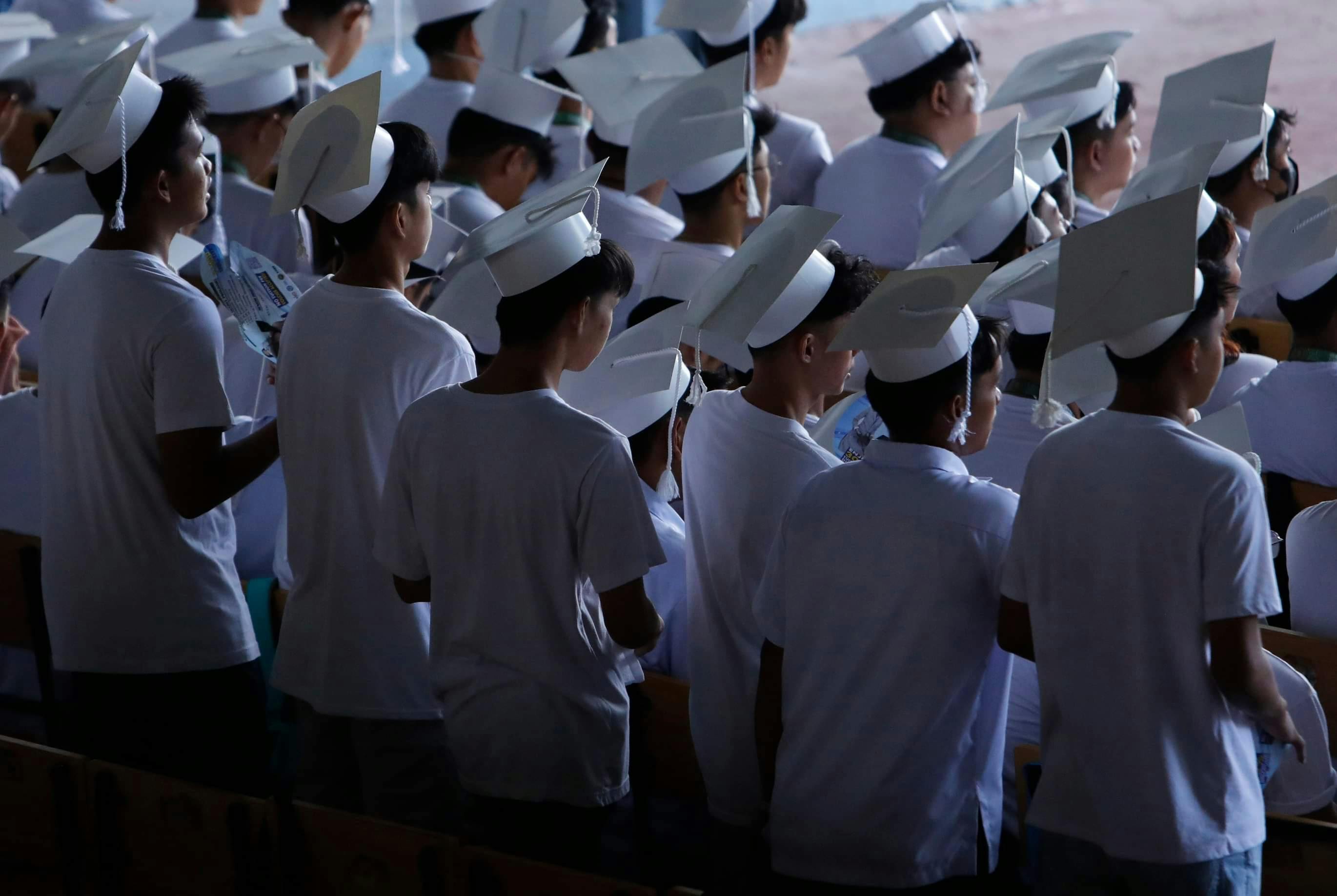
Education Secretary Sonny Angara has identified 14 schools selected for the pilot run of the enhanced Senior High School (SHS) work immersion program, which aims to improve the employability of K-12 graduates.
According to DepEd Memorandum 052, the identified pilot schools include four in the National Capital Region, three in Region 4-A and one each in Regions 1, 3, 4-B, 5, 7, the Cordillera Administrative Region and Region 11.
Under the new guidelines, students in the 14 pilot schools will undergo either 420 or 640 hours of work immersion, up from the current 80 hours, to ensure more in-depth training and exposure to actual workplace environments.
Among the schools chosen for the pilot implementation are Rajah Soliman High School and Science and Technology High School in Manila, Rizal High School in Pasig, Malanday National High School in Marikina and Tunasan National High School in Muntinlupa.
Other participating schools in Luzon include San Nicolas National High School in Ilocos Norte, Angeles City National Trade School in Pampanga, Tanza National Trade School in Cavite, Mamatid Senior High School in Cabuyao City and Santo Tomas National High School in Batangas.
Also selected are San Jose National High School in Occidental Mindoro and Ligao National High School in Albay for the Bicol region. Other pilot schools include Mandaue City Comprehensive National High School in Cebu, Baguio City National High School in the Cordillera region and Davao City National High School in Davao City.
Angara clarified that only these schools are covered under the pilot program as stipulated in the memorandum of agreement (MOA) between DepEd and the Private Sector Jobs and Skills Corp. (PCORP).
The guidelines issued do not apply to other SHS institutions. Field offices and participating schools were instructed to carefully review and implement the new program in close coordination with partner industries and stakeholders.
The implementation of the enhanced immersion guidelines will begin in school year 2025-2026 and continue through SY 2026-2027. It supports Republic Act 10533, or the Enhanced Basic Education Act, and is part of the government’s effort to help students build 21st-century competencies, lifelong learning habits and values necessary for employment, entrepreneurship or higher education.
Citing a Philippine Institute for Development Studies (PIDS) research in 2021 and 2024, Angara noted that many employers do not consider SHS graduates work-ready.
“Most firms perceive SHS graduates as not work-ready despite the prevailing requirement to complete at least 80 hours of work immersion. They believe this duration is insufficient for learners to apply their skills and develop the necessary competencies. The studies recommend a longer and competency-oriented work immersion to provide learners with relevant hands-on experience,” Angara said.
Echoing these findings, Angara noted that groups like the Semiconductors and Electronics Industries in the Philippines Foundation Inc. said the existing immersion period is too short to provide meaningful exposure to real workplace conditions and to help learners gain the technical-vocational-livelihood (TVL) skills needed to make informed career decisions.
“The Philippine Business for Education also suggested that the work immersion program must be enhanced to increase the opportunities for employment among SHS graduates,” he added.
In response to these findings, DepEd is proactively enhancing the employability of SHS graduates, especially those in the TVL track, by providing competency-based training that aligns with industry standards and certifications, as recommended by labor market studies.
To enhance the effectiveness of the program, DepEd signed a MOA with PCORP, a non-profit organization established by the President’s Private Sector Advisory Council-Jobs Cluster that gathers input from industry partners to help resolve the jobs-skills mismatch across the country.
“Through this partnership… the identified pilot schools will serve as the model schools for refining the program by identifying best practices, addressing challenges and issues, supporting data collection and evaluating implementation outcomes,” Angara said.
“The enhanced SHS Work Immersion Program should be able to integrate competencies aligned with industry demands, including digital literacy, automation and emerging technologies, to prepare learners for the evolving demands of the global workforce,” he added.


