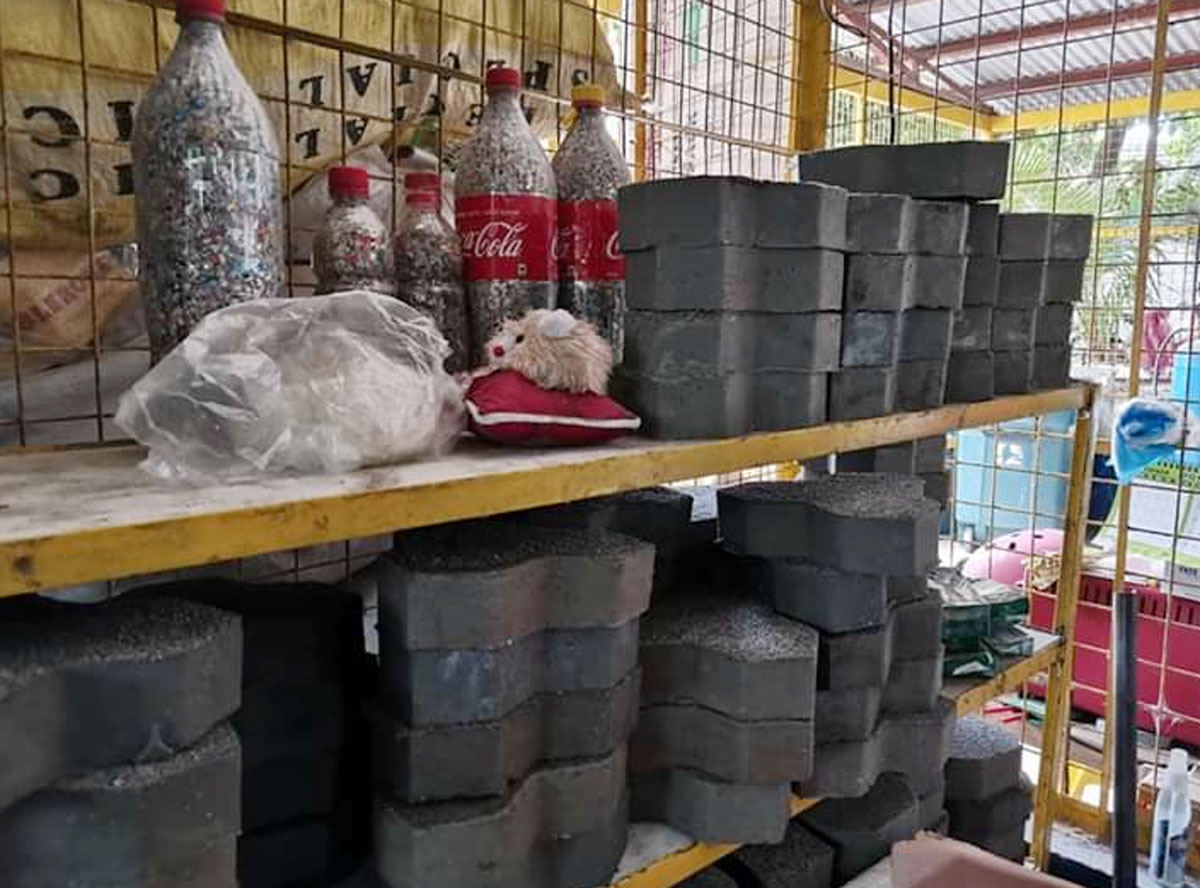



Coca-Cola Partners With LGUs, Other Groups To Collect ‘Every Bottle Back’ By 2030
Coca-Cola Company launched its World Without Waste program worldwide last year and also invested in a state-of-the-art plastic PET bottle recycling facility in the Philippines for a better waste management system.
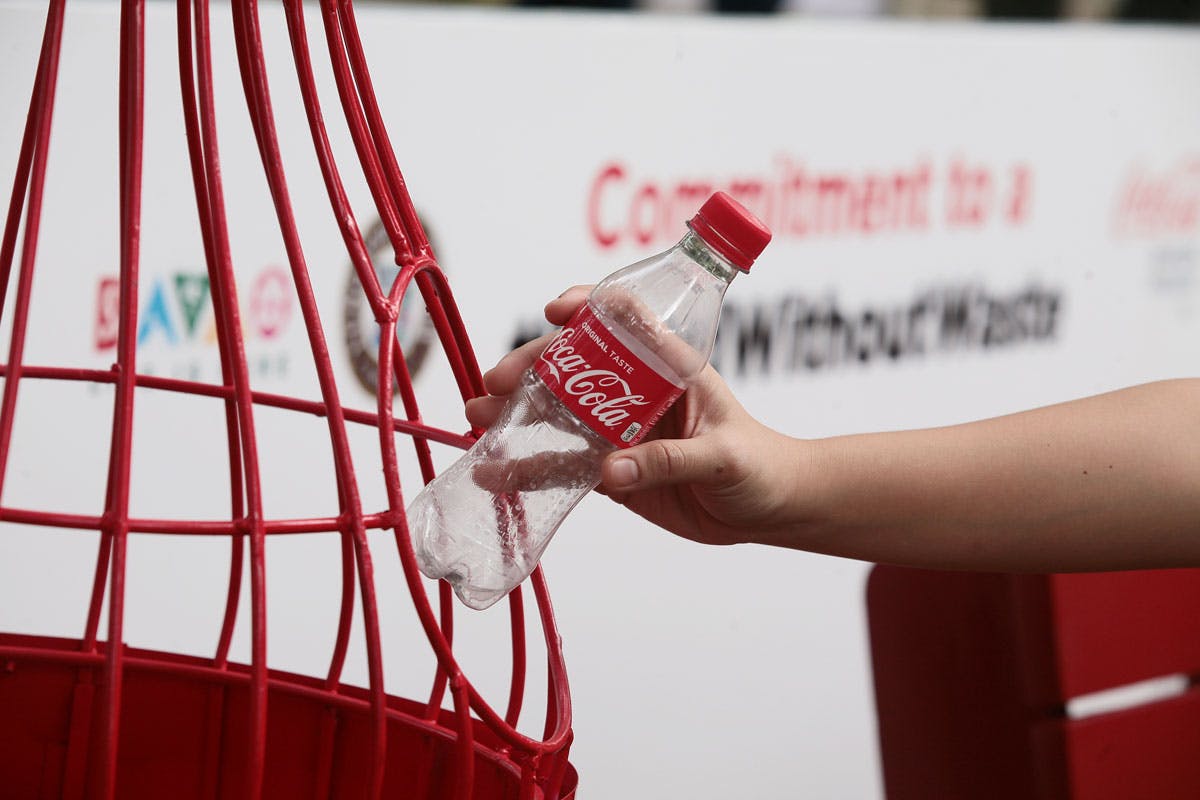
Last June, Coca-Cola Beverages Philippines Inc. announced that it is investing P1 billion in a recycling facility in the country to turn plastic bottles into new ones — the first to be set up by the company in Southeast Asia. The recycling plant in the Philippines will be operational by 2020.
Then in October, the Coca-Cola Company unveiled globally a sample bottle made using recovered and recycled plastics from the sea to demonstrate that, “one day, even ocean debris could be used in recycled packaging for food or drinks.” Coca-Cola has existing recycling plants in other countries like the United States.
The sample was the first-ever plastic bottle made using marine litter that had been successfully recycled and reused in food and drink packaging.
About 300 sample bottles were produced using 25 percent recycled marine plastic retrieved from the Mediterranean Sea and beaches.
“A small step for now,” it said, “but the technology behind it has big potential.”
According to Coca-Cola, enhanced recycling technologies use innovative processes that break down the components of plastic and strip out impurities in lower-grade recyclables so they can be rebuilt as good as new.
“This means that lower-grade plastics that are often destined for incineration or landfill can now be given a new life. It also means more materials are available to make recycled content, reducing the amount of virgin PET (polyethylene terephthalate) needed from fossil fuels, and resulting in a lower carbon footprint,” the company noted.
Also in October, Coca-Cola Company and other leading beverage companies in the United States — Keurig Dr Pepper and PepsiCo — launched the “Every Bottle Back” initiative, a breakthrough effort to reduce the industry’s use of new plastic by making significant investments to improve the collection of valuable plastic bottles so they can be made into new ones.
It was in January 2018 when the Coca-Cola Company announced that it was fundamentally reshaping its approach to packaging through its World Without Waste program.
Coca-Cola Philippines’ public affairs and sustainability director Jonah De Lumen-Pernia explained that Coca-Cola does not want its bottles to end up in landfills, the oceans or elsewhere, and instead wants them recycled.
The target is to have “every single bottle (that) we put out in the market back” by 2030.
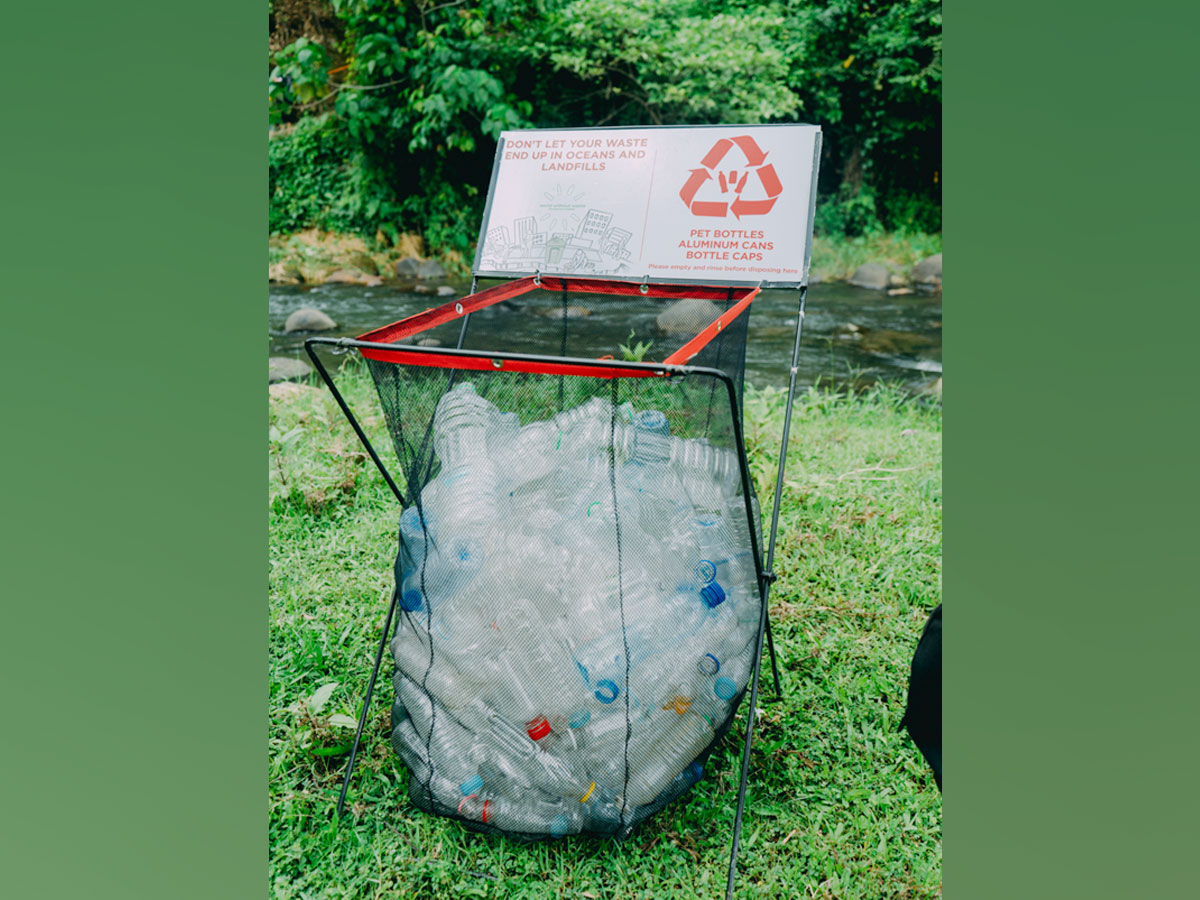
According to Lumen-Pernia, Coca-Cola is focused on new design, collection, reduction, reuse and recycling of its plastic bottles.
Sprite, for instance, is now in clear instead of green bottles so these can be recycled into food-grade plastic. The 500-milliliter Sprite bottles are made of recycled materials.
Lumen-Pernia explained that green or colored bottles can be recycled as well, but cost cheaper because these cannot be converted into food-grade plastic. “It can only be used for fabric... like what you see in the junk shops, (the materials are segregated). That is a big part.”
She also said there’s a reason why the bottles seem “too flimsy” — the company is reducing the use of plastic packaging by 50 percent.
“On the reuse, not many realize that here in the Philippines, 50 percent of our business is still in… returnable glass bottles. When you go to the sari-sari stores, that’s still the packaging that we use. When you look at the total carbon footprint, returnable glass bottles and recycled plastic are still the best in terms of carbon footprint,” Lumen-Pernia noted.
Carbon footprint — or the impact of an activity on the environment — measures the greenhouse gases that one creates. Common activities like using electricity and driving a car emit those gases.
‘Every bottle back’
Asked why Coca-Cola is on the list of top plastic polluters despite its efforts geared toward a more efficient and environment-friendly use of plastic, Lumen-Pernia thinks it could be due to the sheer size of the company’s market share.
“We are the biggest in the beverage industry so we are also attacked for (the plastic use and litter),” she said in a recent visit to The Philippine STAR in Manila.
Lumen-Pernia noted that Coca-Cola is working with many local government units (LGUs) and communities to collect their bottles.
“We are active now in provinces in terms of collection and recycling mechanisms,” she stressed.
The collectors are trained and given bicycles to replace their improvised carts in getting discarded newspapers and bottles in communities.
“When you look at the recycling industry in the Philippines, the lifeblood of it are these collectors, but they have poor working conditions. So we are working with Coca-Cola Foundation to help them,” Lumen-Pernia pointed out.
One project that Coca-Cola Foundation supports is called Balik Plastic or Blastik. It follows the “full-circle” approach to ensure that the packaging will not be put to waste.
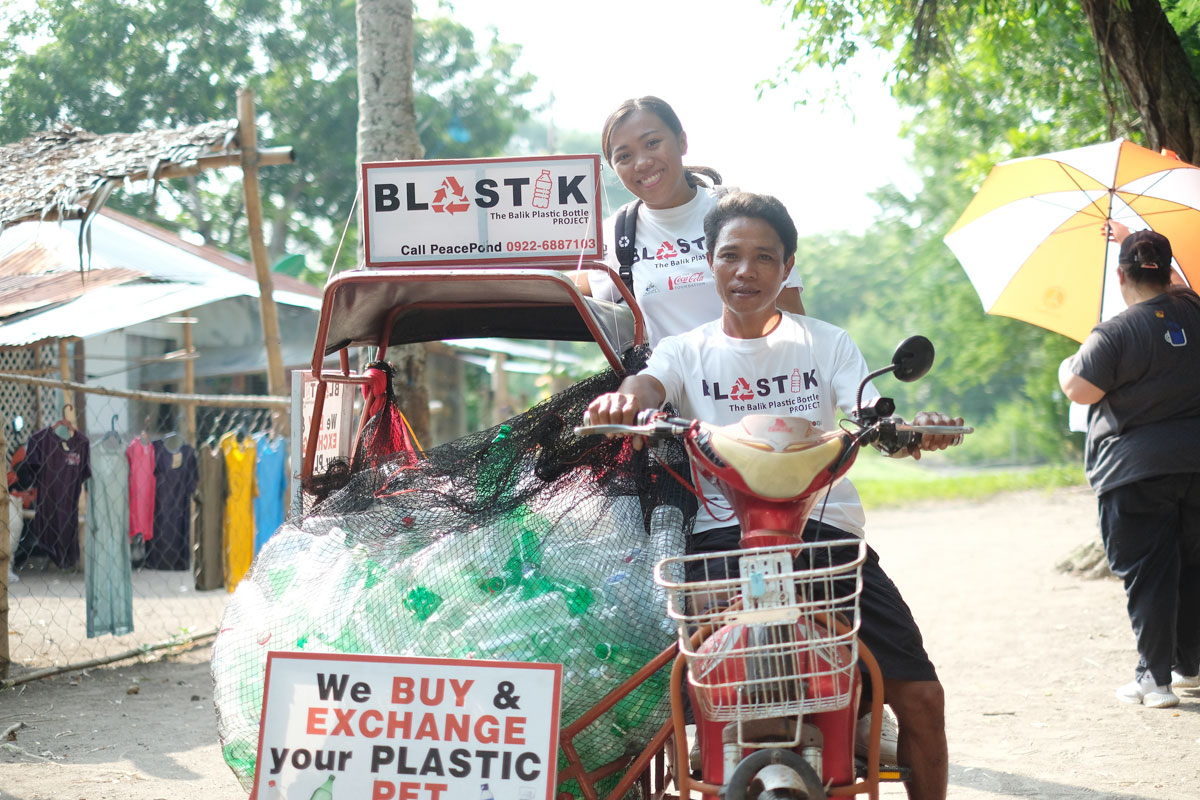
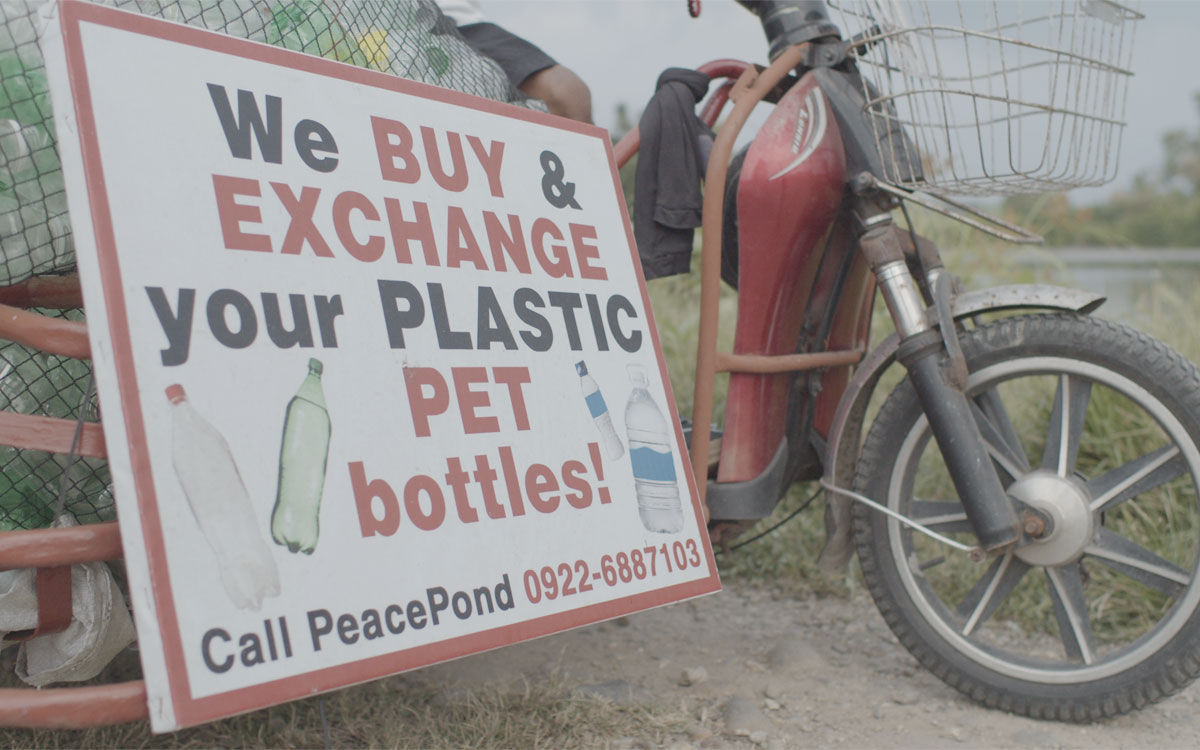
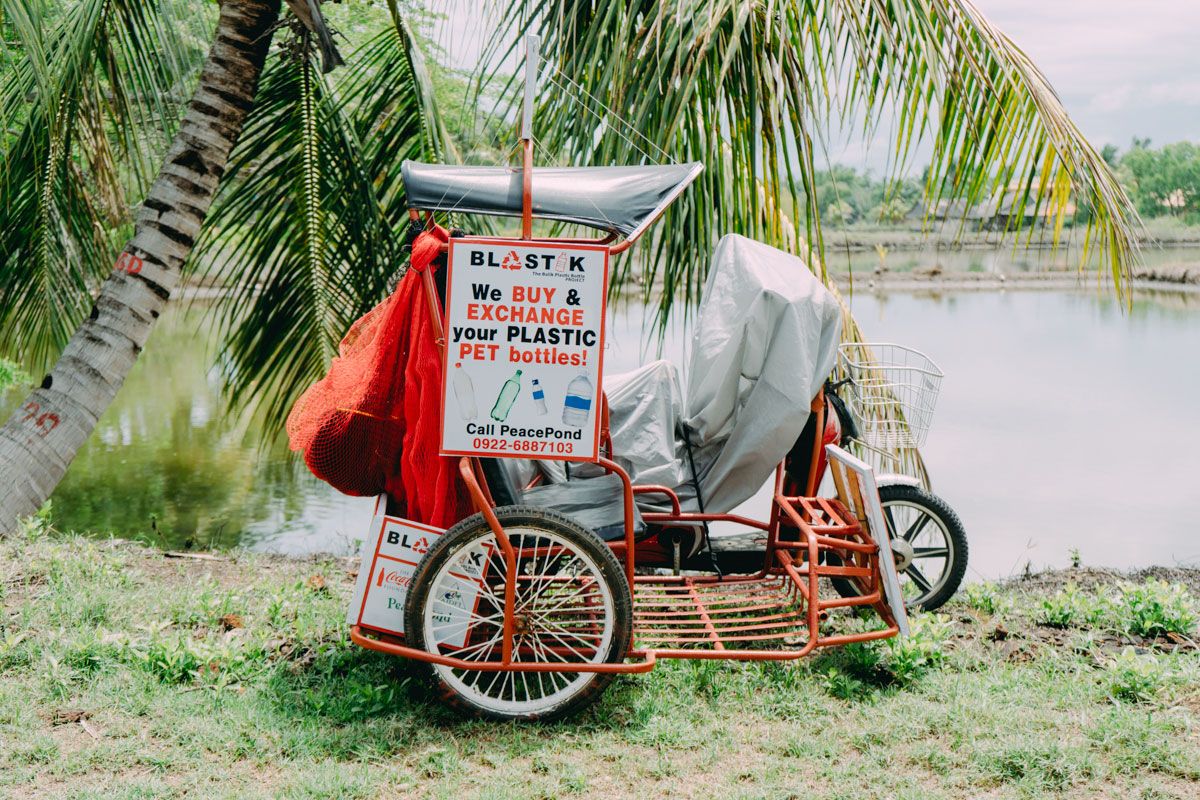
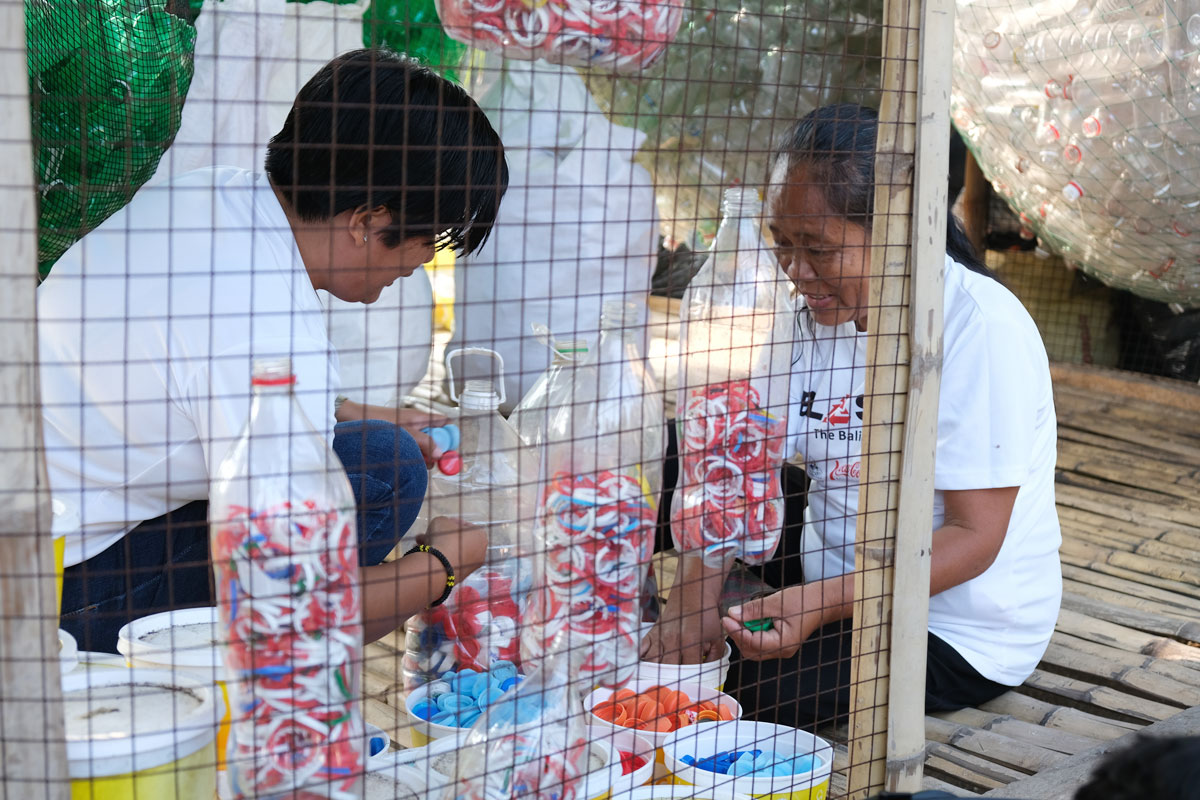
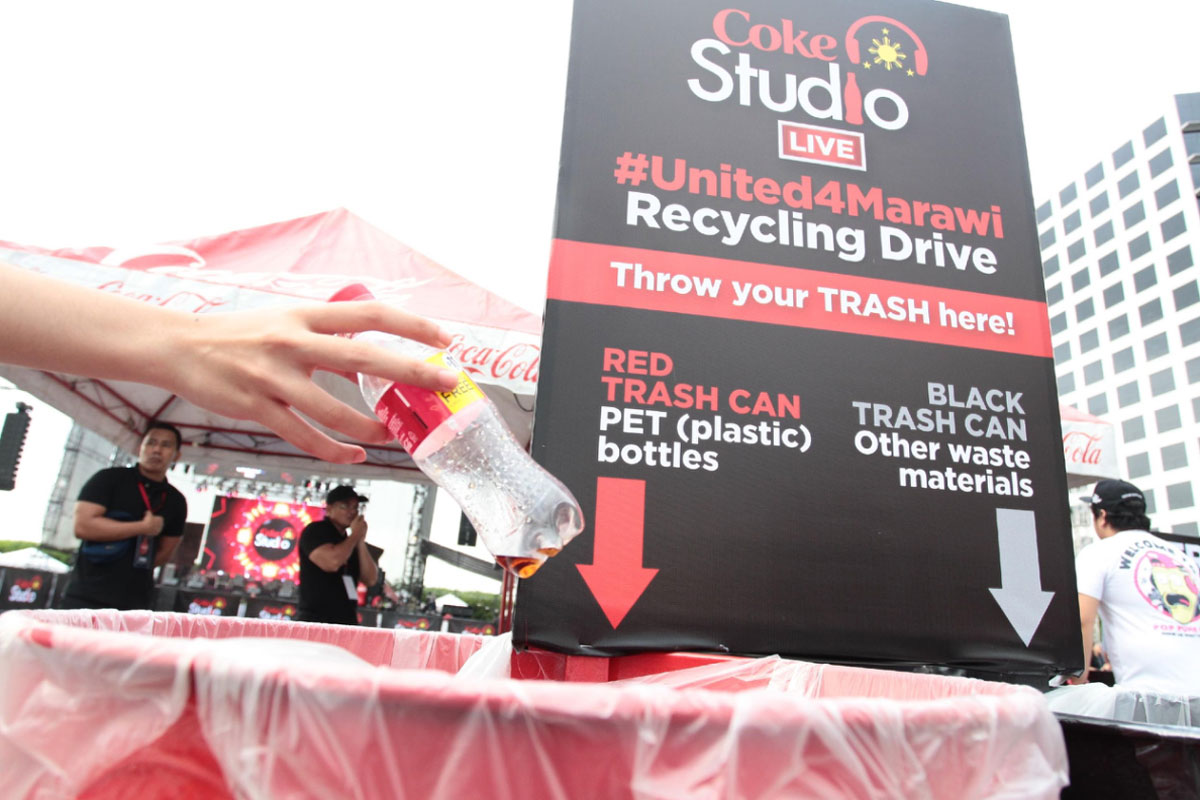
It also seeks to educate communities on the importance of recycling and upcycling, as well as the economic viability of PET bottles, and setting up of a plastic waste management system.
The Blastik showroom was constructed in January this year and collection started last summer. The Blastik Project was launched in Negros Occidental in July by Jesus Antonio Orbida and Checcs Osmeña-Orbida through a small farming community called PeacePond. It is a joint initiative with the Alternative Indigenous Development Foundation.
Under the Blastik Project, “eco-rangers” roam Barangay Enclaro in e-tricycles, collecting PET bottles.
In Tagum City, sari-sari stores serve as collection sites and are given credit points for the effort.
“As a company, we need to create a circular economy. Sayang naman, we can create businesses and jobs locally,” Lumen-Pernia said.
Asked how many of the bottles released are collected back, Coca-Cola Philippines said it does not have a figure yet.
Lumen-Pernia believes the proper disposal of bottles is a “shared responsibility” of the people and even government.
“Source segregation is integral to it. Once garbage is all mixed up, it’s harder to (manage), but if separated then we can still recycle it,” she said.
On the consumer’s end, Coca-Cola is partnering with LGUs and other stakeholders to make sure that garbage is not dumped indiscriminately but collected properly in communities.