



Bike-Friendly EDSA? What You Need To Know About The Newly Built Bike Lanes
Will more people adapt the bike culture in post-pandemic Manila?
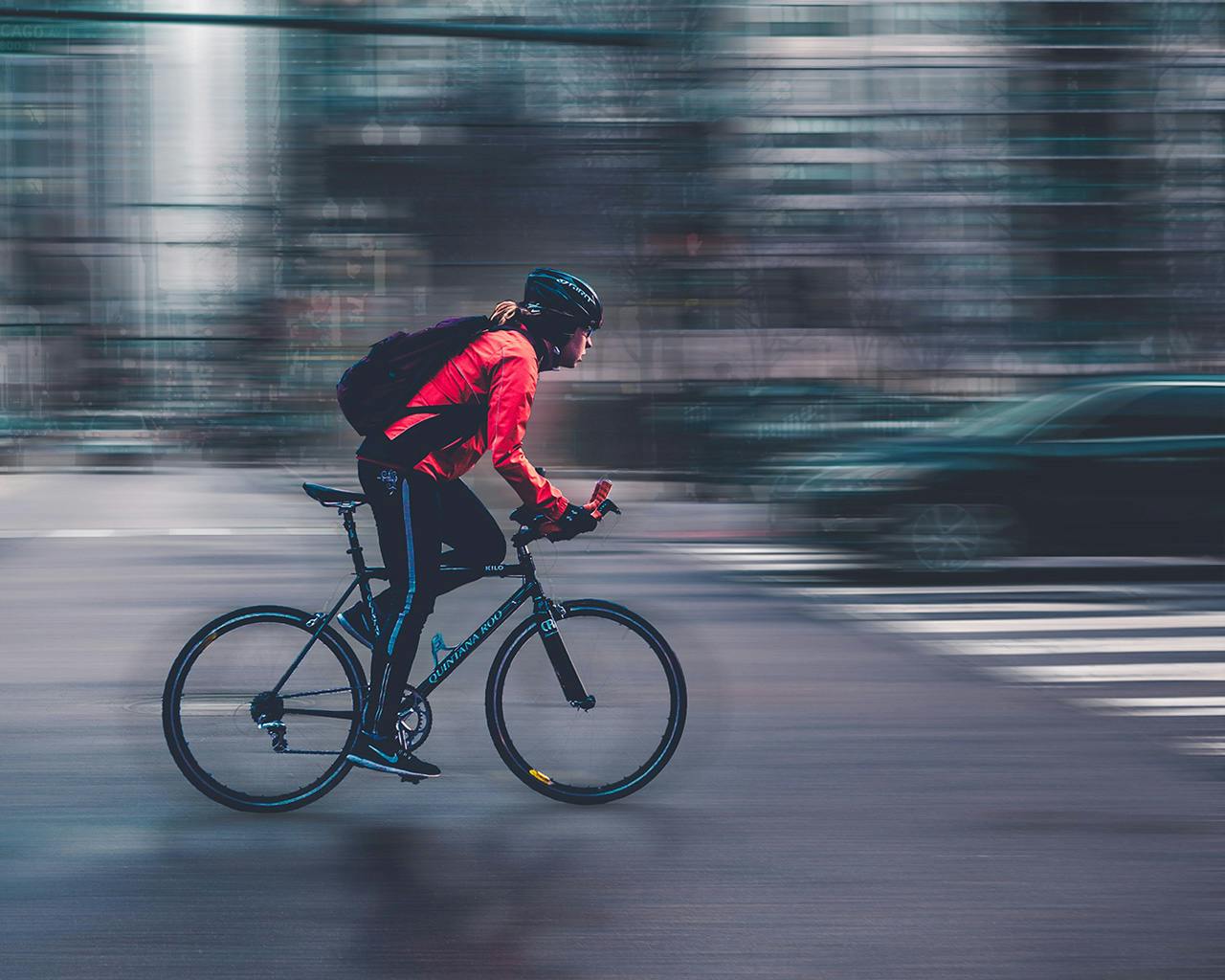
Before the pandemic, most people wouldn’t have dared to use bikes as a mode of transportation in navigating through the snarled-up roads of EDSA. Aside from the notorious traffic and overcrowded conditions along sidewalks, there is a longstanding animosity between cyclists and motorists in sharing urban roads.
Fast forward to today, the biking culture has seen a significant boom. As the country struggled from public transit restrictions following stringent lockdowns, commuters turned to cycling as a viable solution in getting from point A to B. Bike sales have gone at an all-time high as more citizens switched to two-wheeled rides — more than 100,000 cyclists ride bikes along EDSA alone in a span of one month, according to a pilot bike count conducted by the MMDA in June 2020.
Nationwide bike network
In August 2020, the Department of Transportation (DOTr) announced a proposal to build a 644-kilometer bike lane network across major cities in Metro Manila, Cebu, and Davao, financed by a 1.1-billion pandemic fund allocation. This was a milestone for cycling advocates in the country, who have long lobbied for a safer bike infrastructure way before COVID-19 hit.
On April 24, the DOTr published a Facebook post that pointed a way forward: the agency had already completed 296 kilometers of the bike network, which is 55 percent of its overall target. The bike lanes start from EDSA Aurora in Quezon City towards the stretch going to Magallanes (Southbound), and is comprised of six sections: Aurora to Santolan, Santolan to Ortigas, Ortigas to Shaw, Shaw to Guadalupe, Guadalupe to Buendia, and Buendia to Magallanes. The post garnered positive reactions. “I know it’s not perfect right now, but it’s a start! Let’s use the bike lane so we could demand for it to be improved. Thank you DOTR, [for] a job well done!,” a citizen commented.
Essential safety measures for cyclists
Just as more people are discovering the advantages of cycling to work now that bike lanes have been built to increase road safety, there are still dangers, especially in bicycle-vehicle communications. The MMDA logged 1,759 bicycle-related road crashes in 2019, 19 of them resulting in fatalities. So if you’re gearing up to join the bike movement, read on and follow these safety measures.
Invest in protective gear.
It goes without saying that gear is of utmost importance for cyclists hitting the road. Always ensure that you’re equipped with a properly fitted helmet to reduce the severity of potential head injuries. There’s still a deadly virus at large, so make sure you’re wearing a breathable face mask at all times. If the weather forecast predicts any chance of rain, keep your trusty waterproof gear and essentials with you before you take off. Don’t forget the basics: rear-view mirror, water bottle, and audible signal devices (bell or horn).
Maintain high visibility.
Wearing brightly colored clothing is a life-saving hack, especially if you’re riding early in the morning or late at night! Equip your bike with a white-front headlight as well as a flashing red rear light for riding in dark areas and conditions.
Obey the traffic rules.
Traffic signs are there for a reason, so keep in mind that cyclists are no exception to the rules. Always prioritize pedestrians and do not use unnecessary devices that might cause distraction. Don’t just hop the bike and pedal; stock up on road knowledge not just for you to stay safe but to also avoid making any legal offense that might get you in trouble.
Signal your intentions properly.
Communicate your intentions with others clearly by using hand signals:
- Extend one arm horizontally to the direction you are about to turn, whether it’s left or right.
- To signal the driver behind you to slow down, extend one arm to the side with the palm facing down. Raise the hand up and down at wrist height.
- To signal a driver to stop, extend the arm vertically upwards with the palm facing forward.
Maintain your bike regularly.
Similar to routine checkups of a four-wheeled vehicle, a bicycle also needs regular maintenance to keep it running well. Have your bike professionally serviced at least once a year and regularly check if the tires and brakes are at full working level. Trust us, you would not want to be stuck with a broken bicycle in the middle of a hectic road like EDSA.
Rest when feeling tired.
While cycling to work can make up for the gym session you’ll miss for the day, it also makes you prone to fatigue and exhaustion. Make sure to take a break if needed, and rest to avoid health-related emergencies on the road.
Guidelines for bike lane use
- Note that bike lanes can only be utilized by vehicles weighing less than 100 kilograms.
- It doesn’t matter if you’re in a rush or riding with pumping adrenaline; the maximum speed is 25 kilometers per hour.
- Lastly, counterflowing is not allowed in bike lanes.
A big step to bike-friendly roads
It’s looking a lot like social distancing will be a way of life even in a post-pandemic world. Cycling, thus, remains a safer and more sustainable ride of choice. Not only is it great for mobility and cost-effectiveness, but it also offers a multitude of benefits to one’s health and the environment! Remember to follow safety precautions and traffic regulations to maintain a friendly road with fellow cyclists and motorists. And while we’re still moons away from transforming into a full-fledged bike culture, building protected lanes is a critical step towards reducing the hazard in two-wheeled commuting journeys.


