Army Addresses Mental Health Of Soldiers: ‘Invisible Wounds, Battles Within Hardest To Heal’
In recent years, the Philippine Army says over 500 of its personnel underwent treatment for advanced mental health issues, a majority of whom were able to go back to active service while some had to be discharged.

After a former soldier’s death at the hands of the police put the spotlight on the issue of mental health among uniformed personnel, the Philippine Army decided to embrace the problem and take proactive steps in addressing the “invisible scars” of its members.
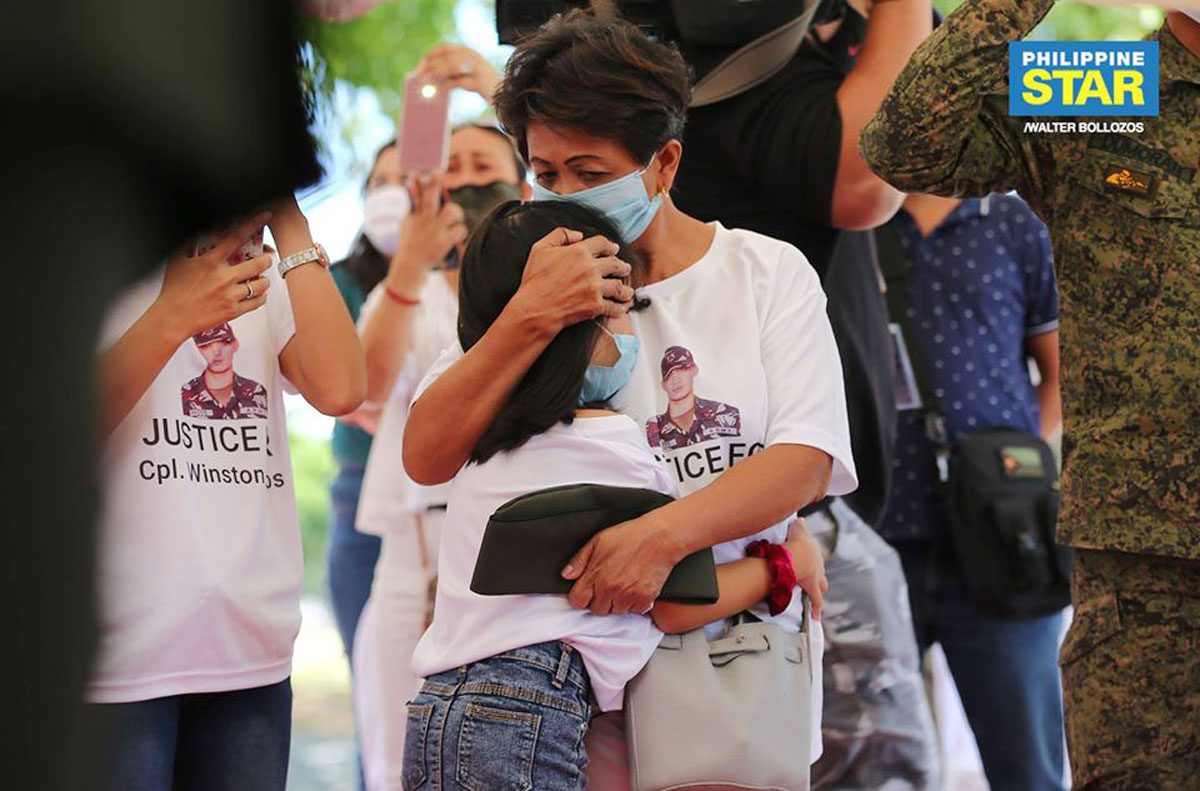
The Army honored the late corporal Winston Ragos when it launched its Comprehensive Mental Health Program and opened its own Mental Health and Resilience Center (MHRC) on Friday, June 19.
Ragos, who was killed at a quarantine checkpoint in Quezon City in April, was recognized during the program led by Army chief Lt. Gen. Gilbert Gapay.
Ragos was honorably discharged from the service in 2017 for disability: he suffered from post-traumatic stress disorder (PTSD) while fighting communist rebels in Camarines Sur where he was assigned.
Because of this, the Army is extending full support for silent “Ragoses” in their ranks, to help soldiers fight their internal wars – like what Ragos faced until his death.
“Now more than ever, the Philippine Army is determined to find its Ragoses, to help them in their silent wars and for them to find peace with their invisible scars,” he said during his speech. “Let us continue in helping erase the stigma so our Ragoses can seek help without fear.”
Hero’s burial
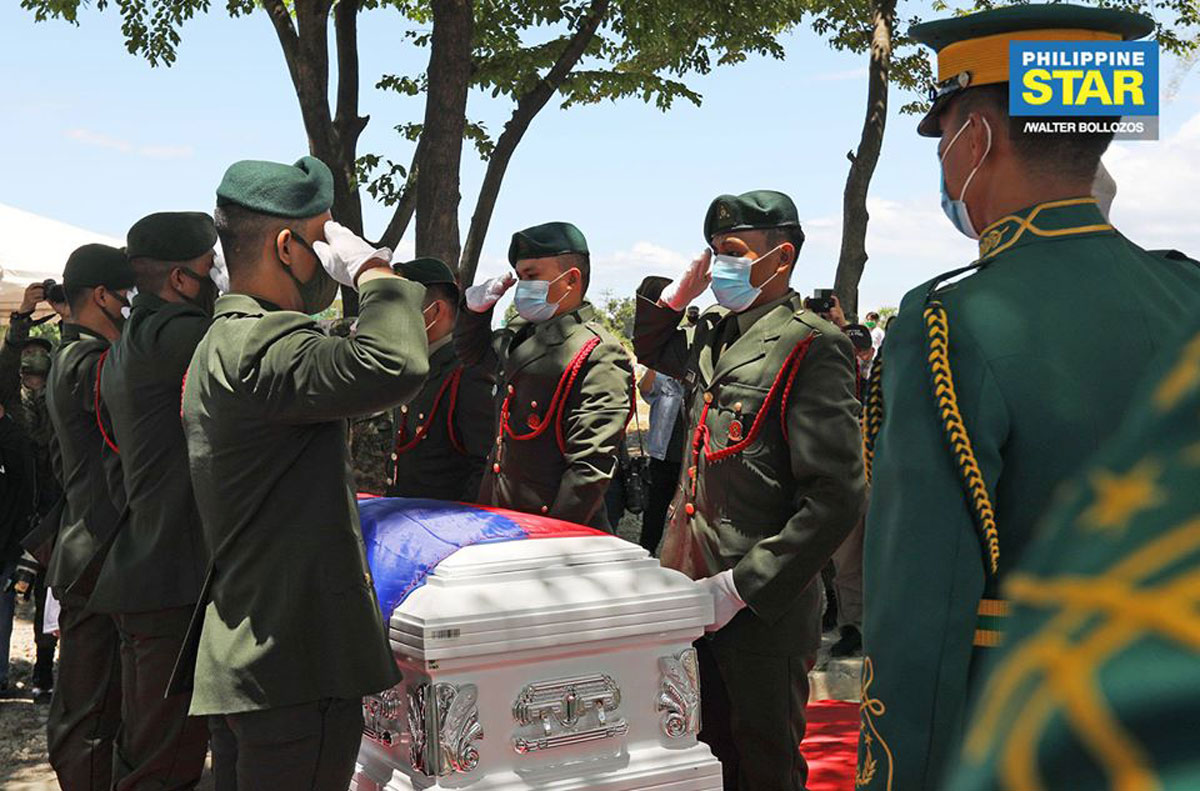
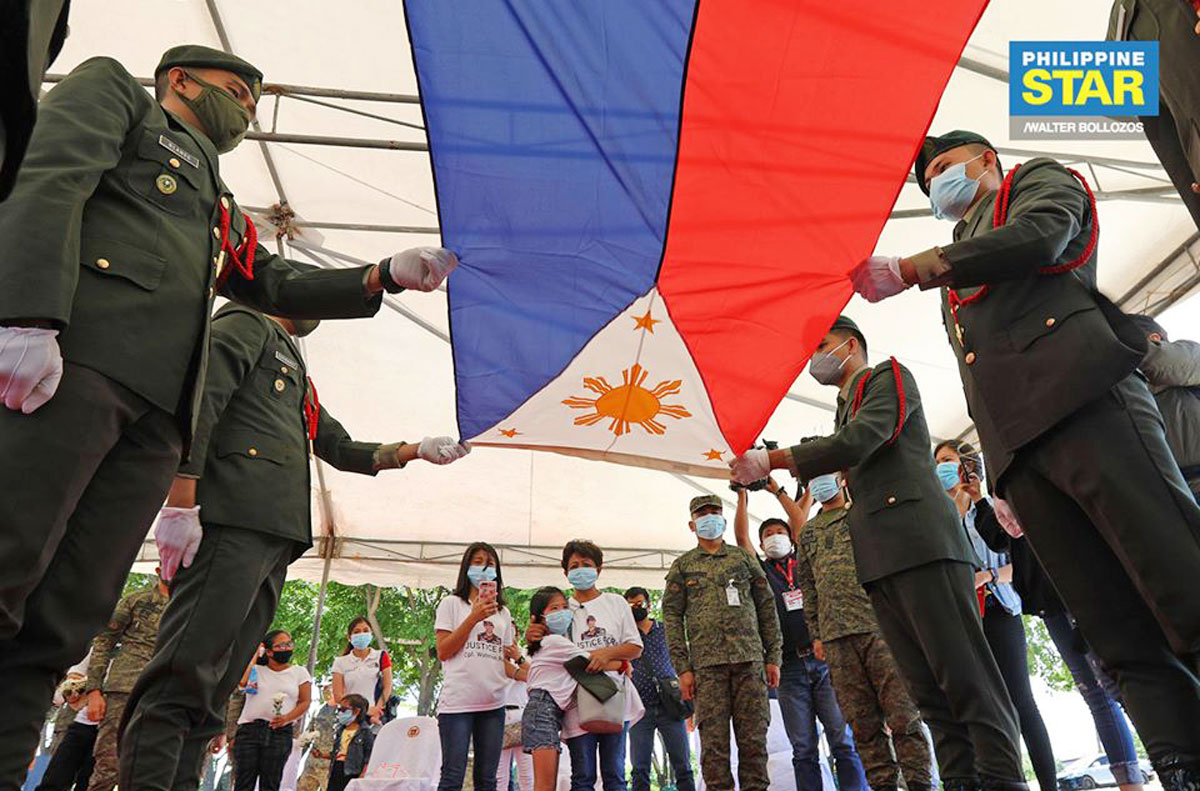
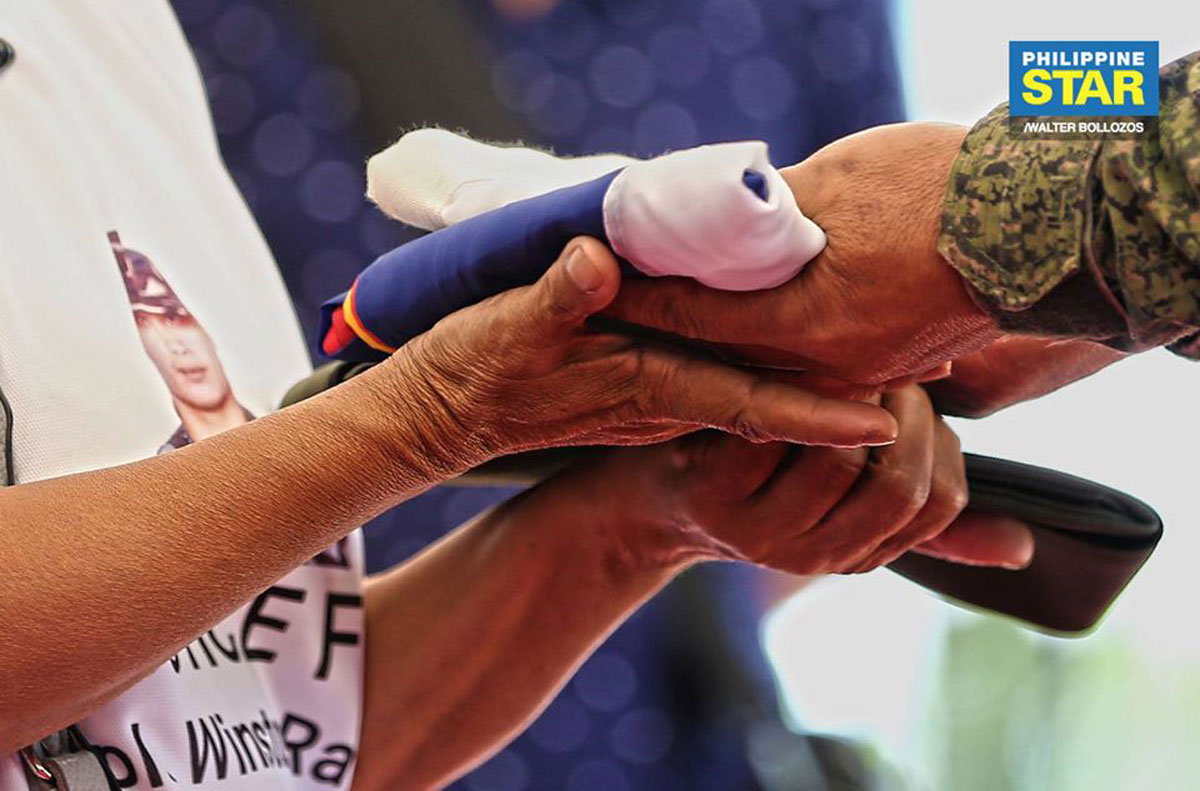
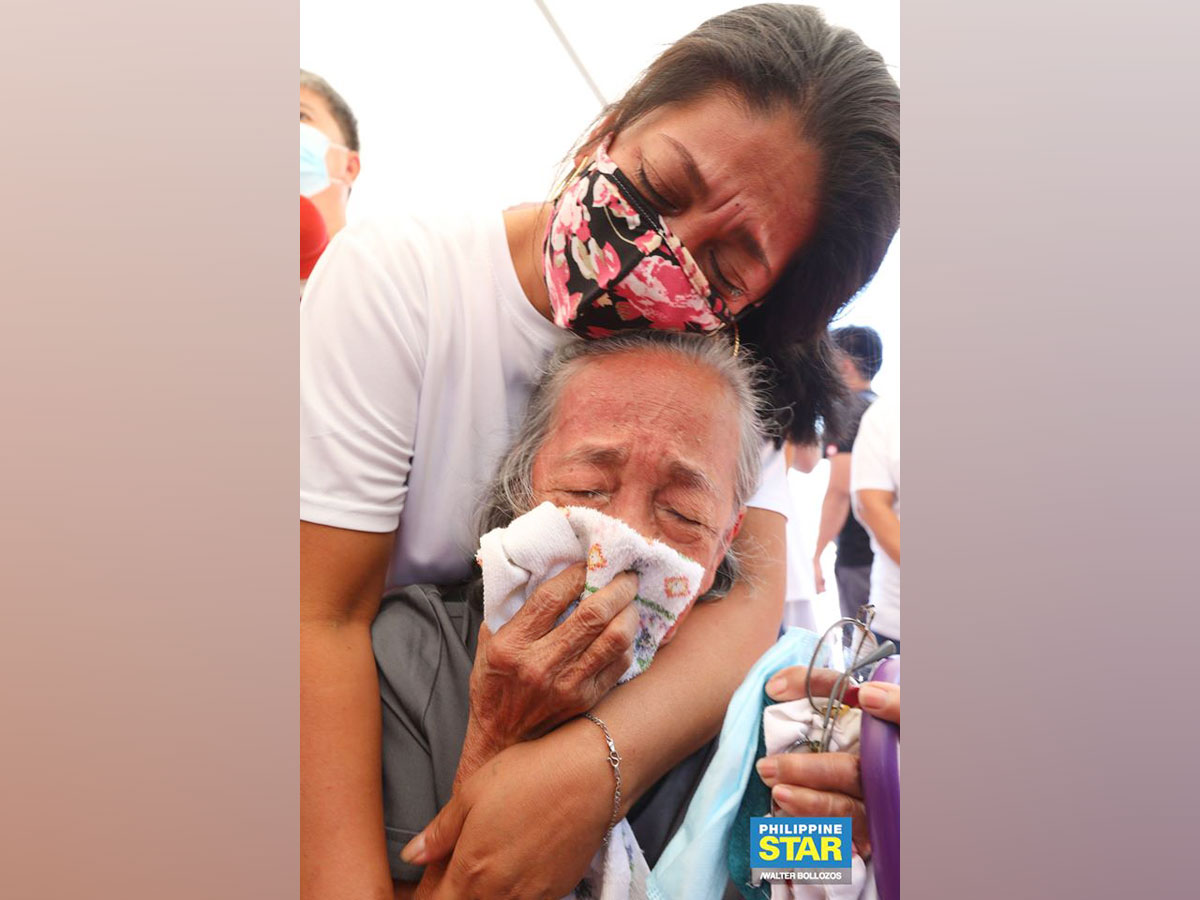
Ragos was buried at the Libingan ng mga Bayani at Fort Bonifacio in Taguig with full military honors on April 26.
“His death has raised awareness on the plight of our soldiers suffering from PTSD. The Philippine Army will revitalize programs on trauma, combat stress and PTSD to be able to sustain the wellness of our troops both active and retired,” Gapay said as Ragos was laid to rest.
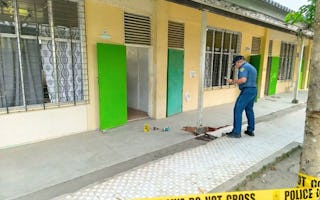
Ragos was gunned down by police M/Sgt. Danny Florendo Jr. at a checkpoint in Barangay Putik, Quezon City on April 21 after the former soldier reached into his bag for what the police claimed was a gun.
The victim’s family maintained that he was not armed. They said his bag contained only his quarantine pass and identification cards.
A viral video caught Ragos raising his arms in surrender with his back turned to the police before he was shot two times by Florendo.
Witnesses were seen in the video asking Florendo and the other police trainees not to engage Ragos, saying he was mentally disturbed.
The National Bureau of Investigation has filed murder charges against Florendo and four other policemen. The NBI is pursuing allegations that Florendo and another police officer planted a gun in Ragos’ bag.
Not alone
Ragos was not alone in fighting silent battles with mental health.
Following the Marawi City siege in 2017 alone, at least 50 soldiers suffered from various forms of mental health problems due to traumatic experiences in the battlefield.
In recent years, over 500 military personnel have undergone treatment for more advanced mental health issues, according to Col. Ramon Zagala, Army public affairs chief.
A majority of those who sought treatment were able to go back to active service, but some, like Ragos, were discharged for disability.
Army personnel like Ragos are among the most affected in terms of mental health because they fight in the frontlines.
With over 104,000 personnel, the Army is the largest branch of the 140,000-strong Armed Forces of the Philippines.
They are what the program, dubbed the “Kaagapay ng Mga Bayani,” seeks to help by providing goal-directed resilience and psychological interventions to ensure their wellbeing.
The Army promises a proactive, holistic and comprehensive mental health program for uniformed personnel, civilian employees as well as their families.
It focuses on three main aspects: prevention, training and capacity building, and prompt support and assistance for affected personnel.
Mental, psychosocial and neurological disorders as well as associated disabilities will be covered by the program in the newly opened MHRC.
The MHRC, located on the ground floor at the outpatient wing of the Army General Hospital, will provide prevention measures, early detection and management intervention of mental disorders.
The program also aims to raise awareness and promote the importance of mental health among personnel to remove the stigma.
Zagala said they want the stigma surrounding mental health removed from the ranks to help those who are suffering in silence even while on the battlefront.
He admitted that the stigma could be rooted in Filipinos’ tendency to avoid talking openly about personal problems.
The Army now wants to foster a culture of openness within the ranks when it comes to mental health. It believes proper communication can eliminate the stigma and prevent discrimination against those who suffer from mental health problems.
Zagala said they are trying to promote conversations on mental health issues especially at the battalion and platoon levels.
Soldiers are being encouraged to undergo peer counseling and be equipped to identify mental health issues early. Often, cases are reported only when severe symptoms have emerged such as auditory signals or blank stares.
“We have to take care of our people and put a premium on our mental health. We always look at the visible scars, but the invisible wounds are hardest to heal. These battles within ourselves, we are trying to address,” Zagala stressed.