



Anxiety, Crying Bouts, Trouble Sleeping: Filipino Moms Share Their Honest Postpartum Experiences
You can never be too prepared.
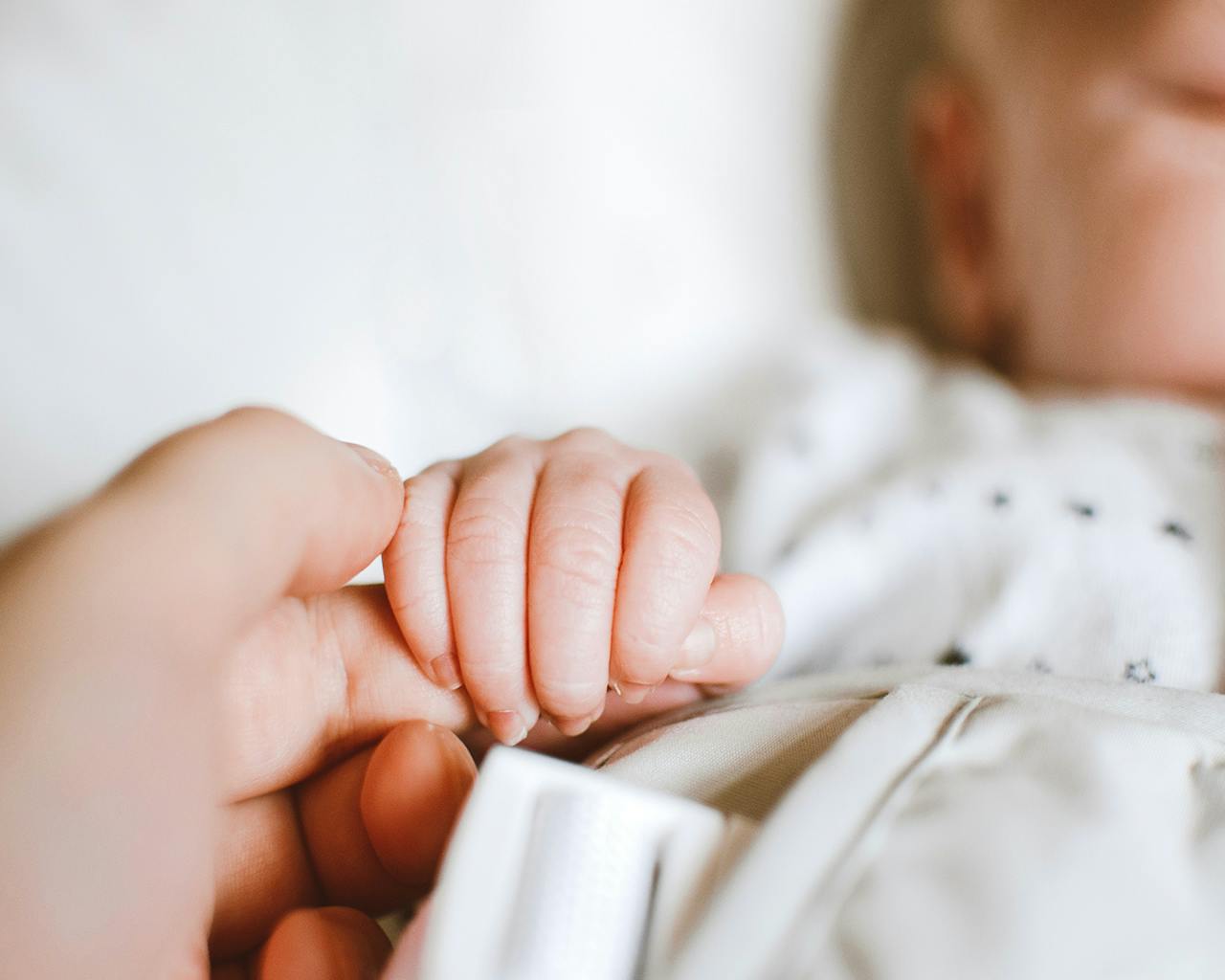
Being a mother changes your life, your mindset, and of course, your body. We extensively prepare for 40 weeks or so of pregnancy, thinking that the journey gets easier after giving birth. However, this episode only marks the beginning of motherhood, and there is so much more to expect afterwards. Here, Filipino moms share their honest postpartum experiences to give you a glimpse of what it is really like.
Jelyn, 33, gave birth to her first child at 27 years old. She fortunately had an easy and enjoyable pregnancy, as she did not experience much of the dreaded morning sickness.
“I was really lucky that I was not feeling nauseated all the time during my pregnancy, but whenever I would feel too exhausted to move, my mother and husband were always there to the rescue,” she shares. “After giving birth, I think everything changed. I had such a difficult time.”
Though Jelyn read countless pregnancy books, she did not expect how intense the actual postpartum experience would be like.
“Right after I gave birth, I was shaking uncontrollably to the point that I couldn’t carry my baby,” she recounts. This uncontrollable shaking and teeth chattering is called postpartum chills, which may be experienced whether one went through vaginal delivery or cesarean section. It is caused by fluid or heat loss and hormonal changes after labor, and a sudden stop in adrenaline once you are done pushing, according to Dr. Rebecca Russell, an obstetrician and gynecologist.
“I had serious tearing during delivery, and it required a lot of stitches,” says Jelyn. She had trouble sitting down, walking, and even peeing. She could not do anything by herself for quite a while after giving birth, and because of this, she felt like she was not herself. “Truth be told, I felt disgusting. I felt gross. I felt like my body was destroyed.”
Soreness is normal after delivery as your body goes through a lot during pregnancy and labor. Some even experience bleeding for up to six weeks, which happens as the uterus continues to heal.
Aside from the physical effects, 30-year-old Kat suffered from depression and anxiety post-pregnancy.
“At first, the effects were mild. I was only irritable and had trouble sleeping, but eventually, they became worse,” she says.
During the beginning of her postpartum journey, Kat experienced what doctors call “baby blues,” which usually lasts from about a week or two to several months after the baby is born. Some of the symptoms of baby blues are mood swings, anxiety, sadness, irritability, feeling overwhelmed, crying, reduced concentration, and a change in appetite.
According to Traci Johnson, MD, up to 80% of new mothers experience baby blues, however, 20% of these cases may develop to postpartum depression if “you’ve already had bouts of depression or if it runs in your family.”
As for Kat, her baby blues symptoms gradually became more intense and interfered with her daily tasks.
“I was anxious all the time, thinking about all the situations that could possibly harm my baby so that I can stop them, even though they have not happened yet. I was also crying all the time because I felt like I was not being a good mom.” Kat’s sleeplessness partook a toll on her health, as she felt fatigued and overwhelmed with all the changes in her life post-pregnancy.
Through the years, Kat learned to cope with the help of counseling and psychotherapy. “I learned a lot from therapy actually. I was too overwhelmed to realize that I was not alone in this journey; thousands of new moms have experienced what I’m currently experiencing, at natuto ako humingi ng tulong.” Kat’s partner and family members remained supportive even beyond her postpartum journey.
An article by the Mayo Clinic states that both psychotherapy and antidepressants can help with postpartum depression, but it is still best to consult your doctor to determine which method is best for you.
Jelyn says that becoming a mom is both a blessing and a great responsibility. “Yes, you get to cuddle with your baby and her cute toes and gummy smile, but you also have to be ready for the reality.” You will experience a lot of changes and there is a possibility that you will not be the same person you were before you gave birth, but this transformative period of your life has the ability to improve your mindset and strengthen your relationship with your family, your child, and most importantly, yourself.
“If there is something I would like to change about my experience, it is to be more gentle with myself. I am a supermom, and nothing can change that.”
When asked about what advice she would give to new moms going through the same experience, Kat says: “It takes a village. This is the time you’re going to realize that you are not alone, and there are people who are always willing to help -- let them. After this little roadblock, you will realize that all these hurdles—every single thing—will be worth it.”
Your feelings are valid. You are valid. And there is no shame in asking for help.
If you need someone to listen, please call the National Mental Health Crisis Hotlines at 0917-899-8727, (02) 7989-8727 or 1553 (toll-free landline) anytime, 24/7.
You may also call hotlines 0917-8001123 or (02) 8893-7603 for free telephone counseling in the Philippines.
This post originally appeared on OneLife.PH.


