



ALL FOR LOVE: Husband Takes Wife For Dialysis By Attaching Wheelchair To His Bike
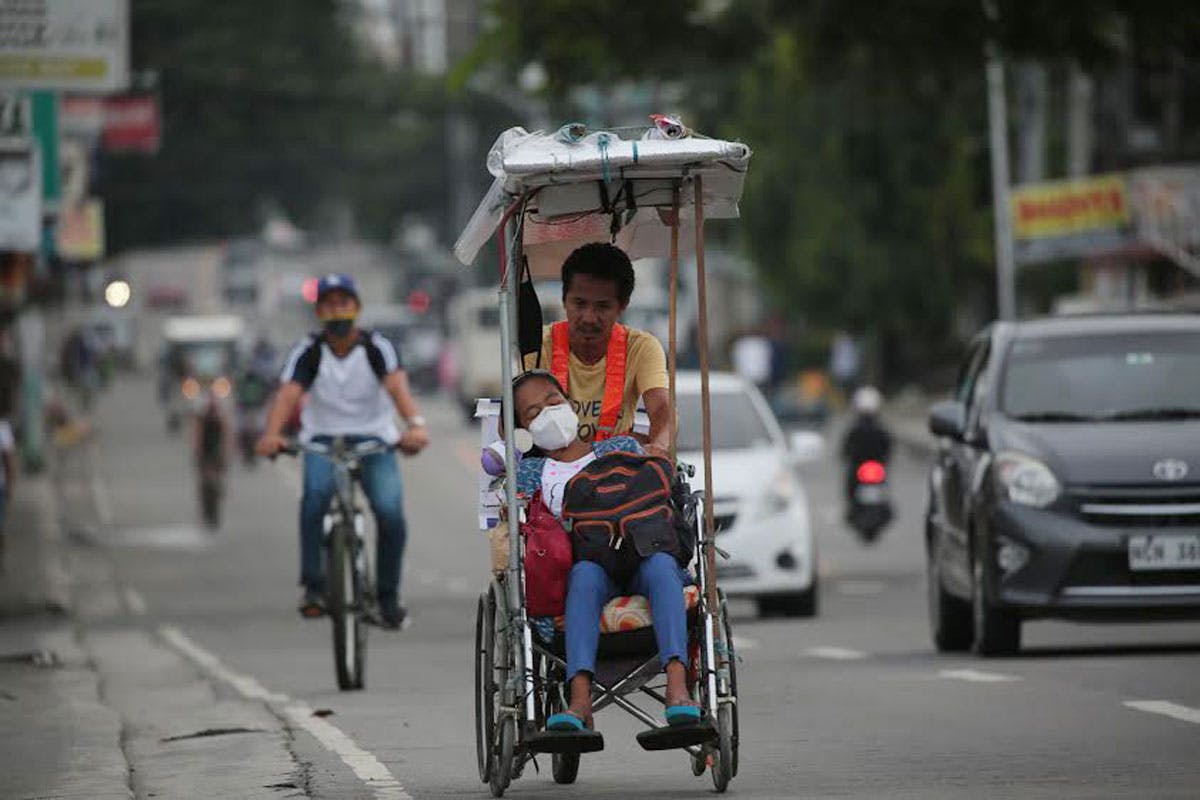
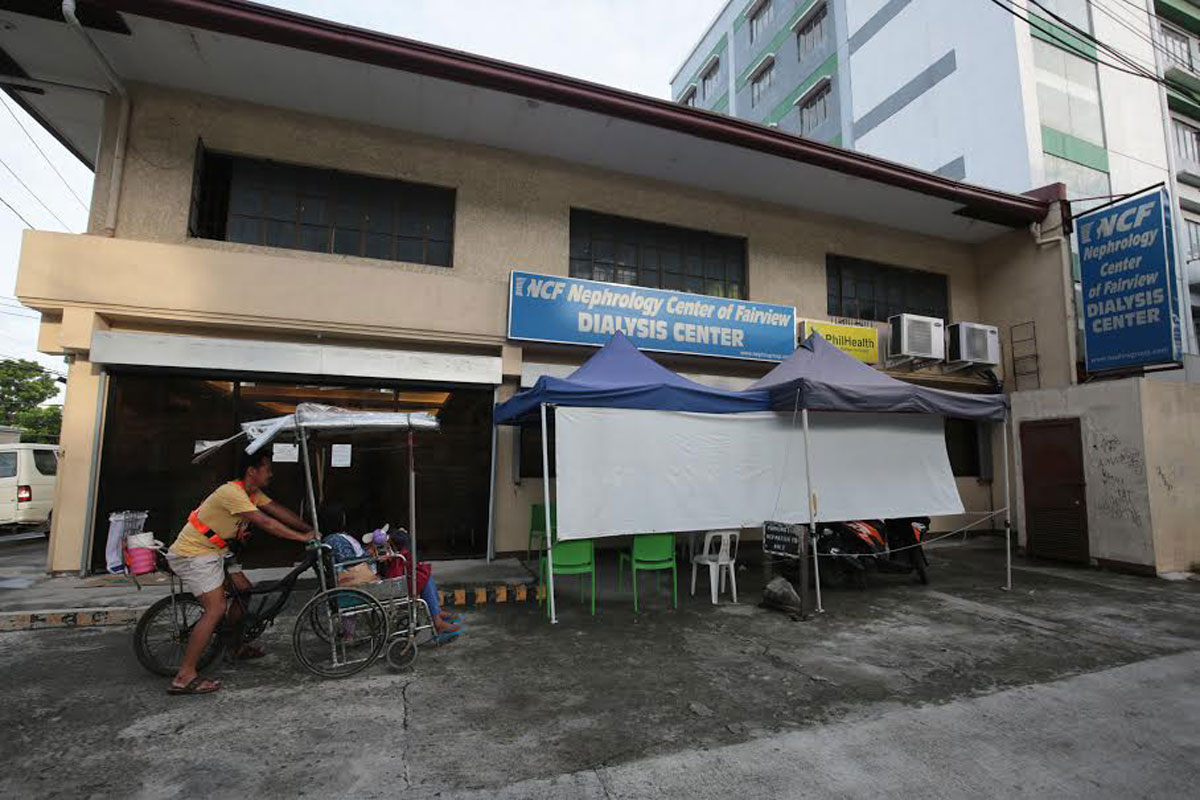
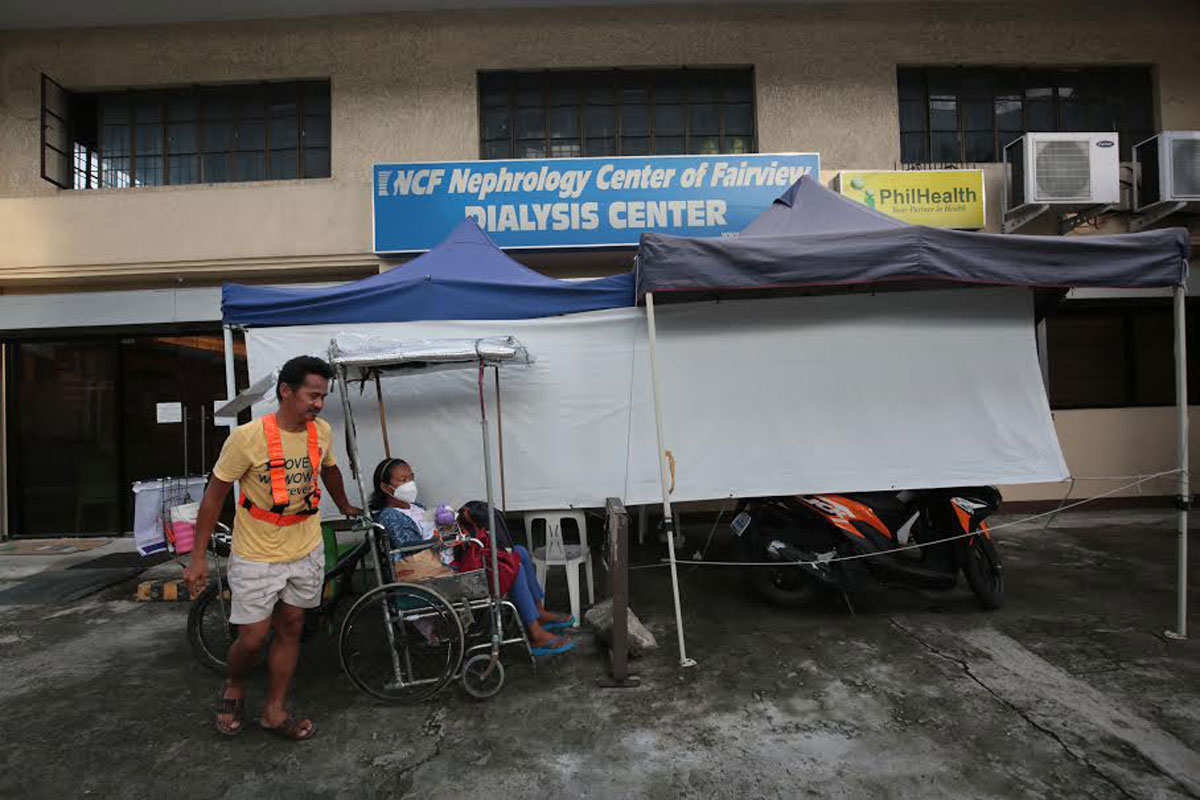
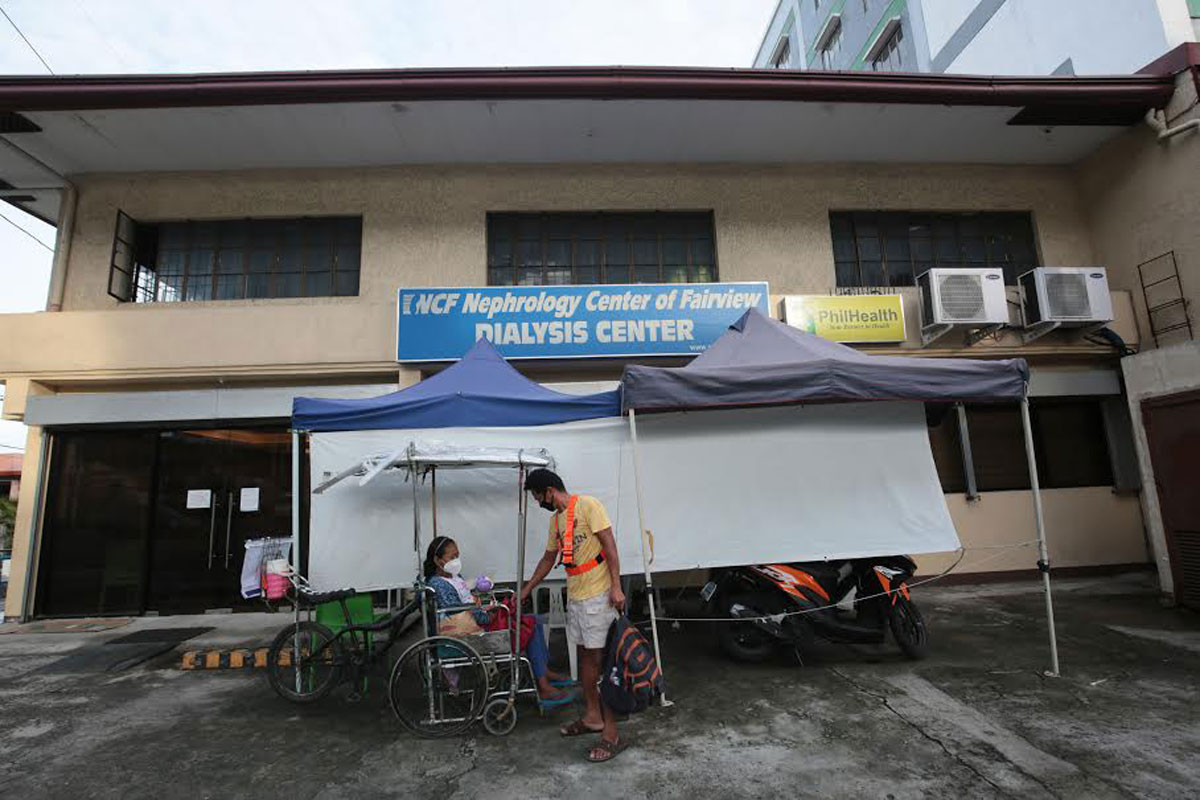
Manolito Palacio drives 12 kilometers from Caloocan to Quezon City to get to the dialysis center where his wife, Marilou undergoes treatment twice a week.
There have been many stories about the plight of people who had to find ways to cope with the lack of public transportation services in the country since quarantine measures were imposed in mid-March to curb the transmission of coronavirus disease 2019.
This story is filled with love amid all the hardships.
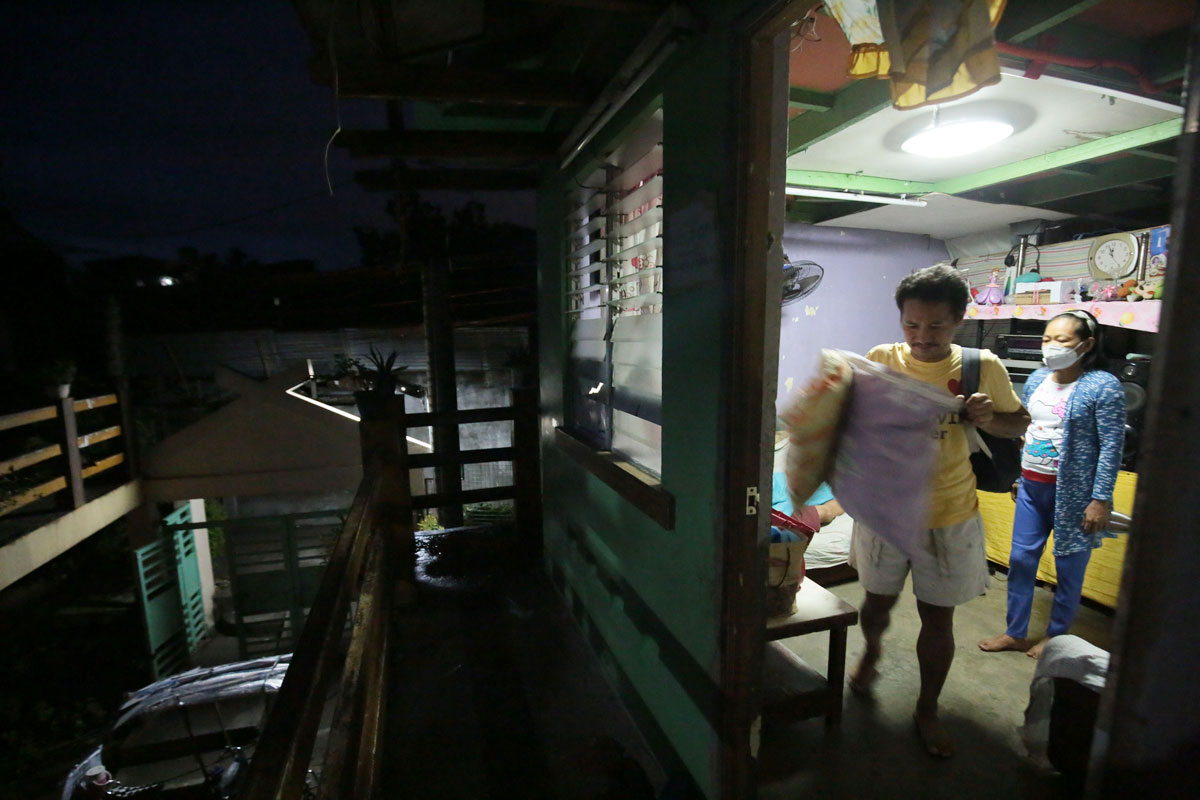
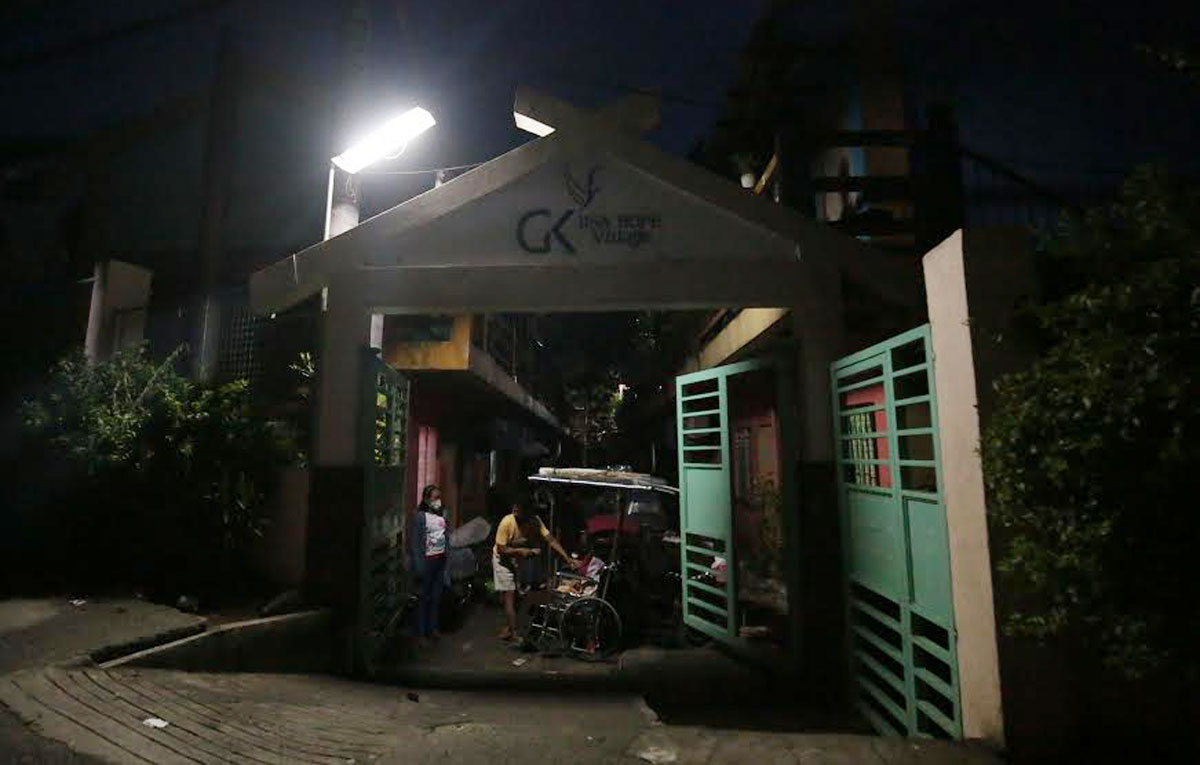
As early as dawn, 48-year-old Manolito Palacio and his wife, Marilou prepare to go to a dialysis center in Fairview, Quezon City from their house in Bagong Silang, Caloocan City.
The Philippine STAR followed the couple on June 13, Saturday, in one of their journeys. They usually leave the house at 5 a.m. and arrive at the dialysis center at 8 a.m. If treatment starts by 8 a.m. they can finish at 1 p.m. and be back home by 4 p.m.
Marilou, 46, was diagnosed in 2017 with stage 5 chronic kidney disease and heart problem. Stage 5 means total kidney failure. In 2019, Marilou was given a few days to a few weeks to live.
Their doctors lost hope, but not the couple. Up to this day, Manolito and Marilou are still fighting together their biggest battle as husband and wife.
To be able to take Marilou to the dialysis center in the absence of mass transportation, Manolito attached her wheelchair to his bicycle. They travel 12 kilometers to the dialysis center and then back, with Manolito enduring the long hours and grueling effort of cycling.
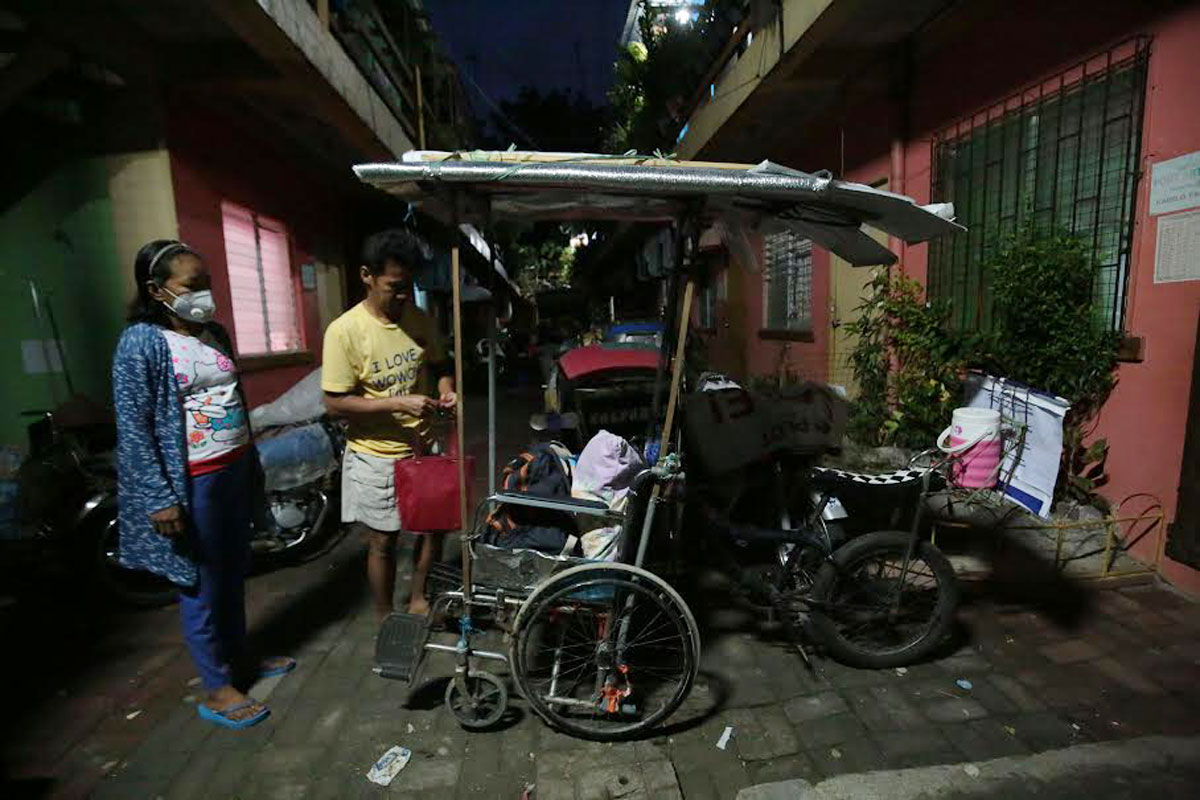
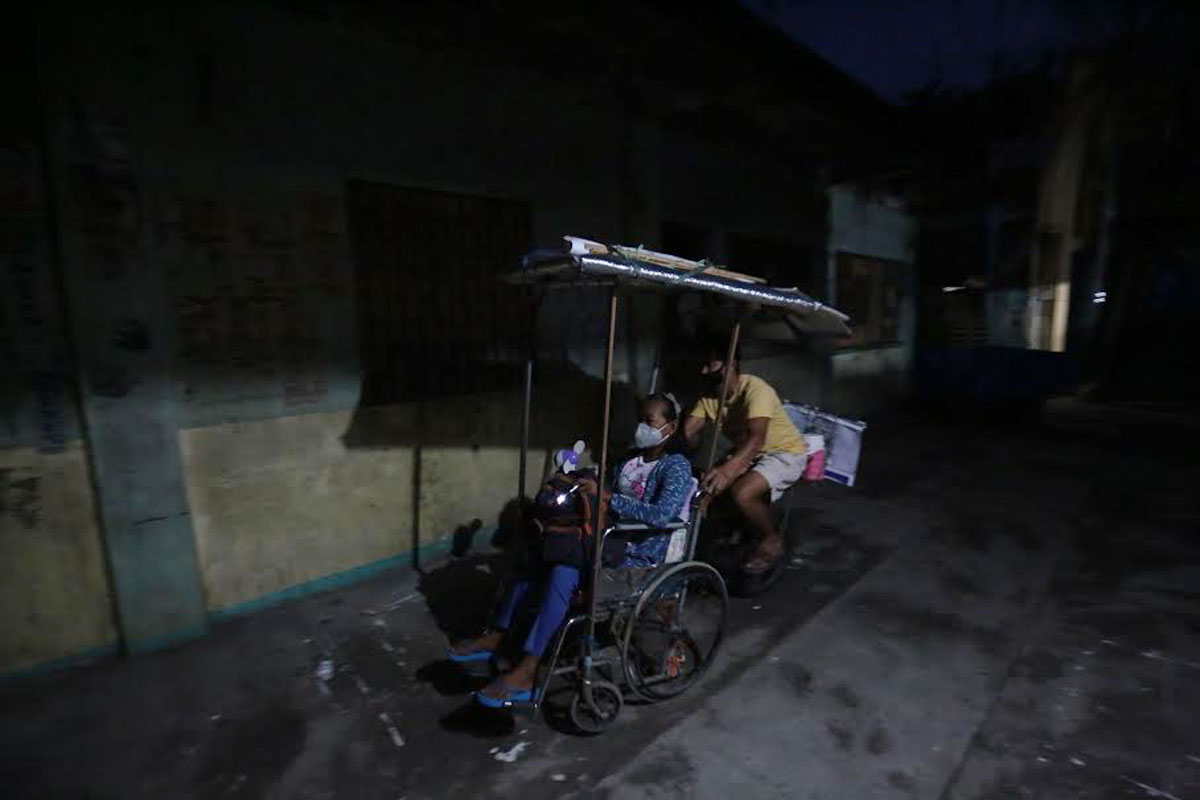
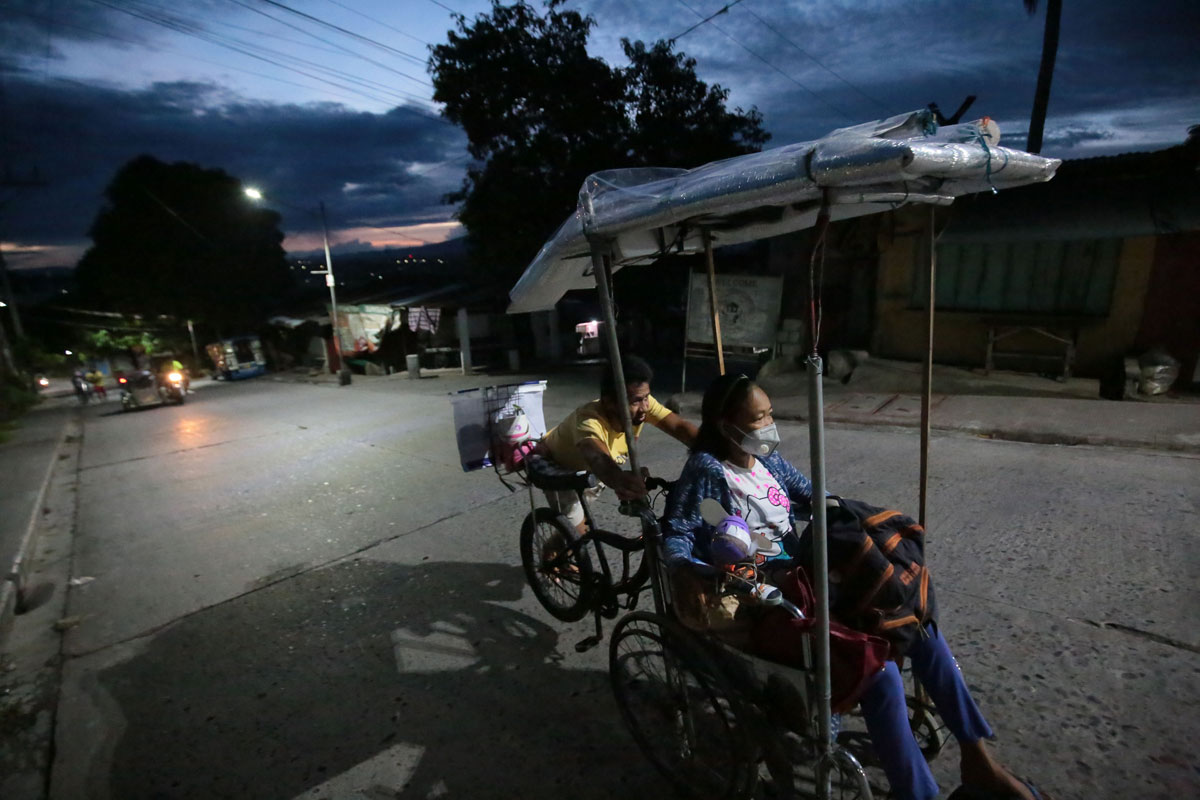
Manolito needs to do this twice a week. Although a private company has offered to provide full transportation service to help them until quarantine restrictions are lifted, he still has to take her on his bicycle in times of emergency.
The scheduled transportation service also had to be stopped as the money from their eldest son, who works as a construction worker and supports the dialysis treatment, sometimes got delayed. They did not want to cause inconvenience to the private company, Manolito explained.
Manolito used to earn P1,000 a day by making advertising signage, but this was affected when quarantine measures were imposed.
He said they tried to ask for help from their barangay but were told that the official vehicles were reserved for emergency situations.
A longtime union
Their love story, Manolito narrated, began in 1995.
A common friend introduced them near the Parish of the Risen Christ in Tondo, Manila. Living together, their union was blessed with seven children, the eldest of whom was born on Jan. 10, 1997.
They tied the knot on Feb. 12, 2012 during a mass wedding celebrated by then Caloocan mayor Reynaldo Malonzo.
Manolito says they have been through hard times, but the illness that struck his wife could be considered their biggest trial.
They were in and out of the Philippine General Hospital from 2018 to 2019, he recalled, until Marilou was told she had only a few weeks to live: “Nung 2018 to 2019… lagi kami namamalagi sa ospital, halos dun na po kami tumira, hanggang sa tinaningan na si (misis) na ilang araw o ilang linggo.”
But they cannot surrender, Manolito stresses, even if the treatment is costly and a heavy drain on their meager resources.
He laments that Marilou becomes weak whenever she fails to get the dialysis.
The treatment is supposed to be done every Tuesday, Thursday and Saturday, but due to the lack of money, Marilou undergoes dialysis only every Tuesday and Saturday. They receive help from a sibling for their food and transportation, when available.
The weather also affects the treatment because they cannot leave the house if, for instance, it is raining heavily.
During the community quarantine, Manolito said they were given cash aid under the Social Amelioration Program of the government. But they have spent the assistance.
While public transportation services are limited, Manolito is hoping to get an electric bicycle to make the travel to the dialysis center more bearable for both of them.
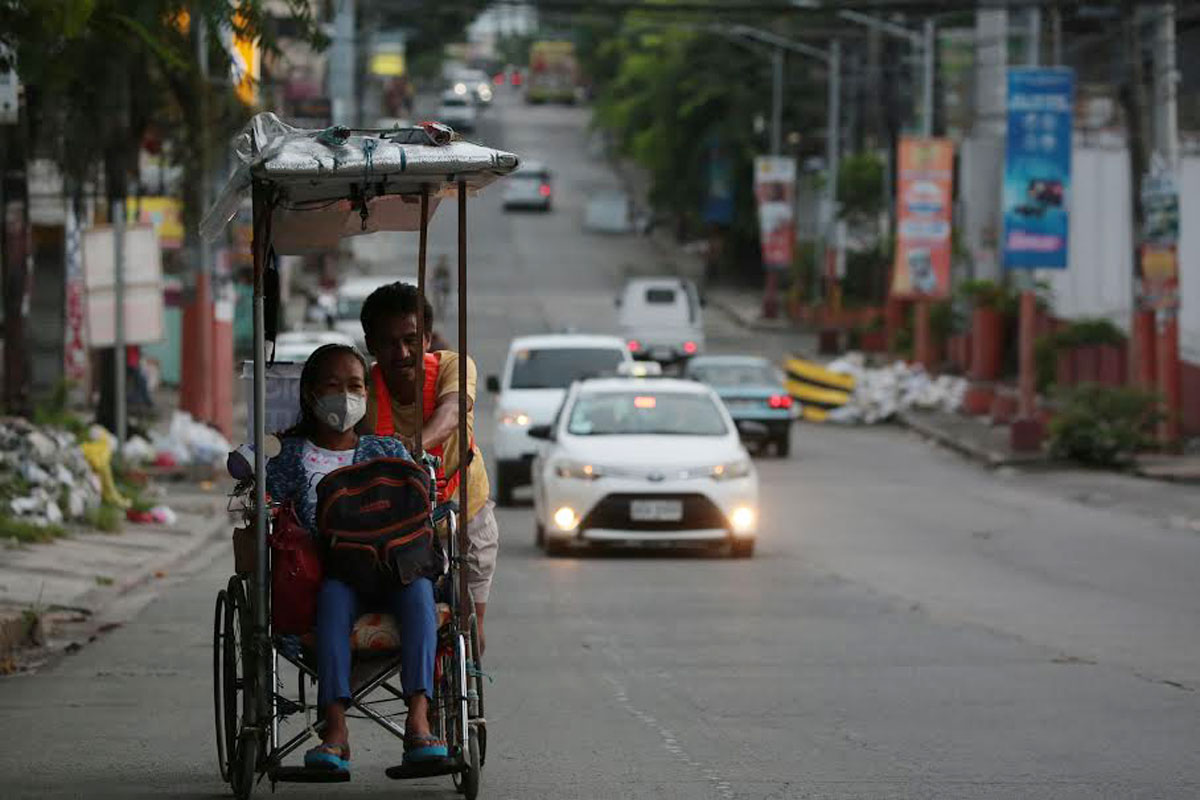
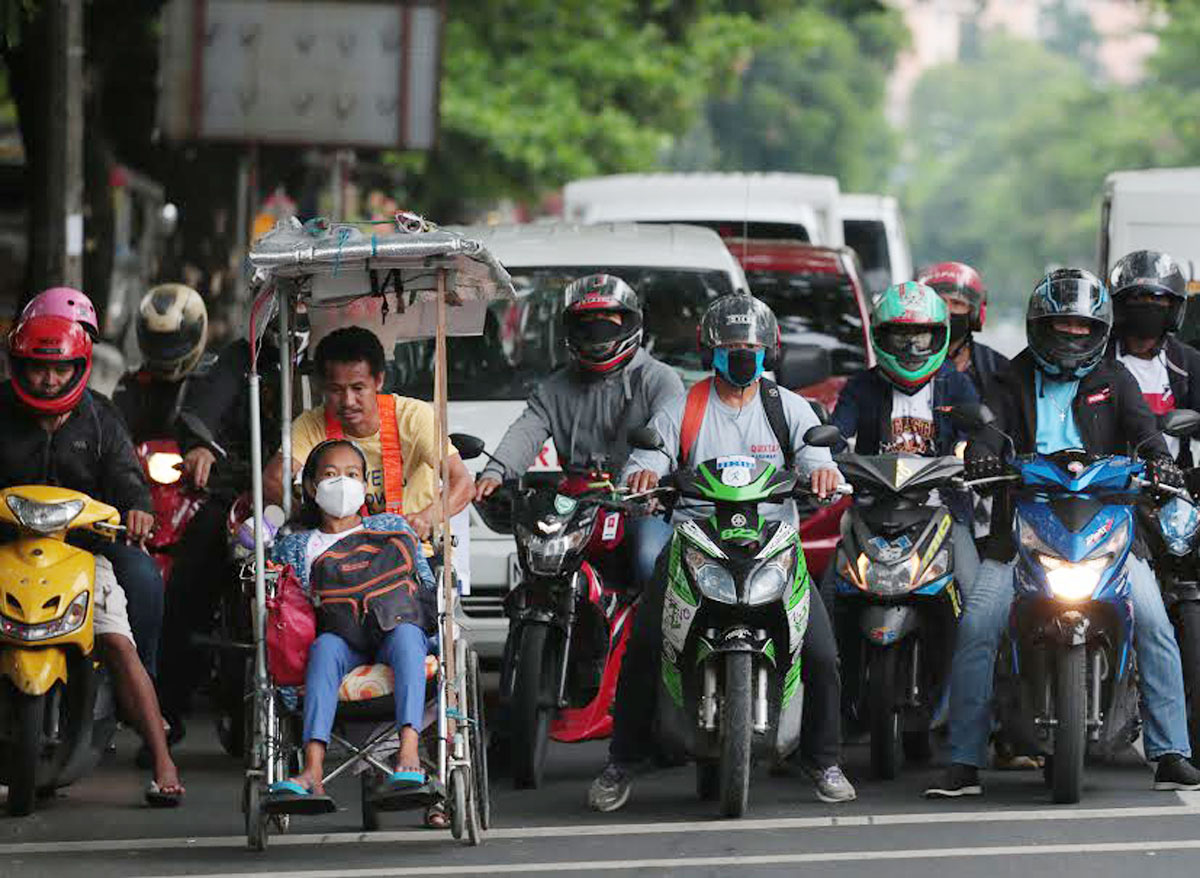
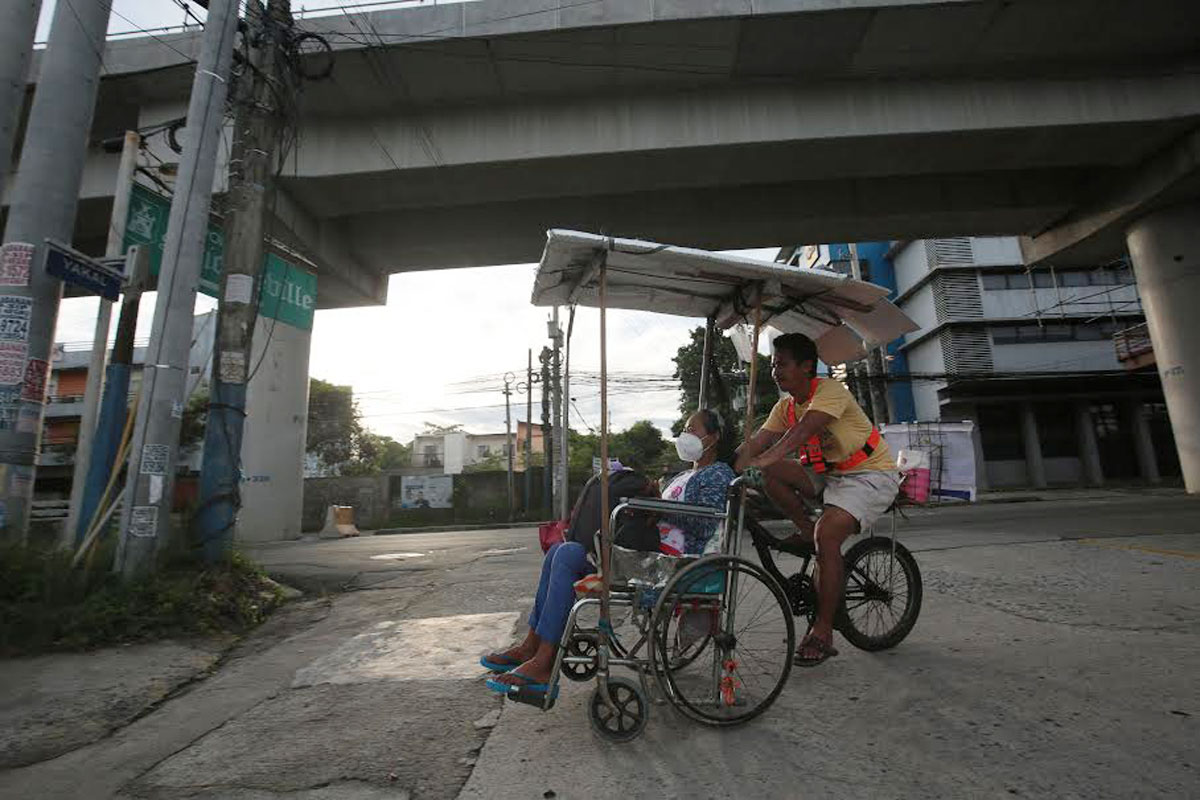
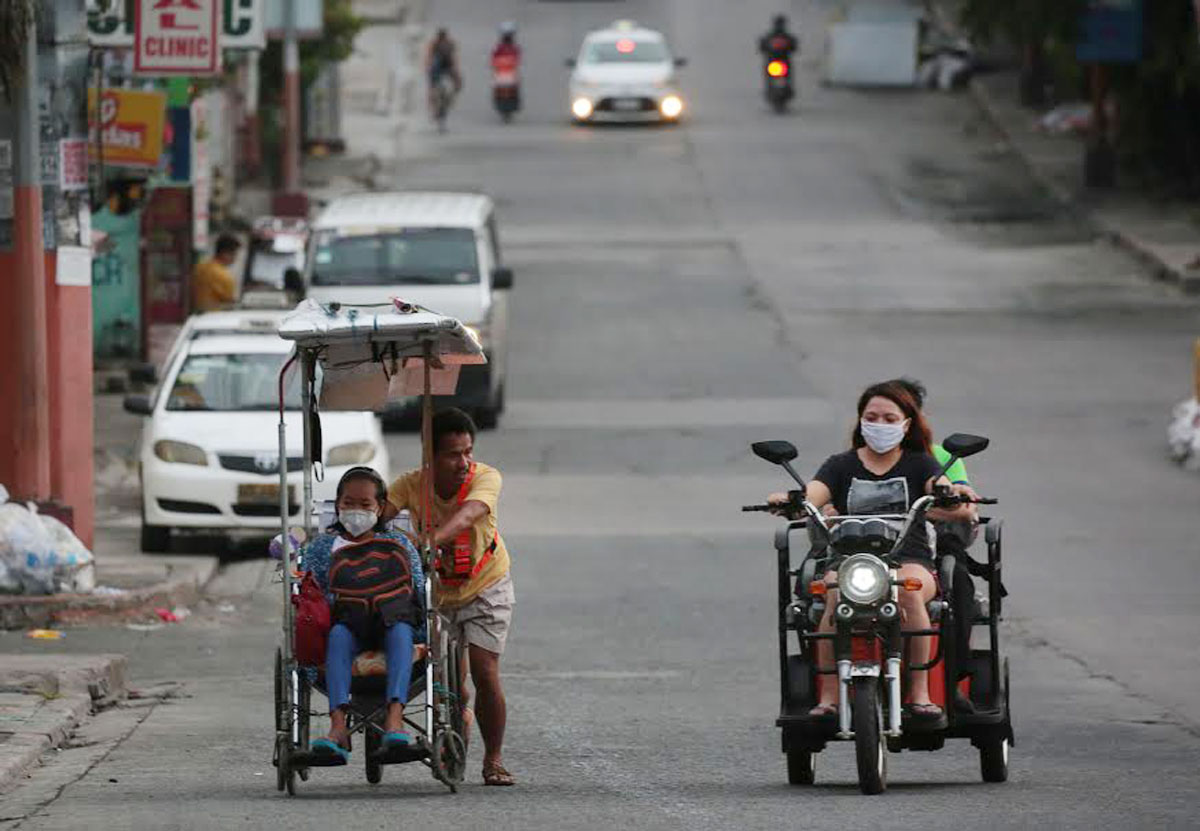
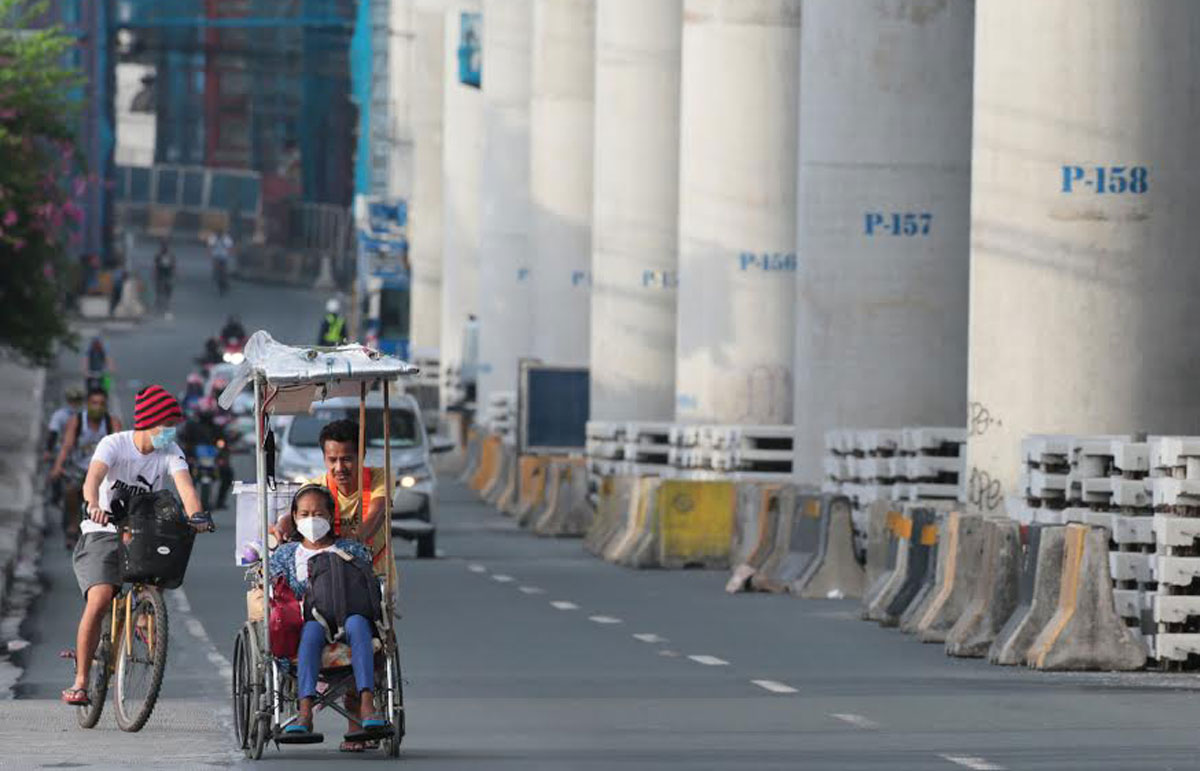
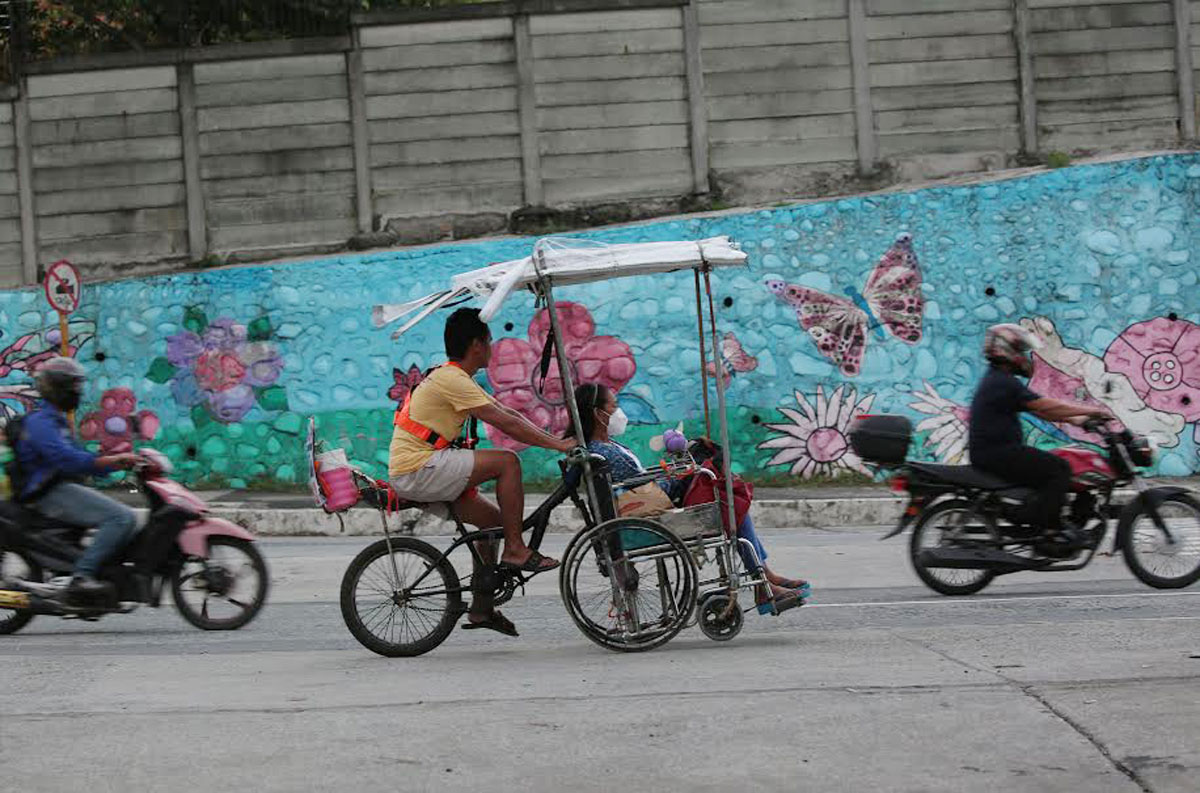
The government is being urged to address the problem of commuters as quarantine restrictions continue.
Officials maintain that they have to cut or limit public transportation services to compel people to stay at home, work from home, or ensure that people observe social or physical distancing. The officials called on employers to provide shuttle services for their workers as commuters turned to bicycles, scooters or even walking to be able to work or do errands.
Critics have assailed the government’s policy on mass transportation as anti-poor.
Stranded worker Michelle Silvertino died on June 5 after days of waiting for a bus ride to return to her family in Camarines Sur.
Police said Silvertino, 33, who worked as a housemaid in Antipolo City, was found unconscious by a concerned citizen at a footbridge along EDSA in Pasay City after being stranded for five days. She was a single mother.