



MAN-MADE DISASTER? Release Of Water From Dams, Logging, Mining To Be Probed Following Massive Floods
Typhoon Ulysses was powerful, but authorities are looking at other causes of flooding in different areas in the country that inundated villages, including the release of water from dams, illegal logging and mining.
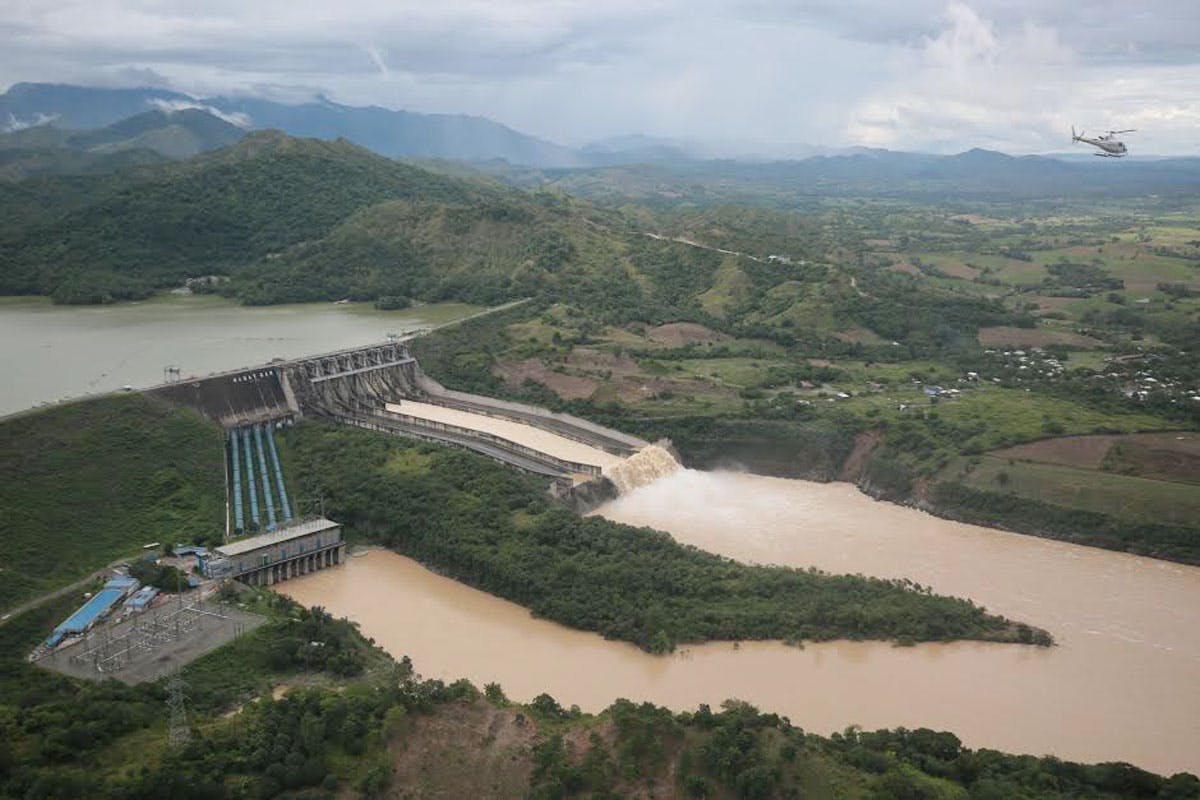
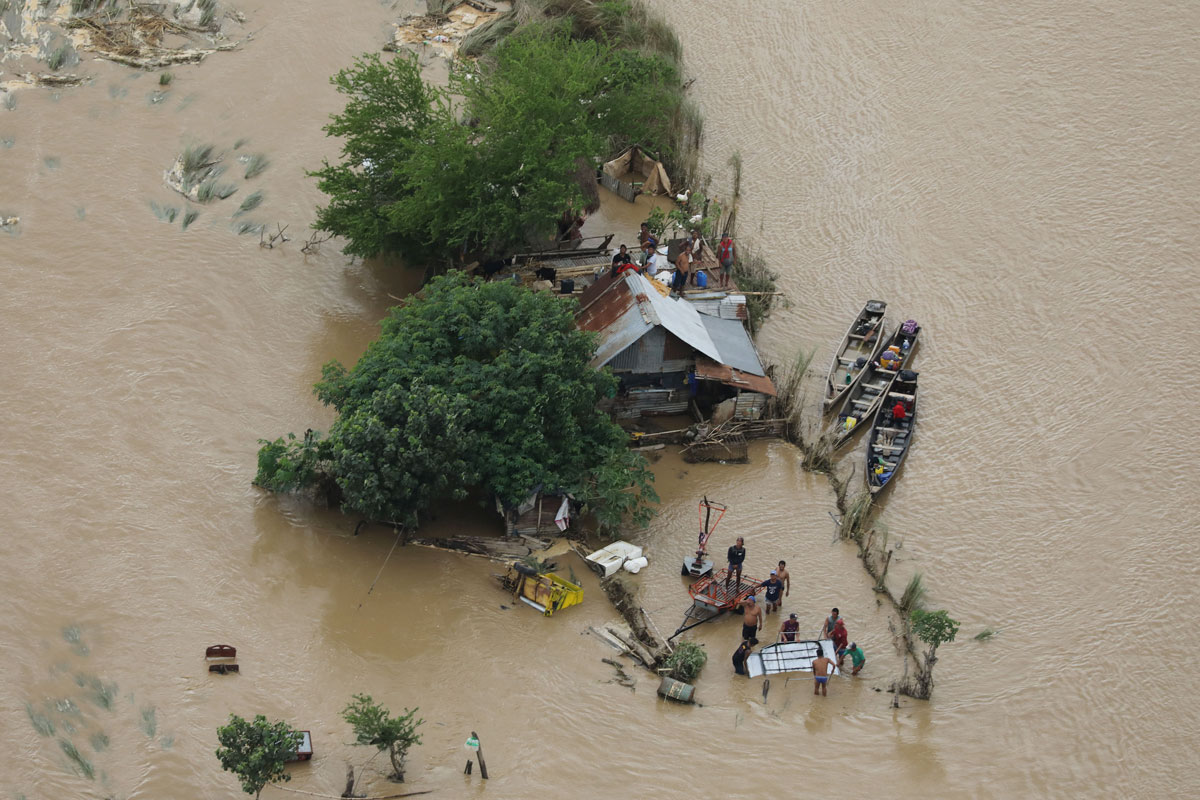
Following the massive flooding in Cagayan, Isabela, Marikina, Rizal, Pampanga and other parts of the country as Typhoon Ulysses struck, officials will look into the release of water from dams and other possible causes of the disaster such as illegal logging and mining.
Interior Secretary Eduardo Año is proposing the establishment of standard protocols for the release of water from dams for better preparation and response during times of calamities.
Año said local chief executives have voiced concern that dam administrators have different protocols on the release of water.
According to Año, standard protocols during times of calamities should be under the supervision of the National Disaster Risk Reduction and Management Council (NDRRMC).
“There must be control – who, when the dams will be opened,” Año said in a press briefing.
He said it should be the NDRRMC that will give the green light before dams can release water at the height of typhoons.
The release of water from dams reportedly worsened flooding situations in Cagayan Valley, Central Luzon, the Cordillera Administrative Region and Metro Manila.
In Cagayan and Isabela, the release of water from Magat Dam was cited as one of the contributing factors in the swelling of Cagayan River, submerging villages in floodwaters.
The Philippine Atmospheric, Geophysical and Astronomical Services Administration (PAGASA)’s hydrometeorology division disclosed that at its peak, the dam was releasing 6,706 cubic meters of water per second at maximum discharge.
In a span of 11 hours, the dam released enough water to fill 106,223 Olympic-sized swimming pools, or about two pools per second.
The dam opened seven gates by seven meters from Nov. 12, specifically from 5 p.m. to 4 a.m. the following day.
PAGASA said heavy swelling of nearly 20 tributaries of the Cagayan River due to continuous rains, especially from Typhoon Ulysses, also contributed to the massive flood in Cagayan.
Grilling expected
Senators will grill this week officials of agencies responsible for the release of water from Magat Dam.
Senate Majority Leader Juan Miguel Zubiri said he and Sen. Sherwin Gatchalian would ask the dam operators, including the National Power Corp. and the National Irrigation Administration, when their proposed 2021 budgets would be taken up in plenary.
“Water was released because the dam was full, but it appears there was no warning,” Zubiri told radio station dzRH. “We want to ask questions to the proper agencies, why they did that.”
Zubiri said flooding in Marikina City and Rizal was also partly attributed to water releases from the Angat and Ipo Dams in Bulacan.
He will also ask the Department of Public Works and Highways about existing and future government structures to be put up as these must be able to withstand winds of at least 300 kilometers per hour.
Zubiri proposed the construction of dikes in flood and lahar-prone areas in Albay, especially in communities near Mayon Volcano, after he accompanied Gov. Al Francis Bichara in an aerial survey of the damage caused by Super Typhoon Rolly in the province.
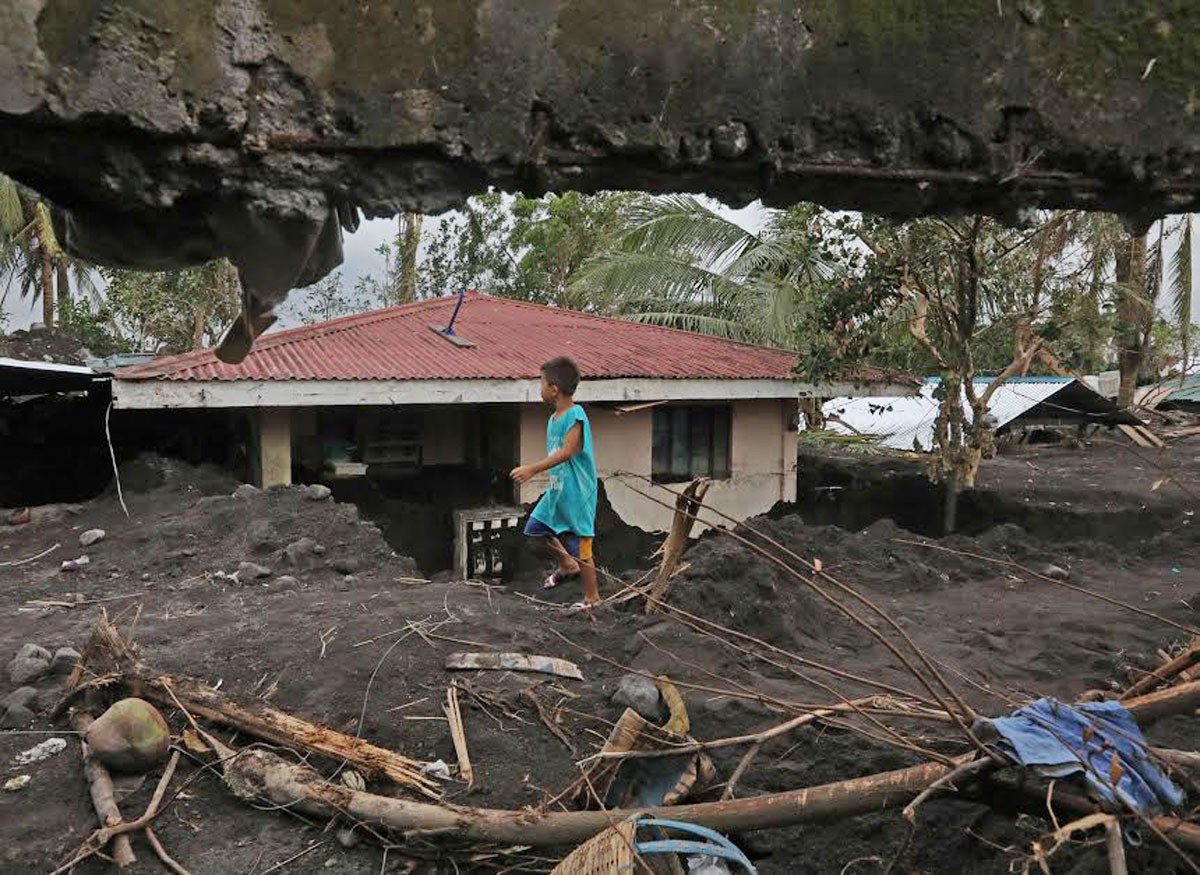
Meanwhile, Sen. Imee Marcos said decades of neglect of the country’s dams and other water infrastructure led to the severe flash floods that hit Cagayan and Isabela.
“Typhoon Ulysses brought back the horror of Ondoy. The government may have learned to prepare in advance but fell short of the magnitude of disaster,” Marcos said in a statement.
She said the 38-year-old Magat and other old dams have not been upgraded in decades, and their surrounding watershed forests have been denuded, “hence Magat would have collapsed under the deluge of Typhoon Ulysses if water was not released.”
Marcos, who chairs the Senate committee on economic affairs, is filing a bill that aims to upgrade the country’s water facilities and resources and reorganize their management amid the challenges of population growth and climate change.
With a population of about 12 million and still growing, Metro Manila will need a water supply larger than what the 52-year-old Angat Dam can provide, Marcos said.
President Duterte defended the decision of agencies to release water from dams.
“You have to release it, otherwise we'll have a catastrophe,” he said. “Every dam in this world, once it is full, you have to release water. Otherwise, you would have a catastrophe.”
Vice President Leni Robredo said Magat Dam issued a notice on Nov. 9 that it would release water, but what exactly happened could be known after her visit to Cagayan.
She said floods even in Metro Manila and Rizal were also unexpected.
Robredo noted it is important for people to understand the implications of releasing water from dams.
“Kasi kapag nag-re-release ng tubig, dapat tantiyado iyong alin bang mga lugar iyong babaha. Halimbawa, ilang gates bubuksan, alin ang mga lugar na babaha. Hindi ko alam kung mayroon noon,” Robredo said.
Besides the upgrading of dams, Marcos wants to revive flood control projects like the unfinished Parañaque Spillway, which was conceived in the 1970s, and the dredging of Laguna de Bay that was aborted in 2011, both of which could mitigate flooding in Metro Manila and neighboring provinces.
Marcos said the country can also take advantage of typhoons by creating more rain harvesting facilities that will not only reduce flooding but also increase the supply of non-potable water for agricultural irrigation, fish farming and urban sanitation.
Less than 10 percent of rainfall in the country is harvested, with most of it draining toward the sea, according to PAGASA.
Logging and mining
Environment Secretary Roy Cimatu said his department issued a cease-and-desist order on illegal small-scale mining operations following the massive flooding in Cagayan and Isabela.
Cimatu pointed out that 10 of the casualties in the region were reported in illegal mining sites.
Duterte ordered the Department of Environment and Natural Resources (DENR) to look into the mining activities in Cagayan Valley after various parts of the region were inundated by floods.
During a briefing on the impact of Ulysses in Cagayan, Duterte said mining causes holes that can loosen the soil, which in turn may place some residents at risk.
“It crops up every now and then. I will direct here… Cimatu to look into the illegal mining, especially where the people are building their shelters downwards. Kaya ’pag ano nang ano eh ’di mabaon talaga sila kasi dadaan sila (If it continues, they would get buried),” Duterte said.
“If... the possibility is not there for them to stop, at least…Cimatu should devise a way where they can place their houses well above the rolling stones if they come,” he added.
Duterte vowed to boost forest protection efforts against illegal logging and mining to prevent a repeat of the disaster.
“Whenever there are rains or typhoons, either with winds or just water pouring from the heavens, we always talk about illegal logging and mining, but actually nothing has been done about it,” the President said. “What is important is to control mining to prevent the holes, which allow water to enter the soil. It loosens the soil.”
In a separate meeting with Cabinet members and local officials in Camarines Sur, Duterte expressed support for the Bicol River Basin development proposal, which local officials said would help prevent floods.
“Avoid committees. Look for the guy that is really competent and knows his business and he will put his heart to it. If I say finish it, finish it. Frankly, I can get that kind of response from the military. One word is enough,” the President said.
In a briefing, Cimatu said he was already in talks for several projects that could help prevent massive flooding in the future.
The projects include dredging operations in the Cagayan River, which could not carry the volume of water from the recent rains.
“The only thing we can do is improve the volume of water that Cagayan River can accommodate,” Cimatu said.
The DENR is eyeing to tap the private sector for the dredging activities to reduce the costs to the government.
Cimatu declined to comment on how much of the flooding was actually caused by the release of water from Magat Dam, aside from other contributing factors such as the swelling of smaller rivers in the basin.
Cimatu is also batting for a reforestation or greening program in the mountain ranges. He conceded that the Philippines is already experiencing the effects of climate change, with stronger typhoons pummeling the country.
Cagayan Gov. Manuel Mamba said that flooding in the province has been worsening every year and that national government interventions are needed, such as dredging operations and regreening programs.
Año and Transportation Secretary Arthur Tugade echoed Cimatu’s proposal on reforestation, saying that private citizens or even public transport operators should be mandated to take part in the program.
They noted that the Department of Education and the Commission on Higher Education should also encourage students to take part in tree-planting programs.


