



Fearless: The Defining Moment Of Judge Jocelyn Solis-Reyes
Almost 10 years after the trial began on Jan. 5, 2010, Solis-Reyes handed down the verdict yesterday on several of the accused in the Maguindanao massacre, including key members of the Ampatuan clan.
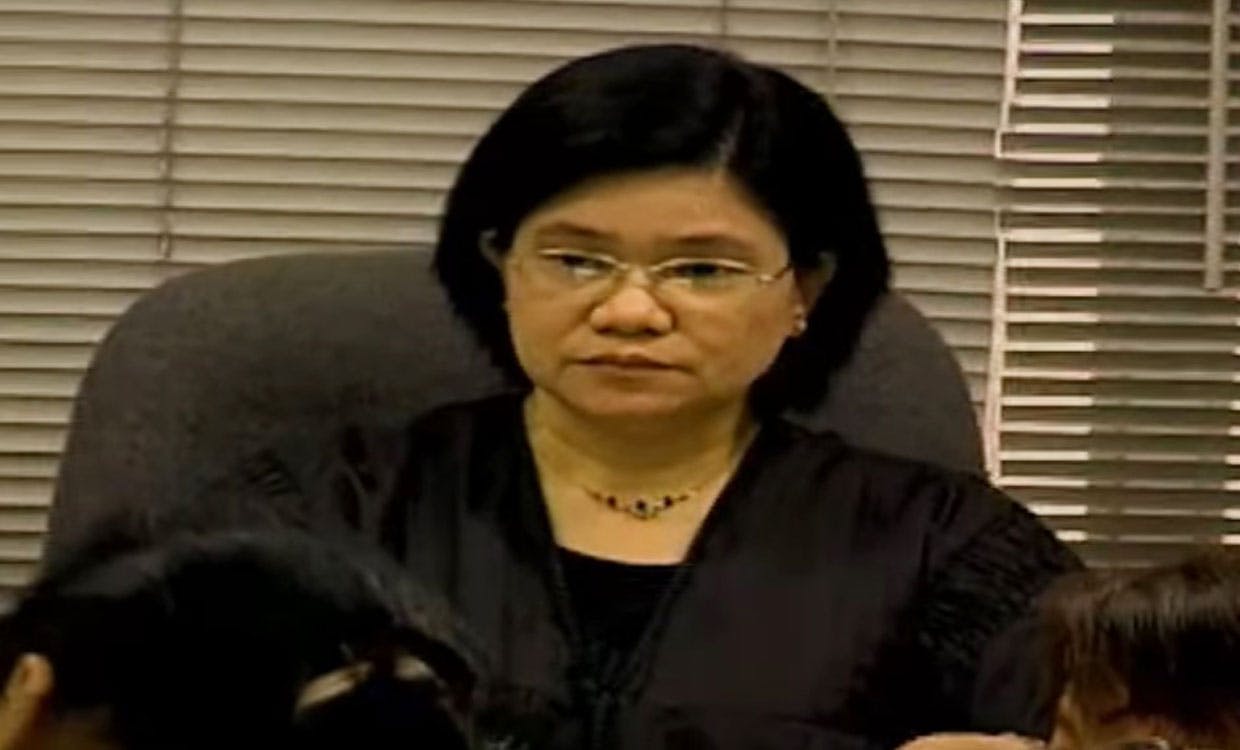
Jocelyn Solis-Reyes, presiding judge of Quezon City Regional Trial Court (RTC) Branch 221, was in the middle of a Christmas party for her branch on Dec. 17, 2009 when she received word that the Maguindanao massacre case had been re-raffled and landed in her sala.
The case, considered as the country’s worst election-related violence in the country, was initially raffled to another judge, Luisito Cortez, who turned it down over personal security concerns.
Unlike Cortez, Solis-Reyes accepted the case without question.
“Judge Reyes has accepted the case, but she declined police security,” former Philippine National Police deputy director general and former head of the Task Force Maguindanao Massacre Jefferson Soriano told The Philippine STAR on Dec. 17, 2009.
Despite Solis-Reyes refusal to get a security detail, Soriano still provided the judge and her staff with “shadow security.”
“She doesn’t want security. Judge Solis claimed this case is an ordinary case,” Soriano said. “I told her we are here to secure her 24/7.”
Instead of police escorts, Solis-Reyes requested then Supreme Court spokesperson (now court administrator) Midas Marquez for additional staff such as researchers who could help her review the pleadings, documents and stenographic notes during the course of the proceedings.
For her courage in accepting the case, she has earned her place in history.
Almost 10 years after the trial began on Jan. 5, 2010, Solis-Reyes handed down the verdict yesterday on several of the accused in the massacre, including key members of the Ampatuan clan.
Among those she sentenced to life in prison or up 40 years for 57 counts of murder are masterminds and principal perpetrators Andal “Datu Unsay” Ampatuan Jr., Anwar Ampatuan Sr., Zaldy “Puti” Ampatuan, Anwar “Ipi” Ampatuan Jr. and Anwar Sajid “Ulo” Ampatuan.

Despite the high-profile suspects she tried for involvement in the massacre, little is known about Solis-Reyes herself.
Throughout the course of the proceedings, she refused to grant interviews with the media. What is known about her came mainly from limited information provided by her staff and those close to her.
According to Supreme Court records, Solis-Reyes obtained her law degree from the University of Santo Tomas. She pursued the course upon the request of her mother, who did not finish law school. Solis-Reyes passed the Bar in 1987 with a score of 80.80 percent.
Had Solis-Reyes refused to follow her mother’s wishes, she would have been a journalist — like the 32 media workers murdered in the single deadliest event for journalists in history — as she had studied journalism at the Lyceum of the Philippines before taking up law.
In 1992, Solis-Reyes entered government service as a public attorney, a job she held until 1995. She served as a public prosecutor from 1995 to 2000, until she was appointed as judge of municipal trial courts in Angeles, Pampanga and Olongapo, Zambales for two years.
In 2004, she became the presiding judge of QC RTC Branch 221, where she presided over some 700 cases, including around 400 criminal cases, until she was appointed to preside over the Maguindanao massacre trial.
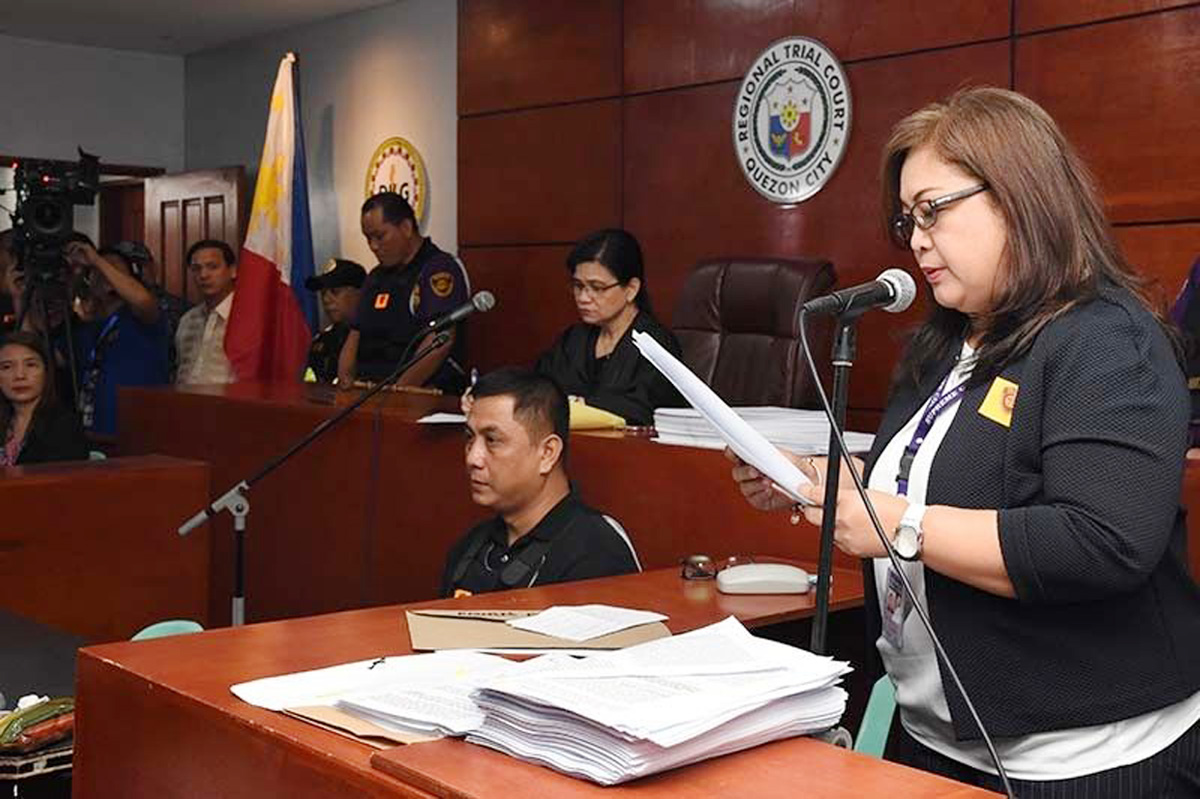
To ensure a speedy trial and allow Solis-Reyes to focus on the case, the Supreme Court appointed in September 2010 Judges Rowena Tan of Caloocan RTC and Vivencio Baclig of QC RTC to assist her in resolving the multiple cases pending in her sala.
Early in the course of the trial, defendants tried to get Solis-Reyes to inhibit herself from the case. They filed several petitions for recusation, accusing her of bias against the defendants.
In one of the motions, they assailed her order to a defense counsel and jail officials to explain why they allowed a nurse and a doctor inside the defendants’ detention facility without the court’s approval. Solis-Reyes junked all the attempts to have her recuse from the case.
Amid the accusations of bias, Solis-Reyes verdict yesterday did show how she approached the case based on the evidence available — if not the absence of it.
In her verdict, she acquitted the accused in the murder of the 58th victim, journalist Reynaldo Momay, for lack of a corpus delicti. Forensic investigators never found Momay’s body at the massacre site although they found his dentures as well as the motorcycle he borrowed to attend the Mangudadatu press conference.
Prior to yesterday’s promulgation, Solis-Reyes’ requested the Supreme Court for more time to determine the verdict, which resulted in a voluminous 761-page decision.
Like any government employee, Solis-Reyes has sought career advancement. Since 2013, she has been aspiring for a promotion and has applied several times for a position in the Court of Appeals, but then chief justice Maria Lourdes Sereno convinced her repeatedly to withdraw her application and complete the trial of the massacre case first.
Supreme Court Chief Justice Diosdado Peralta, a former professor of Solis-Reyes, praised days before her promulgation yesterday.
“She has been doing her job very well,” Peralta told BusinessWorld on Dec. 9, 2019. “I think she gave especially the accused the required due process under the Constitution,” the chief magistrate said. “We have exhausted all the trial days in order to defend themselves, she has nothing to fear.”


