



Doctor Says Seeing Patients Die ‘The Worst In The World’
A nephrologist admits the COVID-19 outbreak can hit health workers like him hard not just physically but also emotionally.

The coronavirus disease 2019 (COVID-19) hit 44-year-old nephrologist Brian Michael Cabral hard when he lost two of his patients at the same time on Palm Sunday, April 5 – and both happened to be family friends.
In an interview with The Philippine STAR, Cabral said losing a patient is “never easy, and it hurts more when it’s someone you’re close to.” He described the feeling as “the worst in the world.”
“You want to save everyone but you know you can’t. Then one day, they look like they’re on the way to getting better, and in a minute they can be gone. Two of the five family friends (I am caring for) have actually passed away. … It was probably the worst day of my life,” Cabral, a clinical associate professor at the Philippine General Hospital, admitted.
The two patients are parents of his friends. There is no cure yet for COVID-19, but there are patients who have recovered, some after medical interventions, and others by simply resting, without attempts at treatment.
Cabral recalled breaking down in tears on a couch with his wife Mitos, an endocrinologist, sitting next to him when he arrived home that day. He felt he had let down his friends and family.
“Doctors are supposed to have thicker skin, I know. But COVID-19 and its effect, its toll on everyone, including friends and family – it isn’t something any of us has ever seen before. It’s hard for us to handle, not just physically, even more so emotionally,” he said.
He notes that in the case of COVID-19, some doctors can no longer treat people they do not know as they now have to take care of family members, friends, or relatives of friends.
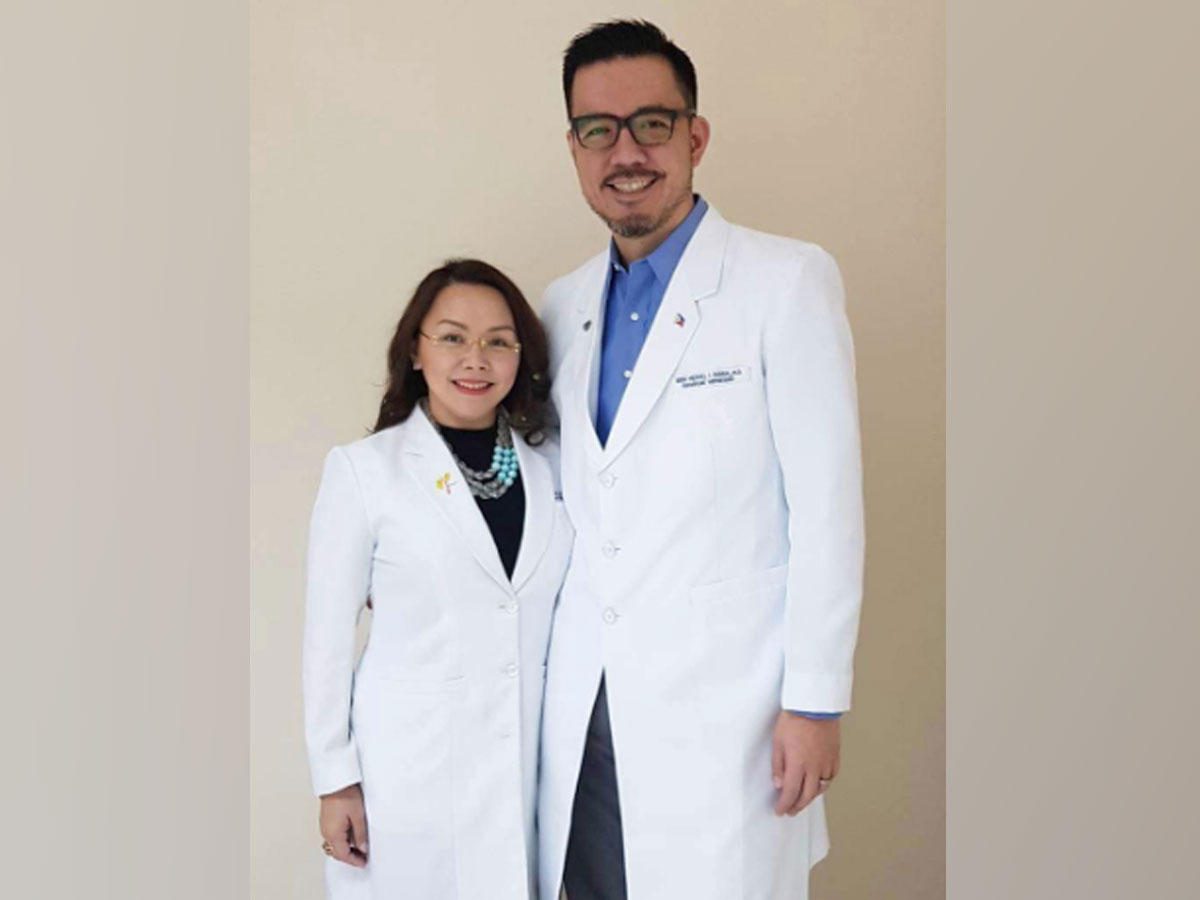
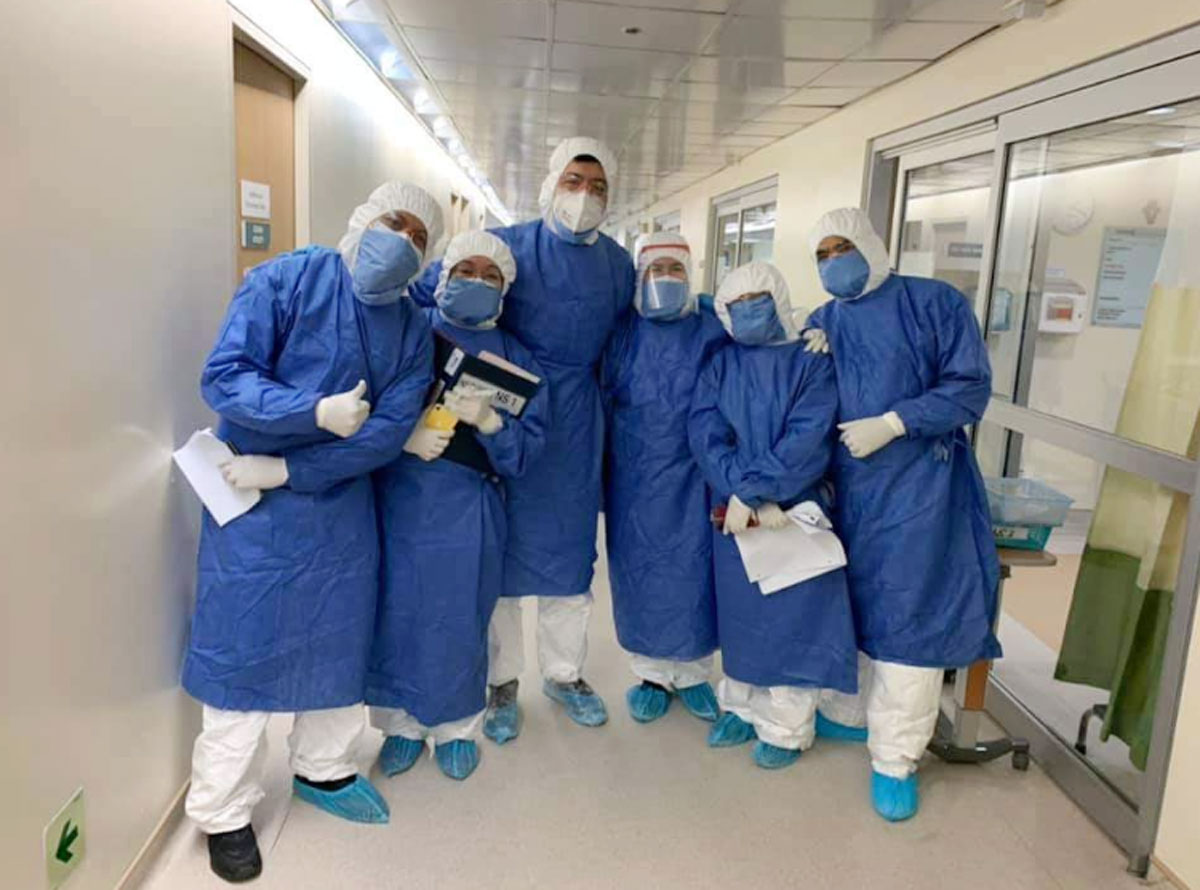
The youngest son of former health secretary Esperanza Cabral, Brian Michael belongs to a family of doctors. Aside from his wife Mitos, the other frontliners in the family are his sister, Dr. Patricia Anne Cabral-Prodigalidad and her husband, Dr. Jose Vicente Prodigalidad.
Even with his family background of dealing with health problems, this father of three children is not prepared for COVID-19.
“No one is prepared. Nothing can prepare you for something like this. Although being able to come home, and share it with a family who knows what doctors do and the lives doctors lead, makes it a little easier I guess. But no, I don’t really think I’m that much more prepared,” he said.
A former medical director of St. Luke’s Medical Center, Brian Michael confesses that he is also “very worried” for his own safety. However, the thought that patients need him keeps him going.
“I’d be crazy if I wasn’t worried. But people need us – doctors, nurses, the whole system – and if I stay home, that means more work for the next guy,” Cabral said.
He added that his family is “the kind that does not really just sit down during a crisis,” and this gives him strength and inspiration.
“My parents always taught us that you couldn’t just watch a problem or be upset about a certain situation and then just be an observer. The bigger question was always, ‘What are you going to do about it?’ In fact, their question was, ‘What did you do about it?’ The assumption was that we already tried to do something about it, even before we brought the issue to their attention,” Cabral stressed.


