



US Centers for Disease Control and Prevention Officially Opens Country Office In Manila
Through its new office in Manila, the Centers for Disease Control and Prevention will provide the Department of Health with critical technical assistance and support services on various concerns.
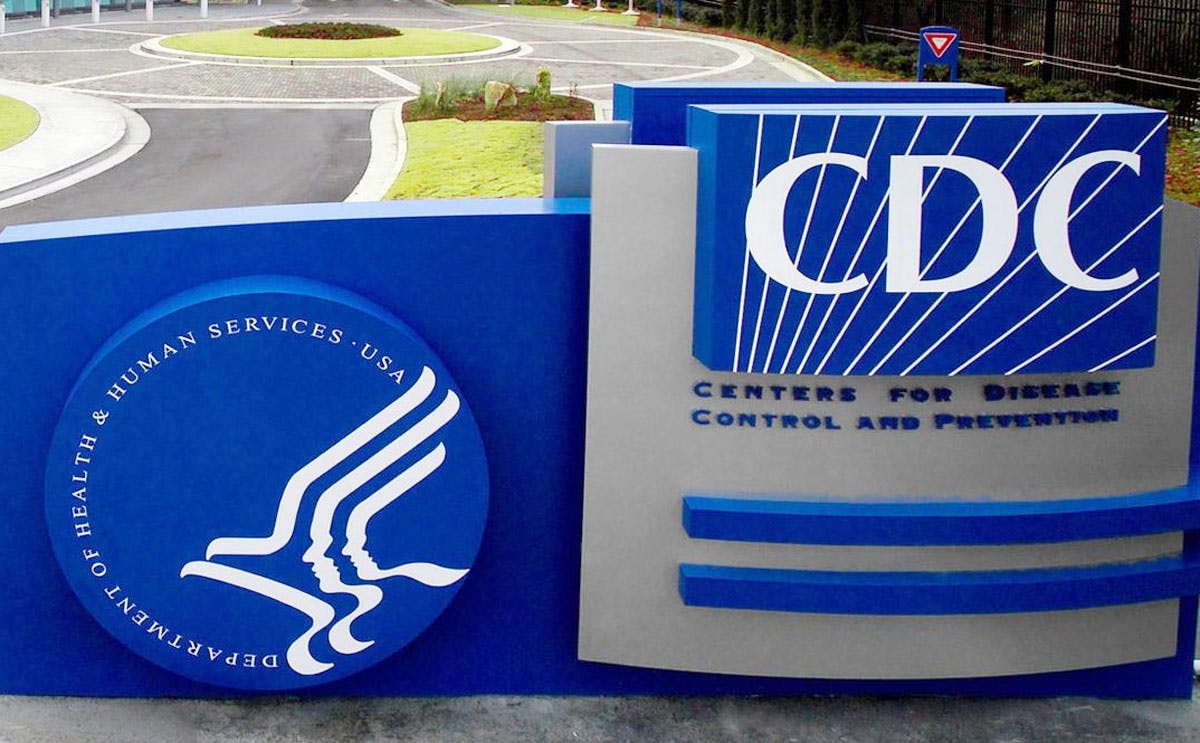
The US Centers for Disease Control and Prevention (CDC) officially opened this month a new country office in Manila as part of its commitment to strengthen and expand its existing cooperation with the Department of Health (DOH) to advance a broad range of shared health priorities, including increased health security in Asia, the US embassy in Manila said on Monday, May 23.
The new country office in Manila and the existing cooperation will help advance a broad range of shared health priorities, including increased health security in Asia.
CDC is the United States’ public health agency and lead implementer of the US President’s Emergency Plan for AIDS Relief (PEPFAR).
Through its new office in Manila, CDC will also provide DOH with critical technical assistance and support services to intensify the country’s HIV and tuberculosis prevention, treatment and care efforts, and to slow the twin epidemics.
“Partnering on health issues is not new to our 75-year history of diplomatic relations, but the opening of a CDC Philippine office and signing this MOU strengthen this key aspect of our bilateral relationship,” US embassy Chargé d’Affaires ad interim Heather Variava said.
“As this pandemic has shown us, nations working together in partnership and with transparency to prevent, detect and respond to health threats is more important today than ever,” she added.
Dr. Romel Lacson will serve as CDC’s first country director for the Philippines. In collaboration with partners, Lacson will implement CDC-supported health programs and lead the agency’s peer-to-peer relationship with the DOH to address shared health priorities.
“In this new era, partnership is more essential than ever. We must be willing to take on challenges together and create opportunities together. This is why the launch of this office and our work together is so important,” Lacson said.
The DOH and the US Department of Health and Human Services (HHS) also commemorated the signing of a Memorandum of Understanding on Health and Medical Sciences focused on increasing collaboration between the US and the Philippines on public health emergency preparedness and response; prevention and control of vaccine-preventable and communicable dis-eases and prevention and control of non-communicable diseases.
“The COVID-19 pandemic is a poignant reminder of why strong international partnerships are so critical for our global health security. With the opening of the US CDC Philippines country office, we are further reinforcing the long-standing HHS partnership between our two countries and our work together to build a healthier world,” HHS assistant secretary for global affairs Loyce Pace said.
In the last four years, the Philippines experienced the fastest-growing HIV epidemic in the Southeast Asia/Pacific region, with a sevenfold increase in newly diagnosed cases from 2010 to 2018.
Due to this increased HIV burden, the Office of the US Global AIDS Coordinator and Health Diplomacy included the Philippines in the 2020 PEPFAR Asia region program.
The embassy said the launch of the CDC Philippines country office illustrates CDC’s and DOH’s commitment to continue to work together to prevent and control diseases, strengthen public health emergency preparedness and response and expand health security capacity.
In August, Vice President Kamala Harris launched the US Centers for Disease Control and Prevention Southeast Asia Regional Office in Hanoi, Vietnam, at a ceremony that included the US secretary of health and human services, US CDC director and deputy prime ministers and health ministers from eleven countries.
The new CDC Southeast Asia Regional Office strengthens CDC’s ability to meet its mission of protecting Americans and people of the region by responding more rapidly to health threats wherever they occur and building key relationships to tackle shared health priorities.
In addition to the Southeast Asia Regional Office, CDC also established regional offices in Eastern Europe/Central Asia (Georgia), Middle East/North Africa (Oman) and South America (Brazil).
Media freedom
Highlighting the media’s significant role in democratic societies, the United States emphasized the need to find ways to make media freedom a reality and protect freedom on the digital frontiers and in traditional media.
Chargé d’Affaires Variava visited Tawi-Tawi on Thursday, May 19, to promote shared US-Philippine values of press freedom and to strengthen the already robust collaboration with local partners for inclusive peace in the region.
In her keynote address at Mindanao State University-Tawi-Tawi College of Technology and Oceanography’s World Press Freedom Day event, Variava emphasized the media’s significant role in democratic societies to the audience of more than 100 students and faculty.
“It is important for our democracies and for our future that we find ways to make media freedom a reality. We need to protect these freedoms on the digital frontiers and in traditional media,” Variava said.
During her trip, Variava also engaged with local government officials, met with Armed Forces of the Philippines Joint Task Force Tawi-Tawi Commander Brig. Gen. Romeo Racadio and toured the American Corner at the university.
Variava’s discussion with Racadio, alongside members of US Special Operations Task Force 511.2, focused on working together to strengthen maritime security posture and address security challenges in the South China Sea and the Sulu archipelago.
Since 2003, the US government-supported American Corner Tawi-Tawi has been a library and community resource space for the university community.


