



UNHRC Member States Ask Philippines To Rejoin ICC
Justice Secretary Jesus Crispin Remulla said the government is not yet keen on the idea of rejoining the ICC as many consultations have to be made before reaching a decision.
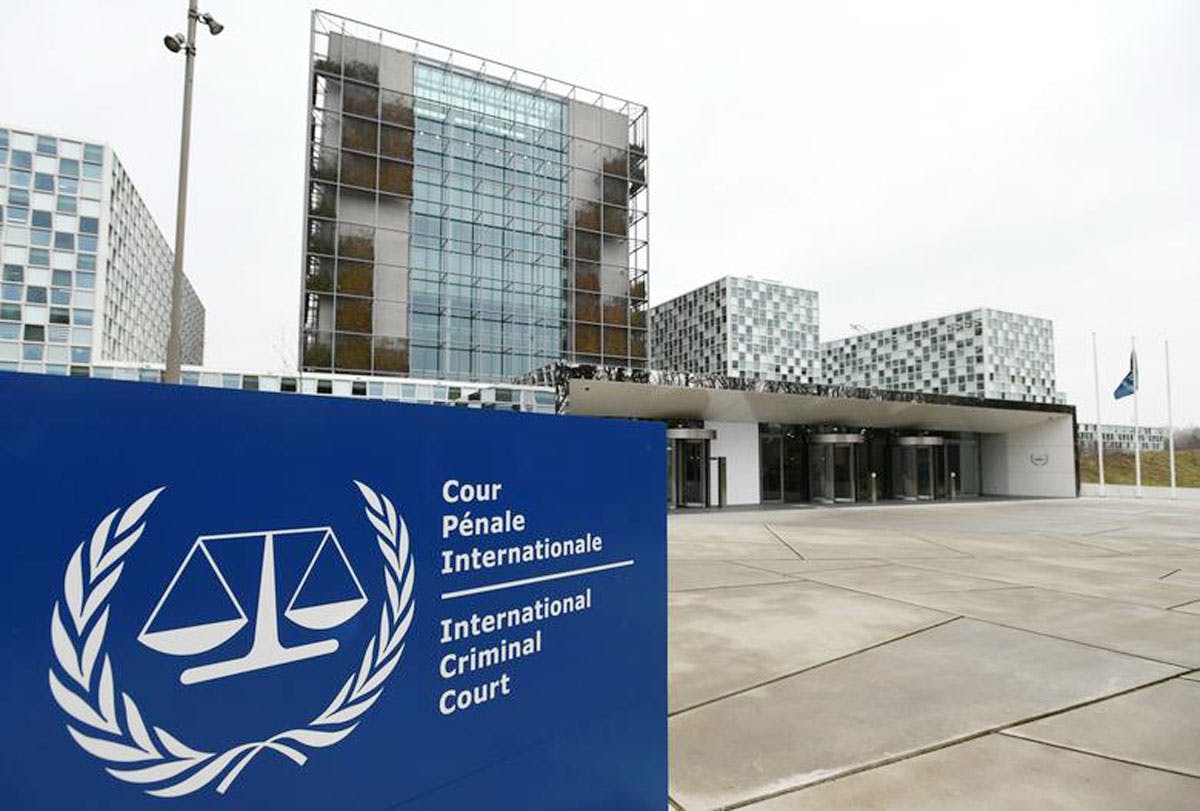
Member states of the United Nations Human Rights Council (UNHRC) have recommended that the Philippines rejoin the International Criminal Court (ICC), Justice Secretary Jesus Crispin Remulla disclosed on Friday, Nov. 18.
However, he said the country is not yet keen on the idea as many consultations have to be made before reaching a decision.
“They are telling us to rejoin the ICC, (that is) their recommendation. (But) that is already something that we have to consult every sector about,” Remulla said when asked if there were invitations from the UNHRC during the fourth cycle of the Universal Periodic Review (UPR) of the Philippines.
Remulla, who led the Philippine delegation during the recently concluded UPR of the country in Geneva, Switzerland, stressed that the Philippines’ legal and justice system is working fine and is not like “Sudan, African country in trouble that has no government running the show.”
“I have to consult the former president (Rodrigo) Duterte. I have to consult the Senate. I have to consult everybody who wishes to look into rejoining the ICC,” he said during a chance interview at the Department of Justice compound.
He added that rejoining the ICC is something the government has to seriously think about.
“We have to always think if it’s practical, necessary or beneficial for our country. We do not jump in and say ‘because they say it, we do it.’ We don’t do that,” he stressed.
The recommendation for the Philippines to rejoin the ICC was among 297 recommendations the UNHRC gave.
Of that number, Remulla said 200 were already accepted. These included the UN Joint Program, the Philippine Commission on Human Rights, a National Human Rights Action Plan and combating discrimination and gender-based violence.
The government also agreed to maintain a moratorium on the death penalty, prevent extrajudicial killings, conduct independent investigations, decongest prisons, further expand access to justice and protect human rights defenders and journalists.
It also gave a nod to the recommendations to promote the rights to education, health and adequate standard of living, as well as to uphold the rights of persons with disabilities, indigenous peoples, women, children, refugees and stateless persons.
Also accepted was the recommendation on the investigation of drug war deaths in the Philippines, although the country rejected the idea that a drug-related killing is automatically a case of extrajudicial killing.
The justice secretary described the remaining 97 recommendations as having “no solid basis for the country to accept.”
“We did not accept those that are culturally reprehensible. Abortion. I don’t think that we’re ready for the idea of over-the-counter abortion. I don’t think we want that,” he said.
Remulla also assured the UNHRC that Manila will work on all recommendations and submit reports by next month.
Meanwhile, the international watchdog Human Rights Watch (HRW) slammed the Philippine National Police (PNP) and the government’s delegation to the 4th UPR cycle for “downplaying the human rights situation in the country.”
In a statement issued on Friday, Nov. 18, HRW Asia division deputy director Phil Robertson criticized the “undercounting” of the number of people killed from the drug war under the current administration, referring to a PNP report that said the death toll was “very minimal” with only 46 deaths since President Marcos took office on June 30.
Robertson said this is far below the estimate of the University of the Philippines’ Third World Studies Center of 127 deaths from July 1 to Nov. 7. The study also said that a majority of the victims were killed by state agents despite the PNP’s claim of a “bloodless” anti-narcotics campaign.
PNP spokesperson Col. Jean Fajardo said they have no reason to undercount figures as the HRW claimed, explaining that all reports on anti-illegal drug operations are sent to their data-base.
She added that the PNP is transparent in reporting the deaths and its data is clear and factual. – With additional reports from Elizabeth Marcelo and Emmanuel Tupas


