



‘Time To Move On From COVID Alert Levels’
“This would be the right time for us to focus on the health of our economy,” Presidential adviser for entrepreneurship and Go Negosyo founder Joey Concepcion said.
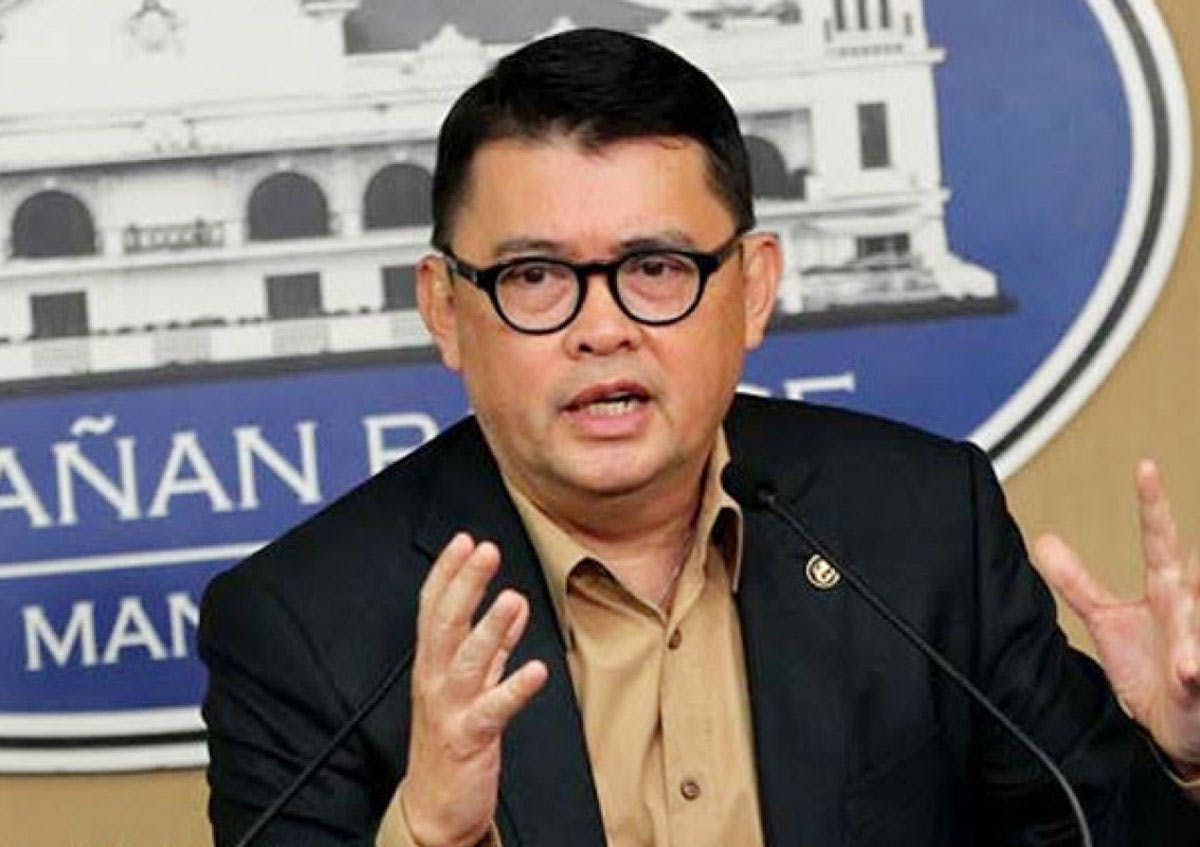
Presidential adviser for entrepreneurship and Go Negosyo founder Joey Concepcion believes it may be time for the country to move on from alert levels, as COVID-19 infections continue to be under control, and most areas – including the National Capital Region – remain under Alert Level 1.
He also said the government should be imposing restrictions based on high-risk areas and activities.
“This would be the right time for us to focus on the health of our economy,” he said in a statement on Sunday, May 29, noting the economy is now at a crucial stage in its recovery.
“The faster way to economic recovery is to approach it now with our victories in mind,” he said.
While other countries in Asia have seen COVID-19 cases surge, he said the Philippines has managed to keep both infection and hospitalization rates low even as vaccination rates in the country have plateaued.
“Filipinos seem to have learned to live with the virus,” Concepcion said as he pointed out that people still wear face masks and as revealed by an OCTA Research survey, would continue to do so even after COVID has been under control.
He believes wearing face masks remains important particularly in public spaces and public transportation.
With people able to freely move around, he is of the view restrictions have to be based on high-risk areas and activities.
He said face masks and full vaccination status, for instance, may be required only in areas where COVID-19 rates are increasing or those considered high risk for infections.
“We would bounce back much faster if we apply a granular approach, not just on locations but to activities,” he said.
Given the excess vaccine supply, he advised the next administration to use these as second boosters for economic frontliners.
At present, second boosters are only recommended for health care workers, senior citizens and the immunocompromised.
Policy changes point to a less heightened public health emergency in the country which is considered to be at low-risk levels.
“An obstacle right now is the mindset that we are still under an emergency, but it seems we have already learned to live with COVID. But this will not be the final pandemic, so we should start refining our public health warning system,” Concepcion said.
He suggested continuing an alert level system based on health care and intensive care unit bed utilization rates instead of infection rates.
“There will be surges and we will just have to apply what we already know about treating and containing the cases, but we should not be alarmed when infection numbers rise as long as our hospitals are within safe limits,” he said.
He said the imposition of restrictions makes it challenging for businesses to generate the revenues and taxes needed to pay the country’s debts, which reached a record P12.69 trillion as of March.
“This would be disastrous not just to our growth, but in case another pandemic happens, and we need money to buy testing equipment and vaccines,” he said.


