



Senate Probe Sought On BSP’s ‘Impractical’ Coins, Banknotes
Two senators questioned the practicality of the Bangko Sentral ng Pilipinas’ practice of changing the country’s notes and coins following public confusion over the care and use of the new P1,000 polymer bills.
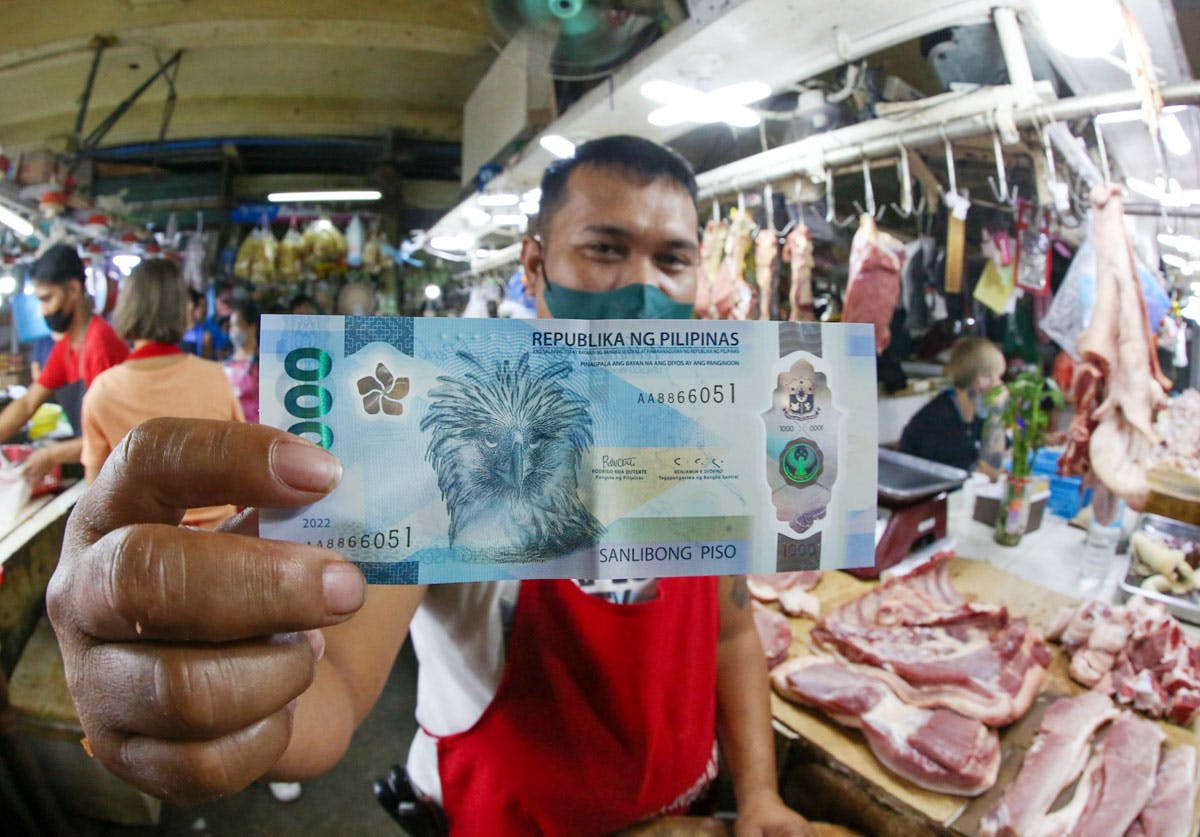
Senators are seeking an inquiry into what they described as an “impractical inclination” of the Bangko Sentral ng Pilipinas (BSP) of frequently changing the country’s banknotes and coins at the expense of taxpayers.
Senators Aquilino Pimentel III and Joel Villanueva in separate statements issued on Wednesday, July 13, questioned the practicality of the BSP’s practice of changing the material, composition and appearance of the country’s notes and coins following public confusion over the care and use of the new P1,000 polymer bills.
“What we need for our currency is simple: it should be easy to use in any transaction and has enough protection against counterfeiting,” Villanueva said in Filipino.
“Whatever material the BSP will use for our banknotes, practicality and security remain the important consideration for every new design for our money,” he added.
Villanueva stressed the BSP must improve its information drive on the new polymer notes to avoid confusion.
Stop issuance
Pimentel asked the BSP to stop the issuance and production of the P1,000 polymer banknotes in the wake of mounting complaints about its practical use as legal tender.
He filed a resolution urging the Senate to inquire into BSP’s inclination to constantly change banknotes and coins.
Pimentel said the BSP’s decision to use polymer instead of the indigenous abaca or Manila hemp in its new P1,000 bills is not only detrimental to the livelihood of local abaca producers but also impractical to many Filipinos who are used to storing their bills in their pockets, purses or wallets.
“The issuance of these polymer bills to replace our old banknotes is absolutely absurd. Our bills should be designed in such a way that they can withstand a minimum amount of abuse like crumpling and folding,” he said.
While polymers are supposed to be sturdier than abaca, it does not have the needed flexibility to allow people to safely store their bills in their pockets, purses, money clips or even small wallets. Polymers are also very sensitive to chemicals, Pimentel said.
He expressed concern that the replacement of abaca as a material for producing the P1,000 banknotes could negatively affect the country’s $97.1 million per year abaca industry.
According to the Department of Agriculture, the Philippines dominates the global abaca trade as the country supplies about 87.5 percent of the world’s abaca fiber requirements.
Ecuador and Costa Rica supply the remaining 12.5 percent as of 2016.
In his resolution, Pimentel said there is a need to find answers to questions regarding the BSP change of design of the country’s coins and notes, such as: “Who else or what other agencies or offices are involved or consulted whenever a decision changing the monetary design of the Philippine peso is made by the BSP?
“How much is the cost to the Filipino taxpayers whenever bank notes and coin designs are changed? What were the problems encountered by the BSP when the ‘New Design Series’ was demonetized?” Pimentel asked.


