



Reporters Shut Out Of Impeach Debates
While TV network cameras and their operators were allowed inside the session, reporters were herded out of the plenary hall as Senate President Francis Escudero banged the gavel signaling the start of the session.
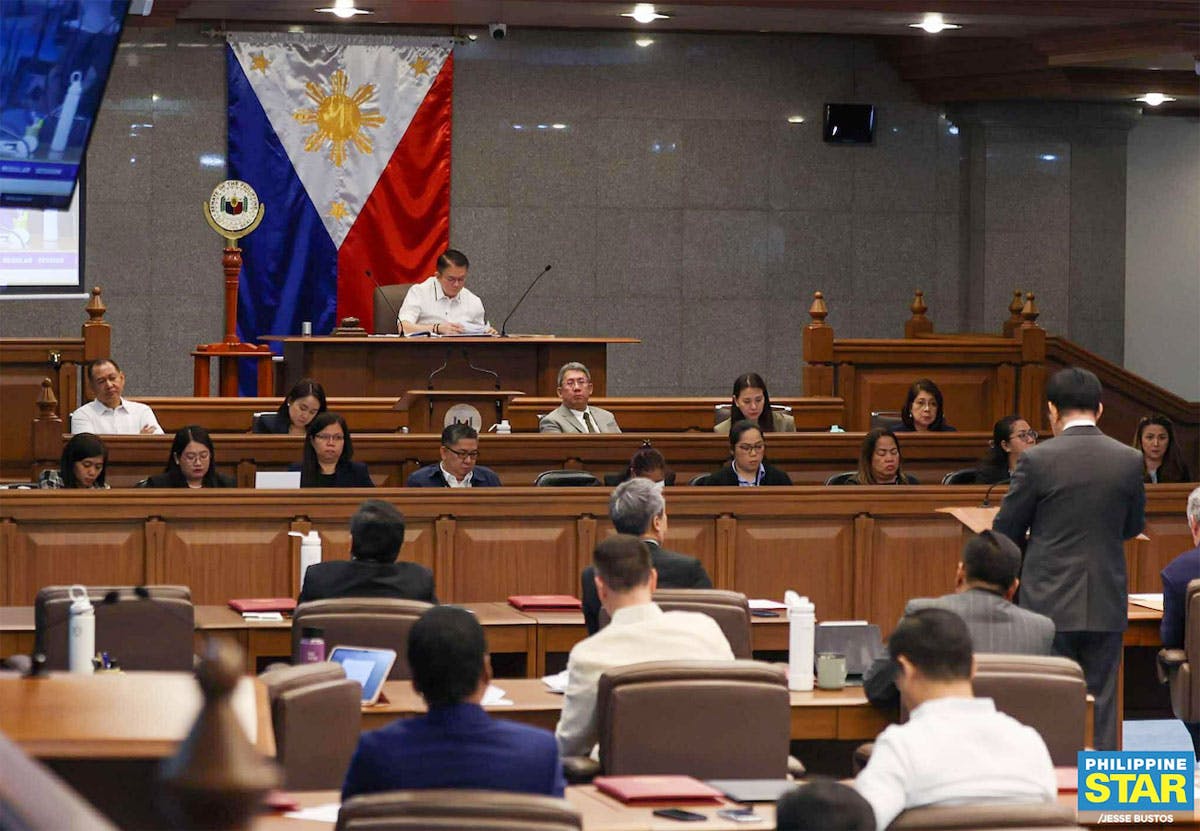
Amid mounting calls to ensure full media coverage of the Senate’s highly anticipated session to debate the Supreme Court (SC)’s decision to strike down the impeachment of Vice President Sara Duterte, access to the session on Wednesday, Aug. 6, was restricted, marking an unusual shift from the chamber’s longstanding open-door approach.
While TV network cameras and their operators were allowed inside the session, reporters were herded out of the plenary hall as Senate President Francis Escudero banged the gavel signaling the start of the session.
During the session on Tuesday, Aug. 5, Deputy Minority Leader Risa Hontiveros raised a point of inquiry on the floor to ensure that the media would be allowed access to Wednesday’s session.
Escudero denied that there was a media bar rule and assured Hontiveros that the media “can do as they usually do” and that there are no reasons “for us to limit or inhibit that.”
Hontiveros raised the issue after Senate reporters received verbal instructions not to enter the plenary hall as early as Tuesday.
Amid conflicting directives, the Senate minority exerted efforts an hour before session on Wednesday to allot seats to more than 10 reporters as their guests.
Over 80 media personnel across dozens of media outfits – including photographers, cameramen and foreign correspondents – came to the Senate to cover Wednesday’s session, according to the Senate Public Relations and Information Bureau.
With limited seats allotted per senator, the Office of Senate Minority Leader Vicente Sotto III and some minority senators registered 10 reporters under their guest lists in the plenary hall in an effort to allow the media entry.
However, “system issues” foiled such efforts for the media.
As the session began, the Senate ultimately allowed the rest of the reporters outside the minority’s guest list to cover the session, standing behind the cramped space occupied by cameramen. However, all attendees were required to be seated – forcing most reporters to opt for the televised stream of the public relations and information bureau at the Senate media center.
Majority Leader Joel Villanueva earlier said the public should expect “spirited debates” and a “historic” decision, prompting widespread calls from media groups and civil society for full transparency.
In past sessions, journalists were granted wide access to the chamber and hallways. On Wednesday, however, multiple checkpoints were in place, requiring QR approval codes and even accredited beat reporters were stopped at door of the session hall.
The tightening of access comes at a crucial moment as the Senate is set to vote on whether or not to abide by the SC ruling that struck down Duterte’s impeachment as unconstitutional.
Reacting to the media restriction, the University of the Philippines College of Media and Communication on Wednesday expressed grave concern for what it described as a form of prior restraint and censorship, which is prohibited under the Constitution.
“This restriction, reportedly justified by space limitations and the presence of invited guests, effectively limits real-time, contextual and comprehensive audiovisual documentation of a matter of significant public interest,” the UP College of Media and Communication said.
It stressed that capturing senators’ actions when the session is suspended – during which the live feed would be cut, sometimes for prolonged periods – are “acts of governance that must remain visible and accountable to the Filipino people.” – With Bella Cariaso, Emmanuel Tupas, Mayen Jaymalin


