



Recounting The Maguindanao Massacre Through Eyewitnesses
Dubbed as the single worst case of journalist killings in the world, the Maguindanao massacre cemented the Philippines’ status as one of the worst places for journalists globally.
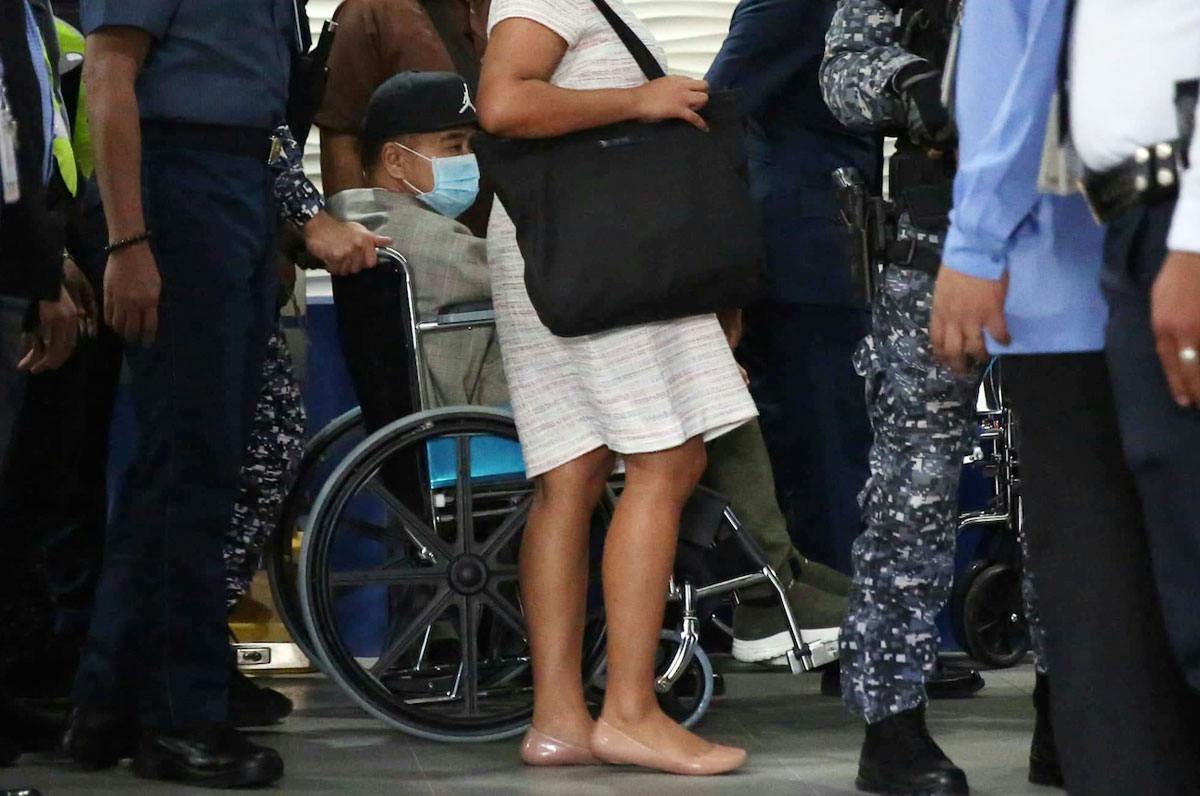
It’s been almost a decade since the Maguindanao massacre trial began in 2010 and today, the protracted proceedings will come to a conclusion with the promulgation of the decision by Quezon City Regional Trial Court Branch 221 Judge Jocelyn Solis-Reyes.
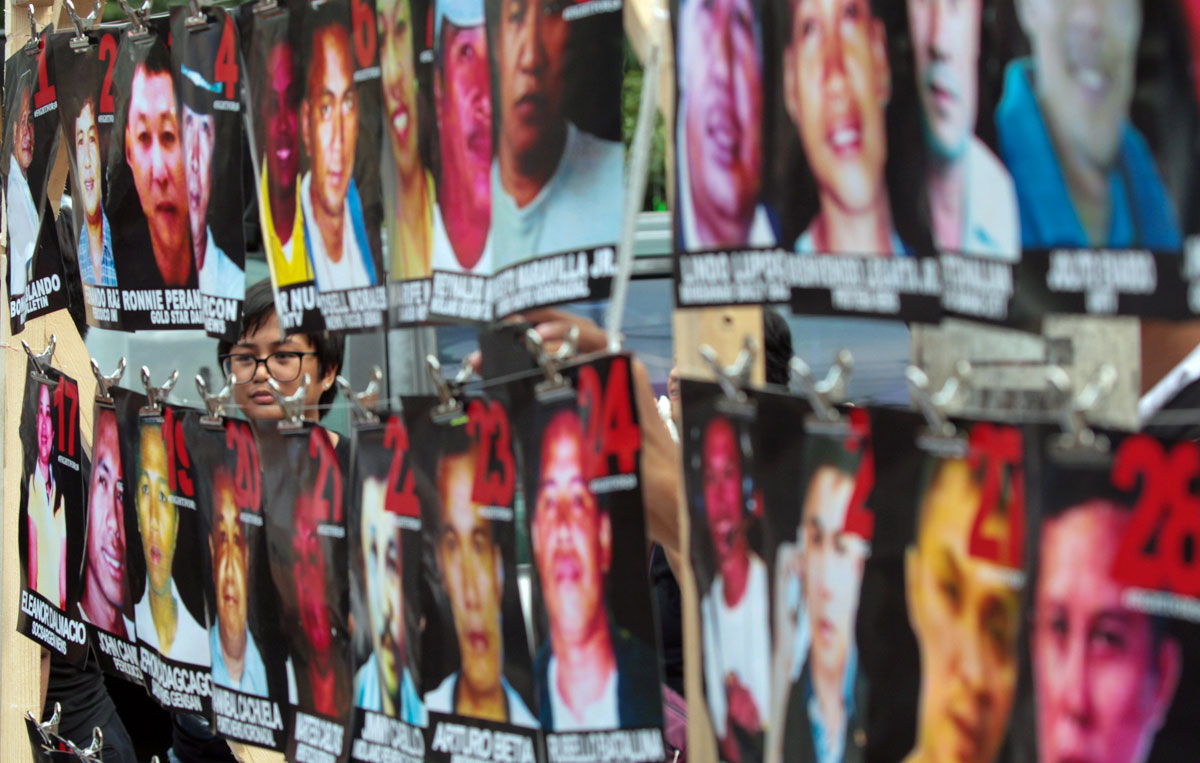
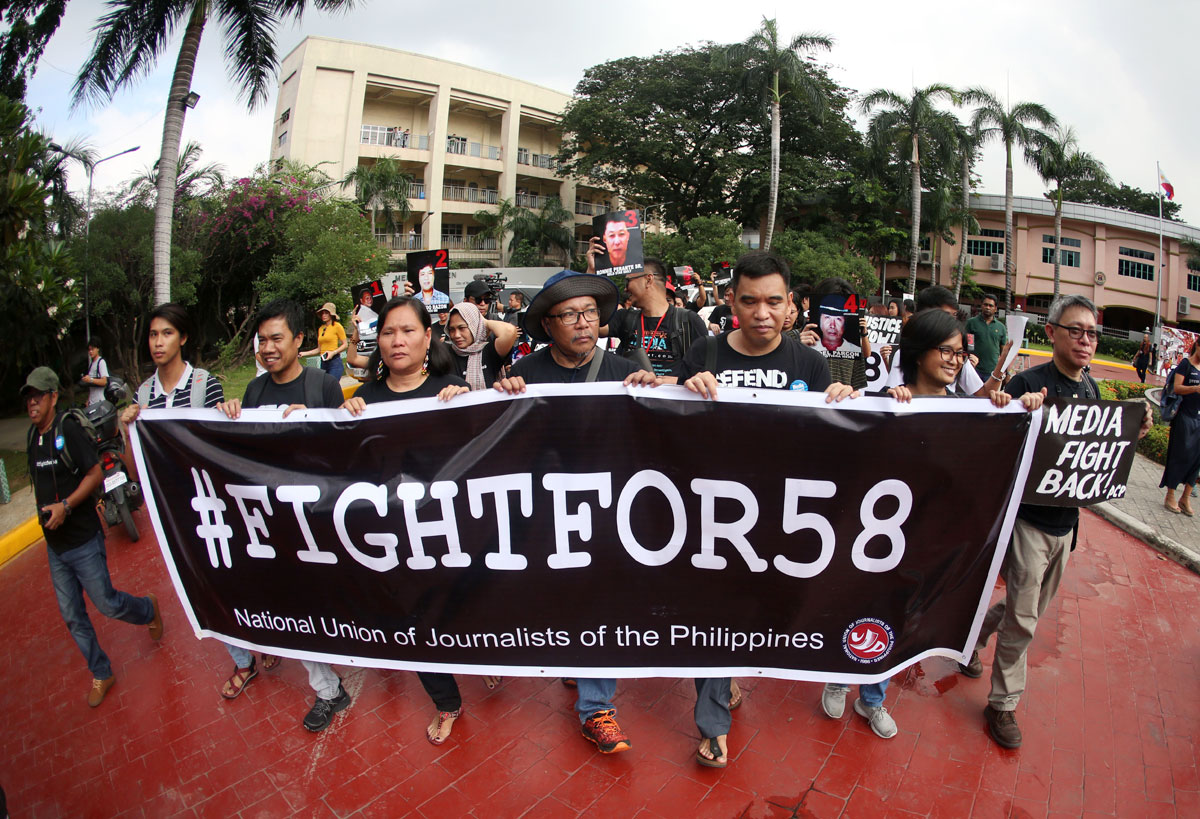
A hundred and ninety-seven individuals were charged with the crime of murdering 58 people, including 32 media workers, in what has been dubbed as the worst election-related violence in the country and the single deadliest event for journalists in history.
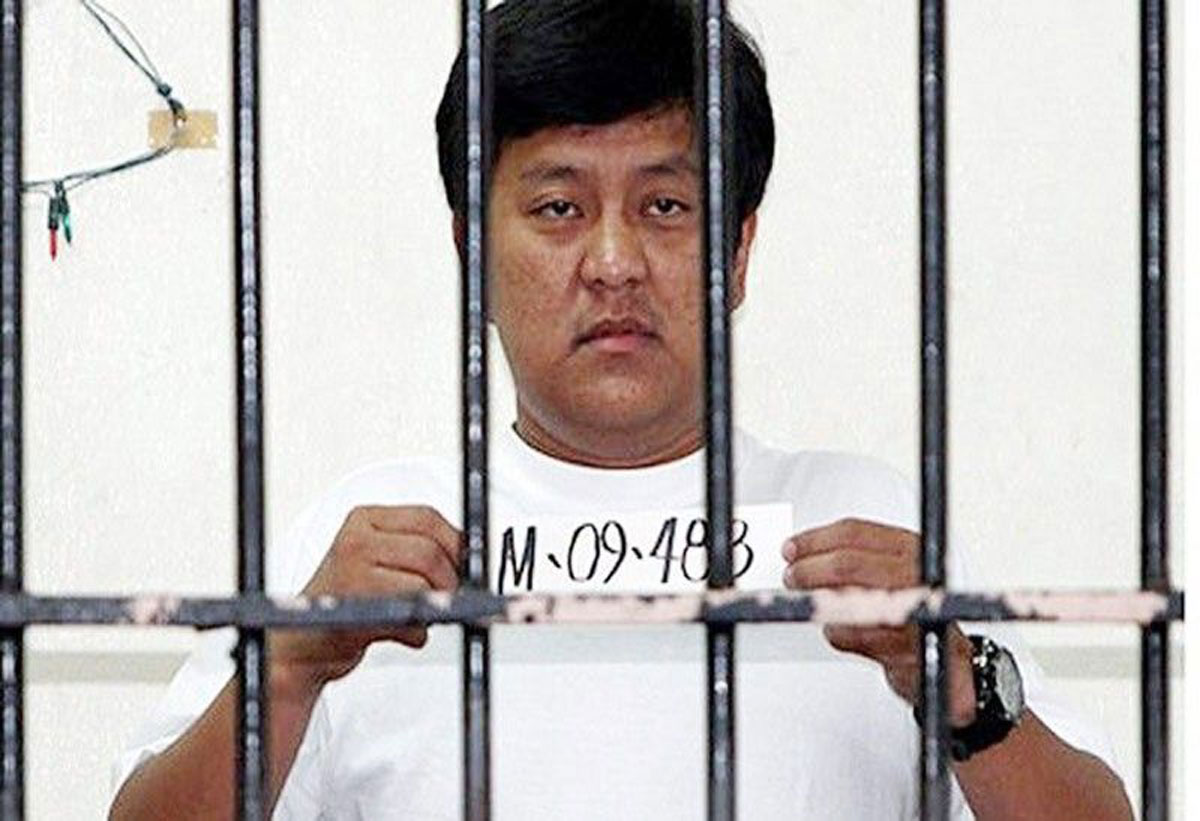
Among the accused are scions of one of Maguindanao’s most powerful clans, the Ampatuans, led by former Datu Unsay, Maguindanao mayor Andal Ampatuan Jr., his father former Maguindanao governor Andal Ampatuan Sr. who died in the course of the trial, and his brother former Autonomous Region in Muslim Mindanao governor Zaldy Ampatuan.
Citing the previous reports from the Center for Media Freedom and Responsibility and the National Union of Journalists of the Philippines, as well as its own previous reports, The Philippine STAR pieced together the testimonies of various witnesses during the Maguindanao massacre trial to present a clear picture of how gruesome and harrowing the massacre was.
First prosecution witness
When the Maguindanao massacre trial began on Jan. 5, 2010, the prosecution presented its first witness: Ampatuan Jr.’s co-accused and former vice mayor of Ampatuan town Datu Rasul Sangki.
The Sangkis were former allies of the Ampatuan clan, as Sangki’s grandfather Datu Abdullah and lead suspect Andal Ampatuan Sr. are third cousins. Sangki’s sister is married to a grandson of Ampatuan Sr.
According to Sangki, he witnessed how the Mangudadatu convoy was stopped at a police checkpoint in Sitio Malating in Ampatuan town on Nov. 23, 2009. Sangki recalled that Andal Jr. called his father Andal Sr. to confirm the convoy’s arrival, to which the elder Ampatuan responded with, “You know what to do.” Andal Jr. and his men then led the convoy to Sitio Masalay in a remote part of the town, where the massacre took place.
Sangki said Andal Jr. fired the first shot that killed journalist Romeo Jimmy Cabillo and also executed Bai Genalin “Gigi” Mangudadatu, the wife of now Maguindanao Gov. Esmael Mangudadatu, as well as his sister Eden Mangudadatu. Sangki also confirmed that the victims were buried hurriedly in shallow graves along with their vehicles. After the massacre, Andal Jr. instructed Sangki to return to Sitio Malating and say that he saw and heard nothing about the incident.
In his testimony, Sangki also said that Andal Jr. called him on Nov. 20, 2009 to meet up at a key crossing in Ampatuan town. There Andal Jr. revealed to Sangki the plan to massacre the Mangudadatu convoy. Sangki admitted to complying with Andal Jr.’s order, saying he feared Andal Jr. might get mad at him if he refused.
Since testifying against the Ampatuans, Sangki has been elected as mayor of Ampatuan town. In 2016, President Duterte included him on the list of alleged narco mayors — an accusation that he denied.
Former ally testifies
In 2013, prosecution lawyers dropped the charges against former vice mayor Sukarno Badal of Sultan sa Barongis in Maguindanao — considered as Andal Jr.’s righthand man and one of the more than 200 individuals accused of participating in the massacre — who turned state witness.
In his testimony before Solis-Reyes on Feb. 20, 2013, Badal said he was with Andal Jr. at the massacre site in Sitio Masalay, where the victims were brought after their convoy was blocked by the Ampatuan private army.
Badal recounted seeing Andal Jr. shoot the victims, including Mangudadatu’s wife and sister.
“Andal Jr. and Datu Kanor (Ampatuan) looked at each other when Bai Gigi and Bai Eden were pushed and shot simultaneously,” Badal said.
Badal also recalled how Andal Jr. led in shooting the victims, with his men following suit. Badal also mentioned that different calibers of firearms were used in the massacre. Aside from Andal Jr., Badal also identified several members of the Ampatuan clan, namely Datu Nords, Datu Pandag, Datu Bahnarin and Datu Ulo, as among the participants in the killings.
After the massacre, Badal said he accompanied Andal Jr. to the mountains, where the latter changed his bloodied white Lacoste shirt.
Badal also testified seeing former Maguindanao police provincial chief Sukarno Dicay in several meetings held by the Ampatuans to plan the massacre.
In October this year, Ampatuan Jr.’s counsel filed a motion to reopen the trial after it concluded in September, stating that Badal allegedly contacted Andal Jr.’s lawyers offering to recant his testimony. Badal denied having made such an offer.
“Kung anong nasabi ko sa testimony ko, ’yun na ’yun. Mamatay na ako kung mamatay, hindi ko talaga babaligtarin ang Maguindanao massacre,” Badal said.
Second state witness
In 2014, more than four years after the massacre, the court allowed a former suspect, Esmael Canapia, to testify as the second state witness. A former Citizen Armed Forces Geographical Unit (CAFGU) member who lived in Sitio Masalay, Canapia was initially included among the suspects after his M16 rifle matched with the bullets found at the massacre site.
According to Canapia, he did not take part in the massacre and that his rifle was in the possession of another militiaman, Takpan Dilon, who is also a close aide of Sangki, when the massacre took place.
Canapia did, however, see Andal Jr. along with his men and some police officers in Sitio Masalay on the day of the massacre, telling someone to hasten the burial of the massacre victims.
The farmer on the hill
“Sumigaw siya, 'Dapa!’ ” This is what prosecution witness Akmad Abubakar Esmael told the court in October 2010 as he recounted Andal Jr.’s order to the massacre victims before they were shot to death.
Esmael, a farmer who lived in Sitio Masalay, said he was around 20 meters away from the massacre site. He was taking his carabao to the house of a certain Jainal on a hill when he saw what happened. He recounted that Andal Jr. was wearing a hat and gloves when he committed the massacre.
According to Esmael, the killings lasted for over an hour. Some of the killers saw him, but his life was spared by a CAFGU member. To avoid capture, Esmael hid in some tall bushes some 200 meters from the massacre site for more than four hours.
During the hearing, Esmael also identified former Ampatuan, Maguindanao councilor Manny Ampatuan, a nephew of Andal Sr., as one of the suspects.
A resident testifies
Another farmer, Norodin Zailon Mauyag, a resident of Sitio Malating, also testified before the court in September 2010 that the Mangudadatu convoy was blocked by a police checkpoint of the Ampatuan group.
In his testimony, Mauyag recounted that the Ampatuan group, armed with high-powered weapons, massed near his house to set up the checkpoint. The court also presented a sketch he made of the distance of the checkpoint from his house.
He said was standing about five meters away from Datu Kanor Ampatuan, brother of Andal Sr., whom Mauyag overheard ordering the ambush on the Mangudadatu convoy. Mauyag also identified Dicay as the one who drove the villagers away from the checkpoint while the ambush was taking place.
Mauyag said Andal Jr. frisked the members of the Mangudadatu convoy for their mobile phones and told them to lie down.
Former Ampatuan househelp speaks
In September 2010, Lakmodin Saliao, a former househelp at the residence of former ARMM governor Zaldy Ampatuan, testified against his former employer.
According to Saliao, when it became evident that Mangudadatu would vie for the governorship of Maguindanao, Andal Ampatuan Sr. gathered his relatives and sons, including Zaldy, over dinner to discuss plans to prevent Mangudadatu from running.
Saliao said everyone at the dinner table laughed when Andal Jr. proposed to his father the killing of Mangudadatu to block his candidacy. Saliao affirmed this testimony in another court appearance in January 2013.
Saliao also revealed to the court that an emissary of the Ampatuans tried to bribe him with P5 million to recant his testimony.
Rejected witnesses
“Do you know who our enemies are? Are you capable of killing them?” This is what Andal Jr. allegedly told former police inspector Rex Ariel Diongon, a former director of the 1508th Provincial Mobile Group and one of the 200 individuals accused of participating in the massacre.
Diongon, who testified in court on Oct. 27, 2010 in a bid to turn state witness against the Ampatuans, recalled saying yes, but said he only agreed out of fear of Ampatuan. Diongon said he received P15,000 from Ampatuan to set up the police checkpoint in Sitio Malating that stopped the Mangudadatu convoy. Diongon also claimed that he witnessed at least three other police officials receive payoffs to carry out Ampatuan’s orders.
According to Diongon, it was his men who stopped the Mangudadatu convoy at the checkpoint on the day of the massacre and allowed the Ampatuan private army to take them away. Diongon said he witnessed Ampatuan poke a gun at and hit members of the convoy but said he did not witness the actual shooting.
“Hindi ko sila kayang pigilan. Natatakot kaming pigilan siya dahil marami siyang taong armado," Diongon told the court on Nov. 3, 2010, saying he and his 15 men were no match against the 100-strong Ampatuan private army.
Prior to his testimony, Diongon stated in an earlier affidavit that he and his men set up the checkpoint in response to a bomb threat. But he later admitted that he fabricated the affidavit with the help of former senior superintendent and officer-in-charge of the Maguindanao police Abusama Mundas Maguid to cover up the involvement of local police in the massacre.
Aside from this affidavit, Diongon said he wrote four other affidavits to match the fabricated statements he made in the first affidavit as well as affidavits of his fellow accused police officers.
The defense counsel claimed the Diongon executed the five affidavits to support the prosecution’s claim that the Ampatuan clan was behind the massacre, but Diongon refuted this, claiming that he executed the affidavits out of fear of the Ampatuans.
In August 2011, Solis-Reyes refused to admit Diongon and two others, Police Officer 1 Rainer Ebus and Sangguniang Bayan member Mohammad Sangki, as state witnesses, noting that their testimonies were merely “corroborative in nature” and were substantially the same as those of other witnesses.
The Court of Appeals upheld on May 27, 2015 and July 10, 2018 Solis-Reyes’ refusal to admit Diongon, Ebus and Sangki as state witnesses.


