



Pia Cayetano Didn’t Have To Do Homework In Grade School But…
“It cannot be homework or no homework only. It has to be an environment that promotes learning in the classroom, outside of the classroom, in the homes…communities, and wherever they are in the Philippines,” Sen. Pia Cayetano points out.
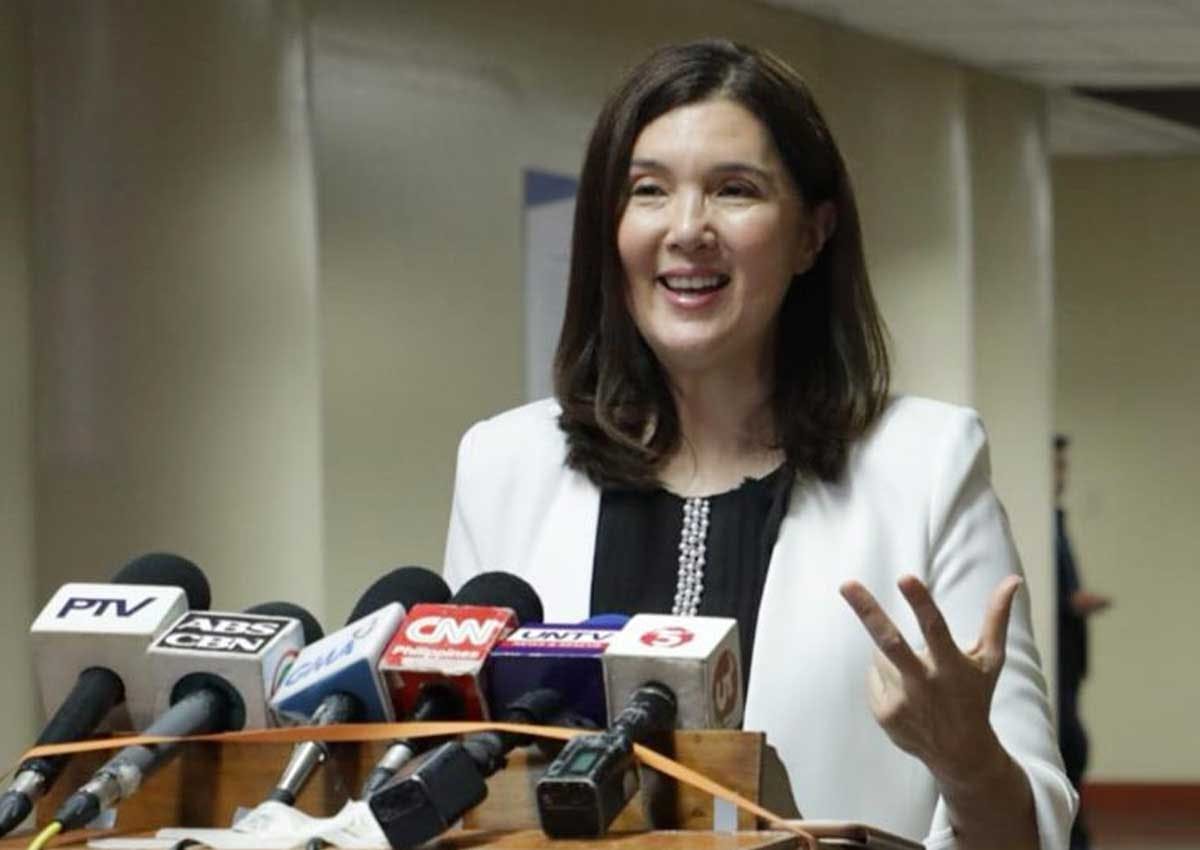
Pia Cayetano who is now senator didn’t have to do homework during her entire grade school. But for her, the issue is not simply about giving assignments or not. It is to raise holistic children who will be able to lead productive lives by providing them the best learning environment.
Those who are not privileged enough can surely relate to this part of Cayetano’s privilege speech delivered at the Senate on Monday, Sept. 2:
“Go to a private school and access to activities, both academic and non-academic are never ever wanting. (These include sports, arts, music and other extra-curricular activities.) Sometimes, it is subsidized, or the parents will pay extra. The point is, there is access. That is not so in many public schools.
The other difference between socio-economic classes when it comes to education is the proper environment. Many children coming from an upper class would be able to go home and either quietly study in their dining table or quietly study in their own bedroom, or some would even have a study room.
Most people who send their children to public schools do not have that. Salo-salo na ho ‘yung dining table, ‘yung living room, nanonood ng kung anuman pinapanood, wala hong opportunity to concentrate. And that has been identified as a major problem in making homework effective. They cannot even focus when they are in an environment like that.
And third is the support from family and caregivers. Whether it's a parent or a substitute parent when parents are working and they can afford to hire a tutor, there is support given when you come from a higher socio-economic bracket. Those who come from a lower economic bracket have more difficulty because probably the working mom and dad cannot afford to get a tutor. Baka wala rin naman tita o lola na magtuturo. So wala na ngang magandang environment, wala rin hong support na naibibigay.
So without that, it becomes extremely difficult to have an effective homework program.”
According to Cayetano, she is all for studying the effects of homework in students' educational development, but it should not be approached in isolation.
“It can't be (just a choice between) homework or no homework only,” Cayetano said, as she enjoined fellow senators to discuss measures that will give Filipino children more holistic learning environments.
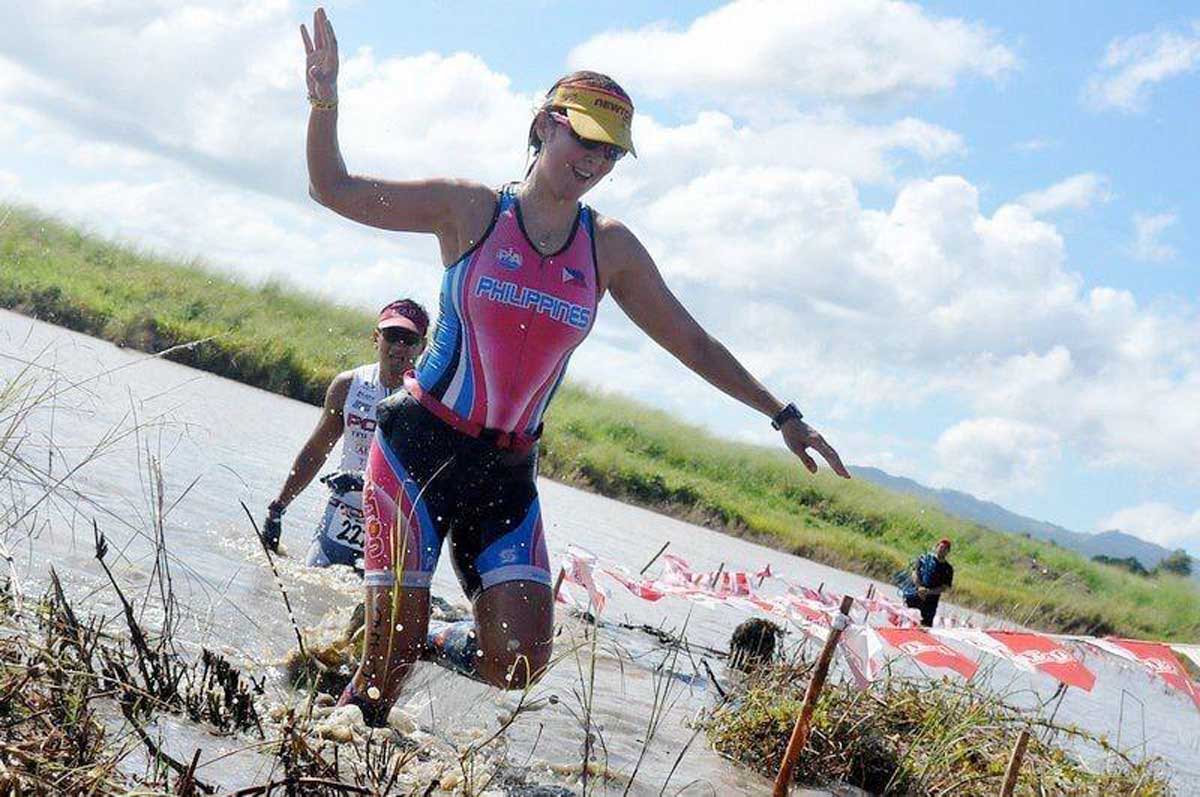
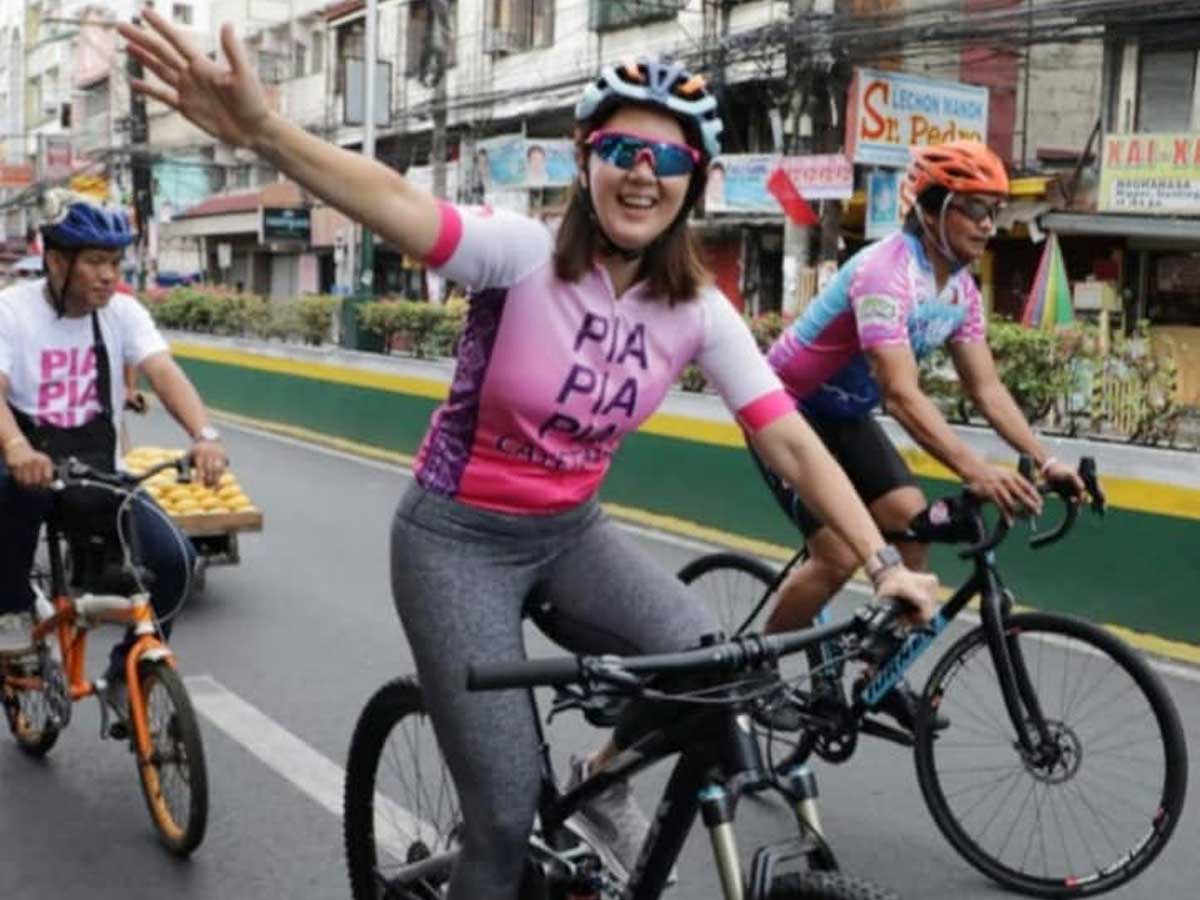
Aside from the socio-economic aspect, Cayetano, a lawyer and a triathlete, laid down other factors that may affect the success of an educational program.
In Finland for instance,
the number of homework hours in a week is 2.8. However, she
explained that Finland has a lot of amenities and support for students.
Cayetano noted: School starts at age seven in Finland, early childhood education is not required but 90 percent send their children for it. Their schools have free meals, students have easy access to healthcare, psychological counseling and all of the teachers of basic education are required to have a master's degree.
“It is an honor to become a teacher in Finland. It is one of the most prestigious jobs, to be a teacher in Finland,” she said, adding there are basically no private schools in that country.
South Korea has only 2.9 hours of homework per week, but its students have a lot of after-school work, either in or out of the school, Cayetano said, and the classrooms have all the amenities of smart technology, high-speed internet, et cetera. “And they also have summer school.”
Japan, which has 3.8 homework hours in a week, also has so much after-school activities, both academic and non-academic, Cayetano pointed out.
“In fact, the teachers and the students are in charge of cleaning their own schools. That's a major part of their daily activities. They clean their own school. Some schools require that they come in on Saturdays for studies,” Cayetano said.
‘No homework’ believer
Cayetano, who has three children and whose mother was a pre-school teacher, admitted she loved not having to do any homework during her entire grade school.
“Maybe because my background comes from being with my mother all the time, I studied on my own,” she stated.
The teachers’ role is also highly important and in Finland, Cayetano disclosed that teachers are given much latitude on how to carry out their tasks.
“I know that our teachers are hardworking, a lot of them were scholars on their own, but the reality is, we could do better in terms of making that career track more effective and more attractive to teachers. We could do better in trying to pull the best and the brightest into the teaching profession,” Cayetano said.
“Now, why is it so important to have a good teacher? Well, a good teacher will not just go by the books. A good teacher will identify the strengths and weaknesses of their students. And this is where the correlation to homework comes in. To dictate upon a teacher a blanket prohibition against assignments or a mandate of exactly how much time to give a student in terms of homework would restrain his or her ability to provide for the needs of his or her students,” she added.
“I also want to point out the situation of teachers. I am so envious of the reality that in Finland, teachers are one of the highest paid. Why? Because I want to be able to leave that kind of legacy to our children, that you go to any school in the Philippines, and you will get the best education,” Cayetano said.
Cayetano expressed belief that the number of hours that
may be required of students to achieve different academic requirements could
not be dictated.
“I do believe that the Department of Education can step up and come up with better guidelines. But as to legislation, I would really worry…if we even have the time... to focus on something as specific as this, as to legislate number of hours (for homework),” Cayetano argued.
In some international schools, Cayetano bared that the academic program is extremely tedious, and children have to “study all day, everyday, Saturday and Sunday, kulang na kulang sa tulog.”
“But they do that because that is what is required to enter a prestigious school abroad. So how can we now say, ‘Huwag kang mag-homework kung ‘yun ‘yung requirement para matapos mo ‘yung academic track na ‘yun?’”
The same is the case for students who want to excel in particular subjects like Mathematic or Sciences.
“So, the teacher may require that that student does extra work. So if you prohibit that, then we effectively banned that student from getting extra work from their teacher,” Cayetano said. “It cannot be homework or no homework only. It has to be an environment that promotes learning in the classroom, outside of the classroom, in the homes, in the communities, and wherever they are in the Philippines.”
Sen. Grace Poe, who worked as teacher in the United States, has filed a bill seeking to ban homework on weekends. Quezon City Rep. Alfred Vargas has the same proposal while Sorsogon Rep. Evelina Escudero wants to stop giving assignments to students altogether.
Further reading: ‘No Homework’ Policy: What The Research Shows


