


‘Phl Should Have More Women In Law Enforcement’
During the inaugural Asia Women Leading Law Enforcement Conference in Quezon City yesterday, US Ambassador Sung Kim and Quezon City Mayor Joy Belmonte batted for more women in the Philippine National Police.
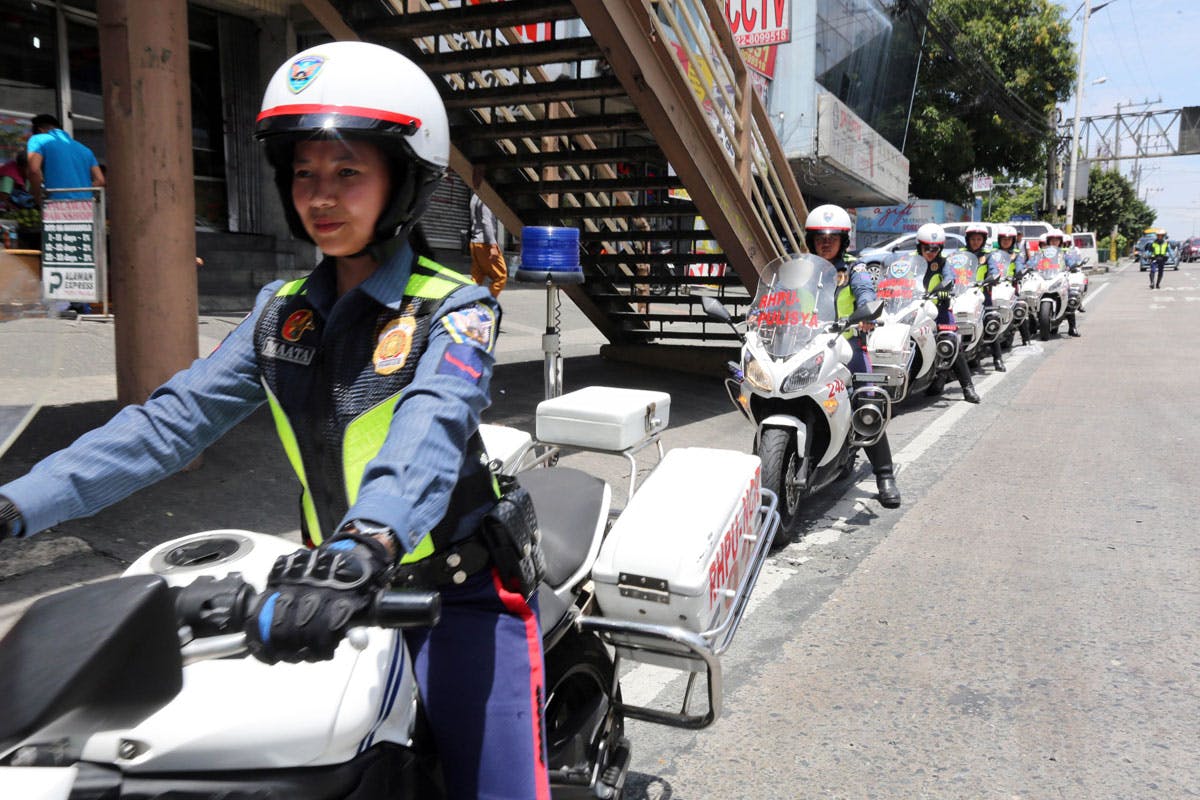
Institutional barriers and societal misconceptions still hinder women’s participation in the law enforcement sector, even as the country has made significant strides in achieving gender equality in the country.
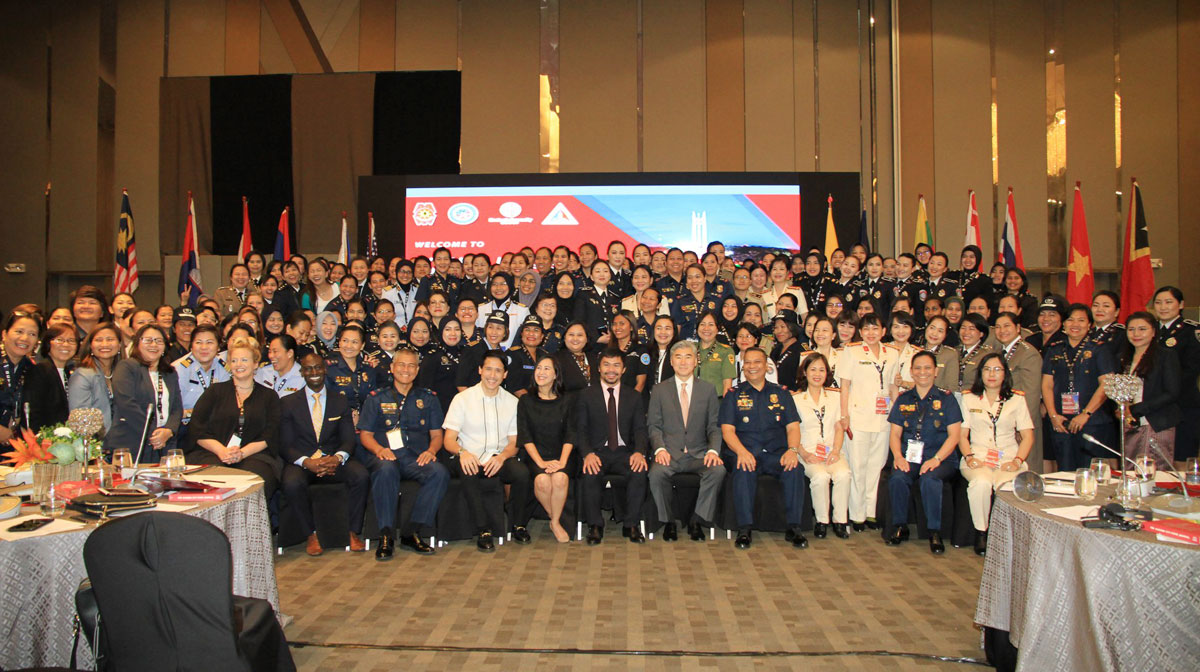
This is the key message that guests and speakers expressed during the opening day of the inaugural Asia Women Leading Law Enforcement Conference yesterday at the Novotel Manila in Cubao, Quezon City.
During the event, United States Ambassador Sung Kim, along with local executives, recognized the role of women in law enforcement and noted that police forces should fully utilize women’s capabilities and strengths because they “perform much better.”
Kim said more opportunities should be given to women and that they should be given the chance to improve on their already enormous contributions in the sector despite the limitations that some have placed on them.
“There are institutional barriers but also misconceptions on both sides. I think many women place artificial limits on what they might pursue in the law enforcement area because they think those areas belong to men. And men also, I think, way underestimate women’s capabilities and their ability to contribute to law enforcement activities,” Kim said in a briefing during the conference.
Quezon City Mayor Joy Belmonte admitted that there is still a gender gap within the police force that needs to be addressed.
She noted that cultural misconceptions and stereotyping that women are weaker should be dismissed to foster greater participation of women in society.
She thumbed down the 10-percent minimum quota set by the police for recruitment of women, saying that instead of restrictions, the police should instead base qualifications on the merit and capability of the individual.
Belmonte, the first female chief executive of Quezon City, said the gender gap is still prevalent even in her own backyard.
She noted that out of the more than 3,000 members of the Quezon City Police District, there are less than 700 policewomen and only 11 of them hold positions of high rank.
In the 186,000-strong Philippine National Police, women account for 17.2 percent of the personnel. Women comprise 15.35 percent of the PNP officer corps.
The country is currently hosting the first Asia Women Leading Law Enforcement Conference, a five-day gathering of over 200 mid-level and high-ranking female police and law enforcement officers from the Philippines, Cambodia, Indonesia, Laos, Malaysia, Mongolia, Myanmar, Thailand, Timor Leste and Vietnam.
It aims to enable women law enforcement officers to acquire executive leadership skills necessary to effectively serve, advance and thrive in their respective agencies.
“This is beyond law enforcement. As we talk about law enforcement, it’s much more effective when we have women’s participation in a robust and meaningful way. But I think it is clear that societies tend to do better when women are empowered and have an opportunity to participate fully in all aspects,” Kim said.