


House Deliberates On 2027 Budget This Week
The House leadership set a 53-day timetable to secure the chamber’s approval of the proposed budget by Oct. 9.
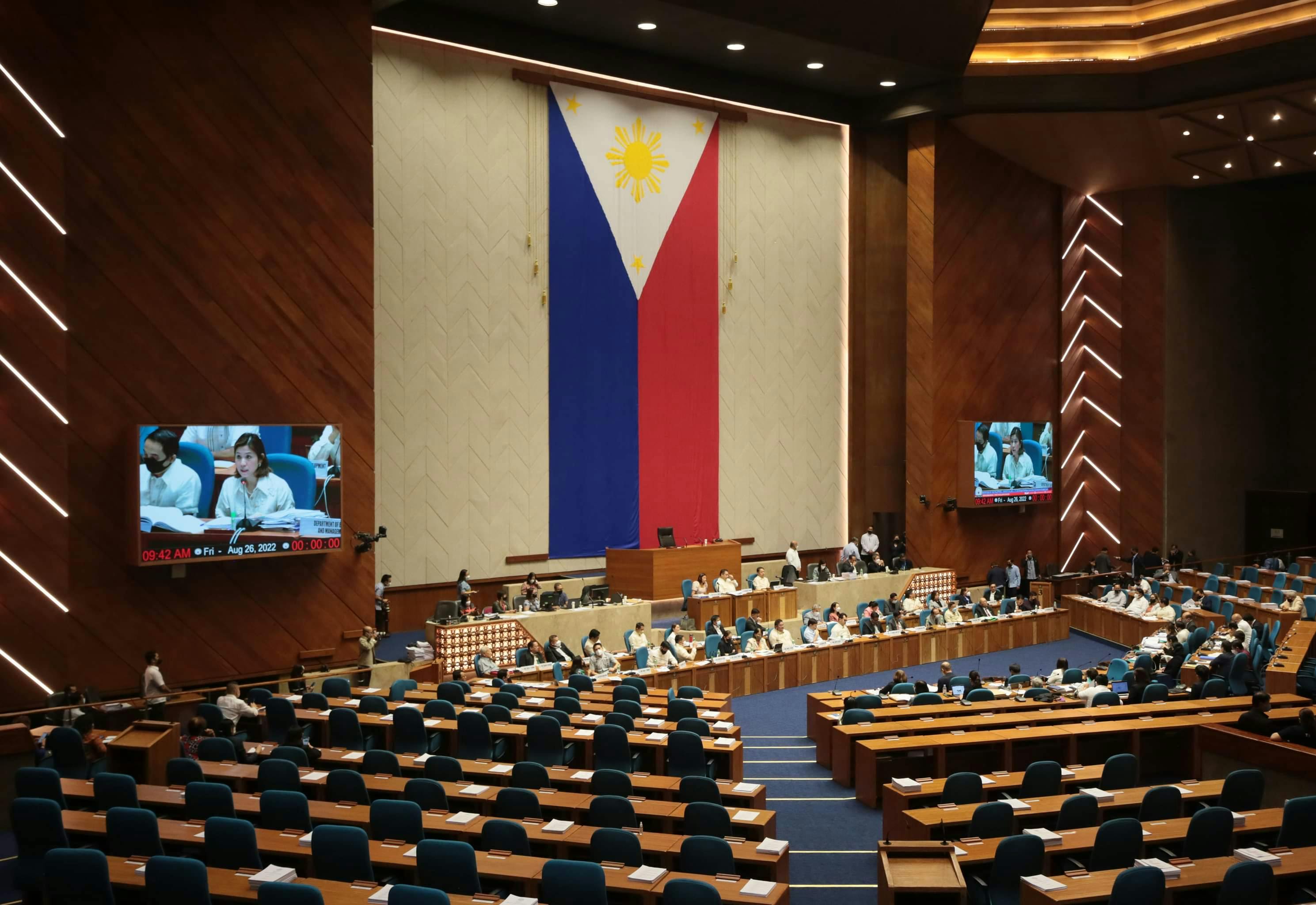
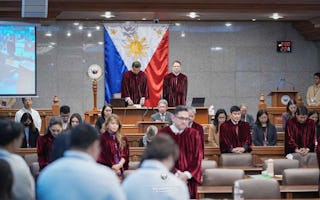
The House of Representatives has vowed transparency as it begins deliberations on the proposed P7.2-trillion national budget for 2027 this week.
House appropriations panel chairperson Nueva Ecija Rep. Michaela Suansing scheduled deliberations to begin on Aug. 17, less than a week after the executive branch submitted the budget proposal to the chamber on Aug. 11, according to Manila Rep. Bienvenido Abante Jr.
The deliberations will begin with a briefing by the Development Budget Coordination Committee (DBCC) on the sources of financing, expenditure levels and the budget proposals of departments, agencies and government-owned and controlled corporations.
The DBCC is composed of the departments of budget; economy, planning and development; finance and the Bangko Sentral ng Pilipinas.
The briefing will kick off a 53-day timetable targeted at securing House approval of the proposed budget by Oct. 9.
The appropriations panel will then be briefed by the Philippine Amusement and Gaming Corporation (PAGCOR).
Abante said the House leadership has committed to make the budget process transparent, pointing out that the public deserves to know how the money will be spent.
“No secrets. The public should know,” he said.
According to the DBM, the agencies and sectors with the largest allocations for next year’s budget are education with P976 billion; public works P644 billion (including over P100 billion for flood control); health P353.8 billion (including PhilHealth); local government P332.5 billion; defense P328.8 billion; transportation P302.2 billion;
Agriculture gets P261.7 billion; social welfare P241.6 billion; state universities and colleges (SUCs) P176.5 billion and the judiciary P86.3 billion.
House secretary-general Cheloy Garafil said a nationwide public consultation initiative “LegisHear” will help craft the country’s spending plan as inputs gathered from communities can guide legislators on the actual needs and priorities across the country.
She said the program goes beyond discussions on individual bills and provides the House another avenue for hearing directly from Filipinos as lawmakers exercise the power of the purse.
“It’s important for the legislature to look at the people so that the people will be able to also give their inputs. That’s why we’re going around the country,” she said during the Visayas launch of LegisHear at Negros Oriental State University in Dumaguete City.
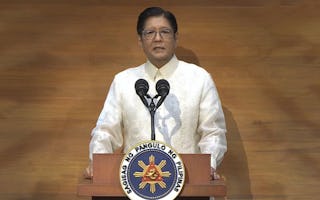
House Speaker Faustino Dy III said the chamber would subject the proposal to rigorous scrutiny and ensure that government spending produces concrete benefits for ordinary Filipinos.
“We will ask the agencies how much money they need and how they plan to spend it,” he said.
Garafil said South Cotabato and Capiz are being eyed as the next destinations of LegisHear in September as the chamber expands the program across the country.
She said the House would take a one-week break from the consultations to assess the results of the initial three legs and identify ways to further improve the program before taking LegisHear to more provinces.
Senate transparency
Senate President Sherwin Gatchalian trusts finance committee chairman JV Ejercito to continue his transparency measures regarding the national budget and ensure there would be no “leadership fund” or any “allocables” in the national outlay.
Gatchalian told radios dwIZ and dzMM he is not aware of any leadership fund ranging from P500 million to P1 billion per senator in the Department of Public Works and Highways (DPWH) budget, as claimed by former DPWH secretary Manuel Bonoan during the latter’s testimony at the Sandiganbayan.
“In 10 years as senator I never heard of this leadership fund and never was it offered to me by the DPWH or anyone from the Senate,” Gatchalian said.
Gatchalian said as Senate finance committee chairman last year, he ensured that all funds in the 2026 national budget were properly identified and all projects originated at the local level and backed with the necessary documentation, like council resolutions and programs of work.
He has not discussed the matter with his predecessors, Sens. Juan Miguel Zubiri and Francis Escudero, under whose Senate presidencies Bonoan claimed the leadership fund was allocated to favored senators. “To be honest, it’s the first time I’ve learned of that leadership fund,” Gatchalian said.
Gatchalian is confident his transparency measures – like properly identifying projects with technical details, livestreaming the bicameral conference committee hearings between congressmen and senators and uploading all budget documents in the website – would continue.
“Under Senator JV, the measures will even improve. Our goal is to be more transparent,” he added.
In a separate interview with dwIZ, Ejercito thanked Gatchalian for trusting him with the grueling work as finance committee chair.
He defended the senators’ practice of making “institutional amendments” or “insertions” in the budget to augment the budget of agencies in need, as he vowed to realign funds for hospitals and universal health care.
As for Bonoan’s “leadership fund,” Ejercito said this could be the total of all “institutional amendments” for the budget augmentation of their constituents.
“I will not allow last-minute insertions,” Ejercito said. “That is my commitment. Everything will be done in the open and it will be transparent.”
Sen. Panfilo Lacson, known for his anti-pork barrel stance, has flagged some questionable “lump sum appropriations” for public works in the proposed P7.2-trillion budget for 2027.
Lacson said he will raise the issue during the DBCC briefing on Aug. 27.
“We will seek clarification on these lump sum appropriations,” he added. – With an additional report from Marc Jayson Cayabyab