



Phl May Have The World’s Most Expensive Onions – Salceda
The Albay congressman was referring to a kilo of onion that costs P720 ($13), while the sweetener had its peak at P110 ($2) per kilo, prompting consumers to complain – despite the massive importation of both, to the detriment of local farmers.
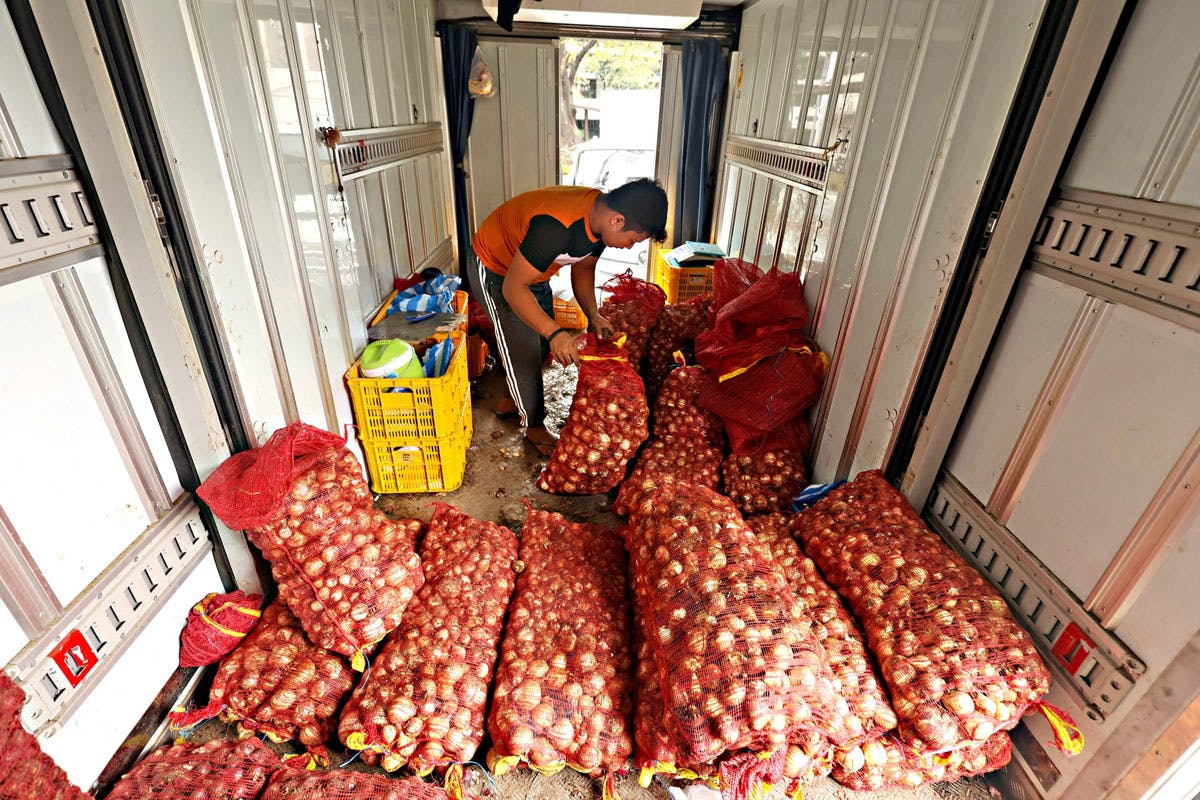
Speaking with a bit of sarcasm if not embarrassment, a key leader of the House of Representatives said on Sunday, Jan. 8, the Philippines now probably holds the distinction of having the most expensive onions in the world.
“We now have the world’s most expensive domestic onion prices. We have some of the world’s most expensive domestic sugar prices,” noted Rep. Joey Salceda, the chamber’s main resident-economist who heads the ways and means committee.
The Albay congressman was referring to a kilo of onion that costs P720 ($13), while the sweetener had its peak at P110 ($2) per kilo, prompting consumers to complain – despite the massive importation of both, to the detriment of local farmers.
“I think it’s time to break the smuggling cartels among onion, meat, fish and other key agricultural commodities, make the food trade regime more transparent and open to all,” Salceda, a former socioeconomic secretary, proposed.
“That should help lower food prices – since part of the artificially high prices in these products is that some smugglers are also oligopolies in the domestic market,” the senior administration lawmaker predicted.
Salceda then proposed to make the country’s importation of such products legal.
“Why don’t we just allow legal importation, at least among industrial or large-scale users like restaurant chains for onions and food manufacturers for sugar? These prices are obvious bubbles that we can burst,” he said.
The key House leader also noted that inflation in the price of the rice staple was the “slowest” among all food items in the country’s consumer price index (CPI) since the rice trade regime started in 2019.
“With the proper farmer support mechanisms, we can protect domestic food producers without killing other industries that use raw agricultural goods,” Salceda said, noting palay production was at its peak in 2021, and fertilizer and fuel cost was slightly lower in 2022.
Nevertheless, he pointed out that food inflation remained the biggest contributor to December 2022 inflation, at 10.2 percent, which “is extremely alarming.”
“And the highest price indices among commodities under food are vegetables at 32.4 percent and sugar at 38.8 percent, which we produce at a structural deficit, but which are also very prone to smuggling,” Salceda said, vowing to go after agricultural smugglers.
“In other words, you have smugglers who are not only not paying their fair share of taxes and duties; they are also profiting from high domestic prices,” he said, with the promise to “focus investigation and policymaking efforts on agricultural smuggling” this year.
Salceda said that the country’s “predicament with onion prices” shows broader systemic issues with the food trade and production system.


