



Office Of The President’s P8.9-Billion Budget Gets Quick Nod
The proposed P8.96-billion budget for the Office of the President next year is slightly higher this year’s P8.182 billion.
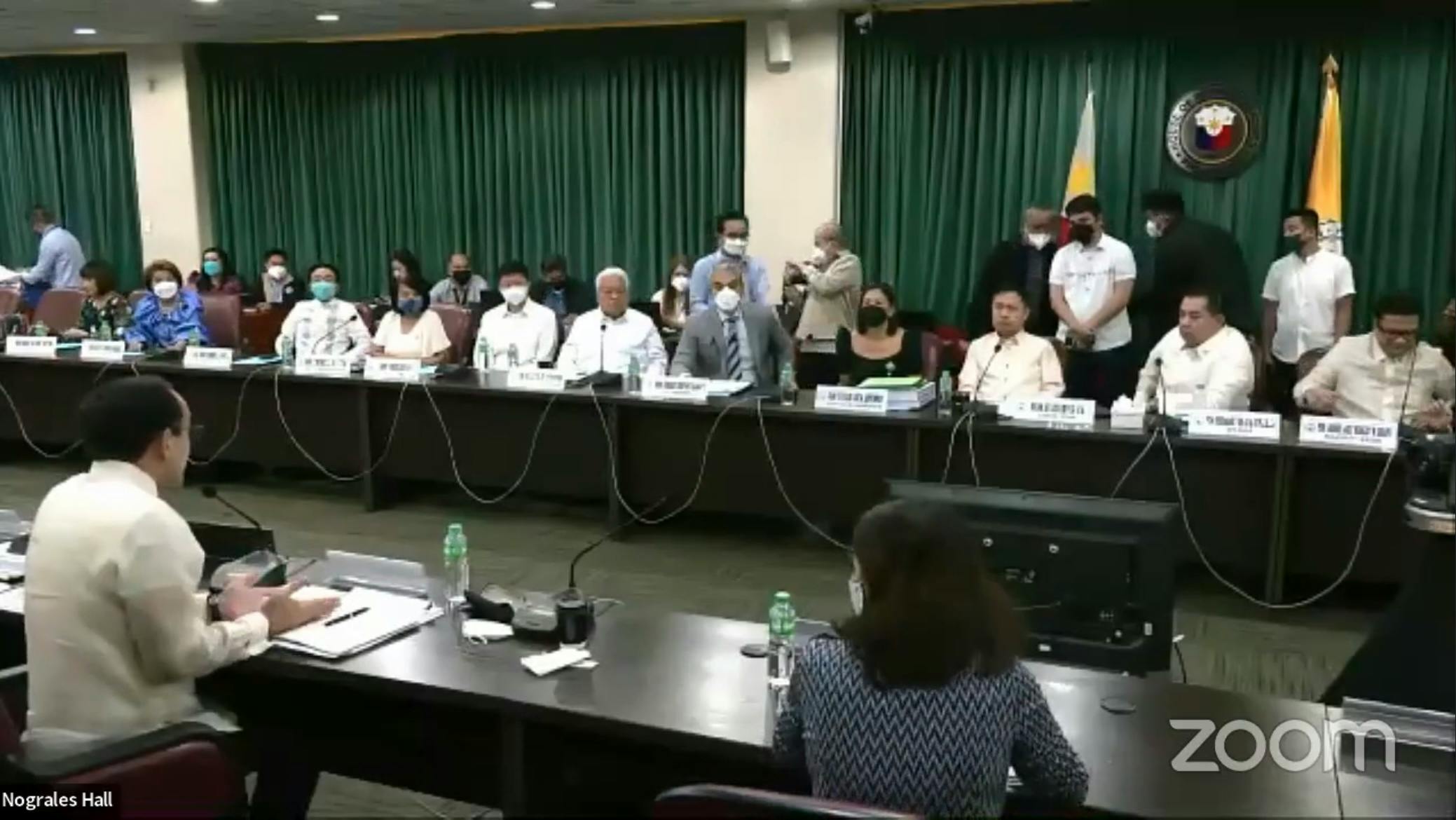
Staying true to Congress’ tradition, the House appropriations committee has passed without much hassle the proposed P8.96-billion budget of the Office of the President (OP) for 2023.
Panel chairman Rep. Zaldy Co said the spending plan of the OP next year would enable the Chief Executive to meet the demands of his office, especially as the world transitions from the pandemic and confronts the effects of climate change.
“Equally important to provide us with the governance direction of the Office of the President requiring congressional support towards our common objective – a brighter future for the Philippines and the Filipino people,” the Ako Bicol party-list congressman said.
Executive Secretary Victor Rodriguez attended the budget hearing Friday, Sept. 2.
The OP budget for next year is slightly higher than the 2022 OP budget of P8.182 billion. The proposed OP budget for 2023 would be enough to help the President “deliver his constitution-al mandates as head of state and of government especially during these challenging times.”
Independent lawmaker Rep. Edcel Lagman of Albay, for his part, commended the Marcos administration for reassuring Congress that it would not follow the footsteps of the “past two administrations” of Aquino and Duterte, which refused to release some approved fund allotments.
“I am happy to note that according to the DBM, the secretary Amenah Pangandaman herself, this practice will not be continued anymore. That would be a recognition of the dominance of Congress in the enactment of GAA,” he told “The Chiefs” over TV5 Thursday night, Sept. 1.
Lagman was referring to the alleged impounding of approved government funds, or when the executive department, which proposes budget allocations for agencies, refuses to release them despite go-signal from Congress.
“We hope that they are not going to intrude into the congressional power of the purse,” he said. “Those initiated by legislators are parked into what is said as ‘For Later Release (FLR)’ – but some are never released. That would be the President impounding the budget,” he explained.
“The President has the power to veto. If the President feels that this budget is not a proper item or expenditure then the President can veto it. But once the President would approve those items then they should be released,” he said. “If it is not vetoed then it is allowed.”
The House appropriations committee also scrutinized the Department of the Interior and Local Government’s proposed P251 billion budget for 2023, which is also aimed at addressing the adverse effects of the pandemic.
“Through this budget, we must strengthen LGUs’ capacity to recover from the socio-economic impact of the pandemic. We must also institutionalize LGU preparedness and resilience to natural disasters and in managing risks and crises,” Co said in his opening statement.
In a related development, the Co-led committee terminated Thursday, Sept. 1, and endorsed for plenary action the proposed budget for the entire judiciary – from the Supreme Court down to the lowest courts across the country.
In the proposed national budget, the SC, RTCs (regional trial courts) and lower courts, which are lumped together, are allocated “new appropriations” amounting to P41.9 billion, P2.2 billion more than this year’s P39.7 billion.
The entire judiciary will receive a total of P5.7 billion in additional funds next year, Rep. Mikee Romero of party-list group 1-Pacman said.
“The additional funds are in the President’s proposal. I have no doubt that the House will support the adjustment, which we hope would allow the judiciary to meet its requirements for a quicker disposition of cases and faster dispensation of justice,” Romero said.


