



NTC To Telcos: Block Text Scam Links
The National Telecommunications Commission believes that deactivating clickable person-to-person links in text messages will stop the proliferation of scams victimizing Filipinos.
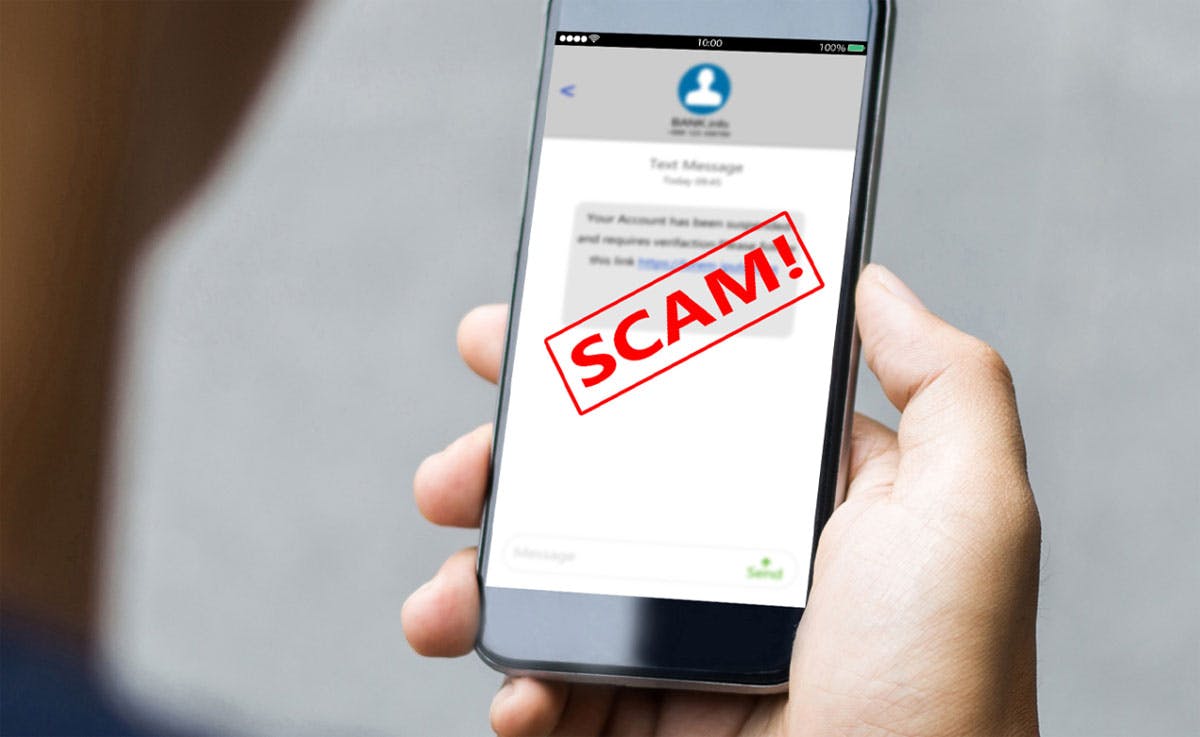
It is possible that tens of millions of text scams are sent to Filipinos every day, proof of how grave the situation is, despite combined government and private efforts to stop them.
In a memorandum dated Sept. 12, the National Telecommunications Commission (NTC) instructed telco firms to block or deactivate clickable person-to-person links in text messages, in a further step toward containing the spread of messaging scams.
NTC special adviser to the commissioner Edgardo Cabarios said the agency had to issue such an order to stop the proliferation of text scams that contain transfer links to fraudulent sites.
Likewise, Cabarios said it is possible that millions of text scams circulate in the messaging system in the country.
“At present, we have 160 million SIMs, of which 150 million are prepaid. With 160 million SIMs in circulation, just 10 percent of that means 16 million text scams daily. It is really possible that text scams reach millions every day. Even just five percent of that is eight million,” Cabarios said in a mix of English and Filipino.
Worse, Cabarios said the NTC’s estimates could even be undervalued, given that thousands of users no longer report the text scams to the NTC nor the National Privacy Commission.
“Some Filipinos don’t even bother to report the text scams that they are receiving. Most of them already learned how to respond to them. They just ignore and then block the numbers that sent the text scams,” he said.
The NTC, in its memorandum, asked local telcos to block uniform resource locators (URLs), tiny URLs, smart links and QR codes that lead subscribers to malicious sites.
The NTC said telco providers can use the database of regulators, like the NTC, to see which links they should deactivate. The agency also ordered them to submit a written report explaining how they complied with the directive.
Smart Communications Inc. vice president and head of regulatory affairs Roy Ibay said the firm has blocked 342 million smishing attempts as of August.
Smishing refers to fraudulent texts that appear to come from reputable sources in a bid to induce users into giving up their personal and sensitive information, particularly bank details.
“To combat the proliferation of SMS scams, the NTC organized a meeting together with telcos to collaborate and craft this memorandum aimed at deactivating links that lead to malicious sites,” Ibay said.
Meanwhile, Dito Telecommunity Corp. chief administrative officer Adel Tamano said the telco owned by businessman Dennis Anthony Uy will comply with the latest order of NTC.


