


Marcos Eyes Long-Term Measures For Agri Sector
The incoming president, who campaigned on a promise to bring down the price of rice, said putting institutionalized programs is necessary to ensure growth in the agriculture sector for the benefit of local farmers.
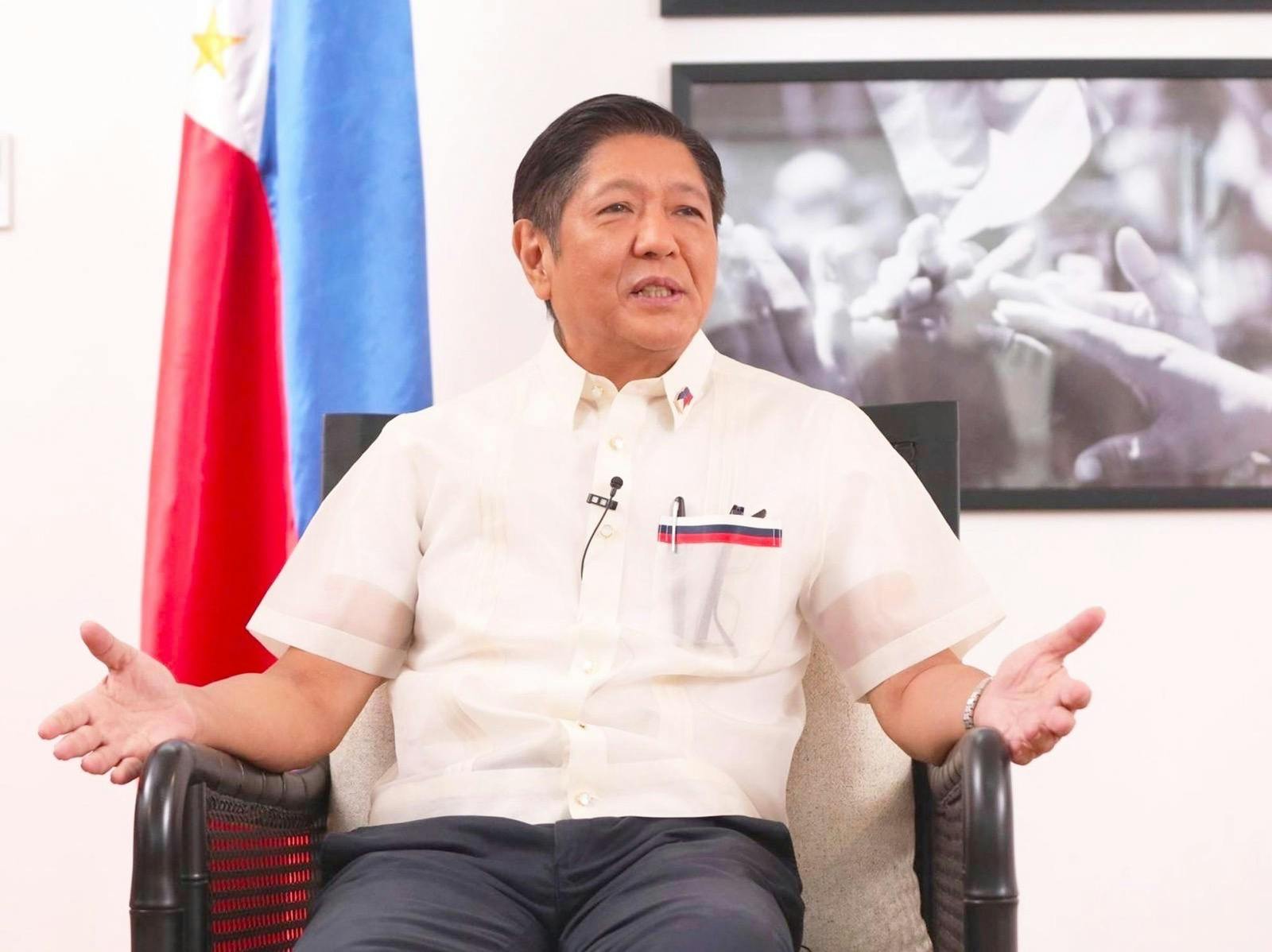
President-elect Ferdinand “Bongbong” Marcos Jr. is planning to implement long-term measures to improve the agriculture sector in the country.
For Marcos, putting institutionalized programs is necessary to ensure growth in the industry for the benefit of local farmers, which is among the priorities of his incoming administration.
“We have to find long-term solutions. I know I keep saying the phrase, but that really is where we are headed: the value chain of agriculture. From the very beginning of it to production, to processing, to mechanization, to credit, all the way to retail,” he said in a post on his official social media account last Friday.
“I believe we will be able to grow and improve the situation of agriculture in our country. A bountiful production and affordable food is one of our targets in the next years,” he added.
The incoming president also vowed to protect local farmers as he plans to review the Regional Comprehensive Economic Partnership (RCEP) trade agreement.
“In my view, let’s have another look at it. Anyway, let’s look at what will be the effect RCEP on the farming community, our farmers especially, if we ratify it now,” he said in an interview.
Following the Senate’s failure to ratify the trade agreement before Congress went on sine die adjournment, the RCEP’s ratification or rejection now falls under the 19th Congress during Marcos’ incoming administration.
Marcos said the RCEP is good as it aims to encourage trade and all great economies engage in the same, but he pointed out that the state of the country’s competitiveness could be a stum-bling block to the effectiveness of RCEP.
Marcos explained that the agricultural sector should be sufficiently robust to take on the competition that will ensue with the opening of the markets.
“I’m a great proponent, a believer in trade. There’s no developed country that has no good trade, manufacturing and export. They are very involved in trade. All the great economies in the past, 200 to 300 years, really became rich because of trade and commerce,” he said.
The incoming president, however, reiterated that the country must first ensure that it is ready to compete with fellow member-nations before entering the pact.
He was especially concerned about the competitiveness of the agricultural sector and local farmers.