



‘How’s Your Byahe, Bes?’ Traffic-Worn Commuters Get Heard Online
Several transport experts and commuters have banded to make commuters’ voices heard online amid the hellish commute they endure daily in Metro Manila.
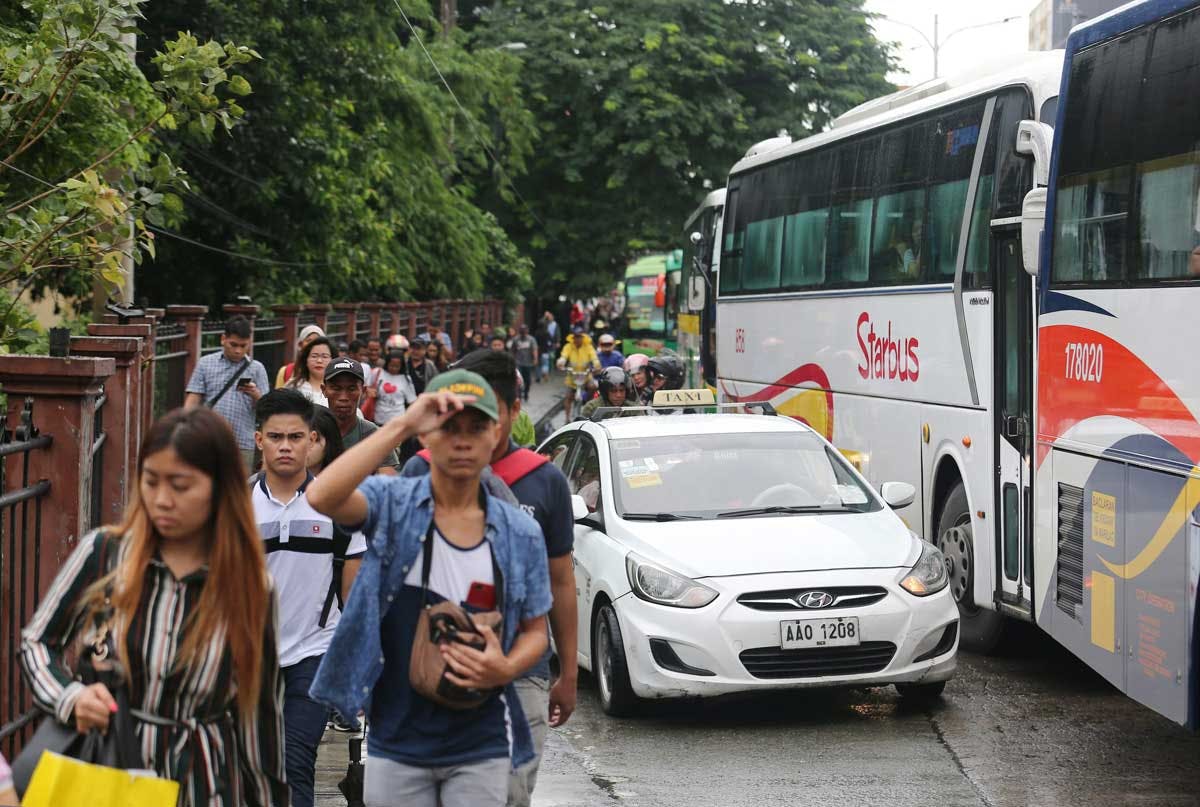
Frustrated with being stranded on the road, commuters find their voices heard on online platforms, thanks to the efforts of transport advocate groups that have organized themselves to give the commuters representation.
Composed of professionals who are transport experts either for private companies or for local governments, and even of regular commuters, AltMobility and Komyut share a common goal of mobilizing commuters if not through Manila’s roads, at the very least on Facebook to make themselves heard.
Through its Facebook group “How’s your byahe, bes?” AltMobility allows commuters who may be stuck on the road to vent their frustrations online and make them feel that they are not alone, said AltMobility’s director Ira Cruz.
“Aside from popularizing the issue, it also plays a role in making people realize that I’m not alone in this problem. Social media plays a very critical role in informing communities,” Cruz said in an interview with The Philippine STAR.
AltMobility started off with core members who have expertise on the transportation sector as economists, local government unit workers and even artists, Cruz said.
The Facebook group has boomed to as many as 4,000 members, all sharing their experiences, and even asking questions for them to be informed, he said.
True enough, two weeks ago the Facebook group became a venue for commuters to share photos of the horrific EDSA traffic that built up after the Metropolitan Manila Development Authority (MMDA) strictly enforced the yellow bus lane that cramped buses on two lanes, while private vehicles breezed through the main thoroughfare.
Cruz pointed out that an MMDA memorandum actually mandates the agency to enforce the bus lane to speed up traffic, not to worsen it, like what happened in the past weeks when bus commuters were forced to alight and walk along EDSA.
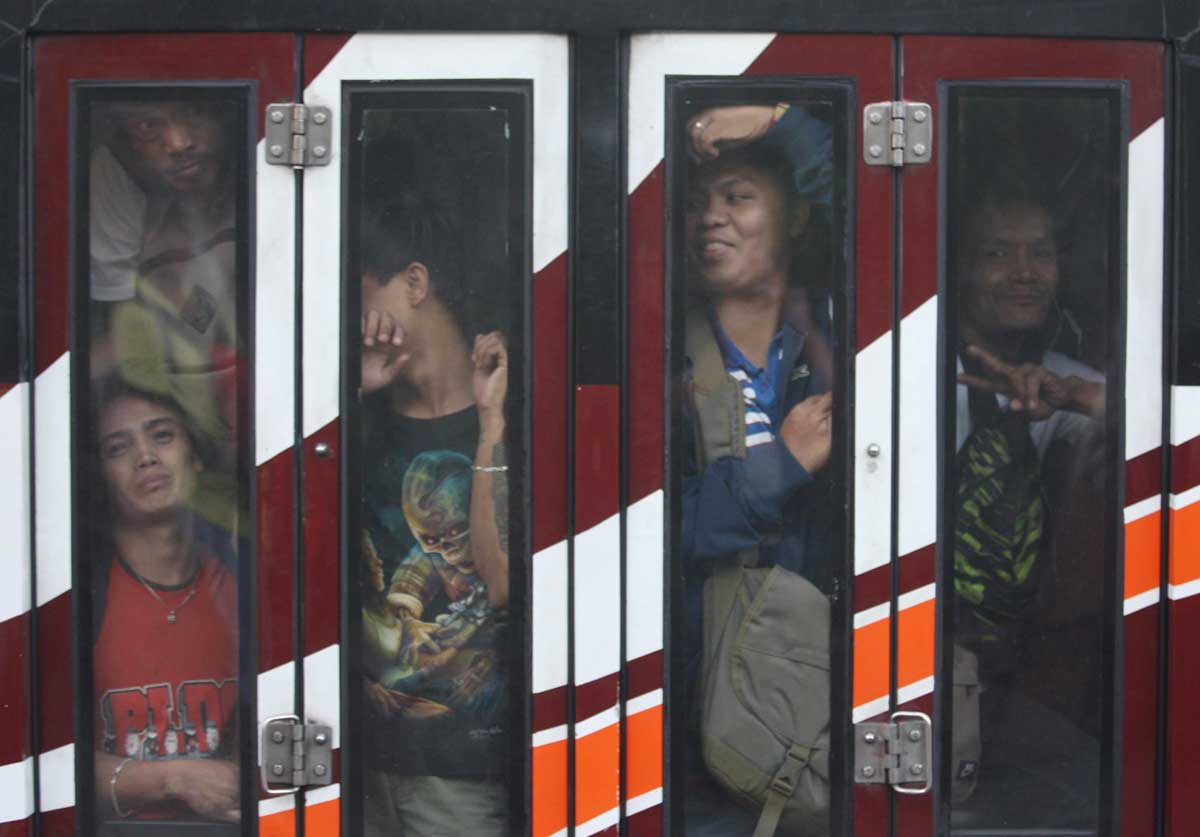
Letting commuters’ voices be heard
Their Facebook group also became a venue for netizens to make their positions heard about the provincial bus ban that was stalled by a court injunction. For AltMobility, this policy will only burden the public with an additional commute time by having them travel from interim terminals.
Commuter Karl Mercado found Facebook an important platform to prove his point — that the MMDA was giving private vehicles the upper hand over commuters in its policies.
His photo that has garnered close to 5,000 shares showed buses crammed on the yellow lane while private vehicles zoomed past along EDSA in Cubao.
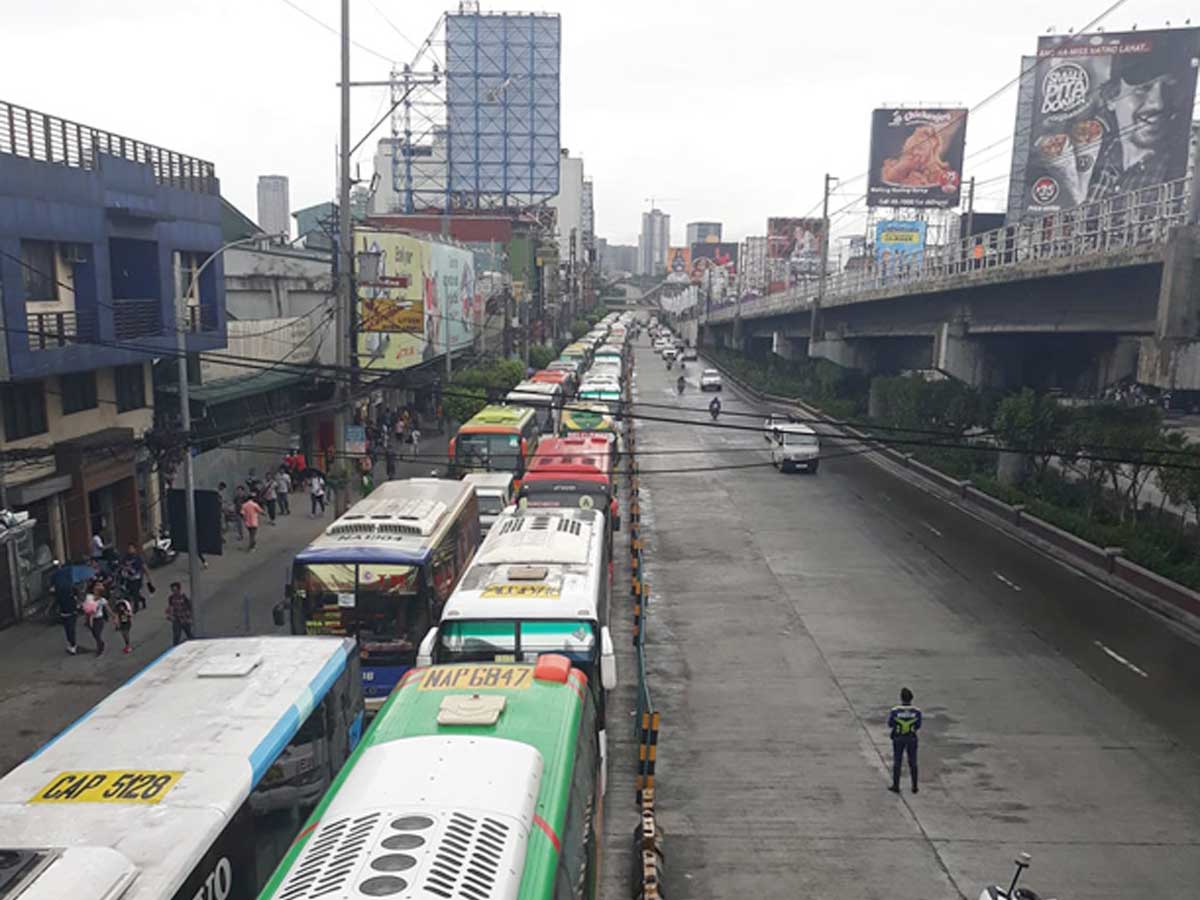
“I think this photo paints a clear-as-day picture of inequality — the line between the rich and the poor,” Mercado told The STAR.
While netizens like Mercado and Cruz found anecdotes handy in gauging the public pulse, Komyut’s Toix Cerna found the quantitative forms like surveys important in getting a more accurate picture of what Metro Manila’s commute is like.
It’s a win-win situation also for commuters if they join the month-long survey and are chosen as the weekly winner of P1,000, Cerna said.
“We can find different angles from the data. The important thing here is we highlight the commuters’ experience. There are so many ways for data to become meaningful for commuters, advocates and policy makers,” Cerna said in an interview with The STAR.
The Google Forms survey, available on Komyut’s Facebook page, asks commuters to rate the government’s traffic enforcement policies, describe their traffic experience from their places of origin and destination, and their profiles.
Data mined from the survey could determine the average number of travel time, the mode of transportation, even the gender of the respondent or if he or she is a person with disability.
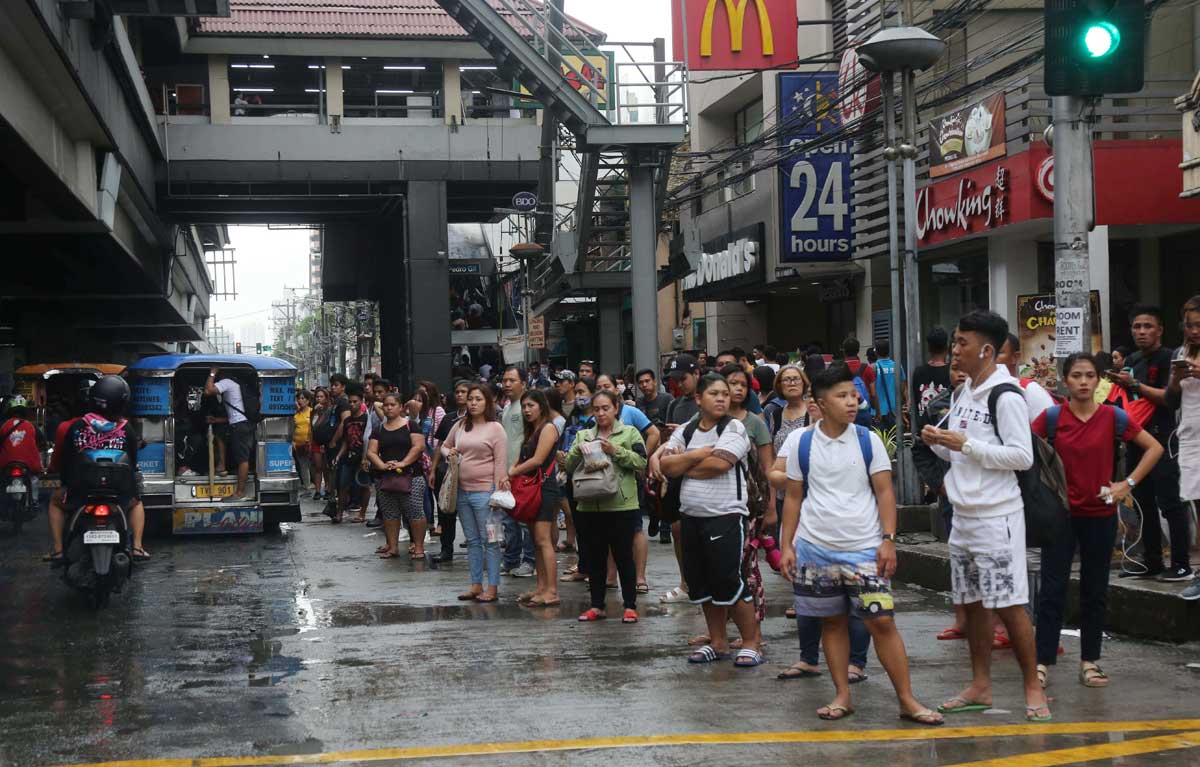
Working to legislate commuters’ rights
While their ways in helping commuters differ, these advocacy groups share the view that government agencies should look into moving people more efficiently, not just improving road traffic.
The groups are pushing for a commuters’ rights bill in Congress that would put emphasis on commuters’ experience by improving walkways and bus stops.
Both groups said government should look into mobilizing more people through mass transportation instead of giving more space to private vehicles.
“EDSA is at the center of this conversation. With the bill, we hope that as they design transport systems, the provisions would guide them toward designing a city that’s more human-centric,” Cruz said.
“The narrative of government and industry players is really about vehicles. Their perspective is that of a car owner. They don’t look into the commuters’ perspective. Let us bring back focus to the commuters,” Cerna added.
AltMobility is currently working with Sen. Francis Pangilinan in pushing for a commuters’ rights bill in the Senate. Pangilinan has filed Senate Bill No. 775, which provides for a Magna Carta for Dignified Commuting and will create a National Office for Commuter Affairs.
The bill seeks to “recognize, guarantee and enforce the right of each person, especially of commuters who rely on public transportation services and active transport in their daily lives. It also seeks a shift to a more sustainable transportation policy that provides safe access and mobility to all, promotes economic development, preserves the environment, and ultimately uplifts the lives of all commuters.”
“Because our commuters truly suffer, we engaged with AltMobility to push for the rights of those who take pedicabs, tricycles, jeepneys, buses, trains and other public transport vehicles,” Pangilinan said in a statement released to the press.
“We will not be able to solve the traffic problem if the voice of the biggest sector of road users is not heard,” he added.
The bill is currently on its first reading and has been referred to the committees on public services and finance.
A 2014 study by Jose Regin Regidor, Sheila Flor Dominguez Javier, et al. revealed that people who use public transportation services and active transport comprise 70 percent of the total trips in Metro Manila, but are only given 20 percent of road space. The remaining 80 percent of road space is occupied by private motorized vehicles, which account for only 30 percent of the total trips in Metro Manila.
According to a 2017 study done by Boston Consulting Group, Metro Manila commuters and motorists spend an average of 66 minutes stuck in traffic, making Manila's traffic the third worst in Southeast Asia.
The study also showed that persons with disabilities are rarely considered in road infrastructure, making them prone to accidents that could sometimes prove fatal.
Based on a 2016 Philippine Statistics Authority study, at least 32 percent of deaths are due to road crashes, with a majority of the victims pedestrians. In addition, due to the boundary or commission-based revenue system in place, drivers of buses and jeepneys have unsafe driving practices because they are competing with each other for passengers. — With Epi Fabonan III
Further reading


