



Here’s How Remote Enrollment Will Work Starting June 1; Duterte Agrees To Alternative Means of Learning
The enrollment period for the upcoming school year in public schools officially begins on June 1. The Department of Education is rolling out a system that it hopes will reduce – if not totally eliminate – the need for physical enrollment.
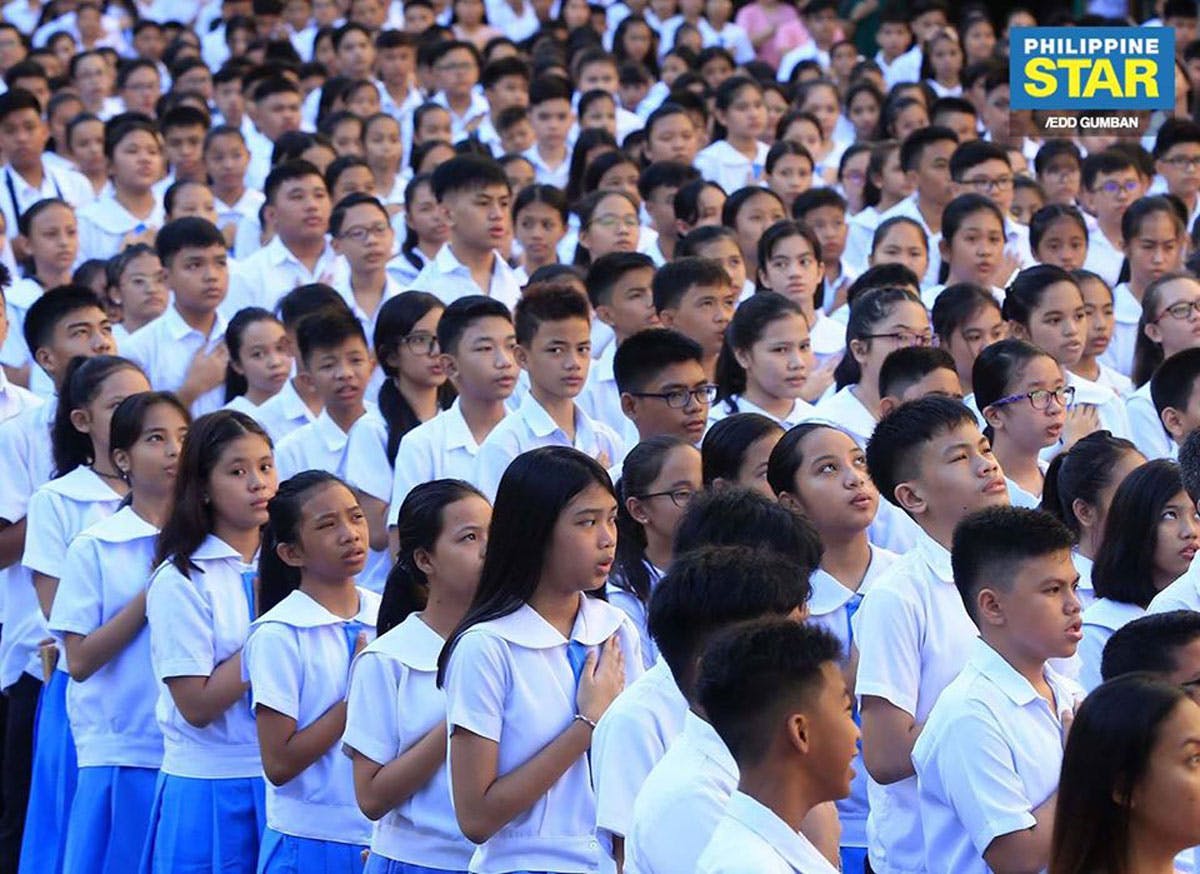
Preparations for the upcoming school year will be fully underway with the start of the month-long enrollment period for public schools on June 1.
But unlike in previous years, parents or guardians may now enroll their children without having to physically leave the safety of their homes.
The Department of Education (DepEd) will roll out what it calls the remote enrollment system to minimize risks of transmission of the coronavirus disease (COVID-19) amid the pandemic.
This means that, as much as possible, enrollment information will be collected through a system that is most convenient between teachers and parents such as phone calls, text messaging or online submission.
“In keeping with strict physical distancing measures,” enrollment for school year 2020 to 2021 shall primarily be administered remotely, read the guidelines released on May 28.
“Physical enrollment in schools or other similar activity shall be highly discouraged, even in low risk areas,” it said.
According to DepEd, the implementation of remote enrollment shall take into consideration the resource inequalities and differing circumstances that exist among learners and teachers.
It said the submission of printed forms should be the last resort for enrolling a child in the upcoming school year.
Grades 1 to 12
For continuing students in Grades 1 to 12, teachers will contact the parents or guardians of their advisory class in the previous school year to collect enrollment data.
Parents may also reach out to their child’s adviser in the previous year for the conduct of remote enrollment.
Aside from basic information about the students and their parents or guardians, the teachers will also collect information regarding household capacity and access to distance learning of the students.
English and Filipino versions of the forms are available.
DepEd said it is necessary to collect such information as it would generate critical data for the design of learning delivery strategies and approaches, as well as for planning, resource allocation and policy formulation.
“New data shall be collected this school year to capture information that will be relevant in assessing the capacity of the basic education system, and the appropriate targeting of learners, for the continuing delivery of learning in the context of constraints and opportunities presented by the physical distancing measures,” it noted.
Transferees, returning and new students
If a student plans to transfer from one school to another, the parents or guardians should directly contact the receiving school through its published enrollment contact details.
Parents of incoming kindergarten students shall communicate their intent to enroll their children through the digital or physical enrollment platforms established by schools.
Balik-Aral enrollees, or those who intend to resume their education after dropping out in previous years, shall directly contact their preferred schools, which will register their enrollment and survey data.
Meanwhile, prospective students of the Alternative Learning System (ALS) may communicate their intent to enroll through digital or physical enrollment platforms established by schools and barangays with community learning centers.
The enrollment form for ALS students will be made available in digital or physical format.
According to DepEd, the deadline for submission of documentary requirements shall be deferred until December 2020 for both public and private schools.
No school shall compel learners and their parents or guardians to take responsibility for transmission of school records.
“Only schools and their personnel shall coordinate the transmission of learners’ records, whether internally (e.g., between a learner’s previous and incoming class advisers) or externally (i.e., between schools),” read the guidelines.
Physical enrollment
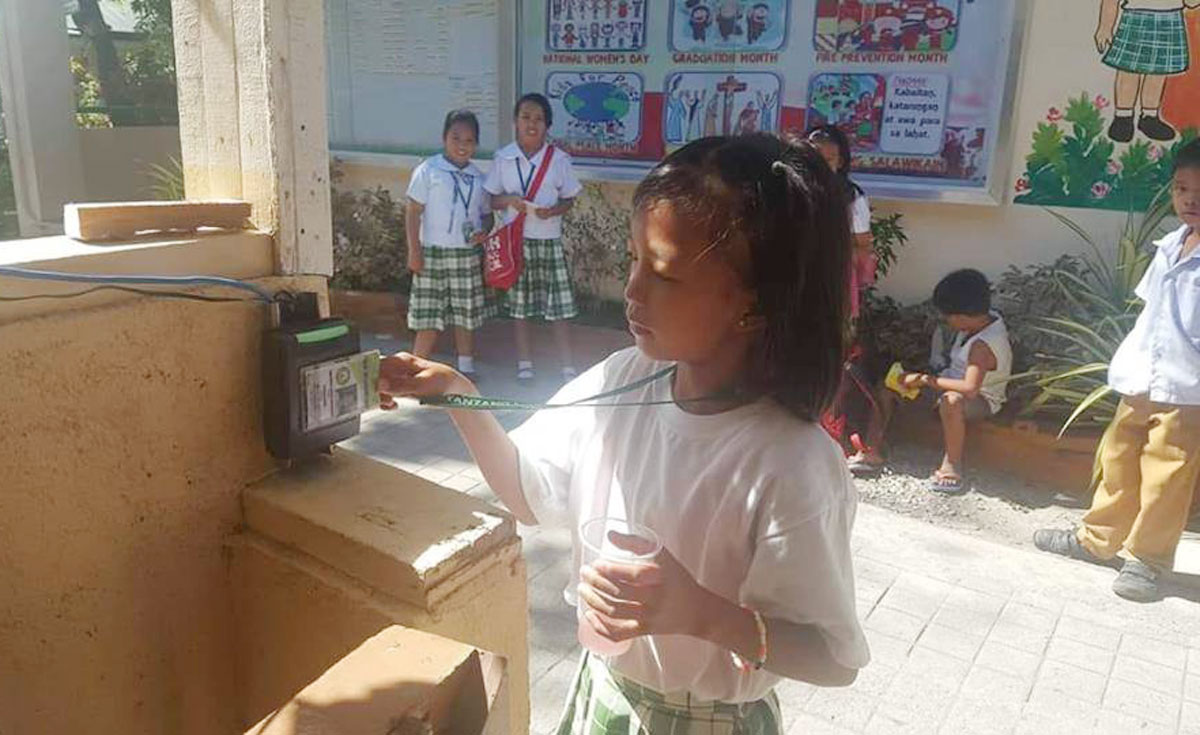
In the event that parents or guardians are not able to submit enrollment data through the established remote platforms, schools may set up physical platforms such as kiosks or booths in coordination with the local government unit.
“This shall be done in strict compliance with the minimum health and safety standards,” read the guidelines.
DepEd said physical submission of enrollment data shall be done only in the third week of the enrollment period.
“The first two weeks shall completely be remote enrollment, where there will absolutely be no face-to-face,” it added.
Teachers’ role
In the new system, teachers are expected to play a major role in the collection of enrollment data for incoming public school students.
Those who have advisory classes in the previous school year are tasked to collect and encode the data to the End-of-School-Year Learner Information System (EOSY-LIS) of the agency.
Teachers without advisory classes shall be appointed as enrollment focal persons, which will accommodate kindergarten, transferees and Balik-Aral enrollees.
ALS teachers shall act as focal persons to accommodate ALS enrollees.
Once the information is collected, DepEd said teachers may already start encoding in the provided template while waiting for their respective encoding schedules.
For teachers without laptops and internet connectivity, any physical reporting to schools to encode data shall strictly adhere to the minimum health and safety standards.
If conditions will not allow for physical reporting in school, DepEd says filled-out hard copies of the forms will be compiled until the system opens for encoding.
DepEd directed school heads to ensure that all teachers have the means and support to encode the data.
“Teachers with existing medical conditions shall be provided with assistance during data collection,” the guidelines read.
DepEd gave both public and private schools until July 7 to complete the encoding in the EOSY-LIS.
Data privacy
The DepEd also provided specific guidelines to protect the personal data that would be collected.
It said schools should properly dispose of accomplished printed enrollment and learner survey forms after these are encoded in the system.
The agency’s data protection officer was also directed to ensure the agency’s compliance with the requirements of the Data Privacy Act during the enrollment process.
“Regional directors, schools division superintendents, and school heads shall act as data compliance officers at their respective levels of governance and ensure the protection of collected personal information,” the guidelines stated.
“They may use the results of the survey to plan and develop interventions for their respective jurisdictions consistent with the requirements of the Data Privacy Act,” it said.
Up to parents; no conflict with the President
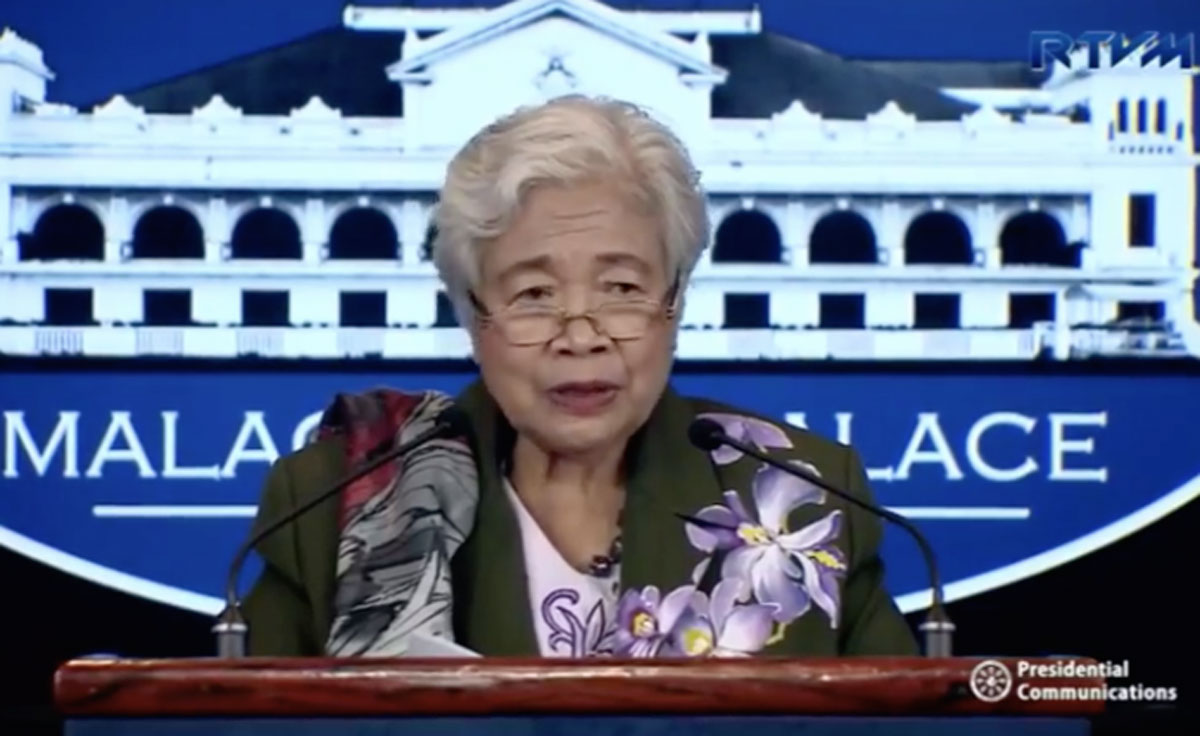
On May 28, Education Secretary Leonor Briones talked about blended learning in a televised meeting with Duterte, who approved DepEd’s proposal for alternative means of learning to avoid putting children at risk amid the pandemic.
Unlike his previous statement that it would be fine not to have classes or any graduates until a vaccine is developed for COVID-19, Duterte said education “should go on” and that the administration would extend all necessary support for DepEd in carrying out blended learning.
“The future of the country depends on how we educate our young people,” Duterte said.
"I'm impressed with the simplicity of the program... And I believe that all that you have said is really feasible... I believe we have a very workable program and I support you," he told the DepEd chief.
Earlier, Briones said it would be up to parents to decide whether their children should continue formal education in the upcoming school year.
She said enrollment for the next school year would be voluntary and they would respect the decision of the parents. The opening of classes has been set on Aug. 24.
“We try to give them as much information as possible, the choices that they can make, so that they will be in a better position to decide,” she said in an online press briefing on May 28.
“We will respect the decision of the parents if, despite being offered blended/distance learning, they still decide not to enroll their students in the coming school year by reason of COVID-19,” she added.
Briones said the DepEd is preparing various options that would allow the school year to proceed without necessarily requiring students to go to schools.
These distance learning alternatives include using printed modules or delivering educational content through technology, such as internet, television or radio.
“Parents will decide whether they will keep their children for several months – maybe 10 months for the very least – or take advantage or utilize the various options that DepEd is offering so that education of the children can continue,” Briones said.
She maintained that the DepEd position is not in conflict with that of Duterte, who said on Monday that he preferred to have a vaccine first before allowing classes to resume.
“Obviously what he is referring to is the physical or face-to-face handling of classes,” she said in Filipino.
“We in DepEd also say that we will not allow holding of physical or face-to-face classes not just in areas where it is risky, but also in those that would not be able to comply with the standards of the Department of Health (DOH),” she added.
When asked if a vaccine would be necessary before face-to-face classes would be allowed, Briones said they would not allow these unless the “DOH is satisfied,” citing requirements such as facilities to ensure that physical distancing would be followed.
The DOH earlier supported Duterte’s position that face-to-face classes should be allowed only when a vaccine for COVID-19 is already available.
“We would like to reiterate the position of the DOH, that face-to-face classes should remain suspended while we still don’t have a vaccine,” Health Undersecretary Maria Rosario Vergeire said in Filipino on Wednesday.
She noted the difficulty in ensuring physical distancing in all parts of a campus, which is part of the minimum health standards required in allowing face-to-face classes.
“The health and safety of every student would be ensured if they would remain at home while the teachers are finding ways to implement flexible alternative learning methods,” she added.


