



Family Of Philippine Eagles Found In Zamboanga City Sparks Hope For The Endangered Species’ Continuous Breeding
The discovery of the Philippine eagle family and its nest should inspire future generations to continue to conserve and protect precious watershed and its vital ecosystems as these eagles breed and nest only in safe and healthy forest habitats.
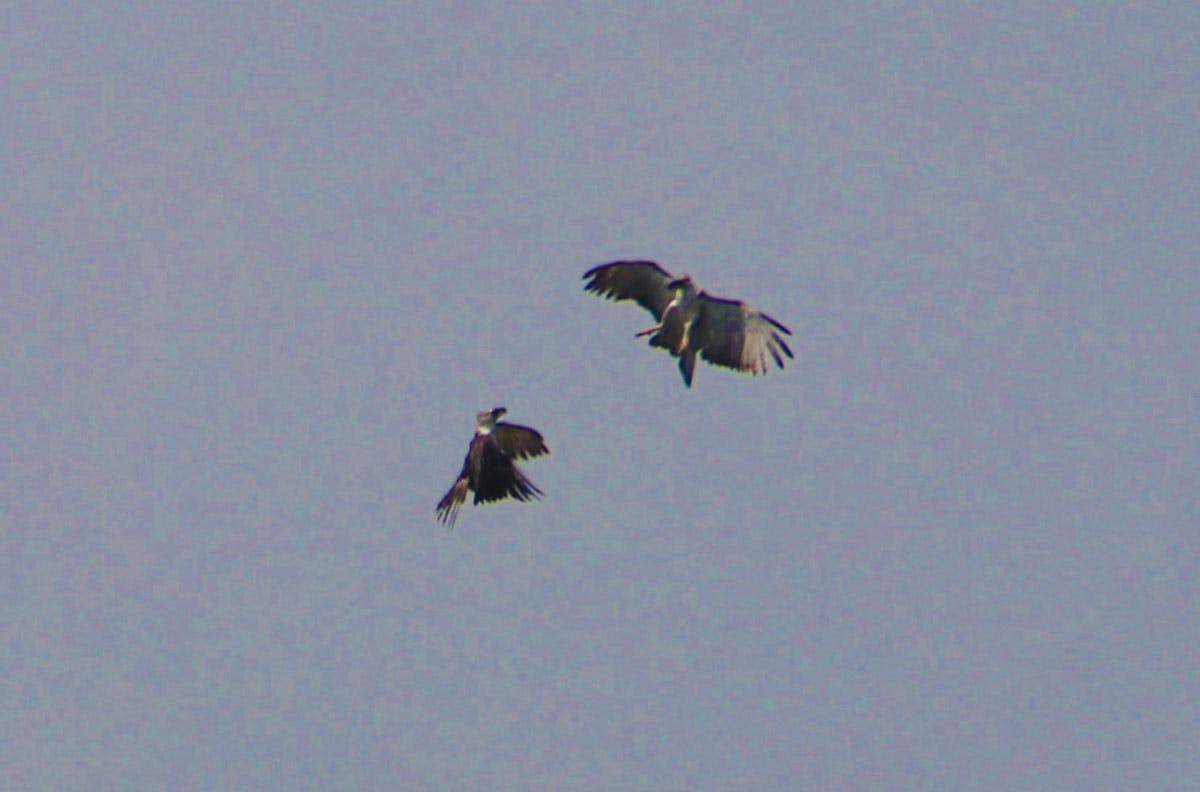
There is new hope for the country’s iconic but endangered national bird after researchers confirmed that a family of Philippine Eagles was not only present in Zamboanga City but had even built a nest in its forests.
Protect Wildlife, a project funded by the United States Agency for International Development (USAID), made the announcement as the country just recently celeberated Philippine Eagle Week from June 4 to 10.
The discovery of the eagle family and its nest gave “hope for future generations to continue conservation and protection of our precious watershed and its vital ecosystems,” Zamboanga City Mayor Maria Isabella Climaco said in the press statement.
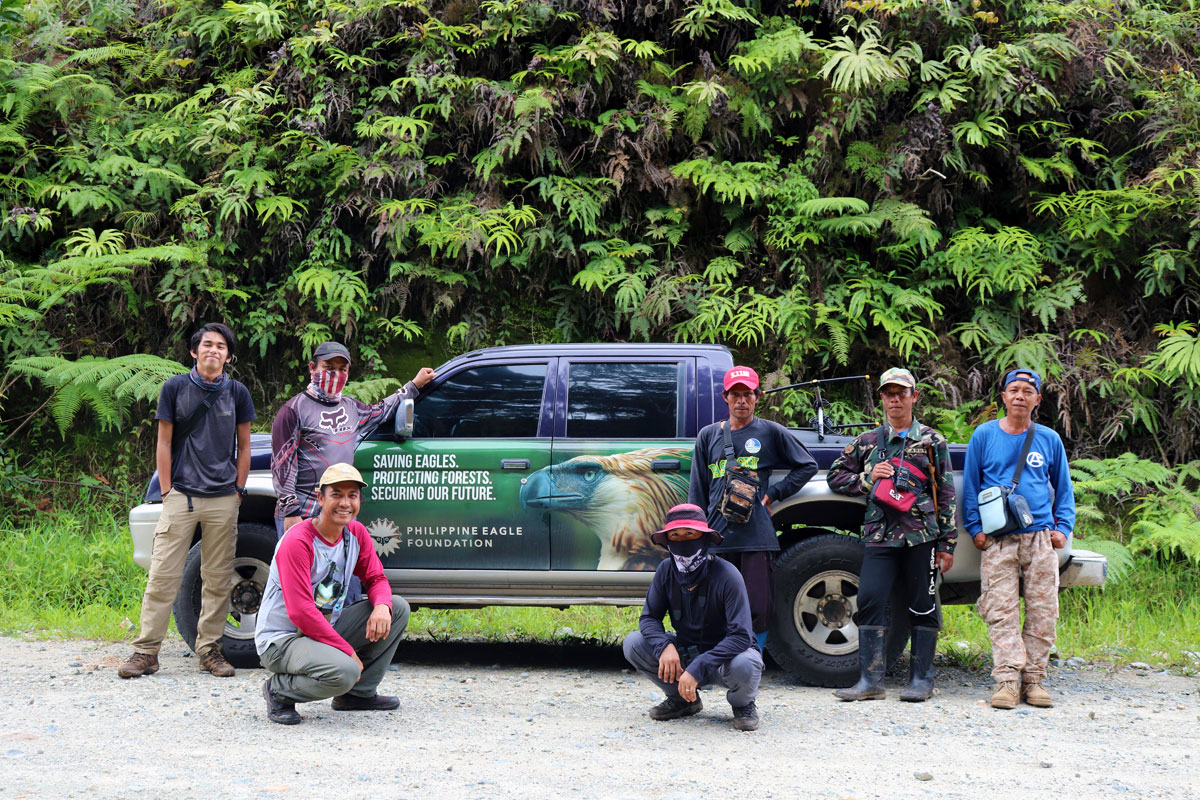
Beginning October 2019, a series of field expeditions was carried out by the Philippine Eagle Foundation (PEF) in partnership with USAID, the Zamboanga City government, the Zamboanga City Water District and the Department of Environment and Natural Resources.
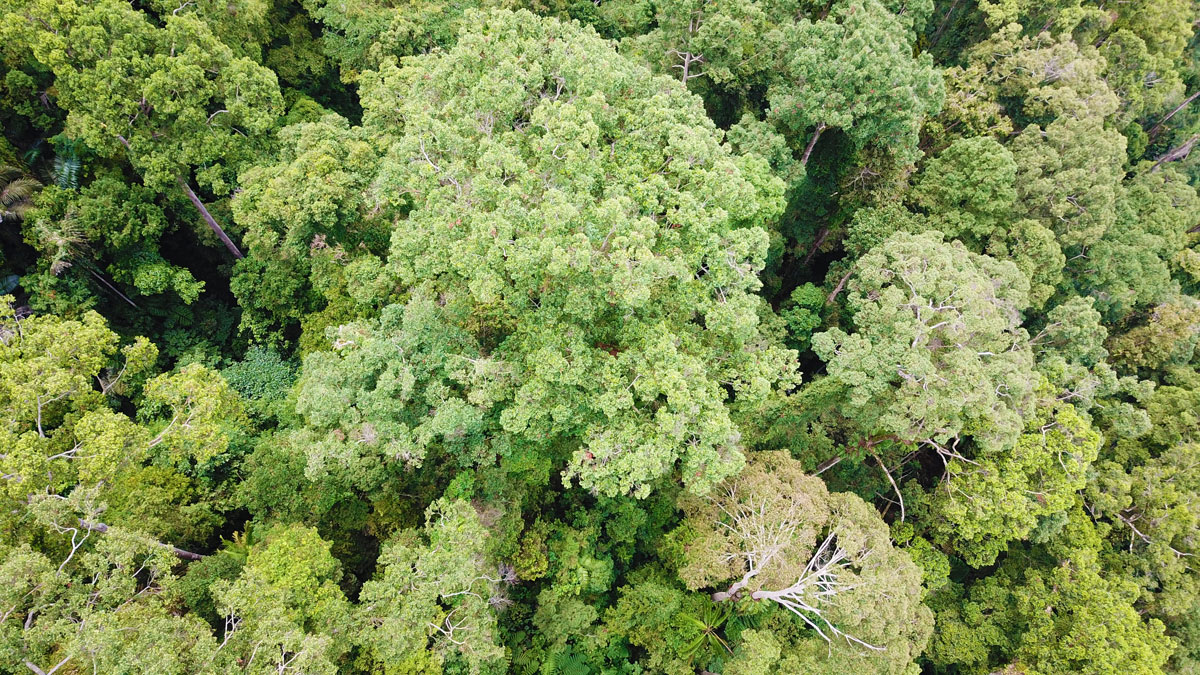
This was the first-ever survey of the majestic raptors in the 17,000-hectare Pasonanca Natural Park, one of the peninsula’s few remaining intact forests.
Prior to the field study, proof of the presence of Philippine Eagles (Pithecophaga jefferyi) in the protected watershed was limited to brief sightings by forest guards and feathers picked up from the ground.
The expedition gave researchers a glimpse into the Zamboanga Peninsula subpopulation, which is little studied and understood compared to other flocks elsewhere in Mindanao.
The threats of hunting and habitat loss meant only 400 pairs of the mighty bird of prey were left all over the country, half of them in Mindanao.
“We can only save what we can understand,” PEF director for Research and Conservation Jayson Ibañez said. “For a critically endangered species like the Philippine Eagle, finding, studying and protecting each individual bird in the wild are the only means to save it from extinction.”
“Eagle conservation is never the work of just one person. It requires partnerships, multiple skills, and resources toward a common goal,” PEF executive director Dennis Salvador noted. “This collaboration paves the way for building regional capacity on research and conservation to help address the unique needs of Philippine Eagles in Zamboanga.”
The first expedition, timed with the October breeding season, gave way to a major breakthrough – an adult male Philippine Eagle was photographed for the first time in Pasonanca, a barangay in Zamboanga City.


Team members set up observation posts both on the ground and high above on tree platforms, and used scopes and binoculars to scan the forest canopy – or treetops – for signs of eagle activity.
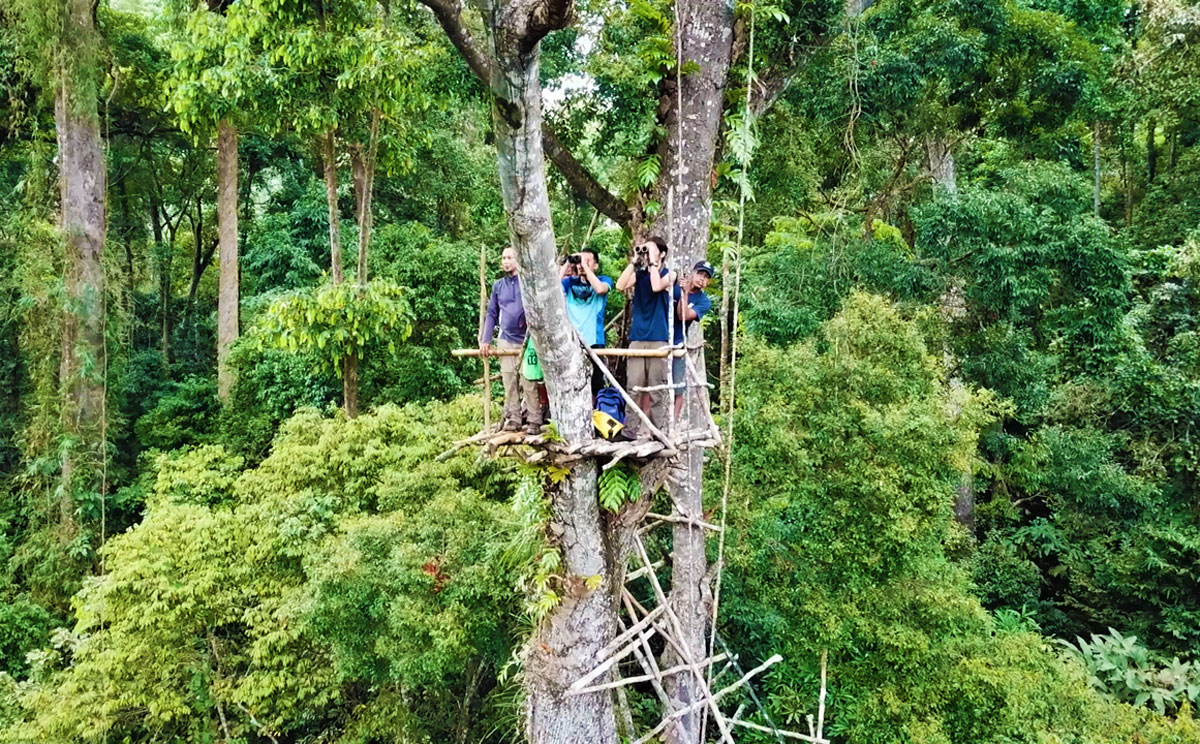
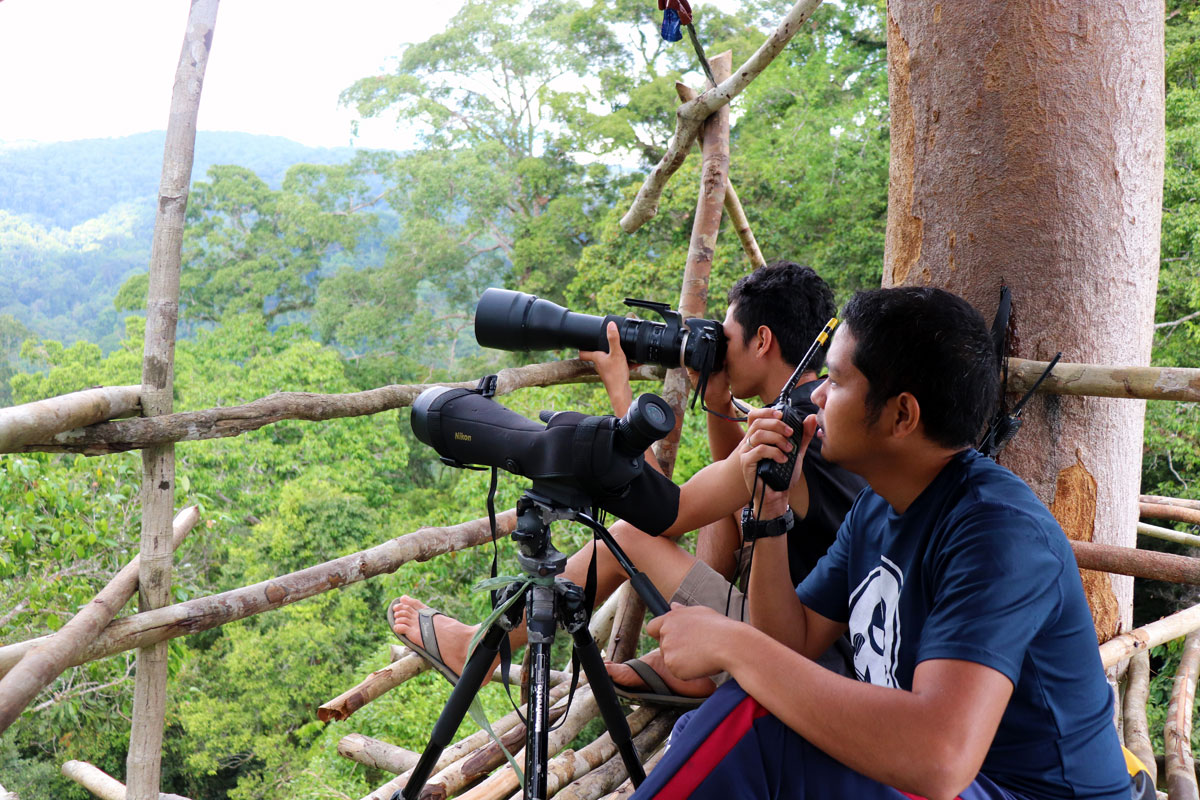
After almost 10 days, an adult male eagle was photographed emerging from a tree line, carrying a large prey. The same bird was spotted again for three consecutive days – which meant that it could be providing food for a potential mate and their eaglet.
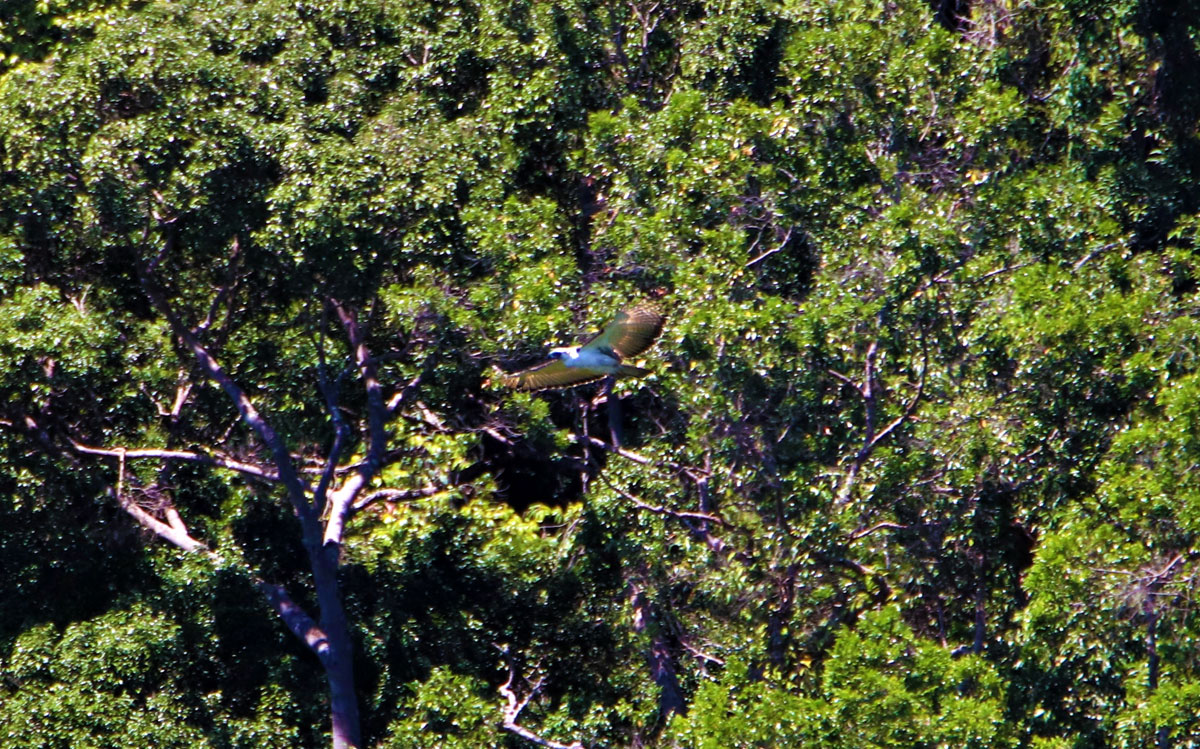
During a second expedition in November and December, the team scouted the forest for more clues – such as droppings, remains of prey, molted feathers and large masses of ferns suitable for nests – that could point out the flight patterns and the home range of the eagles there.
On Dec. 4, 2019, the male eagle was again spotted flying from a tree canopy after delivering food. The team then spotted an adult female in a thicket of ferns. A healthy and well-fed one-month-old eaglet was seen in the nest – the first recorded in Pasonanca and the third in the entire Zamboanga Peninsula.
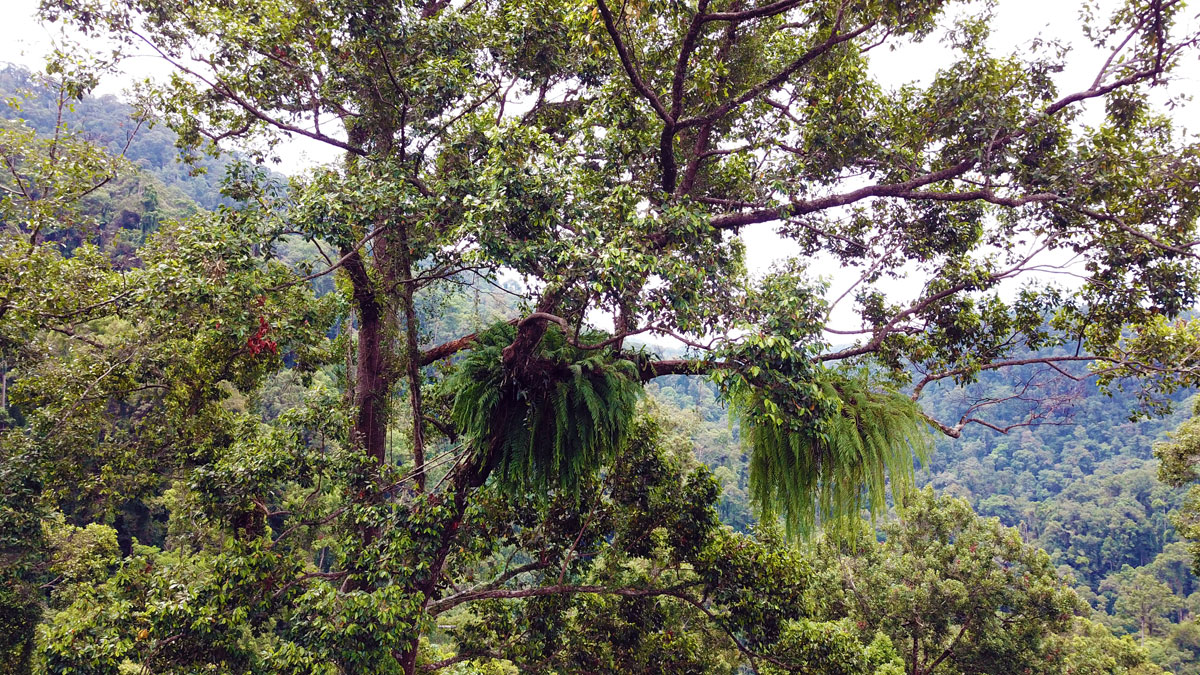
Ibañez stressed the importance of finding active eagle nests and protecting them to ensure that eagle pairs could nest safely and raise their young so it could survive and become a future breeder.
“The presence of an eagle nesting pair and their young is strong proof that conservation is working in the park,” he said. “Eagles breed and nest only in safe and healthy forest habitats. If forests are intact, that means the rest of biodiversity therein is also diverse and thriving.”
However, when the team returned in January 2020, the nest was empty. Only a few feathers, small bones and skin patches of the eaglet remained; these were sent to the University of the Philippines for DNA and genetic tests.
In other words, the baby eagle died.
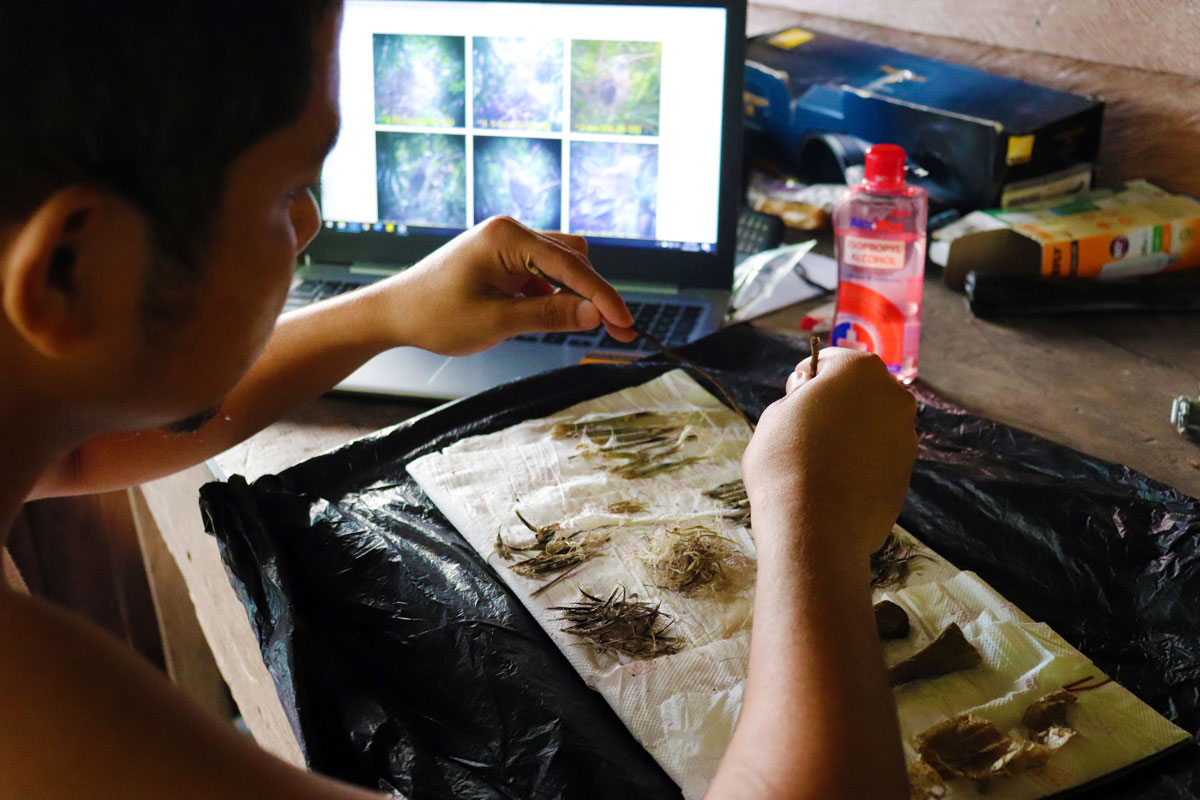
This was not an uncommon occurrence. PEF data shows that three out of 10 nesting attempts can fail even in the best environments, due to natural causes such as sickness or accidents. Inexperienced eagle pairs breeding for the first time were found more likely to lose their eaglet.
But the eagle parents remained together, the team members found when they returned to the area in February and March this year. The eagles showed courtship behavior, such as exchanging vocals, soaring together and displaying their talons. The male was also seen trying to mate with the female on a few occasions.
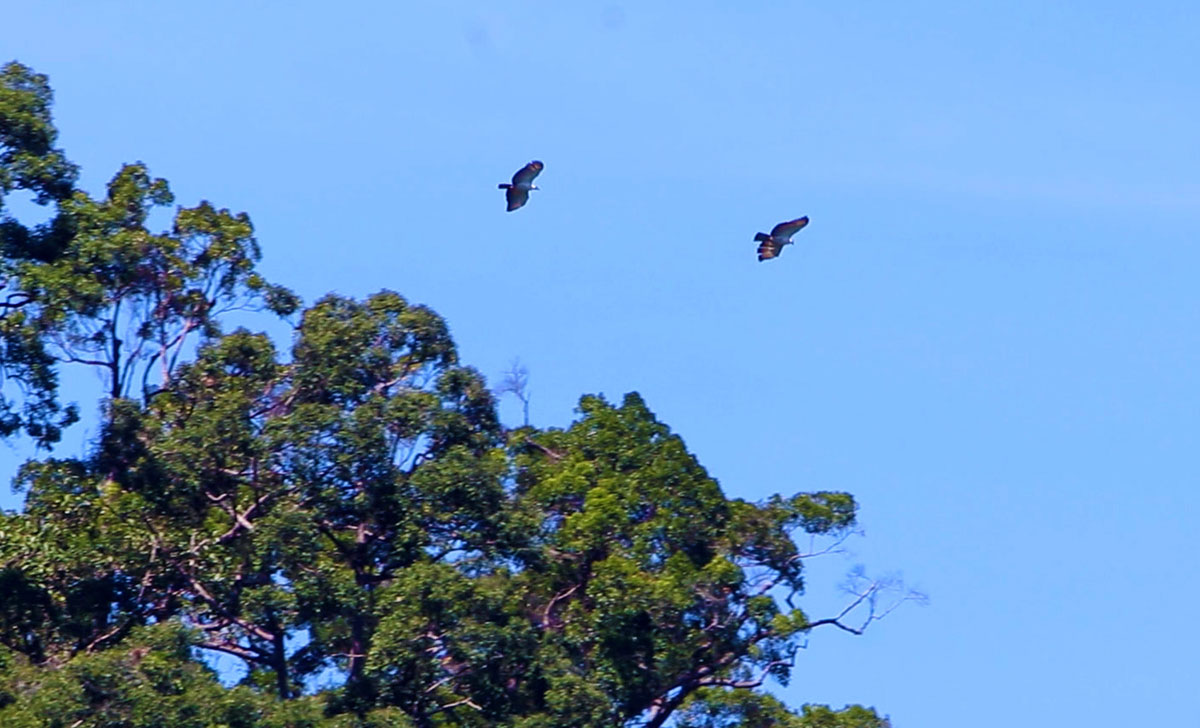
While hoping that the pair could nest again and lay a new egg, the team continues monitoring the raptors and preparing to trap and tag them to follow their movements in the forest. This would provide information about their hunting and breeding grounds where protection and conservation measures could be strengthened.
Ibañez said there may even be three more pairs in Pasonanca. “Finding these pairs, and studying and monitoring them, will be very important to eagle research and conservation in the region,” he said.
Studying the eagles in Zamboanga Peninsula is also important to “maintain genetic diversity and allow eagle populations to adjust to an ever-changing world” and avoid extinction, Ibañez stressed.
This is because the bloodline of the pairs in the area could have unique adaptations and behaviors to survive in the area’s unique environmental conditions. Lack of genetic diversity has at times led to the exposure of entire species to decimation by diseases.
USAID, through its Protect Wildlife project, trained the city water district’s forest guard to enforce forestry and wildlife laws. Meanwhile, Climaco committed to “harness efforts to make our natural habitats safe for God’s precious creations.”
Amid these efforts to conserve the Philippine Eagle, PEF is also struggling with the loss of revenue due to the lack of visitors amid the quarantine measures and lockdowns enforced in response to the coronavirus disease 2019 pandemic.
The Philippine Eagle Center, the only breeding and rehabilitation facility for the national bird, had to move to virtual tours. To help its 31 eagles and other animals, donate to http://www.philippineeaglefoundation.org/donate.
Photos used in this story are courtesy of the Philippine Eagle Foundation and USAID Protect Wildlife Project.


