



Emmy Award-winning Filipina Recalls She “Barely Made It To The Next Salary” On Her First Job
“Understand your value. Increase your value by learning as much as you can.”
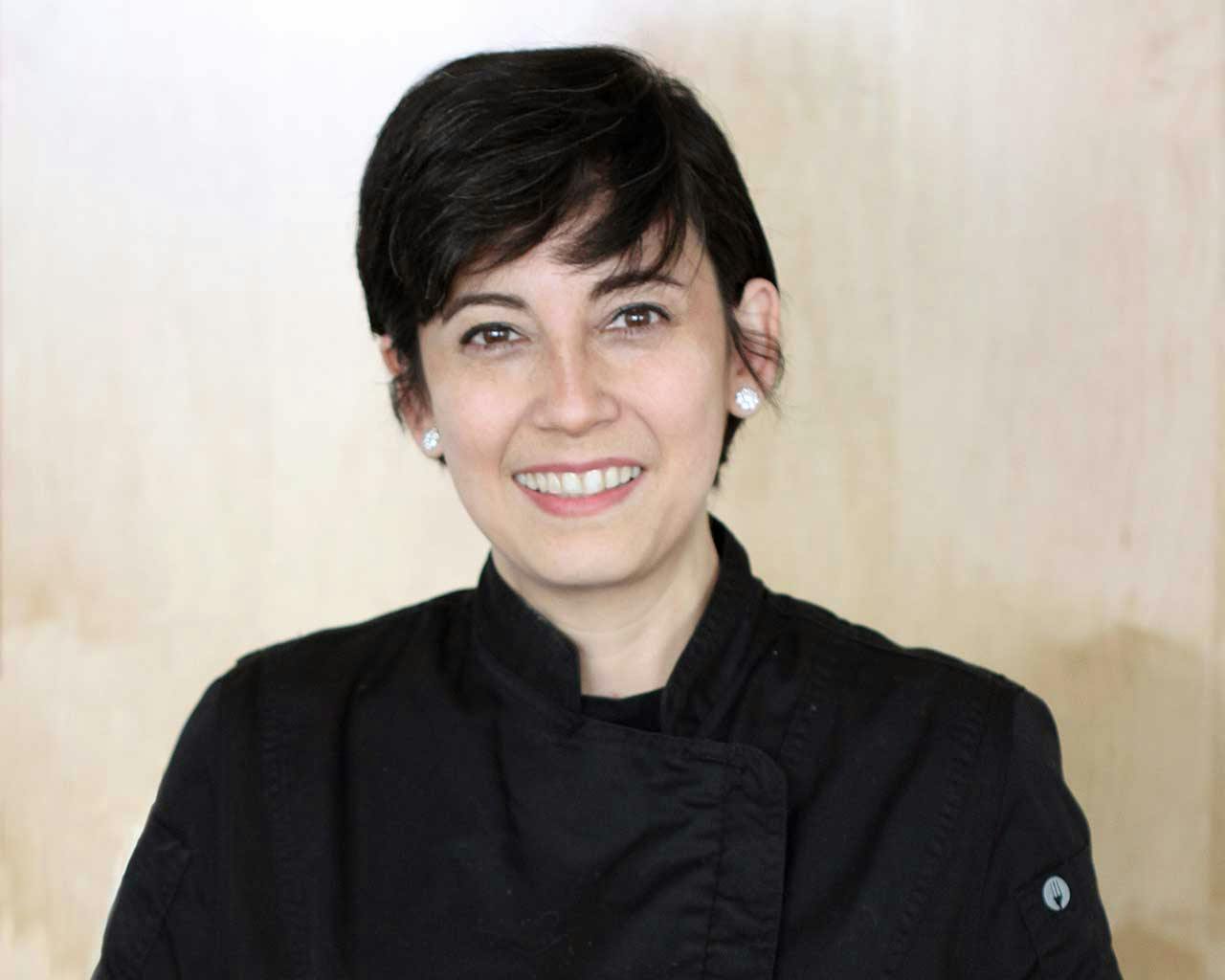
We continue our Career Inspirations series this week with a feature on another remarkable Filipina whose dedication to her career in television production has earned for her an Emmy Award.
Meet Carol Gancia, Head Chocolatier at specialty shop Kokak Chocolates in California. Though now retired from TV production to focus on the business she co-owns, Carol attributes much of what she knows now to many grueling years working behind the scenes, first as a producer for “The Probe Team” and “5&Up” in the Philippines.
In the U.S., Carol worked under KQED, a San Francisco-based television and radio station, as associate producer for “Check, Please! Bay Area,” a restaurant TV show. In 2006, a year after its pilot, the show was recognized with an Emmy for Best Interview/Discussion Program.
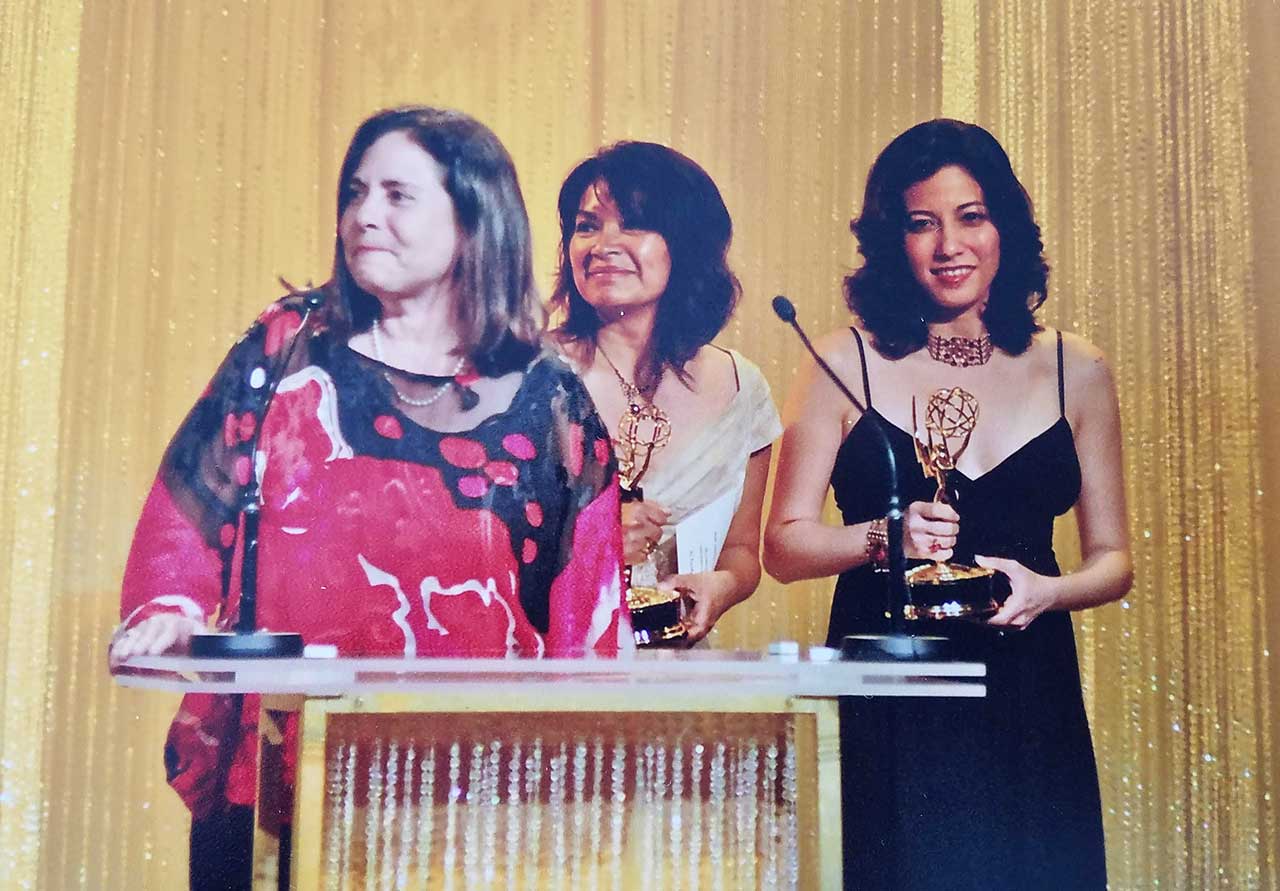
For International Women’s Month, Carol reminisces on her journey as a professional, from her “The Probe Team” days to managing the Google Inc account under Advanced Systems Group, and finally making a passion project a reality.
What was your first job?
I worked as a segment producer for The Probe Team.
Describe to us your experience in that first job.
I feel very fortunate to have been a part of The Probe Team. [Before producing for “The Probe Team,”] I trained as a segment producer for “Agri-Link,” an agribusiness magazine program, that sent me to feature entrepreneurs in the countryside. I had such a great time learning and exploring. It was an experience of a lifetime learning from farmers all over the country.
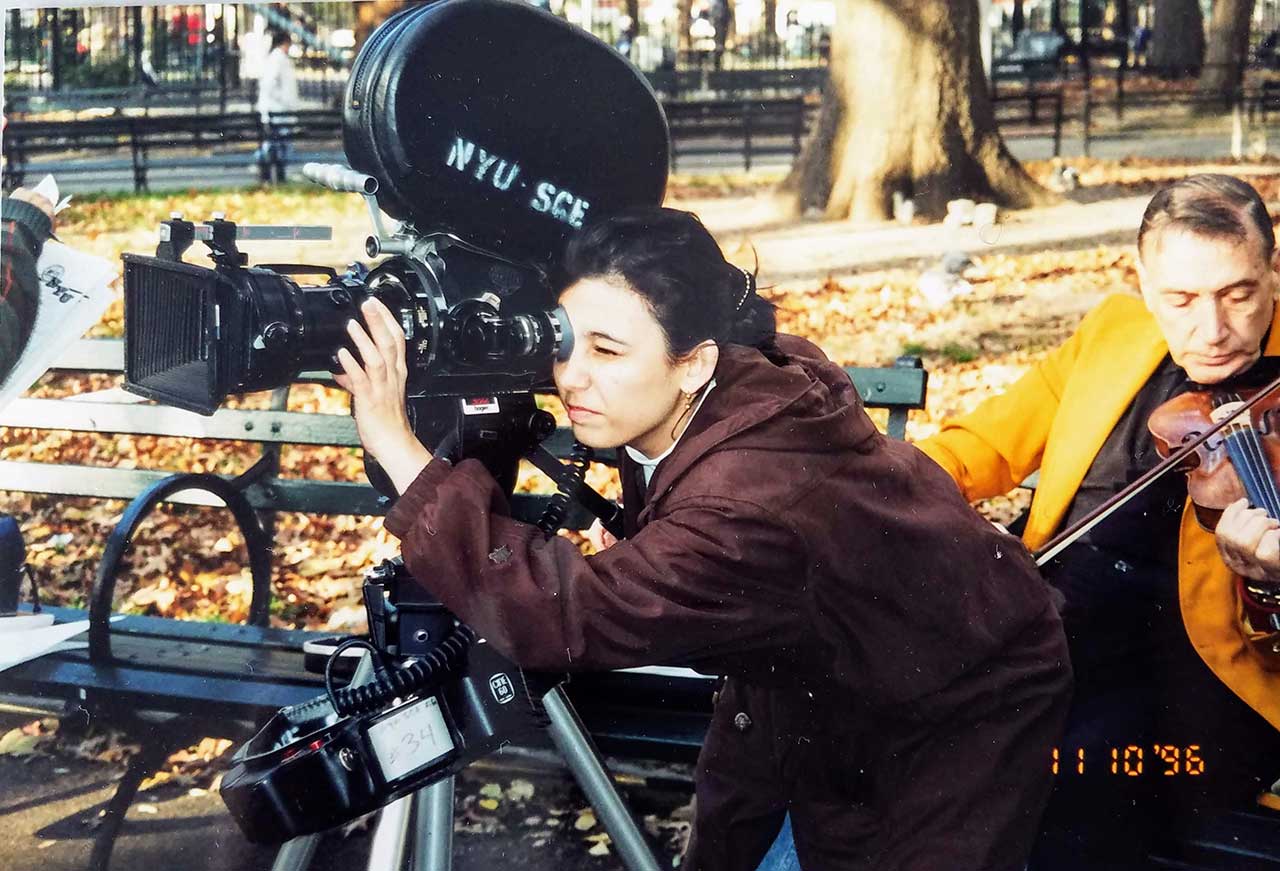
My work hours were long. I did everything from pitching a story to interviewing with my reporter to writing to editing.
I spent Sundays looking for a story to pitch on Mondays. I pitched stories on Mondays and started booking interviews on Tuesdays. Wednesdays were filming day with Thursdays devoted to writing my segment. I typically started editing on Thursday nights through Friday. The show aired Fridays back then.
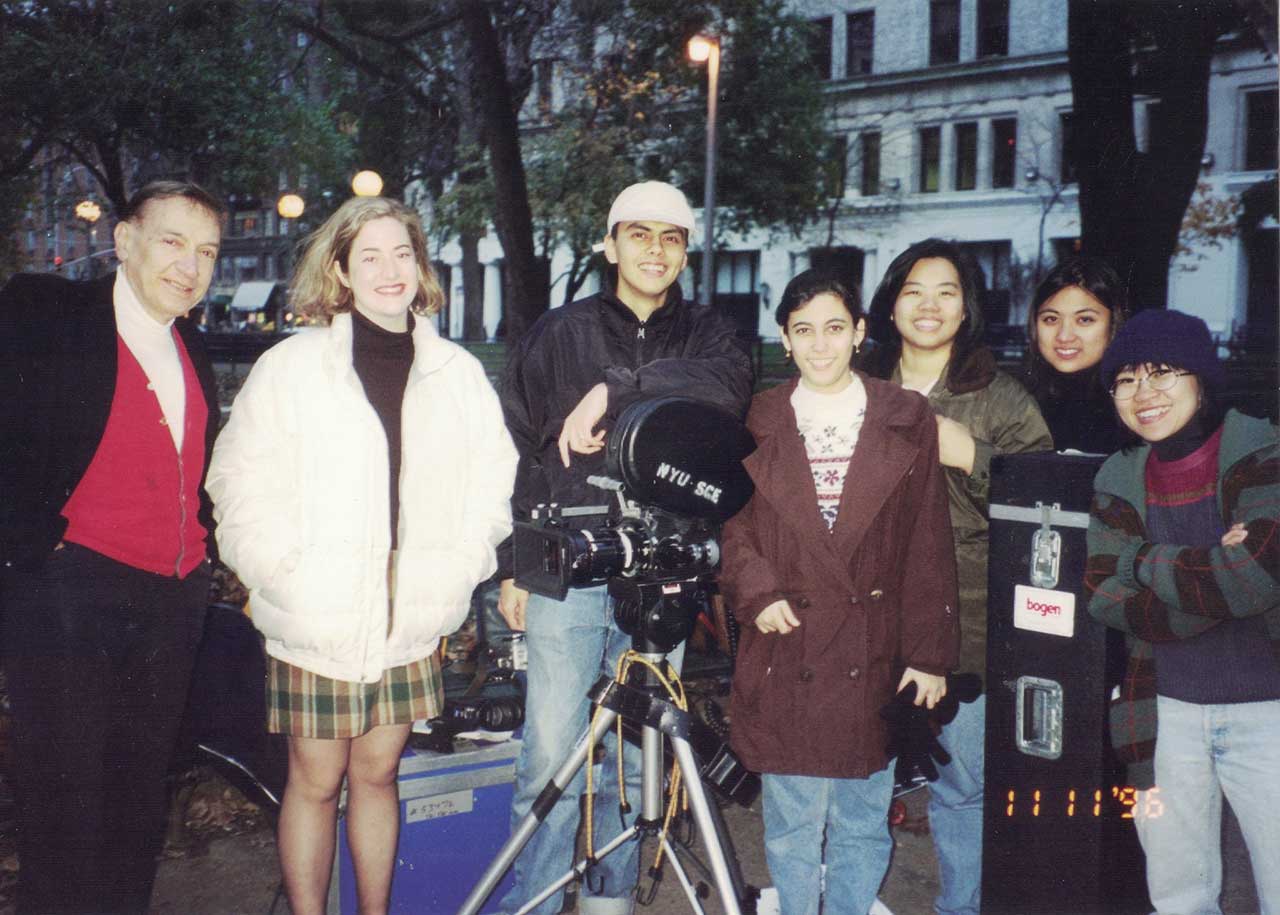
Probe Productions, my employer, was always big on training, which laid the foundations for the skills and values I carry with me today. I did start out at minimum wage and barely made it to the next salary, but it was so much fun, I hardly noticed. Most days when I was down to my last few pesos and didn't have enough money to commute home, I would catch a ride with my best friend and co-producer, Candy Cantada, [who had a car].
What was the biggest challenge you faced in that first job? How did you pull through?
The most challenging aspects of being a producer at Probe back then were the demands of the job. While I thought it was the most exciting thing that can ever happen to someone like me -- a fresh graduate who really did not know anything -- it was physically demanding and [was] a lot of responsibility. I was not at my healthiest during that time, so it was hard on my body. Burnout was inevitable. I've always been big on communication and expressed my concerns with management, and they took action and hired more people.
What was the most important lesson or skill you learned from that first job?
You learn how to get along with people from different walks of life. You learn to compromise and agree to disagree. You learn to muscle through a most challenging situation by yourself.
Integrity and discipline are important to Probe and the family I grew up in. In hindsight, I think I was drawn to the job because it reflected many of my family's values.
What would you say to that younger version of yourself?
Eat healthy, exercise and have fun. Give 100% to your work during work hours.
Give as much to yourself when you're off-work and you will never run out of energy, ideas, [and] passion at work and at home. Work-life balance is important and a habit you want to start early.
Describe to us the lowest point of your career so far. How did you rise above it?
My lowest point was when I first moved to the U.S. While I did not waver in my belief that I will figure out how to run a successful business in San Francisco, many devastating personal events happened during that year which made it harder to work on my business full time. The steady cadence of a day job helped me get through the tough times while working on my business nights and weekends.
What do you do in your leisure time?
I'm a big foodie and enjoy dining out and trying different chocolate shops. I also like walking my dog at parks. I love reading fiction stories, business and food news blogs and watching documentaries.
What would you tell women about work and life?
When you're just starting your career, it's important to have the humility and self-awareness that your colleagues probably know much more than you do. No amount of schooling substitutes work experience.
Choose your first job well. It's more important to have a good supervisor than an amazing salary. Your goal is to learn while surviving or, if you're lucky, thriving on a salary that allows you to pay for your bills. The point is, stay on course. Look for training opportunities that will increase your value.
After one or two years on the job and you think you did very well and have some leverage to negotiate a salary increase and/or a promotion, it's a good idea to reach out to your supervisor for support on your financial or career goal. Ask your supervisor what skills are required to get to the next level. Understand your value. Increase your value by learning as much as you can about your craft.
Be confident. Dress well. When it's time to negotiate your salary, ask for 20% more than what you think you're worth to start. The statement that men earn up to 20% more than [women] do is a fact. I have been part of a hiring team. I have personally seen it as a supervisor in other companies I worked for / with and can tell you I see this every day.
Whether you get your desired salary or promotion, do not stop learning. Your efforts will pay off soon enough.


