



Another Irrawaddy Dolphin Dies In Negros, Extinction Of Local Sub-Population Feared
Conservation groups are sounding the alarm following the death of another Irrawaddy dolphin in Negro Occidental. Scientists believe only 10 to 13 of the species remain in the region.
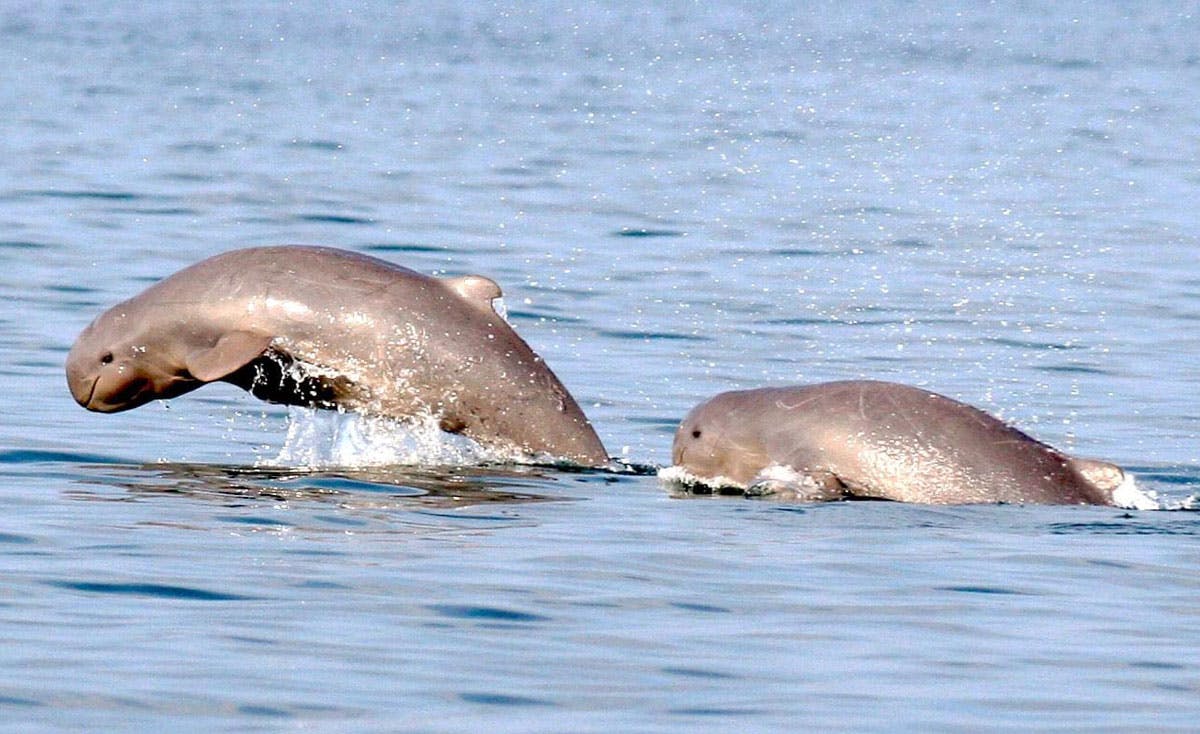
Unless drastic conservation measures are immediately adopted, a local population of a rare dolphin species may soon forever vanish from its natural habitat in Western Visayas.
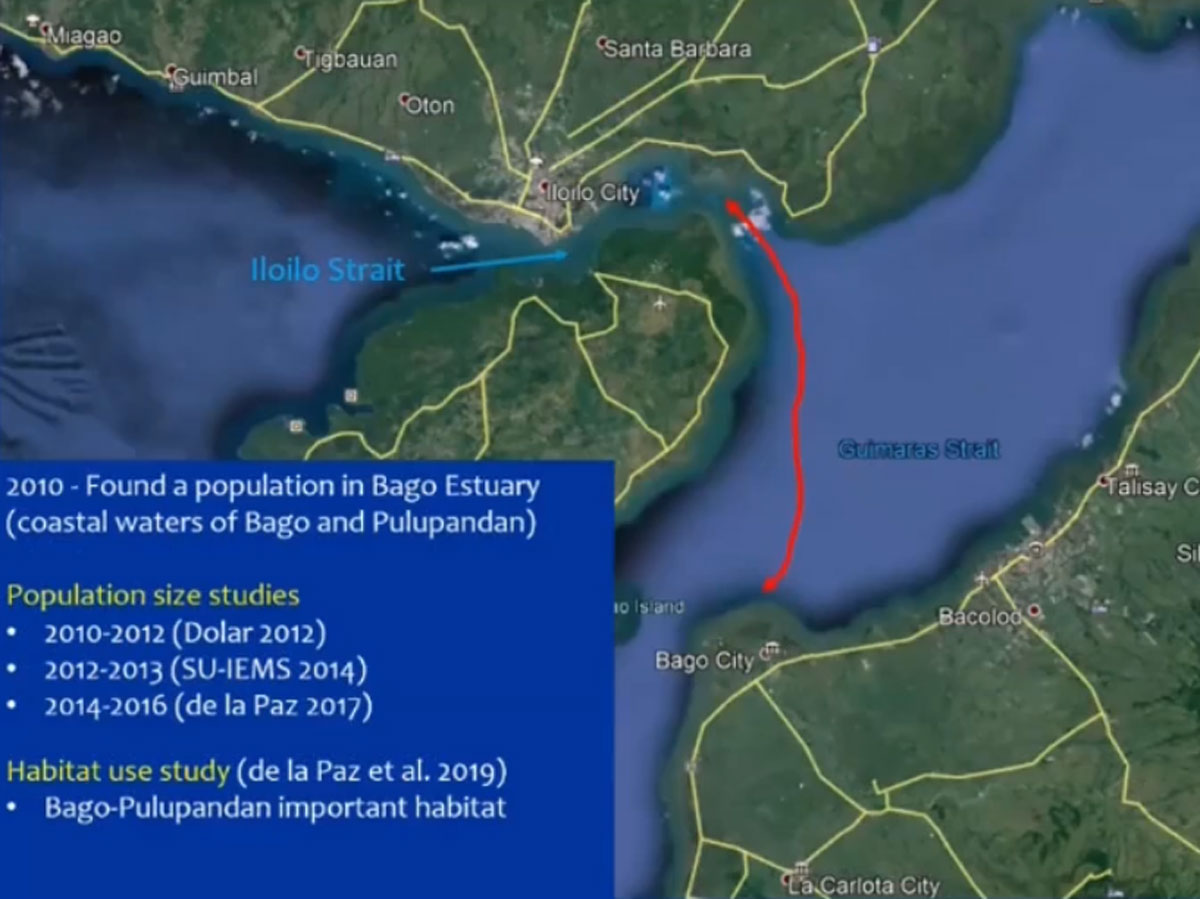
On Sunday, March 14, fisherfolk discovered an Irrawaddy dolphin struggling with a big shark at the Guimaras Strait, off the coast of Bago City in Negros Occidental.
The dolphin, named “Fuji” by marine scientists because of her unique sheared cut dorsal fin, later died due to severe wound it sustained in the incident.
"This recent death adds urgency to enacting policies to save what is left of the Irrawaddy population,” said Trixie Concepcion, regional director of Earth Island Institute Asia Pacific (EII). “We need political will to implement our laws designed for the Irrawaddy's health and welfare.”
Known for their blunt snout and rounded forehead and flippers, the Irrawaddy dolphin (Orcaella brevirostis) is classified as “endangered” by the International Union for the Conservation of Nature.
Like other marine mammals, Irrawaddy dolphins play an important role in the marine ecosystem, with EII noting that “as the top predator, they maintain the balance in the sea by preying on the ‘big predatory fish’ as well as the weak and ailing fish.”
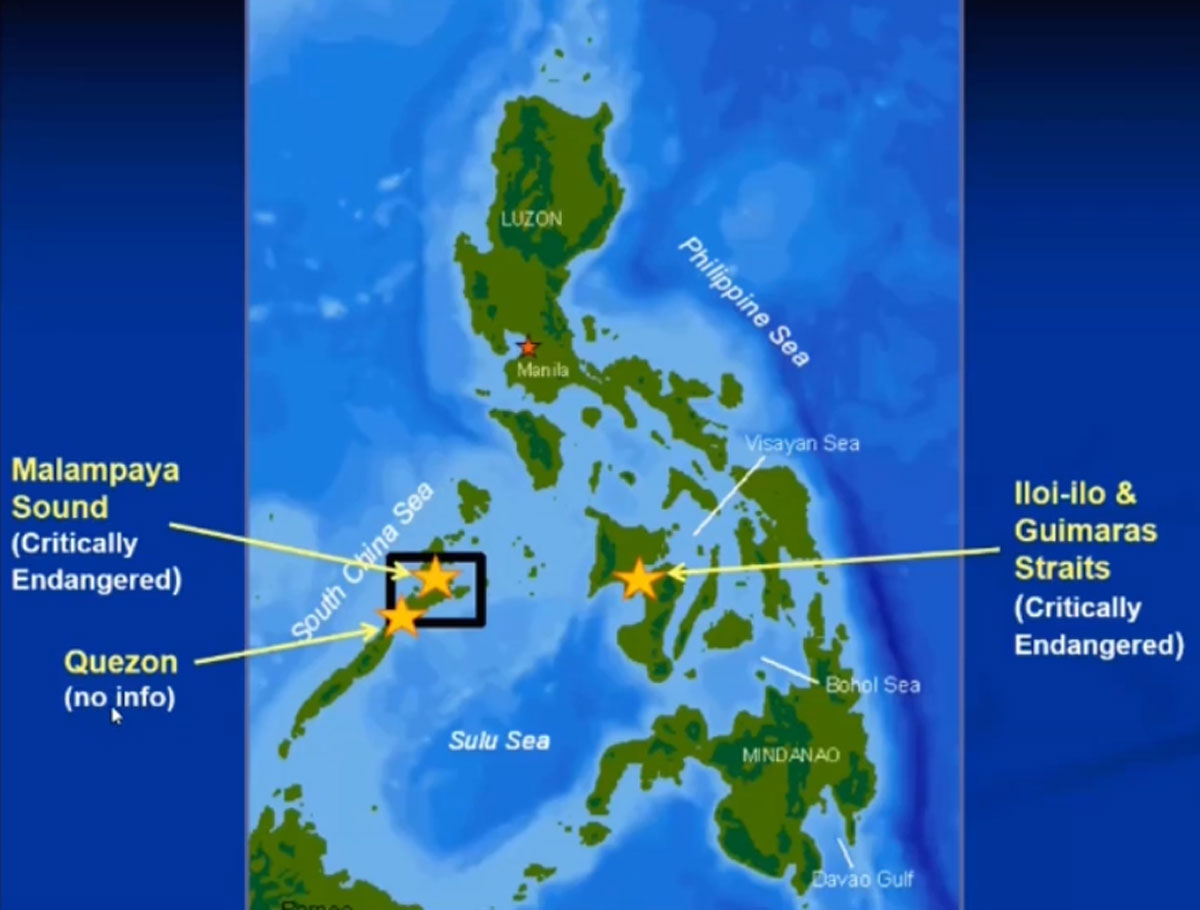
While found in different parts of the Indo-Pacific Region, there are only three sub-populations known in the Philippines, located at the Malampaya Sound and the municipality of Quezon in Palawan and the Iloilo and Guimaras Straits in Western Visayas.
The populations are critically endangered, according to EII, with the pod in Western Visayas believed to have only 10 to 13 of the species left.
The death of Fuji marks another blow to efforts to protect the local sub-population of the dolphins, most of which are regularly seen near the river delta and coastal waters of Bago City and Pulupandan municipality in Negros Occidental.
Since 2019, three other Irrawaddy dolphins have died in the area, including a juvenile last Sept. 25.
Aside from natural threats, Irrawaddy dolphins are also affected by boat strikes, plastic pollution and industrial and household waste. Conservation groups also raised concern over the proposed Panay-Guimaras-Negros bridge.

Urgent action needed
Last December, the EII launched an online petition calling on government agencies to work together and take action to save the Irrawaddy dolphins.
As of this week, almost 10,000 scientists, environmentalists, animal welfare advocates and other concerned Filipinos have already joined the petition, which was addressed to the Biodiversity Management Bureau of the Department of Environment and Natural Resources, Bureau of Fisheries and Aquatic Resources and the local government units of Bago and Pulupandan.
It called for declaration of the entire habitat of the Irrawaddy dolphins as a marine protected area, which would ensure the protection of the areas where they are known to thrive.
The petition also pushed for the designation of some areas as “no-boat” or “slow-boat” zones, as well as the prohibition on fishing or regulation of the use of fishing gears that sometimes result in death of the dolphins.
Fisherfolk who would be affected by such declarations, it said, should be provided immediate livelihood support.
The petitioners also asked the local governments of Bago, Pulupandan and the entire Negros Occidental to convene, finalize and implement management plans for the conservation of the Irrawaddy dolphins.
They said that there should be intensive, regular and year-round monitoring of the Irrawaddy dolphins and their habitat, including all waters emptying into the Guimaras and Iloilo Straits.
“Declaration of a critical habitat is the first step to saving the Irrawaddies,” the EII noted. “The more important task is to create and implement a management and conservation plan designed to allow the Irrawaddy population to recover.”
Last January, EII and Oceana convened a stakeholder gathering to discuss the situation of the Irrawaddy dolphins.
Participants, which include representatives from the government, academe and marine wildlife and animal welfare groups, underscored the need to strategize and plan for the conservation of the dolphins.
Louella Dolar, marine scientist from the Silliman University, noted the success of Myanmar with its conservation efforts, citing the possibility for it to be adopted in the Philippines.
The effort, which involved the establishment of marine protected areas and the “collaborative fishing” between the dolphins and fisherfolk, increased their population from 29 to 79.
“This latest death brings down the population of our Irrawaddy dolphins to a very critical level,” Concepcion said. “Now, more than ever, we need to double our efforts and press our government agencies to declare the Irrawaddy area as a critical habitat and implement conservation plans now.”


