



Acquiring Loans In The Time Of COVID-19
Health protection and financial inclusion go hand in hand, and the government must ensure that no one is left behind as the enhanced community quarantine continues to be implemented in Luzon.

The government and the private sector have touted loans and microfinancing as means to assist the poor who are deprived of livelihood as well as businesses paralyzed by the ongoing enhanced community quarantine – even if there is doubt that they will have the means to pay back such debts.
One of the standby powers granted to President Duterte under Section 4 of Republic Act No. 11469 or the Bayanihan to Heal as One Act to address the impact of the coronavirus disease 2019 (COVID-19) pandemic was the authorization to “ensure the availability of credit to the productive sectors of the economy especially in the countryside.”
The National Economic and Development Authority issued a report recommending “regulatory relief (and) provision of emergency funds/loans” to address the economic effects of travel restrictions, ban on crowded gatherings, school closures and work suspension. Emergency loans were also recommended to address the “balance sheet problems” of the business sector and consumers alike.
But Center for Agriculture & Rural Development Mutually Reinforcing Institutions (CARD MRI) founder Jaime Aristotle Alip – whose group aims to eradicate poverty through microfinancing and financial education – said the industry should expect “reduced capacity of clients to pay after the outbreak.”
Although he gave assurance that microfinancing institutions (MFIs) would continue to provide financial and non-financial services to the low-income sector, Alip noted the industry also seeks “potential interventions to continue its business of eradicating poverty in the country.” He stressed the importance of government support.
“MFIs are looking for support from organizations and institutions that can provide additional credit facilities and funding to support its cause in helping people improve their lives while facing this global health emergency. We are also convening partners and industry leaders to discuss this pressing issue to mitigate the effect of the pandemic in the industry,” Alip wrote in an article.
Alip said CARD MRI bank branches have remained open for withdrawals and remittances, and field staff have continued to be in touch with clients through cell phones and social media. But he painted a stark picture of small businesses that have products to sell but are “restricted by the physical barriers of (the enhanced) community quarantine,” hindering their ability to support their families.
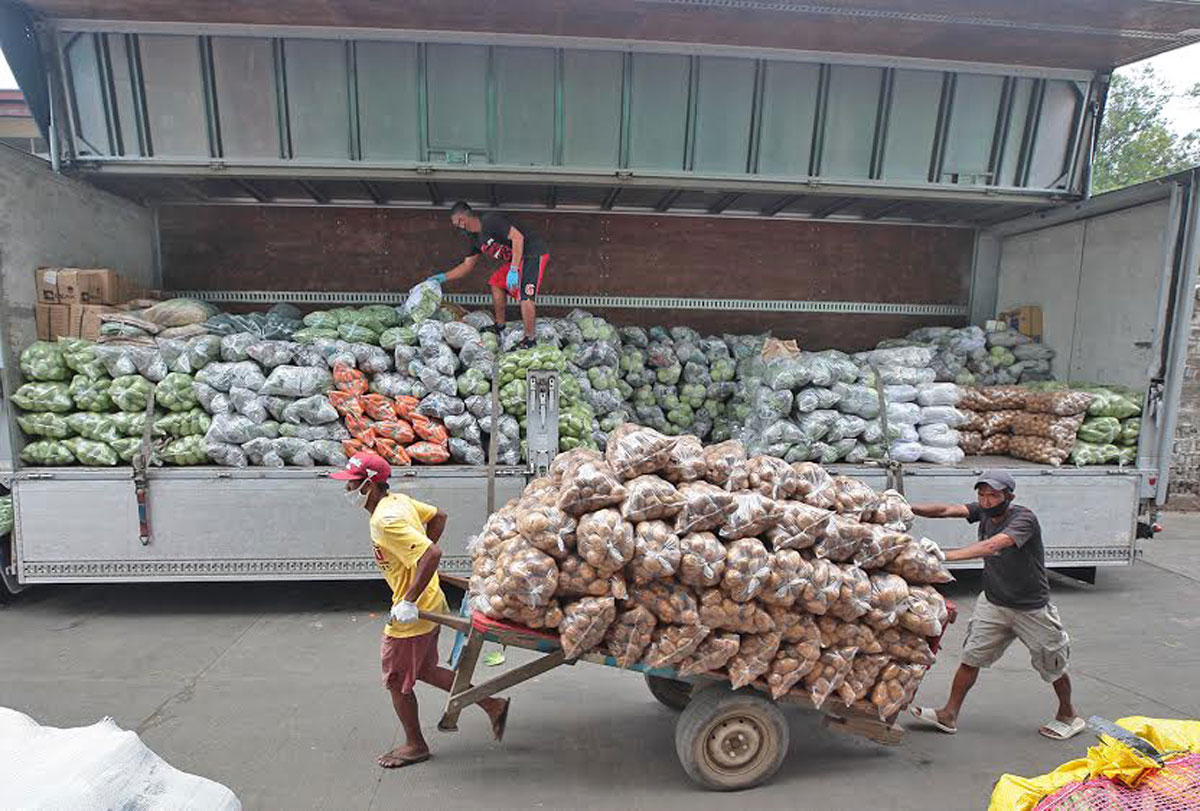
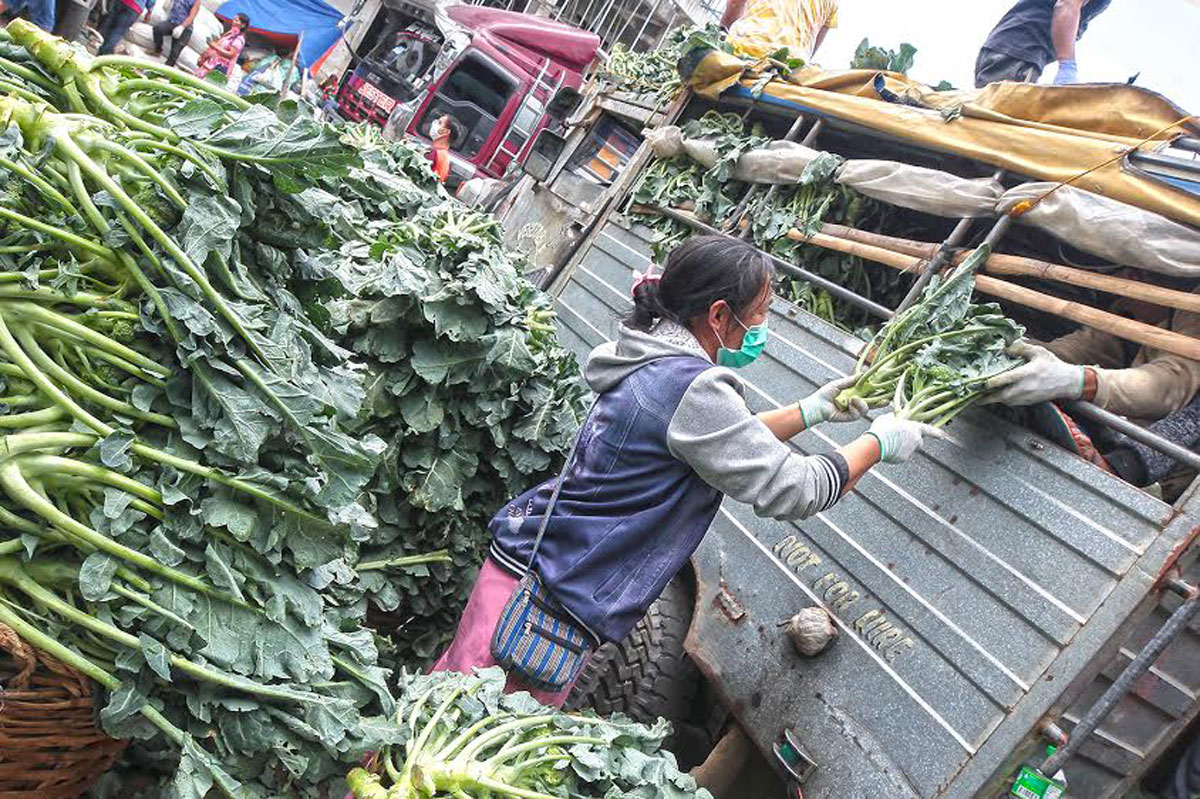
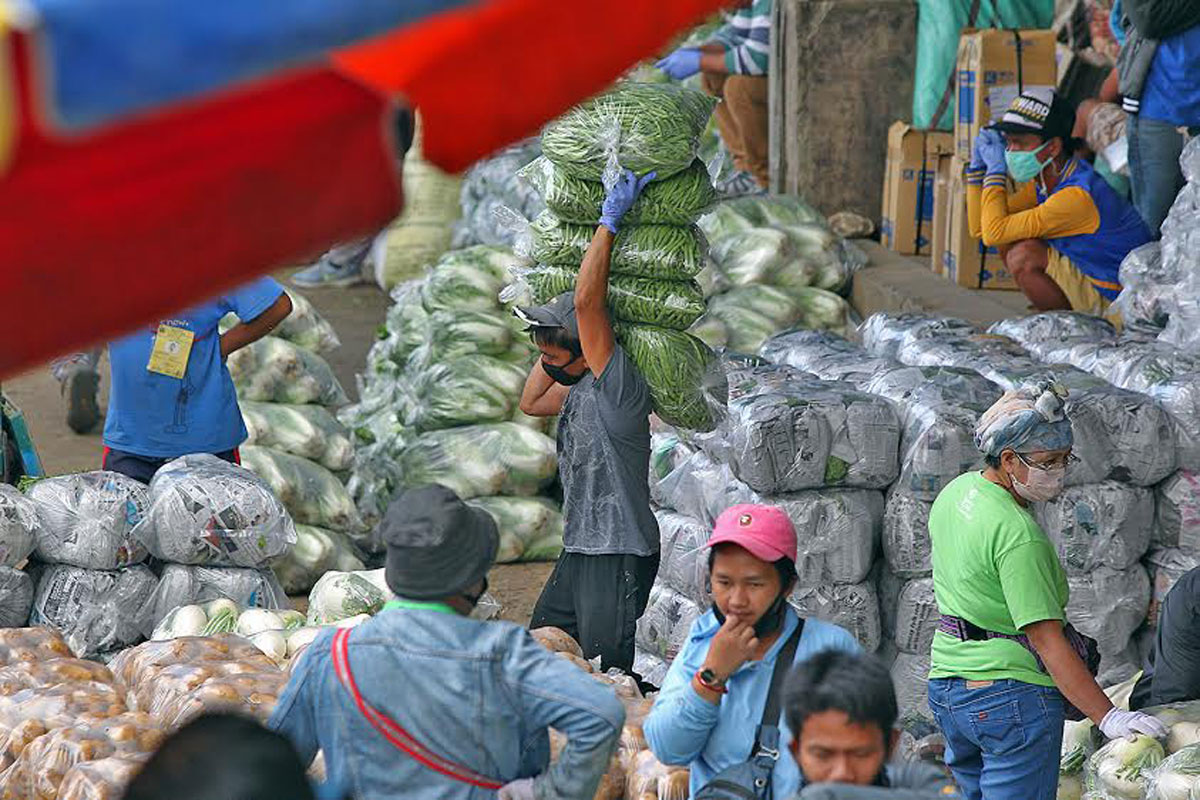
Farmer-clients were forced to sell their produce at bargain prices, give them away to neighbors, or worse, leave them to rot. Alip noted that clients in the island provinces of Masbate and Marinduque could no longer send their seafood products to the cities because seagoing vessels were not being allowed to leave or enter their ports.
Even if the quarantine ends, Alip said the travel restrictions would have crippled their ability to raise enough capital to continue their livelihoods.
“We encourage you to think about the low-income sector; the landless farm workers, the small farmers, the fisherfolk, the maglalako, the sari-sari store owners and other microentrepreneurs,” Alip said.
“The lockdown and community quarantine may end soon, but if we do not act now, their sufferings will worsen even after the outbreak. Because health protection and financial inclusion go hand in hand, may we not forget to balance the scale in favor of one over the other. Let’s ensure no one gets left behind,” he added.


Government loan offerings
In his first report to Congress, Duterte said the Department of Trade and Industry “is currently preparing” for the implementation of the P1-billion Enterprise Rehabilitation Financing facility under the Pondo sa Pagbabago at Pag-asenso (COVID-19 P3-ERF).
According to Duterte, the DTI loan facility will include “restart and/or restock of businesses to avoid foreclosure of their business assets” – in other words, the seizure of properties in favor of creditors when the debtors default on their loans.
Duterte said the DTI loan facility “will start once quarantine restrictions are lifted.”
The DTI announced the program on March 24, hours after Congress approved Republic Act 11469 or the Bayanihan to Heal as One Act granting Duterte special powers to deal with the COVID-19 crisis. Its financing arm, the Small Business Corporation, will grant access to the loan fund to micro and small enterprises continuously operating for at least one year prior to March 2020 whose businesses suffered “drastic reduction in sales.”
Micro enterprises with asset size of not more than P3 million may borrow from P10,000 to P200,000, while small enterprises with asset size of up to P10 million may borrow higher loans up to a maximum of P500,000.
The loans will come with the following conditions: they should be used to update loan amortizations for vehicle or other fixed asset loans, replace inventory for perishable stocks and replace working capital to restart the business.
The government will offer an interest rate of 0.5 percent per month on a discounted basis and provide a grace period “until such time that the economic crisis has abated.” (For more information, the program’s hotline is 8651-3333 and email is [email protected]).
Also for businesses, the state-owned Development Bank of the Philippines (DBP) will “extend financing support for rehabilitation efforts of both public and private institutions” affected by the pandemic.
DBP president and chief executive officer Emmanuel Herbosa said under the bank’s Rehabilitation Support Program on Severe Events (RESPONSE), private enterprises, corporations, cooperatives, associations, schools, hospitals and financial institutions would be eligible borrowers. Local government units, government corporations such as water districts and state universities and colleges would also be given access to the program.
“The program provides a longer repayment period of up to 15 years inclusive of a three-year grace period and concessional rates to help borrowers recover from the effects of any calamity,” Herbosa said.
As a condition, borrowers must propose a project that will have “developmental impact to the affected communities that they serve.”
Another government institution offering loans is the Government Service Insurance System, which caters to public sector employees and retirees.
The GSIS announced on March 27 that it is accepting online loan applications by downloading the form from https://www.gsis.gov.ph/downloadable-forms/?csrt=15533359566733758416 and emailing it together with the required identification cards and photograph to the address designated for the particular area.
However, the applications are currently available only for consolidated, policy and pension loans, with interest rates of 12 percent, eight percent and 10 percent per annum, respectively.
In other words, the access to loans will be limited to regular active members with at least 20 months of paid premiums, holders of life insurance policy for at least one year, and old-age pensioners. The availability of the emergency loan will be announced “perhaps in early April,” according to GSIS president and general Manager Rolando Ledesma Macasaet.
For private sector workers, the Social Security System said it would offer calamity loan assistance to affected members nationwide, when it returns online in April. “They can avail themselves of loans equivalent to their monthly salary credit. We will not require any document since the whole country is under a state of calamity,” SSS president and chief executive officer Aurora Ignacio said.
Moratoria, grace periods on payments
The thing about loans, however, is that moratoria on payments or grace periods (extension of payment) are only offered to qualified clients voluntarily by the banks and other financial institutions. Duterte had not indicated in his report any plan to wield his power to lower the interest rates.
For government institutions, SB Corporation imposed a moratorium on payments for existing loans for the period of March 16 to April 14, 2020; afterwards, borrowers may request to pay only the interest until October 2020.
The Pag-IBIG Fund on March 18 announced that borrowers in Luzon may apply for a three-month moratorium on payments of housing, multi-purpose and calamity loans that were due on March 16. Applications may be submitted at the nearest Pag-IBIG Fund branch from the lifting of the enhanced community quarantine until June 15, 2020.
The Social Housing Finance Corp. on March 23 similarly announced a moratorium from March 16 to June 16, 2020. The agency, which assists underprivileged communities in securing land tenure, said its clients could generate their statements of accounts and abstract of collection through its online portal.
Ignacio on March 31 also extended the deadline for SSS premium payments for January, February and March. These may be paid until June 1 without penalty.
As for the private sector, Bank of the Philippine Islands president Cezar Consing, president of the Bankers Association of the Philippines, said it is up to banking institutions to keep lending rates reasonable to help the country through the pandemic.
“We all realize that we have to help out here. And if that means lower profits, so be it. If that means extended payment terms, so be it. We all have to do our share,” Consing said.
BPI has already offered a 30-day grace period to qualified credit card, personal, home, auto and SME loan clients. Metrobank offered the same grace period for qualified car loans, home loans and credit card payments. PSBank will do the same for qualified auto, home and personal loan clients.
Payment due dates for East West Banking Corp.’s eligible customers who took out auto, personal, mortgage and EEL loans and held credit cards will be extended for 30 days. Security Bank Corp. also offered the same extension for customers with no past due balance on a credit card as well home, personal, auto, business mortgage or business loans due March 16 to April 14, 2020.
Covered by United Coconut Planters Bank’s 30-day extension are DrivEasy auto loan, HomEasy home loan, SalarEasy personal Loan and BizEasy business loans clients with due dates from March 19 to April 18, 2020.
Citibank will give credit card holders with good credit standing a one-month extension for payments due from March 16 to April 12, 2020. Rizal Commercial Banking Corp. clients may postpone their payments for auto, home, personal and salary loans by 30 days.
BDO Unibank Inc. also gave customers in good standing and insurance clients a 60-day extension on payments due up to April 15, 2020.
The SSS estimates that there will be a drop in employment, affecting 30,000 to 60,000 among its members and that job displacements will continue because of the pandemic.


