P10-Billion TIEZA Fund In Bayanihan Act 2 ‘Pork Barrel’ – Congressman
“Infrastructure is the new word for pork barrel,” a lawmaker said, adding “it’s very callous” of a group of congressmen to remove the fund meant to help tourism businesses and provide employment amid the COVID-19 pandemic.

A party-list lawmaker on Tuesday, Aug. 17 sounded the alarm on the proposed P10-billion funding for the Tourism Infrastructure and Enterprise Zone Authority (TIEZA) under the proposed Bayanihan To Recover As One Act or Bayanihan Act 2.
The House of Representatives passed the amended version of Bayanihan Act 2 or House Bill No. 6953 on third and final reading on Aug. 10 to help the government address the coronavirus disease 2019 pandemic.
Under the bill, the tourism sector’s P10-billion fund is allocated to finance the programs of the TIEZA, whose mandate is the provision of tourism infrastructure and regulation of tourism enterprise zones.
Buhay party-list Rep. Lito Atienza warned that the funding, which was transferred from what was supposed to be a stimulus program for tourism enterprises, could be utilized like a congressional pork barrel.
“Infrastructure is the new word for pork barrel. It’s very callous of a group of congressmen to remove the fund meant to help (tourism) businesses and provide employment (amid the pandemic),” Atienza said in a phone interview.
Atienza also slammed proponents led by Deputy Speaker LRay Villafuerte for defending the transfer of the fund to TIEZA, saying it is a “completely unacceptable and wrong move on the part of Congress.”
“The argument of Deputy Speaker LRay is distorted and a story telling a lie,” Atienza said. “Your hand is caught in the cookie jar and you’re still defending it.”
“Bayanihan Act 2 is supposed to be a stimulus program that will help businesses and affected workers, including those in the tourism industry. This (transfer of the P10 billion to TIEZA) will just exacerbate the situation and lead to more unemployment in the country,” Atienza said.
Atienza welcomed the move of Department of Tourism (DOT) Secretary Bernadette Romulo-Puyat and her predecessors to oppose the transfer of the fund as he expressed support for the version of the Senate, which allocates the P10 billion to the tourism industry.
Atienza also supported the call for the bicameral conference committee to realign the P10 billion intended for the tourism sector to the DOT instead of TIEZA.
Earlier, Cagayan de Oro Rep. Rufus Rodriguez also pointed out that tourism infrastructure is not needed at the moment. What is needed, he said, is direct assistance to stakeholders in the tourism industry whose businesses have been badly hit by the COVID-19 pandemic.
Rodriguez said millions of employees in the industry have lost their jobs and livelihood sources.
TIEZA has asked the House to direct financial assistance to tourism stakeholders under its proposed Bayanihan Act 2.
Baseless, illogical
On Monday, Aug. 17, Villafuerte slammed the former tourism secretaries who expressed their concern over the House version of the proposed Bayanihan Act 2, particularly on the allocation for tourism infrastructure.
In a message to reporters, Villafuerte called their statements “baseless” and said it is “illogical” for them to say that there is no need for infrastructure for the tourism industry.
“We should prepare for the future. The reason why we are lagging behind our Asian neighbors is because our neighbors have better (infrastructure) compared to ours,” Villafuerte said.
“No matter how much tourism promotions and trade fairs the DOT joins, at the end of the day, where there are no proper facilities including clean restrooms in tourism destinations, we will never beat our neighbors,” he added.
Villafuerte said the statements of former tourism secretaries Gemma Cruz-Araneta and Narzalina Lim on the allocation of P10 billion for TIEZA only show their bias for big tourism players who demand low-interest loans as they are the only ones who can borrow at this time.
“What we need to boost the tourism sector now is to provide jobs and assistance to displaced tourism workers, which we put in the House version,” he pointed out.
The House leader also claimed that the former tourism chiefs “lacked foresight” as they only focus on existing tourism destinations instead of those that lack infrastructure.
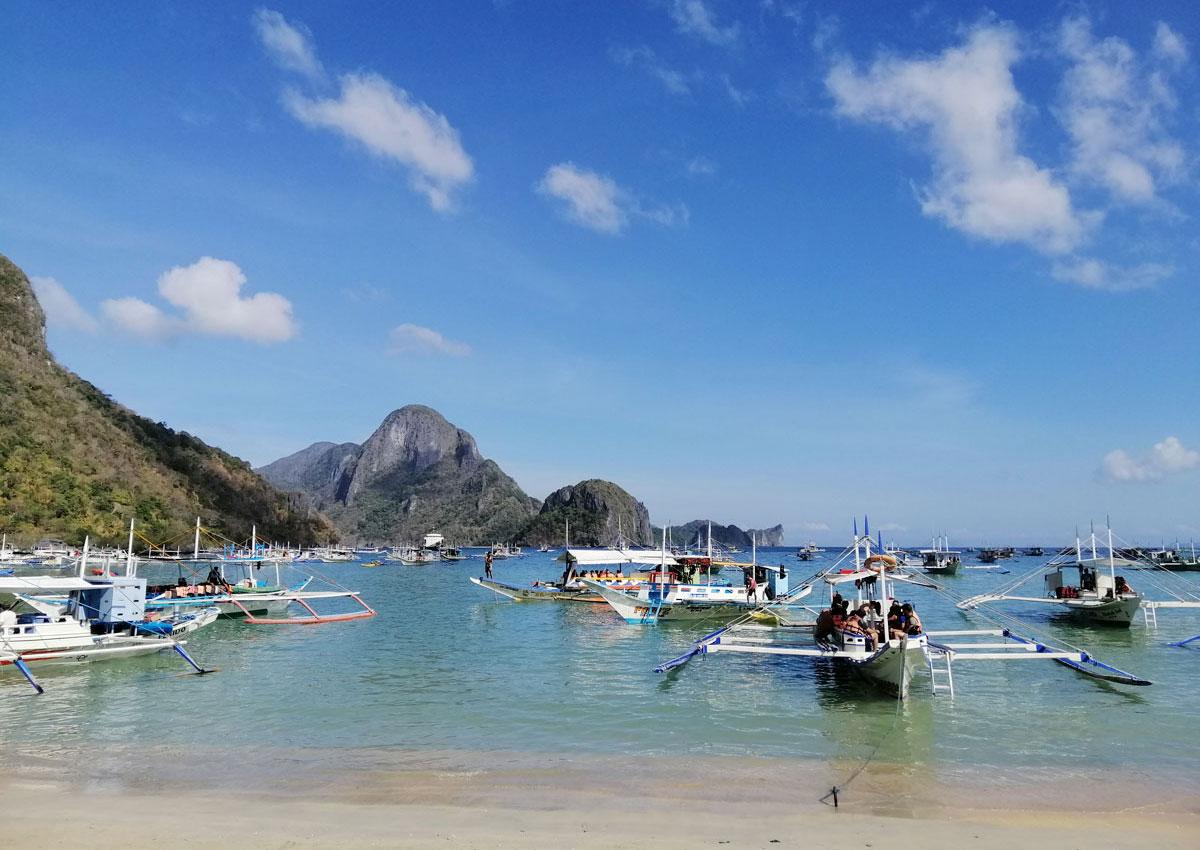
He cited the tourist destinations in his home province of Camarines Sur, such as the CamSur Watersports Complex and the Caramoan Islands, which he said he helped put on the global tourism map – something that “none of these former tourism (chiefs) achieved.”
“They just like to promote what’s easy, already known and popular. CamSur was never part of their program. If we did not initiate it ourselves, then CamSur and other areas would not have been a tourist destination,” he said.
Villafuerte is part of the House contingent to the bicameral conference committee that will reconcile the Senate and House versions of Bayanihan Act 2.
He said the breakdown and amounts to be allotted in the measure would be finalized at their meeting today, Aug. 19.
For tourism stakeholders
Puyat said the DOT remains firm in its commitment to allocate funds for financial assistance to tourism stakeholders under Bayanihan Act 2.
The DOT earlier submitted a position paper to both houses of Congress, proposing that of the P10-billion allocation, P9.5 billion be used to finance programs of the DOT for critically impacted businesses. The remaining P500 million will go to various support programs that will further aid the industry toward the “new normal” amid the COVID-19 pandemic.
“These are part of the programs identified in the Senate version of the bill, and we continue to appeal that the funds be dedicated to help our stakeholders who have been among the hardest hit by the pandemic, incurring huge financial losses since March,” Puyat said.
At this stage of the crisis, the DOT said it is looking at the recovery and resiliency of the industry, and its priorities are based on consultations with the stakeholders.
“These will range from economic relief to tourism businesses rather than an infrastructure component which is not the priority at the moment,” the DOT said in the position paper.
Various tourism associations have also appealed to the bicameral conference committee to reexamine the allocation for the tourism sector under the House version of Bayanihan Act 2, emphasizing the significant contribution of the sector to the Philippine economy.
The tourism industry accounted for a 12.7 percent share in the country’s gross domestic product last year. It also accounted for 13.5 percent of total employment during the period as the sector generated 5.71 million jobs.