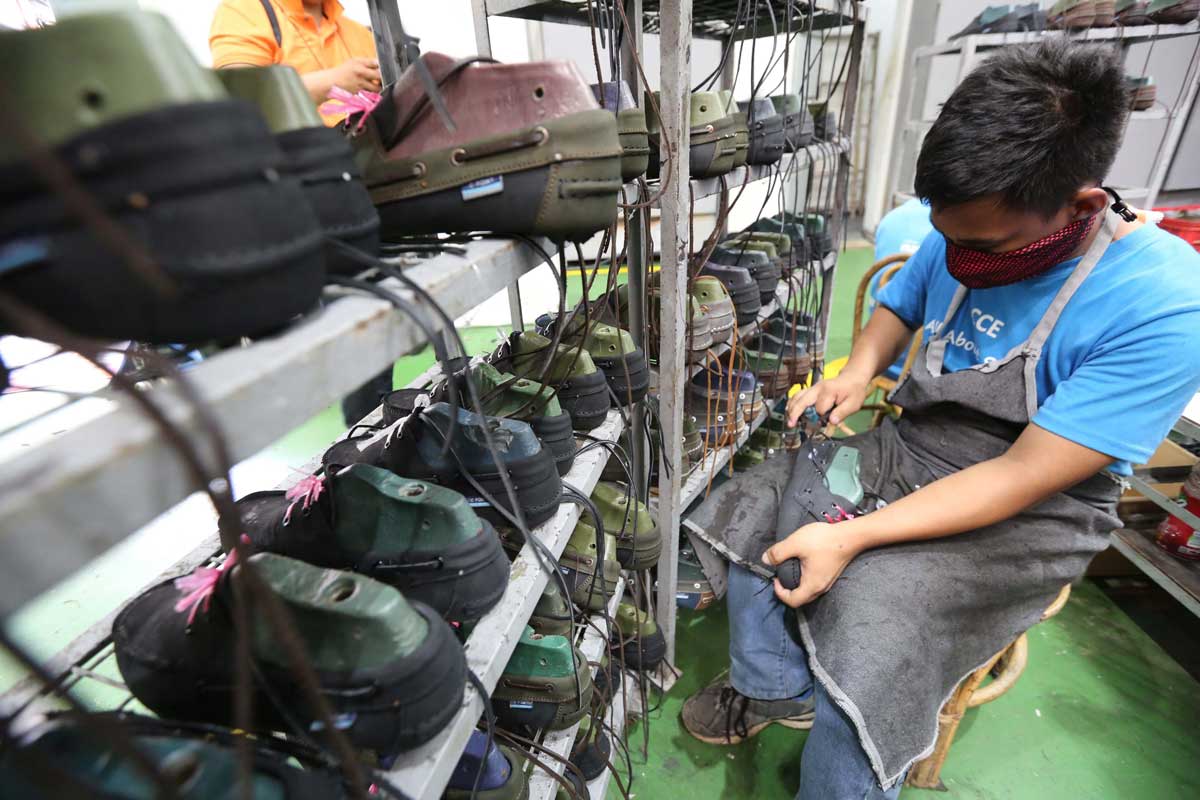
Marikina Shoe Industry Still Thriving, Is Worth P1 Billion
Although down at the heels at one point, Marikina’s shoe industry has made huge steps in terms of production and profitability under the leadership of Mayor Marcelino Teodoro.
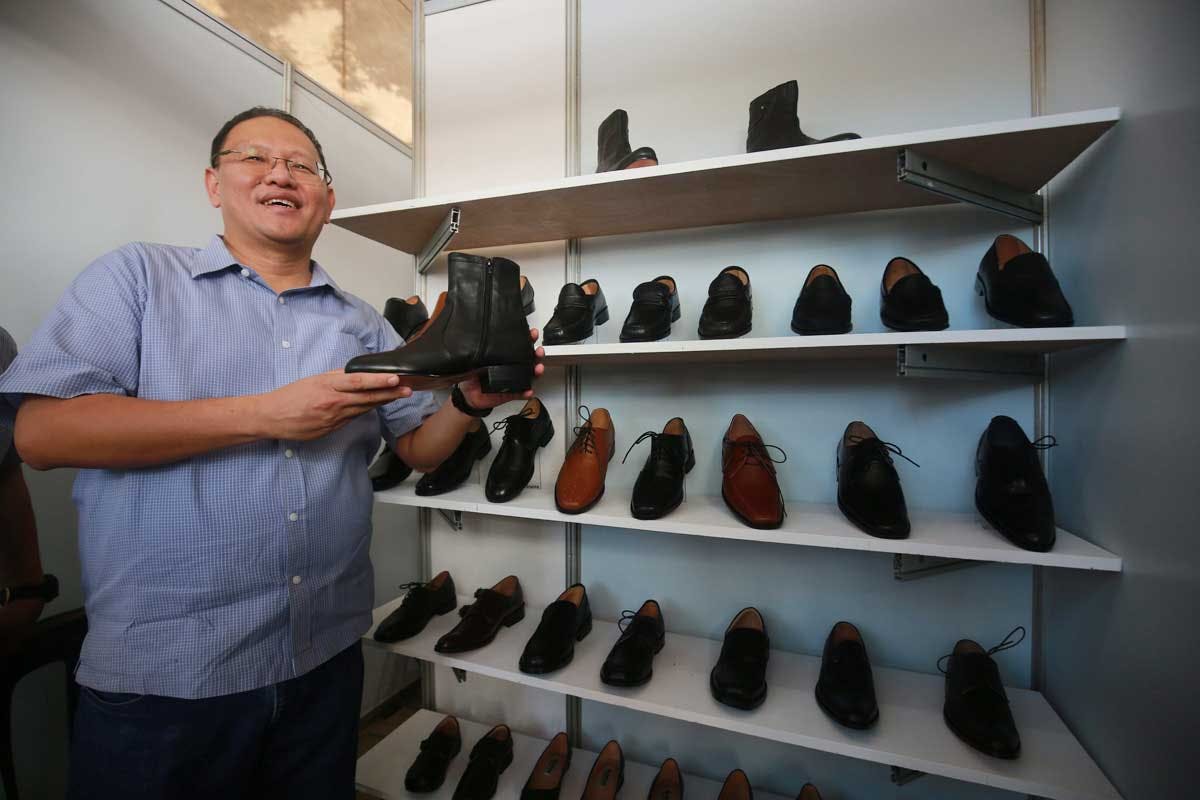
Marikina's shoe industry remains lucrative. This is the good news from Mayor Marcelino Teodoro, who attests that the shoemaking industry in his city is still attracting thousands of customers in search of affordable shoes.
“The industry is worth at least P1 billion,” he said in a phone interview.
Shoes in Marikina are known for their durability, he said, lasting an average of two years even if used daily. The prices are also affordable compared to branded ones, with the most expensive pair priced at P1,700 and the cheapest at P300.
For Teodoro, the best shoes in terms of quality and affordability are still found in Marikina.
“We guarantee their durability because we have an equipment center where the products are tested,” Teodoro assured the public.
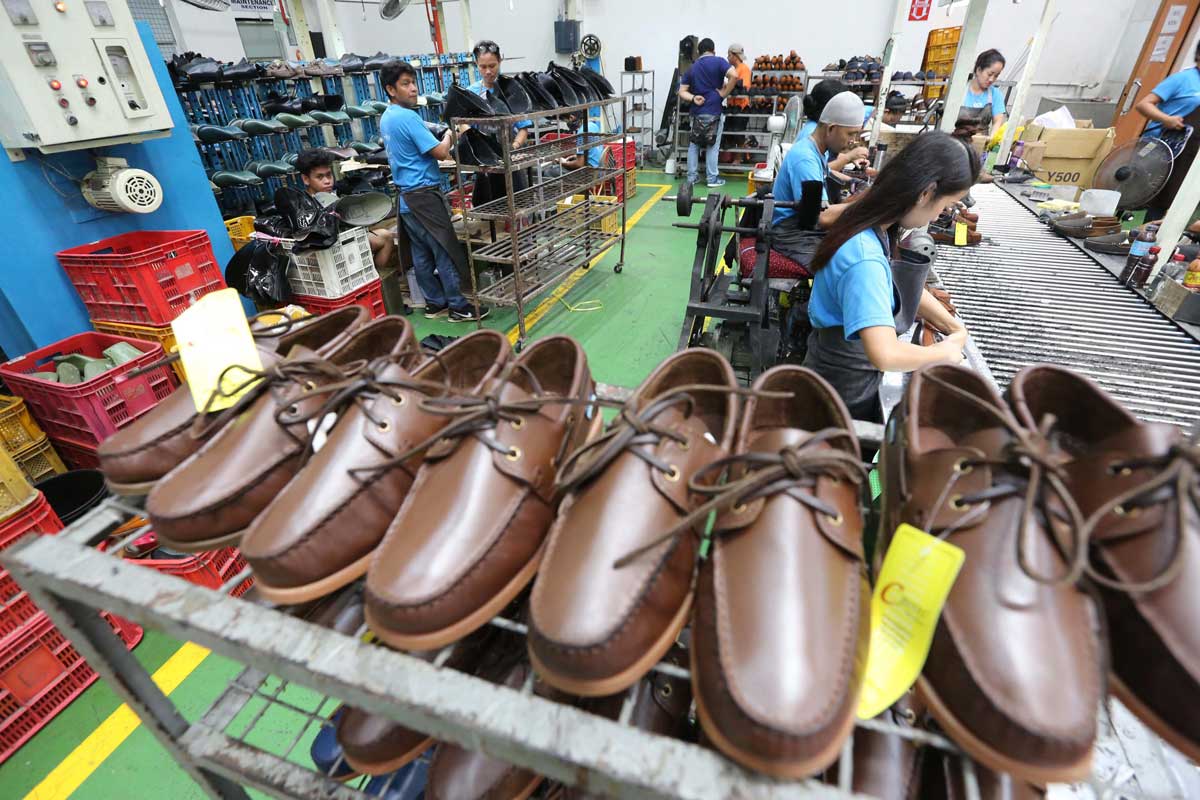
By the turn of the 20th century, Marikina was a town of shoemakers. The industry began in 1887 through the efforts of Don Laureano Guevarra, also known as “Kapitan Moy.”
With the help of his friends, Guevarra used his worn-out pair of British shoes as a pattern. Keenly observing the way Chinese nationals in Manila crafted their products, he fashioned his own pair of shoes.
Using crude tools, raw materials and the villagers’ support, Guevarra mastered the art of shoemaking.
Local residents developed an industry, which was passed on to the next generations who were prepared for the arrival of heavy industries in the 1950s.
Shoe manufacturing flourished into a multimillion-peso industry, and Marikina became known as the “Shoe Capital of the Philippines.”
For the next three next decades, Marikina became a bustling municipality. However, the town became a victim of its own growth as problems surfaced, including the deterioration of the Marikina River due to pollution from factories and slum settlements.
Rehabilitation efforts began in 1992, and the river was cleaned up and cleared of informal settlers.

Teodoro said if there is one thing that shoemakers in Marikina have learned, it is that helping one another is the key to ensuring the industry’s survival.
“There are people who are still unaware that some of the branded shoes originated in Marikina,” he added.
The local government recently announced that the first-ever Shoe Tech School will be operational in Marikina by next year.
This is part of their efforts to boost the shoe industry, according to Teodoro.
The local government has earmarked around P60 million for the school, which will be constructed in the compound of the Pamantasan ng Lungsod ng Marikina in Barangay Concepcion Dos. The shoemaking equipment, on the other hand, will be provided by the Department of Trade and Industry.
Marikina shoemakers have also opened a store in President Duterte’s hometown of Davao City to expand the industry.
The shoe store located in Davao City’s Pasalubong Center in Poblacion District is also a way of helping the cooperative of the shoemakers, shoe manufacturers and artisans of Marikina.
Teodoro lauded the President for choosing Marikina-made shoes and other local products.
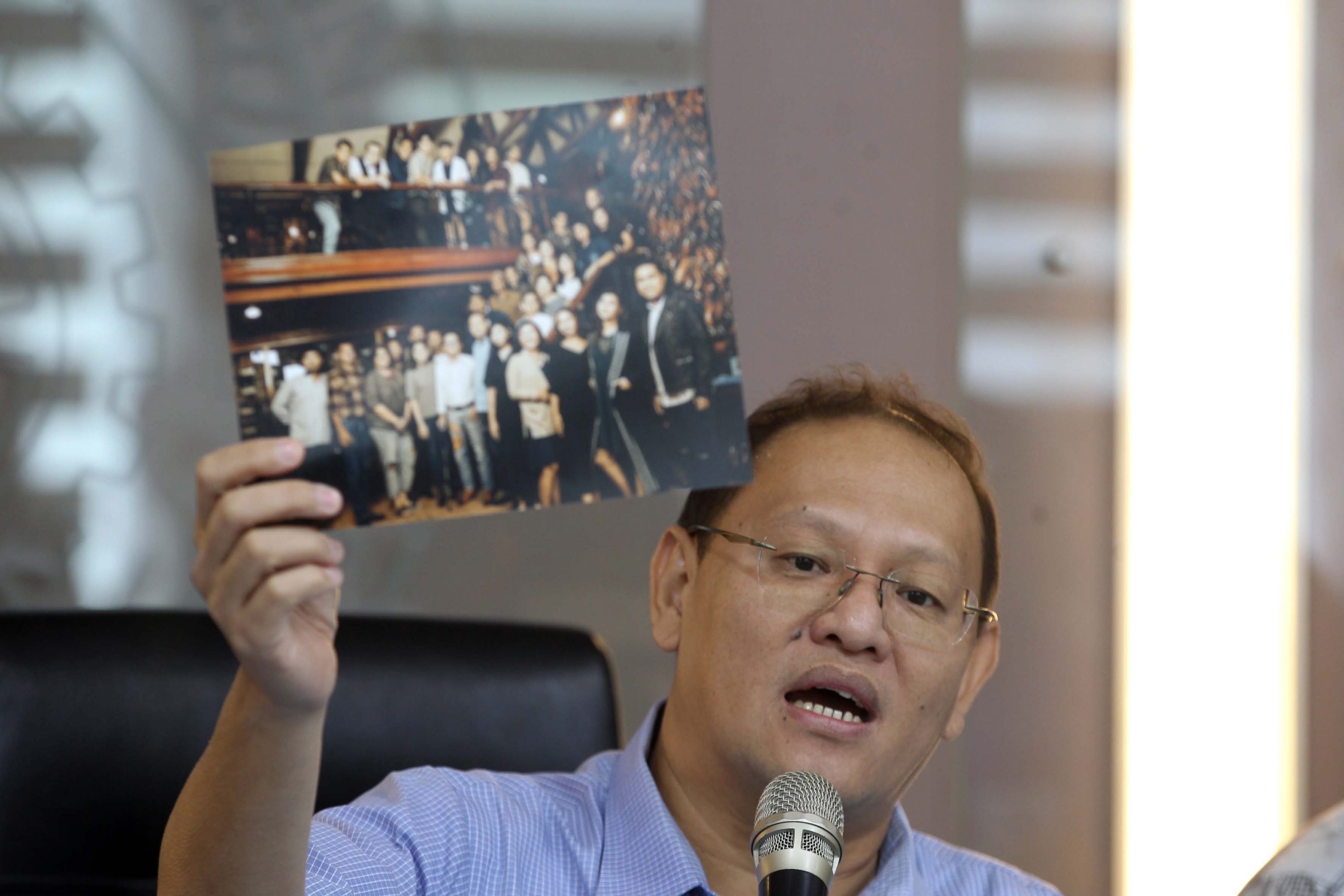
“It may be a simple act of wearing locally made shoes, but it made a great impact on our industry,” Teodoro noted.
Teodoro said if there is one thing that shoemakers in Marikina have learned, it is that helping one another is the key to ensuring the industry’s survival.
Gone are the days when shoemakers would pull each other down through stiff competition, according to the mayor. Now, they are sharing designs and working as collaborators.
Teodoro said they have a cooperative where shoemakers support each other to survive.
“They were once competitors, but they realized it’s not a good way for the industry to thrive,” he said.
It is for this reason that the city government expects the industry to survive and flourish for generations to come.