



Manila Zoo Sets Up Urban Garden To Feed Animals During COVID-19 Pandemic
The idea was conceptualized in April, and this month the project bore fruit, with a bountiful harvest that supplied the food for Manila Zoo’s herbivore animals – species of birds, water buffaloes, rabbits, zebras and elephants.
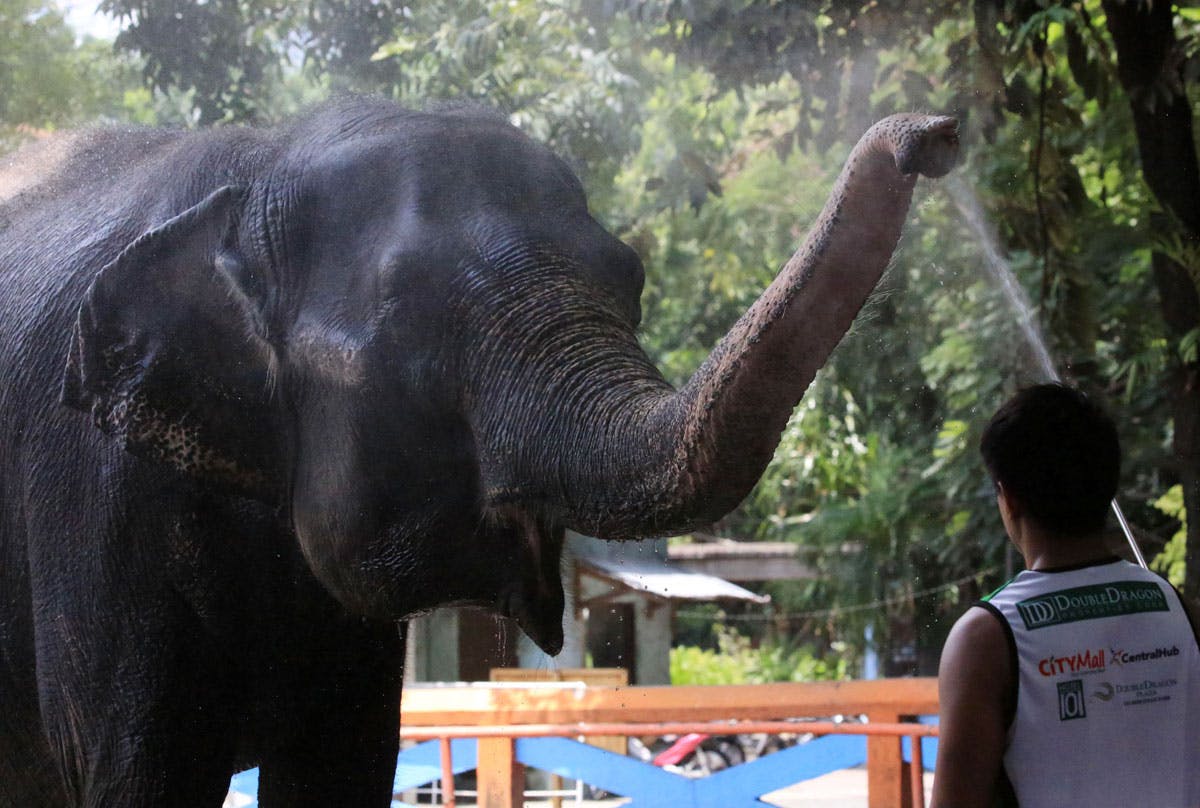
The administration of the Manila Zoo in Malate has come up with a self-sustainable way to feed its herbivore or plant-eating animals amid the uncertain times brought about by the coronavirus disease 2019 (COVID-19) pandemic.
The zoo management was able to put to good use an idle 200-square-meter lot used for horseback riding to set up its own urban garden.
With the zoo shuttered to the public since January last year, compounded by a community quarantine that shut down public parks and hampered supply deliveries, the zoo management had to come up with a way to grow its own food for its animals and personnel.
According to Manila Zoo’s officer-in-charge Alipio “Pio” Morabe Jr., the garden was tended with the zoo animals’ manure and the seedlings provided by the Department of Agriculture’s Bureau of Plant Industry.
They started the project only last April, and this month their labors bore fruit, with a bountiful harvest that supplied the food for the herbivores – species of birds, carabao or water buffaloes, rabbits, zebras and elephants.
“We were worried that we would be short of food for the animals. I was worried for our herbivore animals, so we thought of using the animals’ dung for the garden, and within a month, the plants started to sprout,” Morabe told The Philippine STAR in an interview on Wednesday, July 8.
Among the fruits and vegetables grown in the zoo garden are ampalaya (bitter gourd), okra, eggplant, alugbati, mustasa (mustard), patola (silk squash or ribbed loofah), upo (bottle gourd) and kalabasa (squash).
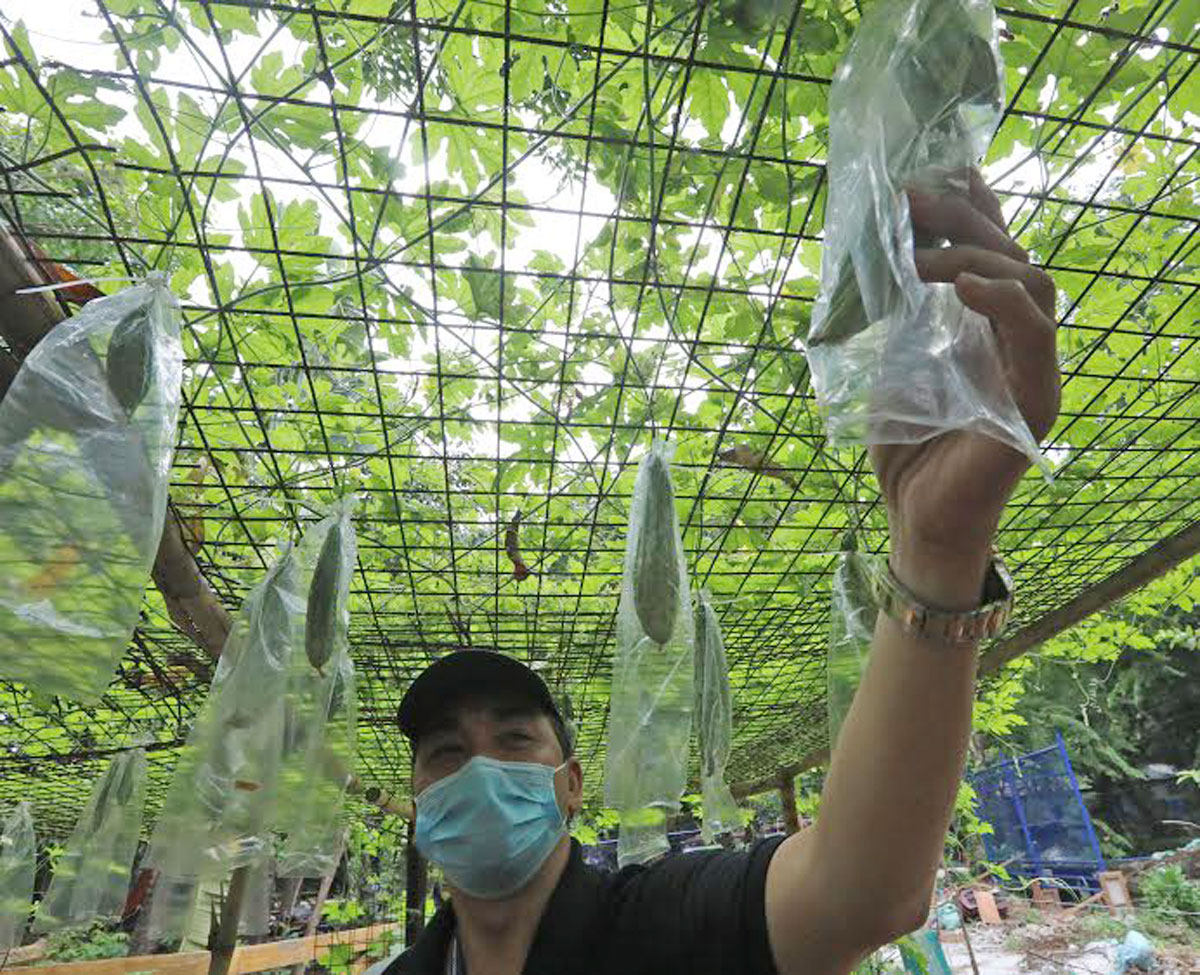
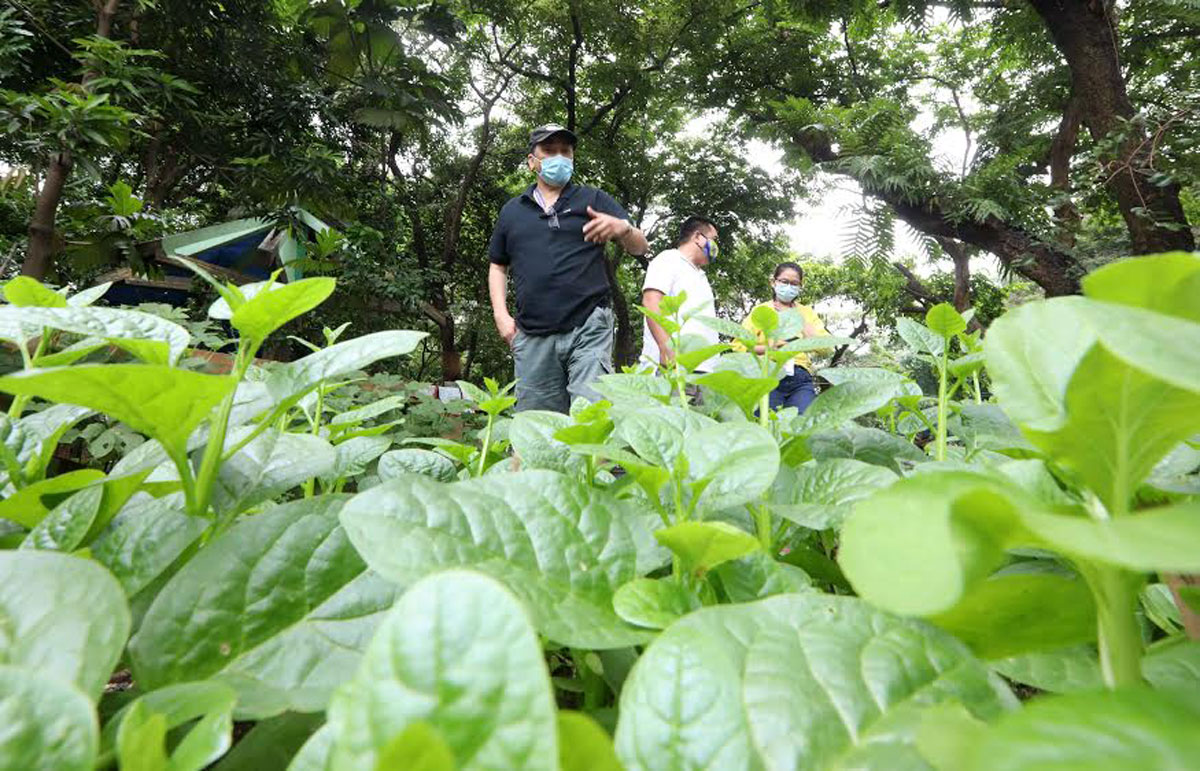
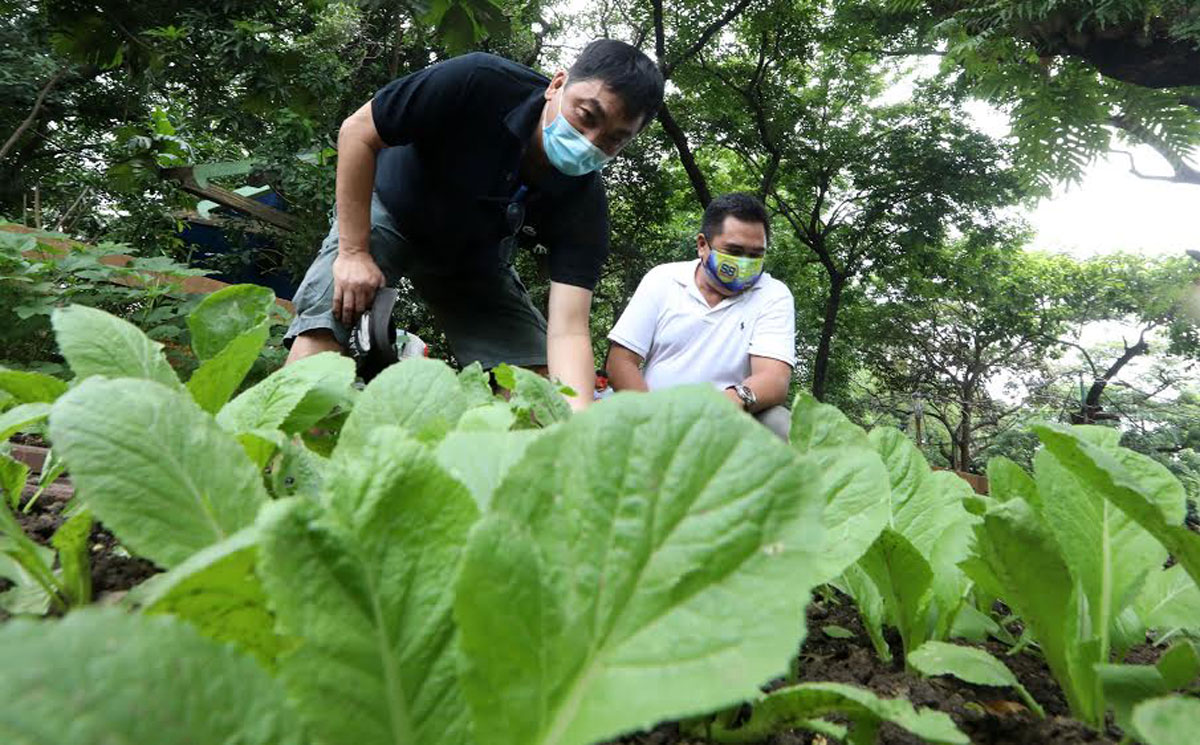
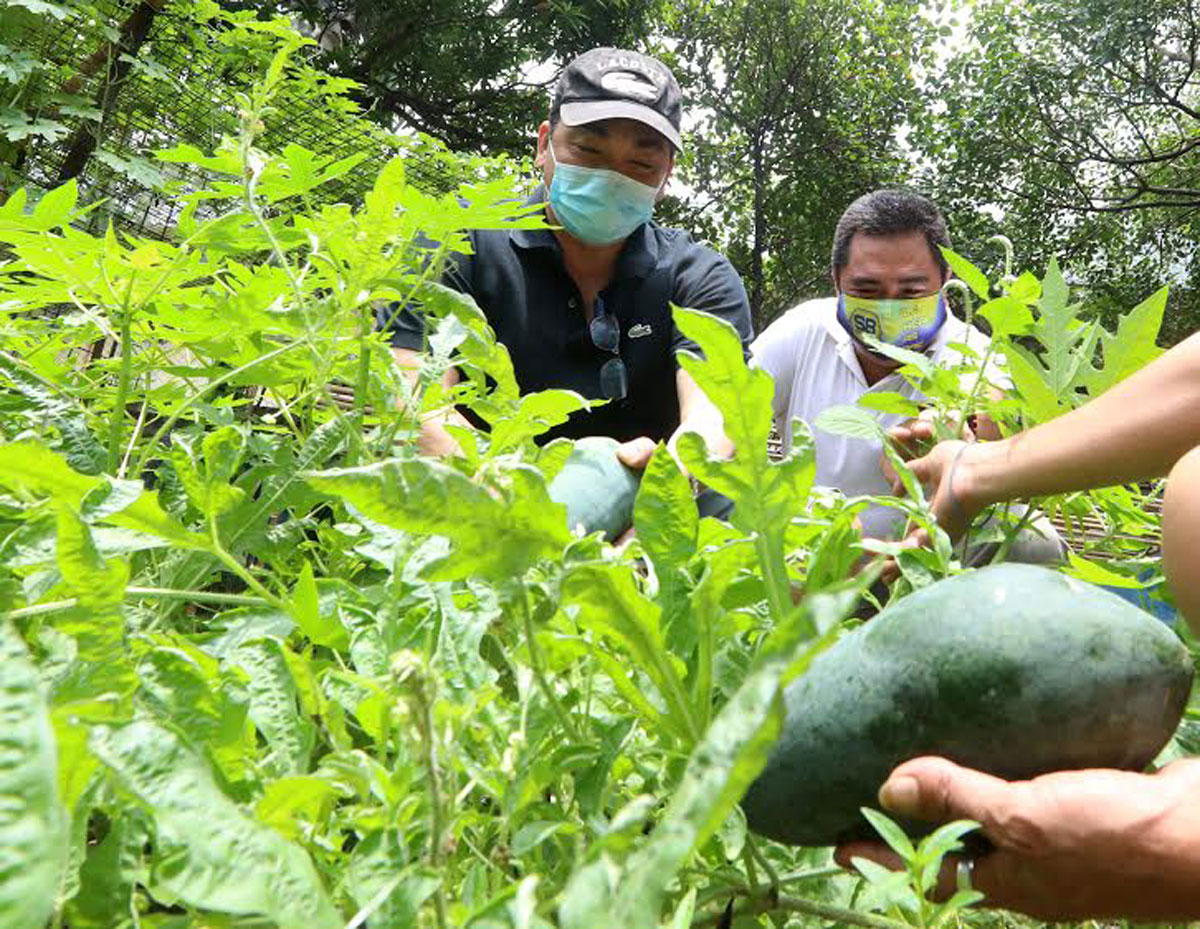
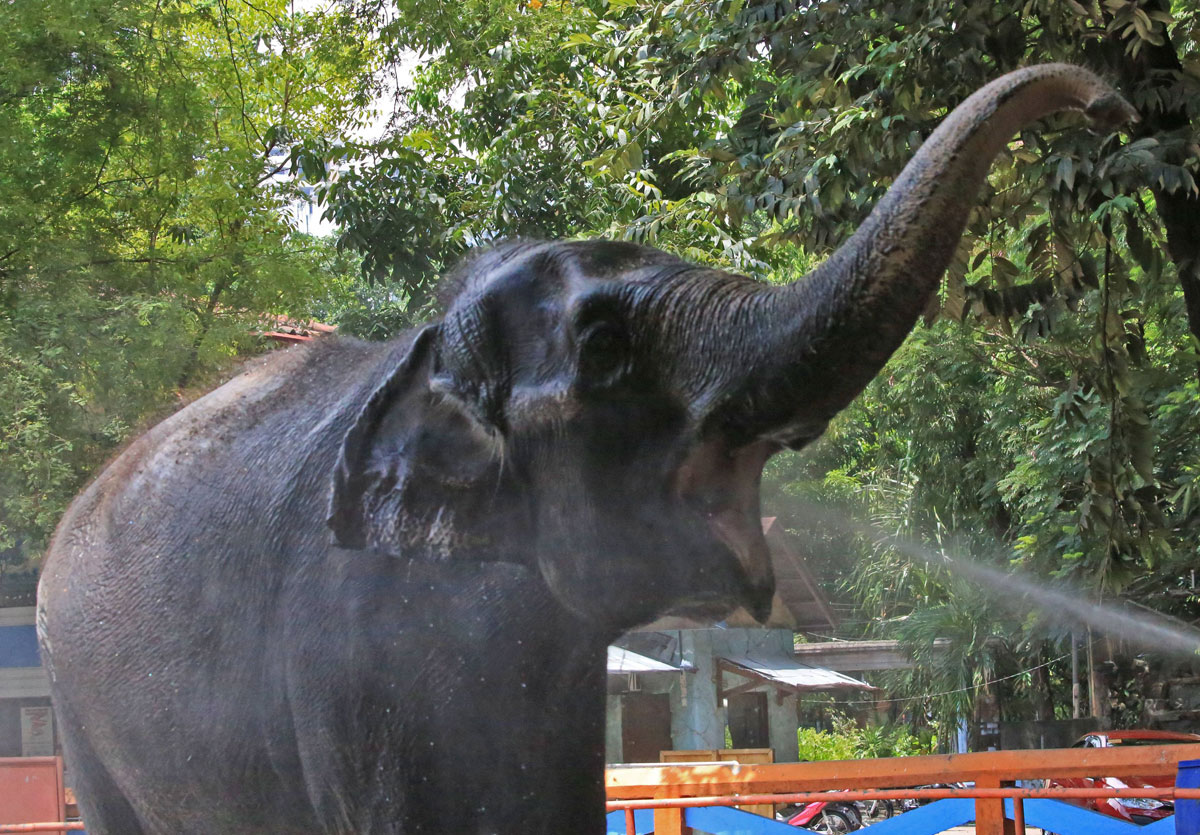
The manure of the zoo’s only elephant Mali, who has lived in the zoo for over 40 years, was also used as fertilizer. The gardener was surprised that watermelons and melons, which no one planted, sprouted from Mali’s dung.
Apparently, this resulted from Mali’s own fruit diet. The seedlings were preserved in Mali’s manure, Morabe bared.
“Sprouts of melon and watermelon came out of Mali’s manure because she had been eating the two fruits,” Morabe said of Mali.
Earlier in May, Morabe assured the public that Mali is fed with nutritious food twice a day and given vitamins to ensure that she is protected against diseases, including COVID-19.
Several animal rights groups have called for the release of Mali, saying the animal has been kept captive from her home country Sri Lanka for more than four decades.
The zoo administrator’s fears for the animals’ welfare during the quarantine period prompted the management to be self-sufficient in its food, Morabe said.
“We need to be self-sufficient now. Because the supply is bountiful, even the people of the zoo share in the food, but of course the animals are the priority,” he added.
Manila Mayor Isko Moreno supported the zoo’s urban garden during the pandemic, Morabe said. The mayor has also supported the renovation of the zoo, which was first opened to the public on July 25, 1959.
In a Facebook post on July 5, Moreno said members of the Manila City government’s Public Recreations Bureau (PRB) headed by Morabe were helping in putting up the urban garden.
Moreno thanked Morabe and the PRB employees for the project.
In January 2019, then Manila mayor Joseph Estrada ordered the temporary closure of the zoo to allow the Office of the City Administrator and the city’s Department of Engineering and Public Works to conduct a “proper study and assessment.” This was after Environment Secretary Roy Cimatu tagged the zoo’s sewage as a major pollutant of Manila Bay.
At the time, Cimatu said the zoo’s untreated sewage was being drained at one of the bay’s estuaries.
The zoo has remained shut since. After Moreno won in the 2019 elections, he vowed to renovate the zoo and make it family- and animal-friendly.
The city government is working on improving the zoo with glass barriers to separate visitors and the animals when it reopens by late 2021, Morabe said. A fishing lake is also being developed.
Part of the renovation blueprint of the city government is a thesis by University of Santo Tomas architecture student Kevin Siy for the redevelopment of the zoo to make it closer to the animals’ natural habitat.
In Siy’s design, Mali will have a bigger pen with loam sand to cushion her feet. She is currently kept inside a concrete enclosure.
Morabe said the renovated Manila Zoo will be open to the public next year with better and more spacious facilities for the animals as well as a sewage treatment plant.


