



E-Sabong Thrives On Illegal Gaming Platforms – Study
Researchers warned that unregulated sites operate outside the consumer safeguards of the Philippine Amusement and Gaming Corp., exposing players to scams, excessive losses and underage gambling.
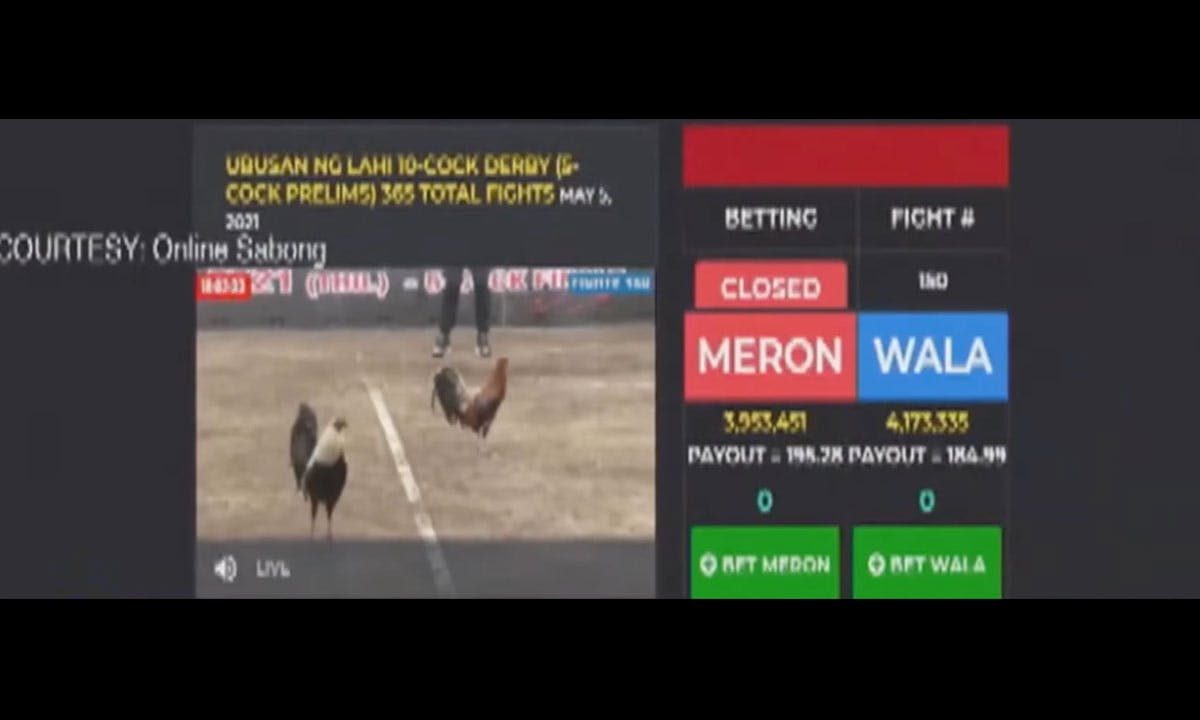
Illegal online cockfighting or e-sabong continues to flourish on unregulated gambling platforms despite a nationwide ban, according to a new study by sociocultural research firm The Fourth Wall.
The report found that some illegal operators still host and promote e-sabong events through Facebook groups and private messages, even after President Marcos suspended the activity in December 2022 under Executive Order 9.
Researchers warned that unregulated sites operate outside the consumer safeguards of the Philippine Amusement and Gaming Corp. (PAGCOR), exposing players to scams, excessive losses and underage gambling.
“Our latest report demonstrates how prohibited games like e-sabong remain easily accessible on unregulated platforms even to high-profile figures, underscoring persistent enforcement challenges,” John Brylle Bae, research director at The Fourth Wall, said.
The study also
showed that unregulated platforms host an average of 5,000 games. This
is 72 percent more than the 2,900 offered by regulated sites.
Unlike licensed operators, which must secure PAGCOR approval and submit to third-party auditing, illegal platforms release games without verification, making them prone to manipulation.
Know-your-customer
protocols are also lax. While regulated sites require government-issued
IDs, age checks and cross-verification with e-wallet details, many
unregulated operators only ask for a phone number or email.
Some minors interviewed for the study admitted to incurring debts, falling victim to scams and receiving spam or phishing messages after signing up.
In payment systems, regulated sites cap transactions to comply with anti-money laundering rules while unregulated platforms impose no limits, enabling higher risks of addiction and financial ruin.
Illegal sites also lure players with hefty bonuses of up to 108 percent and commission rates for affiliates as high as 65 percent of gross gaming revenue, compared with 30 to 40 percent for regulated platforms.
Tighter regulation
Finance Secretary Ralph Recto, speaking at the 2025 Economic Journalists Association of the Philippines economic forum on Monday, Aug. 11, said about 60 percent of online gaming firms in the country operate without regulation.
“I am against online gambling. I do not gamble to begin with. But I think PAGCOR is generating at least P100 billion in gaming revenues, more or less P50 billion in online gaming and it would appear that that is growing,” Recto said.
Special Assistant to the President on Investment and Economic Affairs Frederick Go noted that PAGCOR’s online gaming revenues could exceed P60 billion this year, with gross gaming revenues projected to surpass P200 billion.
Bangko
Sentral ng Pilipinas Governor Eli Remolona Jr. also backed tougher
controls. “We basically want sand in the wheels. You can’t just go to
your phone, press an icon and then you’re in a gambling site,” he said.
Remolona said government employees and those who receive government support or ayuda should not be allowed to gamble.
The Fourth Wall urged regulators to ramp up enforcement and public education campaigns to curb illegal e-sabong and reduce gambling-related risks, especially among vulnerable groups.


