


As Insulin Prices Rise, WHO Launches Program To Make It More Affordable
Announced in time for the observance of World Diabetes Day on Nov. 14, the World Health Organization prequalification program will ensure that the 420 million diabetics around the world can access the essential medicine.
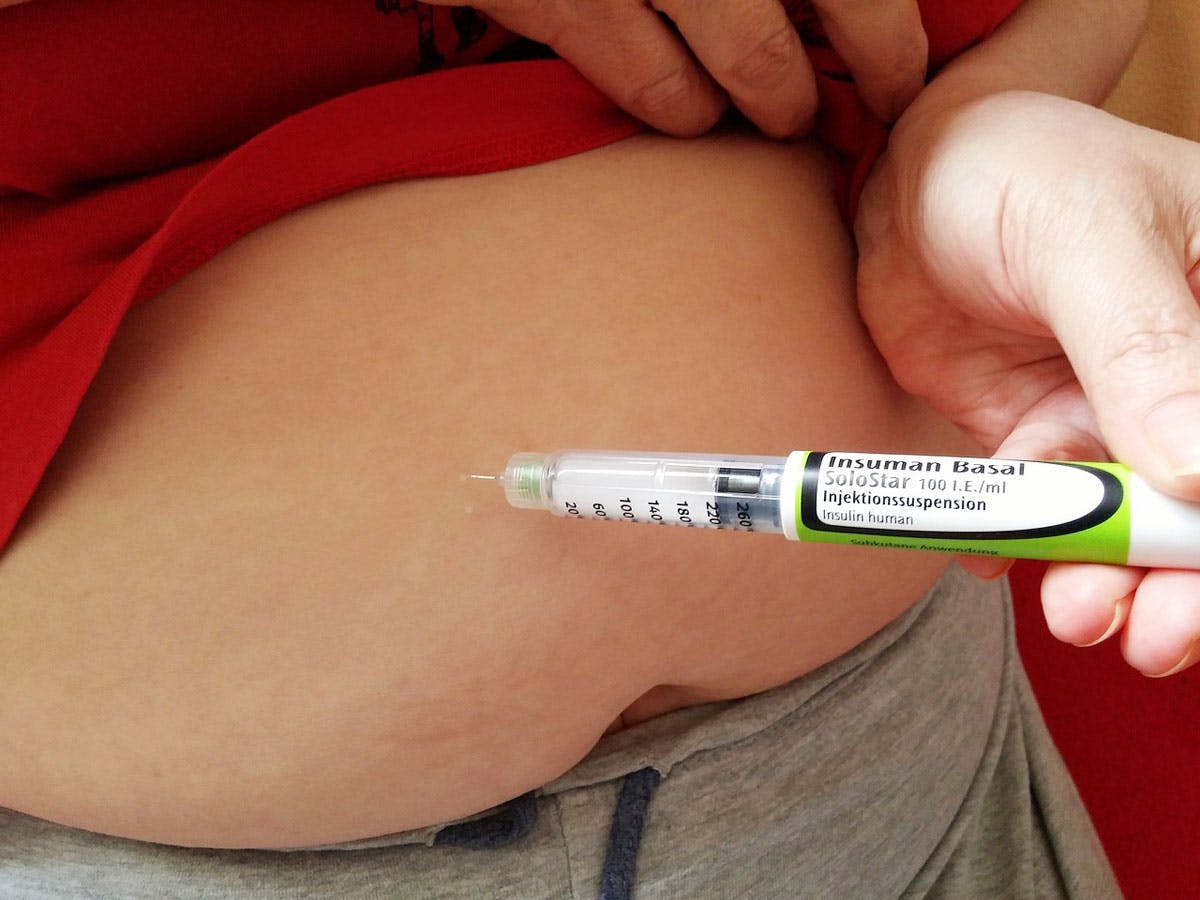
As the number of diabetes cases around the world reaches global epidemic levels, the World Health Organization (WHO) announced on its website on Wednesday, Nov. 13 the launch of a pilot program that would make insulin more affordable for poor and developing countries.
Announced in time for the observance of World Diabetes Day on Nov. 14, the Pilot Procedure for Prequalification of Human Insulin, which is part of the WHO’s Prequalification of Medicines Program, will ensure that the 420 million people around the world who suffer from diabetes can get easy access to the essential medicine.
“Diabetes is on the rise globally, and rising faster in low-income countries,” said Dr. Tedros Adhanom Ghebreyesus, WHO director general. “Too many people who need insulin encounter financial hardship in accessing it or go without it and risk their lives. WHO’s prequalification initiative for insulin is a vital step toward ensuring everyone who needs this life-saving product can access it.”
Under the prequalification program, the WHO’s Regulation of Medicines and other Health Technologies Unit is inviting pharmaceutical companies from low- and middle-income countries to submit an expression of interest for product evaluation to the WHO Prequalification Team – Biotherapeutic Products (BTPs).
The invitation is limited to human insulins that have been registered by non-stringent regulatory authorities or SRAs and marketed in a specific country, and which will be assessed via a full assessment pathway, and human insulins that have been approved by SRAs and which will be assessed via an abridged assessment pathway.
In case a product is claimed to be a similar biotherapeutic product (based on a reference biotherapeutic product approved by an SRA), data demonstrating similarity of the SBP to a suitable RBP in terms of quality characteristics, biological activity, safety and efficacy will be required.

“Prequalifying products from additional companies will hopefully help to level the playing field and ensure a steadier supply of quality insulin in all countries,” said Dr. Mariangela Simão, WHO assistant director general for medicines and health products.
Currently, diabetes is the seventh leading cause of death worldwide and a major cause of costly and debilitating complications such as heart attacks, stroke, kidney failure, blindness and lower limb amputations.
Insulin is essential to both Type 1 and Type 2 diabetes patients. It is used to maintain normal blood glucose levels and reduce the risk of common complications such as blindness and kidney failure in Type 1 patients. Insulin is also needed to control blood glucose levels in Type 2 patients to avoid complications in case oral medicines become less effective as the illness progresses.
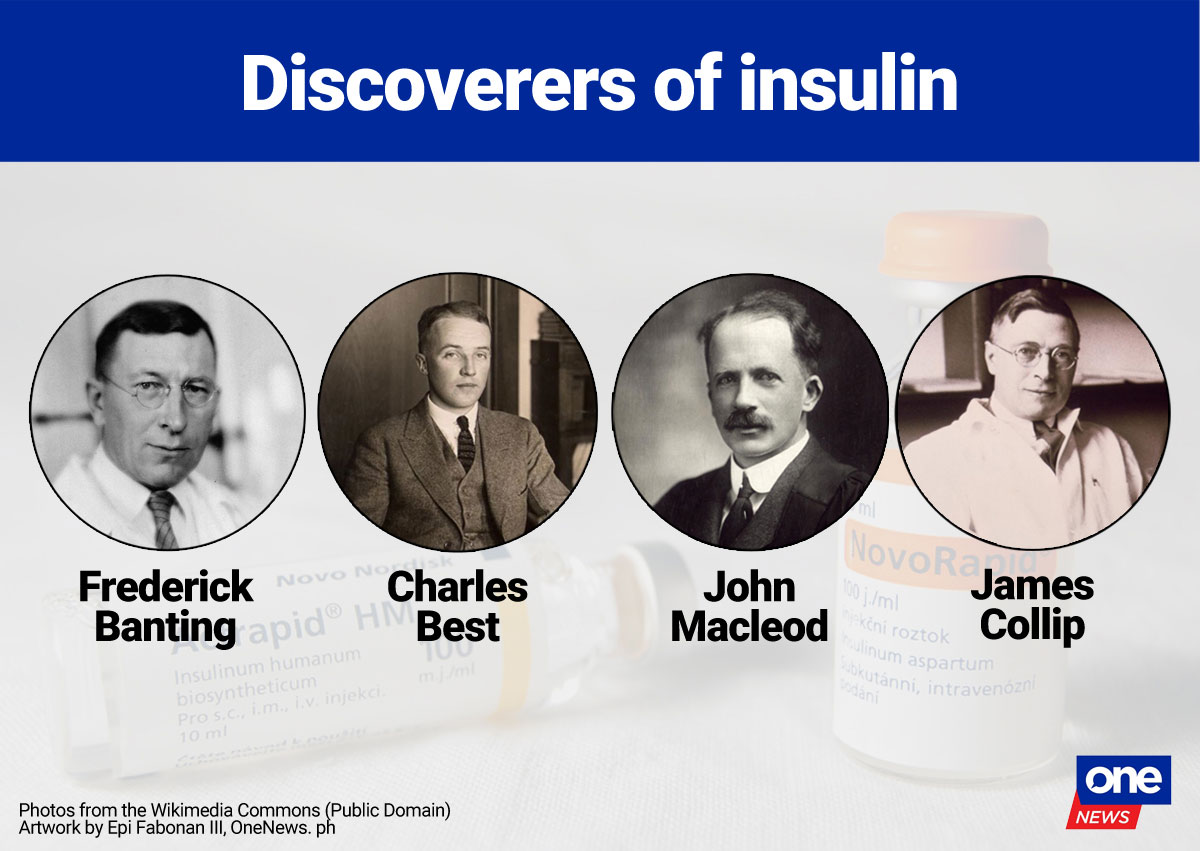
When Frederick Banting, Charles Best, John Macleod and James Collip discovered insulin in 1922, they sold the patent for merely a dollar so that more people with diabetes can afford it. While insulin has been around for almost a century and was even listed by the WHO as an essential medicine in 1977, statistics from the WHO indicate gaps in access.
From 2016 to 2019, data from 24 countries in four continents showed that human insulin was available only in 61 percent of health facilities and analogue insulins in 13 percent.
In the Philippines, where there are 6.3 million people with diabetes, public hospitals sell a 100 IU/ml (international units per milliliter) pen or 10-ml vial of regular insulin for P500 ($9.84), according to the Department of Health (DOH) website. Isophane insulin and biphasic isophane insulin (composed of 70 percent isophane suspension and 30 percent soluble insulin) are also sold for the same quantity and price. In private hospitals and pharmacies, the price ranges from P550 to P800 ($10.83 to $15.76) depending on the brand.
Insulin is among the medicines that have been exempted from value-added tax following the passage of the Tax Reform for Acceleration and Inclusion or TRAIN Law earlier this year.
With the average family income estimated at P22,000 per month, according to the Philippine Statistics Authority’s 2015 Family Income and Expenditure Survey, low-income families, especially those with unemployed family members and several children, may be unable to afford the cost of monthly insulin treatments for a family member with diabetes.
Some Filipinos turn to natural remedies such as ampalaya or bitter gourd (Momordica charantia), insulin plant (Chamaecostus cuspidatus) and Indian snakeroot (Rauvolfia serpintina) to alleviate the symptoms of diabetes such as elevated blood sugar levels and high blood pressure. The therapeutic claims of these plants have yet to be approved in the medical field or by stringent regulatory authorities.
To provide access to medicines to diabetics, especially to low-income patients, the DOH’s National Center for Pharmaceutical Access and Management launched the Insulin Access Program in 2009 as part of its Medicine Access Program. The agency partnered with local pharmaceutical companies to provide access to affordable insulin products through a consignment system.
In other countries like the United States, the cost of insulin is higher. A BBC report in March this year showed that retail prices for the three major insulin brands in the US — Sanofi’s Humalog, Eli Lilly’s Apidra and Novo Nordisk’s Novolog — are around the $300 range per vial, sans inflation.
The report also cited a study by the American Diabetes Association and the University of Southern California Center for Health Policy and Economics, which showed that the list prices for major insulin brands in the US have increased by 252 percent between 2007 and 2016, while net prices grew by 57 percent.
In 2015, a Reuters report indicated that American consumers are paying 5.7 times more for Sanofi’s Lantus insulin and 7.5 times more for Novo Nordisk’s NovoRapid insulin than their counterparts in the United Kingdom. It cited a study from the University of Liverpool that analyzed the prices for 20 top-selling drugs worldwide.
Initiated in 2001, the WHO’s Prequalification of Medicines Program facilitates access to medicines through a stringent assessment and evaluation of pharmaceutical products and pharmaceutical companies based on international standards of quality, safety and efficacy. Since the program started, it has prequalified over 300 medicines for HIV/AIDS, malaria, tuberculosis and reproductive health.


