



OFW, Daughter Get Second Dose Of Sinopharm Vaccine In UAE But Worry About New COVID-19 Strain
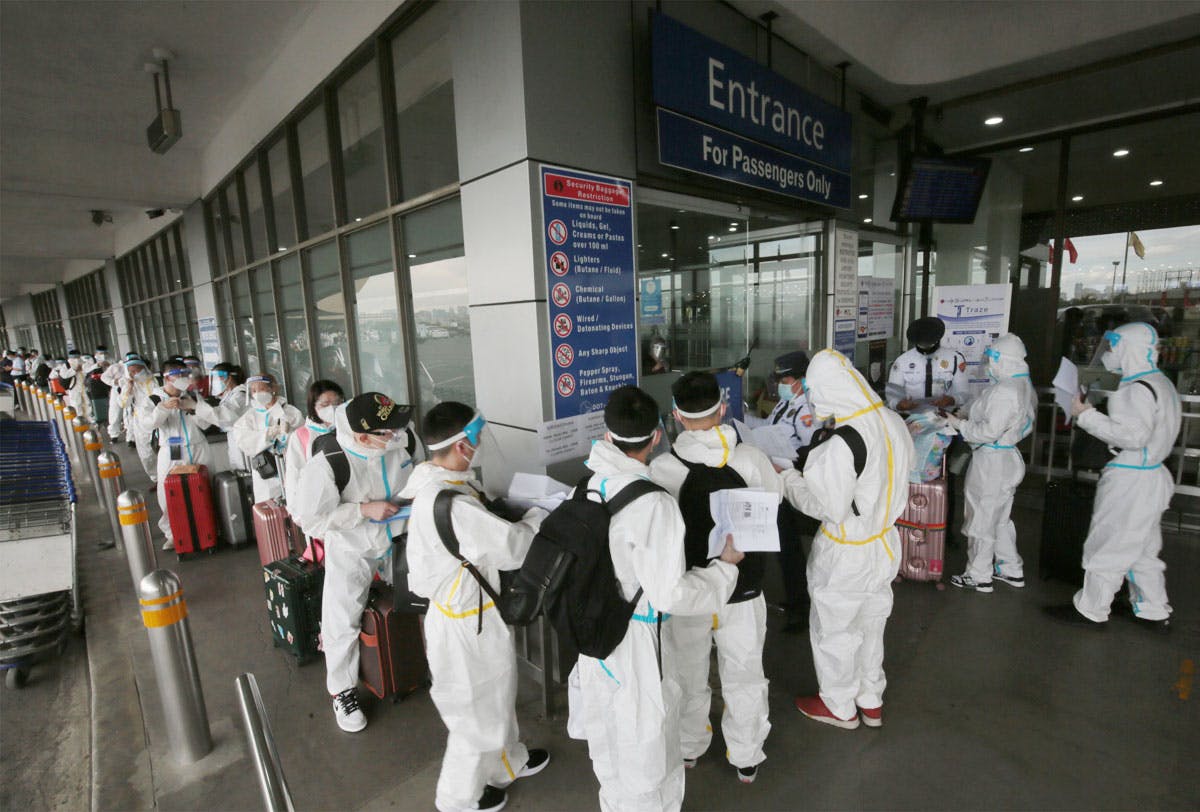
The 11 co-passengers of the Filipino traveler from Dubai who tested positive for the new United Kingdom variant, including his girlfriend, also contracted COVID-19 along with his mother and possibly the healthcare worker who attended to him.
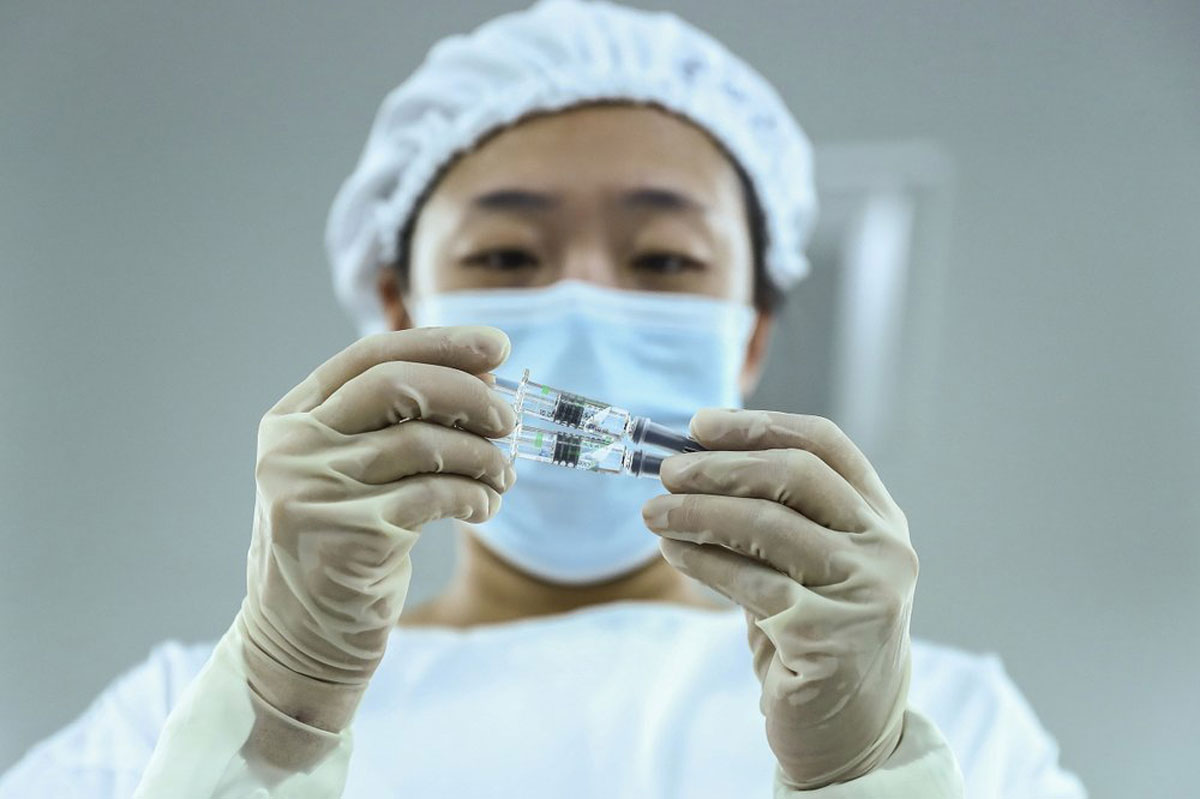
An overseas Filipino worker in Dubai and her daughter received the second dose of coronavirus vaccine developed by Chinese state-owned pharmaceutical firm Sinopharm on Saturday, Jan. 16.
But the rising number of people getting infected with the coronavirus disease 2019 (COVID-19) as well as the new variants worry them along with the other Filipinos in the United Arab Emirates (UAE).
The OFW, who works in a five-star hotel in Dubai, was among the first to get the Sinopharm shot on Dec. 26 along with her daughter. But she said they could not be complacent even after getting protection against COVID-19.
In December, UAE authorities confirmed that a few cases of the new COVID-19 variant that originated in the United Kingdom (UK) were detected.
The government has also barred foreign travelers from UAE from entering the Philippines from Jan. 17 to Jan. 31 after a Filipino who went to Dubai for business was found to have contracted the new UK COVID-19 variant upon his arrival in the country. He becomes the index case for the new UK variant in the country.
The Filipina hotel staff member, who requested anonymity, said citizens and residents of UAE have two vaccine choices: Sinopharm or Pfizer Inc.
The vaccines are offered free of charge after ensuring that the person has no condition or symptom that make inoculation inadvisable. Vaccination is not mandatory, the OFW said.
To encourage residents to avail of the free vaccines, the UAE government said those who would not take the opportunity might end up paying for the vaccines in the future.
The UAE has classified China’s Sinopharm for walk-ins. For Pfizer, the government priorities are based on age, locals, pre-existing conditions, profession -- like if you are a front-liner.
The UAE government also allowed those 16 years old and above to get the vaccine. “Three weeks ago, only 18 years old and above are permitted to get the vaccine, now they are allowing 16-years old and above,” the Filipina hotel worker said.
She hopes the vaccination will help reduce the number of cases among their hotel staff after about 30 staffers tested positive for the disease last month. The employees, who were either asymptomatic or had mild symptoms, have gone back to work after recovering.
But “there is a rise in cases since we are not on lockdown,” the OFW noted. She said the UAE government is still continuously inspecting businesses to ensure that everyone is following health and safety protocols. “We at the accommodation, we put posters and remind everyone to adhere…we are wearing double masks.”
As hotel workers, she said they are exposed to many travelers who may have unknowingly contracted the disease.
The Filipina, who has been working in Dubai for over 10 years, said the UAE government is issuing immunization card to vaccine recipients. “Eventually, the immunization card might be used as a vaccine passport. The same can be used for travel purposes,” she added.
On Wednesday, June 20, Health Undersecretary Maria Rosario Vergeire said health and safety protocols must continuously observed even if a person has been inoculated against COVID-19 since there are no studies yet on how long the vaccines can give a person immunity from the disease.
There are still no hard findings that the vaccines prevent transmission, she added, since studies and reviews are still underway.
Vaccines are supposed to lessen the adverse impact of the virus on one’s health, and boost a person’s immunity so there are less chances of dying from the disease, health experts said.
Read more: OFW, Daughter Among First Sinopharm Vaccine Recipients In UAE
Co-passengers, close contacts infected
Vergeire reported on Wednesday that five more close contacts of the country’s index case for the UK variant of the coronavirus, including his mother and girlfriend, have turned positive for COVID-19.
According to Vergeire, the 29-year-old index case remains in stable condition and is nearing completion of his isolation period.
In a press briefing, Vergeire said the five new positive contacts brings to 13 the number of infected contacts of the index case who traveled to Dubai with his girlfriend.
The five are the girlfriend, the mother, two other co-passengers and a healthcare worker from Quezon City who attended to the index case.
But Vergeire noted it is not yet known if the healthcare worker indeed got the virus from the index case or if it was due to COVID-19 infection in December.
“This specific person was a recovering already. It was in second week of December when that person became positive and we all know that the remnants of the virus can still be detected up to eight weeks,” she explained.
The girlfriend and the two co-passengers tested negative upon arrival in the country last Jan. 7. They turned positive when swab tested again.
Vergeire said the swab specimens taken from the mother yielded more than 30 or low cycle threshold (CT) value. The CT in reverse transcription polymerase chain reaction or RT-PCR test is gaining currency as a potential marker for severe disease in patients with COVID-19.
“We are not sure if the PGC (Philippine Genome Center) will accept her specimen for genome sequencing because the viral load is low,” she claimed.
Genome sequencing is being conducted by the center to determine the presence of a new variant of COVID-19 in a positive swab sample.
The five new positive contacts are on top of the eight co-passengers reported on Monday, Jan. 18, by the Philippine Red Cross as infected with COVID-19.
The DOH assured that the 13 contacts are now undergoing quarantine. They are all asymptomatic.
Vergeire said the swab samples from the eight co-passengers, who are all Filipinos, have been submitted to PGC for genome sequencing.
However, the samples also had low viral load so they could also not be sequenced by PGC. A re-swabbing is set to be done today, Jan. 21.
Currently, the DOH had identified a total of 213 close contacts of the index case.
Vergeire said this includes 159 co-passengers, 49 healthcare workers and five household members.
Of the 213 close contacts, the DOH could not reach four contacts in the addresses and contact information that they provided.


