



Katipunan Leader’s Stone House In Valenzuela To Rise Again
The city will soon have a new historical tourist attraction in Barangay Pariancillo Villa that was once part of Polo, Bulacan.
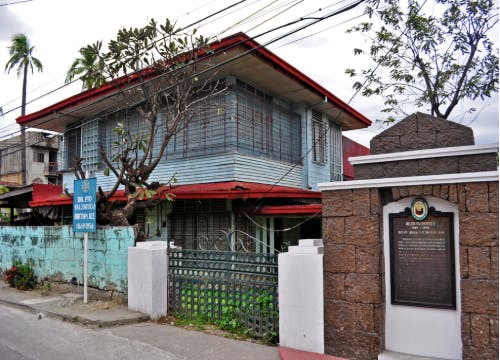
The bahay na bato or old stone house of the late Katipunan leader Dr. Pio Valenzuela will be reconstructed in the city named after him in honor of his 150th birthday last July 11.
The original ancestral house of Valenzuela, which was burned down during World War II, will be recreated based on the personal account of his grandson, architect Arturo Valenzuela Jr. and will become a museum.
In Arturo’s letter to the National Historical Commission dated Oct. 2, 2018, the Katipunan leader’s descendant said the pre-war house was built in 1900 after Valenzuela married Marciana de Castro.
The house, one of the biggest in Polo, Bulacan at the time, served as the venue for the Partido Democrata when Valenzuela was Bulacan governor in the 1920s. Then general Emilio Aguinaldo and other veteran Katipuneros had visited the house.
During the Japanese occupation, the house served as the Japanese soldiers’ headquarters. When the Americans came, many townmates of Valenzuela took refuge in the house. But the house as well as the church was not spared from the American artillery.
“Dr. Pio, seeing his house in flames, refused to leave, and several townmates had to bodily carry him from the burning house. In a few moments, the house that he lovingly built was burned to ashes. All the mementoes of the Katipunan and the revolution, of his exile and imprisonment in Barcelona and Melilla, his books, his surgical instruments, were gone!” Arturo’s letter read.
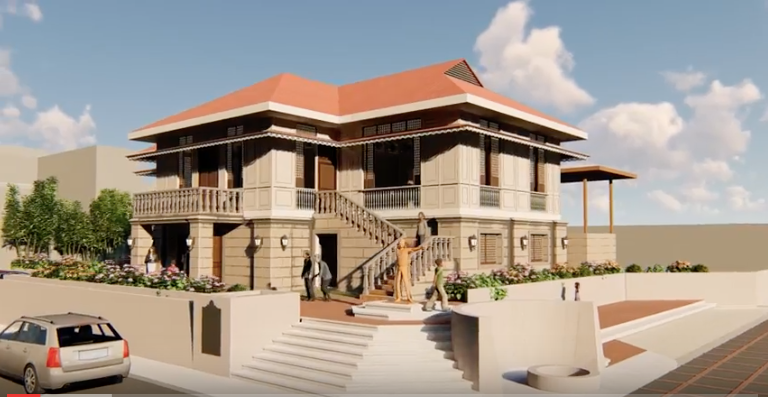
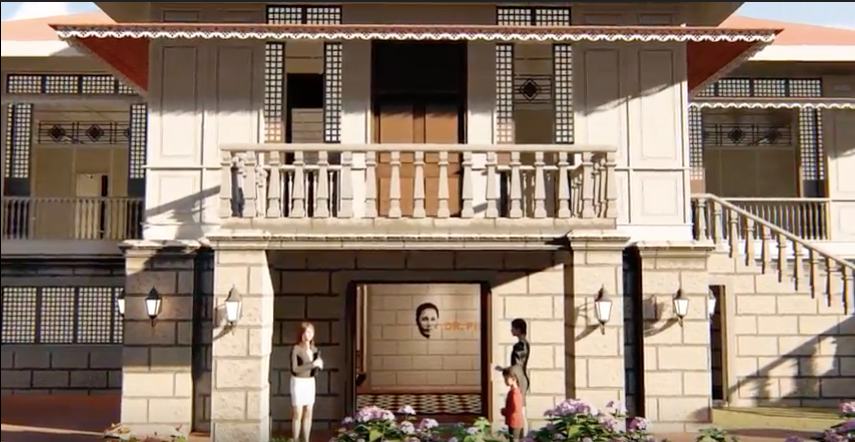
Screenshots from the Valenzuela City government’s video of the planned reconstruction of Valenzuela’s house
Jonathan Balsamo, museum curator and Valenzuela cultural and tourism development office head, disclosed that Valenzuela’s old house will be demolished, but the old materials will be used to replicate the old stone house of the Valenzuela residence based on a conservation plan by architect Gerard Lico.
“We chose the pre-war over the post-war because the pre-war house had more history. The present house is also sunken and dilapidated, and rebuilding it would be impractical,” Balsamo said.
According to Balsamo, the site development and reconstruction is pegged at P35 million.
For the first time on Thursday last week, some 100 members of the Valenzuela family reunited at the city hall for their patriarch’s 150th birthday. Valenzuela, who is the son of Francisco Valenzuela and Lorenza Alejandrino, was born in Polo on July 11, 1869.
Mayor Rex Gatchalian led the commemoration rites following the wreath laying at the Triumvirate Monument, a statue by National Artist Napoleon Abueva of the three high-ranking Katipunan leaders — Valenzuela (as fiscal general), Emilio Jacinto (secretary general) and Andres Bonifacio (president).
The three Katipunan leaders comprised the so-called “Camara Negra” or Black Chamber, the Katipunan’s intelligence arm that meted punishment on errant Katipunan members.
Tourism Secretary Bernadette Romulo-Puyat, daughter of Valenzuela’s granddaughter Rosie Lovely Tecson-Romulo, in her speech recalled the stories of her mother about the heroism of her great-grandfather.
After years of talks, the family decided to donate the house to the city government to be rehabilitated into a museum, said Romulo-Puyat’s mother Rosie.
The structure in Barangay Pariancillo Villa is now flooded with water hyacinths. 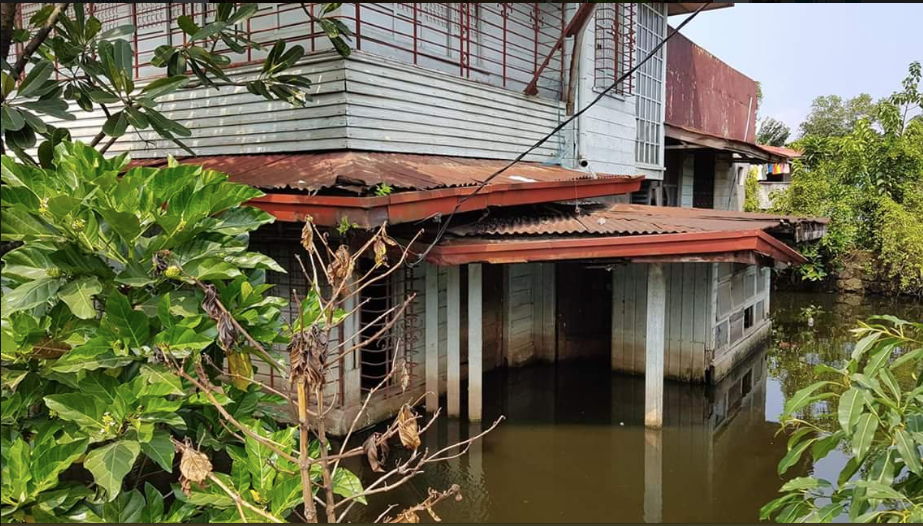
Flooding has contributed to the deterioration of the 1949 ancestral house. Photo from Jonathan Balsamo's Twitter account @pinoyhistorian
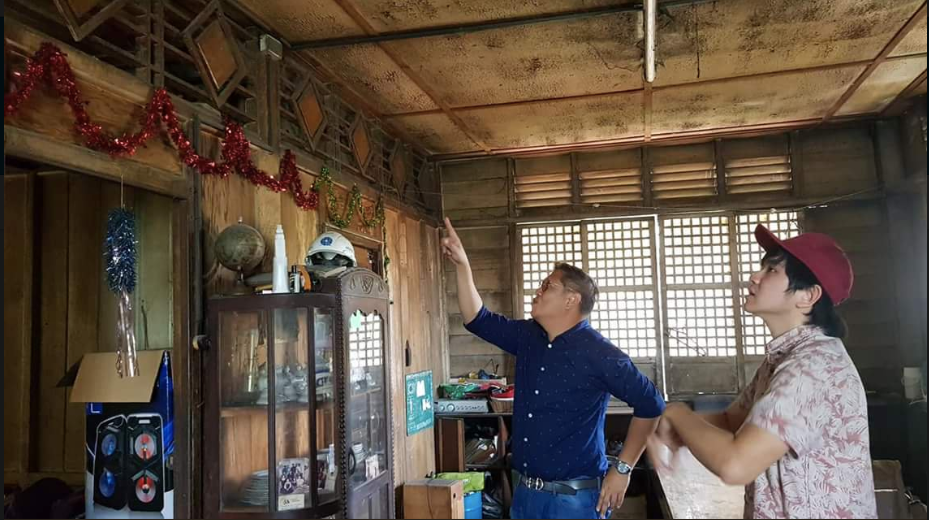
Heritage conservation architect Dr. Gerard Lico examines the house to see if some materials may be reused for the reconstruction. Photo from Jonathan Balsamo's Twitter account @pinoyhistorian
Rosie, who grew up in a house just across Valenzuela’s house, remembered her grandfather calling out to her and counting her friends whenever visitors came by.
“He was a quiet man. In the morning, he would come out of the house in his all-white clothes, go to a clinic and give medicines for free,” Rosie said.
Valenzuela was a doctor and was the most educated Katipunan member, she added.
“Sometimes he would tell me things about the revolution, who were those he did not like, but I don’t want to name them, it’s confidential,” Rosie said, laughing.
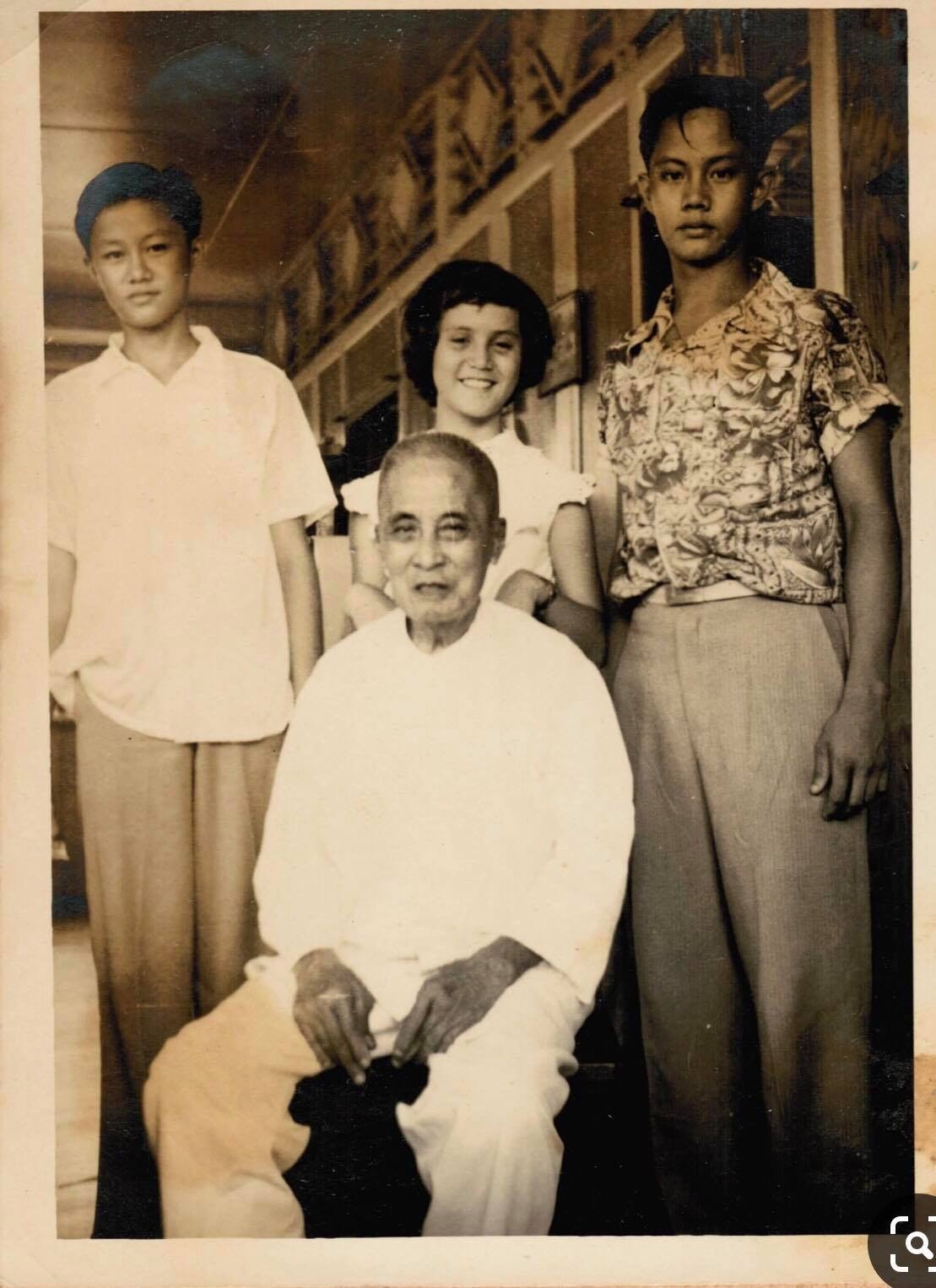
Rosie Lovely Tecson-Romulo stands at the back of her grandfather, Dr. Pio Valenzuela as they pose for a photo with other members of the family. Photos provided by Tourism Secretary Berna Romulo-Puyat
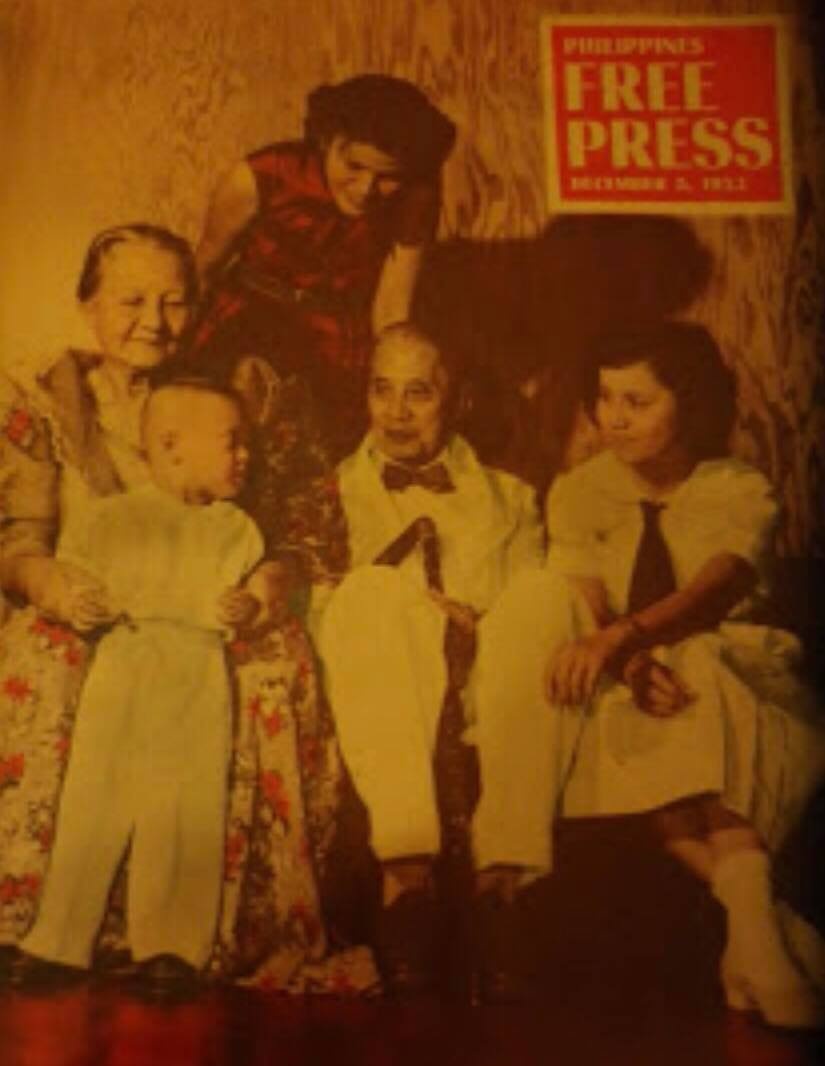
The late Dr. Pio Valenzuela is flanked by his granddaughter Rosie Lovely Tecson-Romulo (left) and wife Marciana de Castro-Valenzuela on the cover of a magazine. Also in photo are Alicia Valenzuela-Lozada, youngest daughter of Valenzuela, and Edgardo Valenzuela, his great grandson by eldest son, Abelardo.
Valenzuela, who joined the revolution at 23 years old after graduating with a medical degree at the University of Santo Tomas, was once asked by Bonifacio to lead the Katipunan as president, but he turned it down, opting instead to edit the Katipunan’s official organ Ang Kalayaan, according to a historical account by Arturo.In 1896, Valenzuela was also sent by the Katipunan as envoy to national hero Dr. Jose Rizal when the latter was exiled in Dapitan.
Valenzuela brought with him a blind man, Raymundo Mata, as his cover for meeting with Rizal. During their discussion, Valenzuela sought Rizal’s support for the planned revolution and even offered to help in his escape from Dapitan. Rizal advised him that the Katipunan should wait until sufficient arms and funding were secured before starting the revolution.
After the Philippine revolution broke out in August 1896, Valenzuela surrendered to Spanish authorities on Sept. 1, 1896 and was exiled in Spain as punishment.
Amid speculations he had betrayed the revolution, Valenzuela was said to have surrendered to prevent Spanish authorities from following him and tracing other Katipunan members, historian Xiao Chua wrote in his blog.
After his release from prison, Valenzuela returned to the Philippines in 1899 at the start of the American occupation of the country. After briefly resisting American occupation, he later served as Polo mayor and governor of Bulacan. He died in 1956 at 86 years old.


