



Isko Seeks Preservation Of Heritage Sites Alongside Escolta Redevelopment
In an effort to attract investment and generate local revenue, Manila Mayor Isko Moreno is dangling a property tax waiver for 15 years to property companies that will develop but at the same preserve Manila’s Queen of Streets.
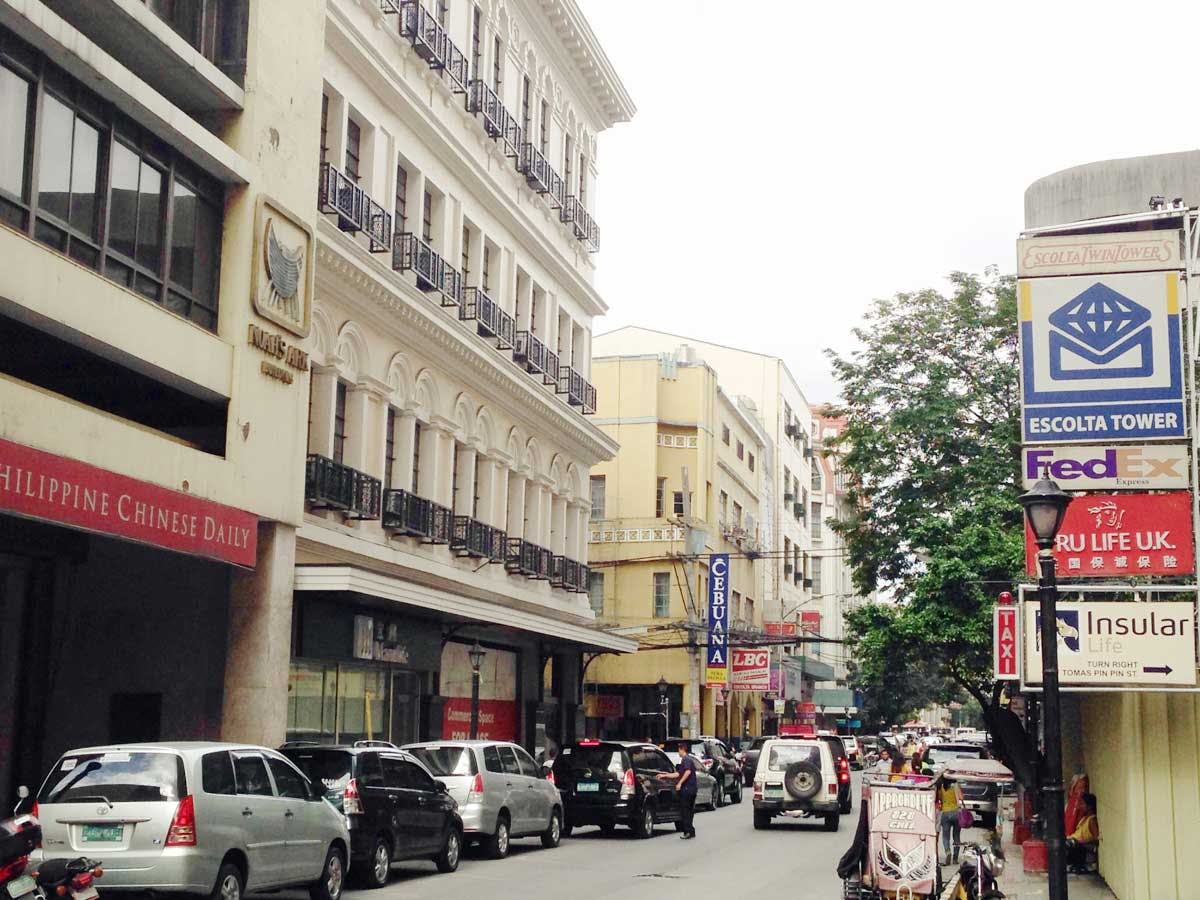
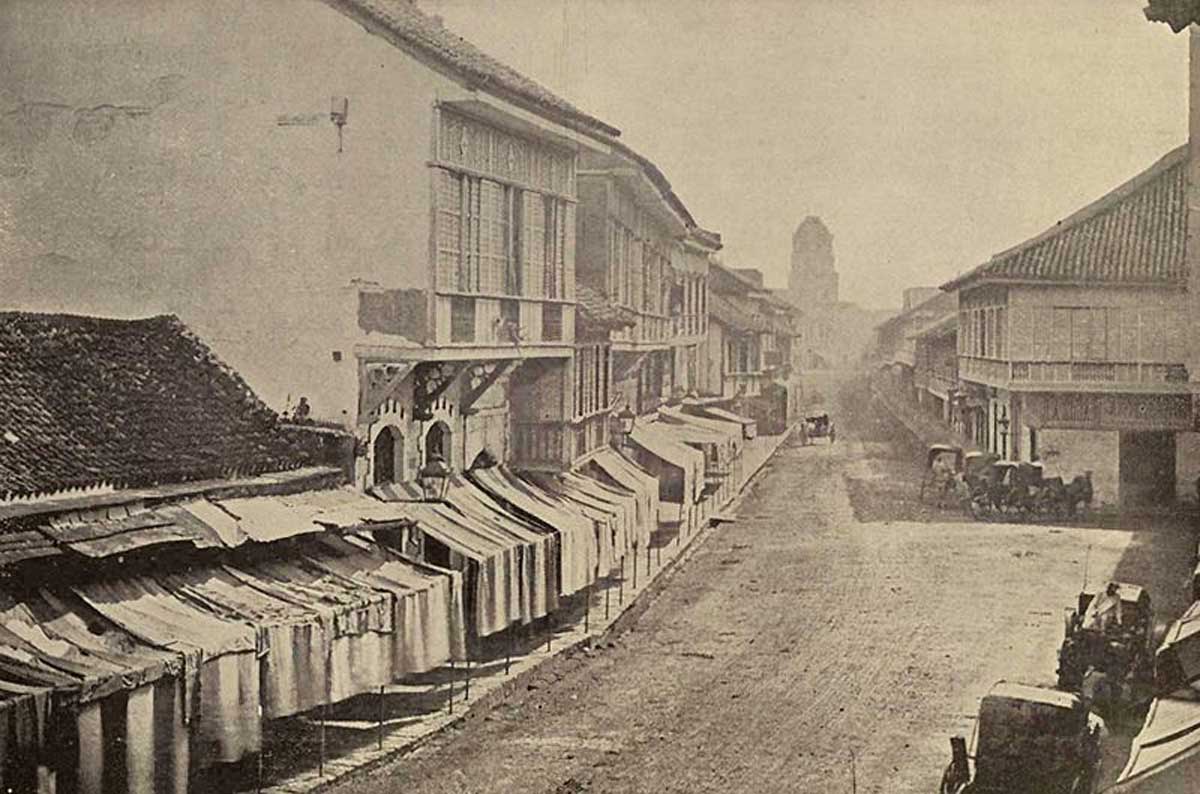
Escolta, once dubbed as Manila’s Queen of Streets, could see rapid redevelopment under Manila Mayor Isko Moreno if his new real property tax proposal is implemented.
Speaking to reporters during a forum organized by Samahang Plaridel at the Manila Hotel yesterday, Moreno said he’s been talking to a number of conglomerates about his proposal: they will buy 1,000 square meters of land, construct a building at least 20 stories high, and get a 15-year tax break.
“I’m trying to offer it to them this way: ‘Bilhin ninyo ’yung 1,000 metro kwadrado, tayuan ninyo ng 20 palapag minimum to change the skyline of Escolta, and I’ll give you 15 years tax free,’ ” Moreno said during the media forum.
According to Moreno, his proposal is a form of delayed gratification, in which he would allow real estate companies to redevelop Escolta in the next 10 to 15 years and recover their investment through a waiver of real property taxes.
“I understand these people are impatient also. They want ROI (return on investment) to buy another land and keep on developing. So in the next five or 10 years, maybe ROI na sila. In 13 years most likely or in a decade, bawing-bawi na sila. Malusog na malusog na ang bulsa nila. Habang ang Maynila ay napagkaitan. But on the 16th year, when the new mayor assumes, Manila will earn. Paano nangyari ’yun? Because that 1,000 square meters with 20 floors, that’s two hectares or 20,000 (square meters) of taxable property,” Moreno explained.
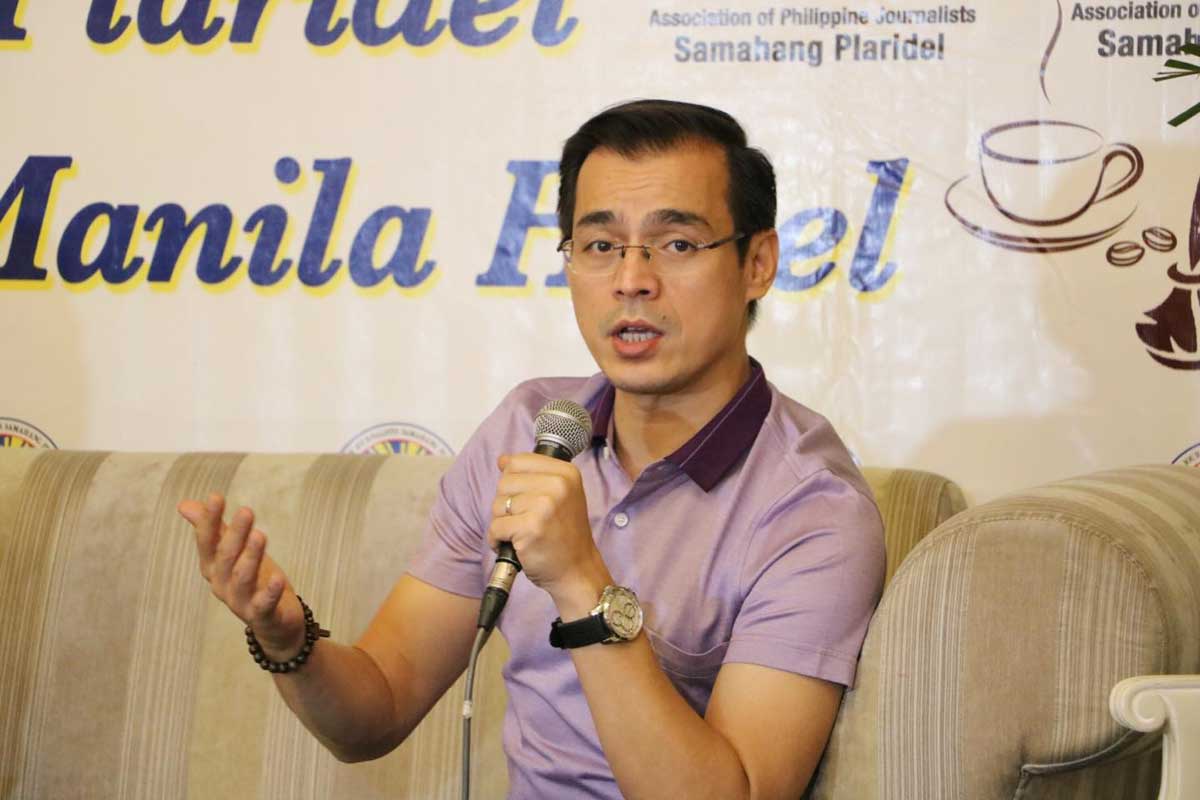
The mayor added that by the time his term of office ends and his successor assumes office, the new local chief executive will no longer face financial problems because of his administration’s waiving of real property taxes.
He said a mayor who will not see the advantages of this policy is short-minded. “‘Yung sarili lang niya ang iniisip niya, ’yung liderato lang niya. That’s why I am willing to lose some kind of resources just to change the skyline of Escolta,” Moreno said, adding that he is even willing to take a loan from the national government just for his projects to come to fruition.
During his campaign for the mayoralty post in May, Moreno had said that his priority if elected would be the redevelopment of Escolta and Binondo, which he presented as an alternative to the much-criticized plan of the previous administration of Joseph Estrada to reclaim portions of Manila Bay for development.
When Moreno assumed office as Manila mayor in July, his staff discovered that the previous administration spent P2.9 billion before its term expired. According to the Commission on Audit, the city is currently buried in debts totaling P4.4 billion.
Because of this financial situation, Moreno has been soliciting the help of various sectors to fund his priority projects. He has met with ambassadors from countries including Australia, China, Israel, Japan, Panama, Singapore, United Kingdom and the United States for this purpose.
While Moreno’s proposal to waive real property taxes for developers who will revive Escolta may result in delayed gratification for the city in terms of revenue, he said it would still have a direct and immediate benefit for the city in the form of employment.
He explained that the proposal to waive real property taxes for 15 years comes with the condition that developers would source 70 percent of their work force from the city.
“If we have available jobs, there will be peace and order. What I believe is a person should have an opportunity to earn a decent living. If given a chance, the conglomerates kukunin itong idea na ito, this will benefit them immediately while it will benefit Manila for the long term,” Moreno said.
Asked about how he would balance the redevelopment of Escolta with the need to preserve the area’s heritage buildings from the American period, Moreno said, “Non-negotiable ang heritage.”
He did not elaborate.
The city’s previous administration was widely criticized by heritage advocates for allowing property developers to demolish several American and Spanish era heritage buildings to give way to the construction of new residential buildings.
In 2014, the pre-war Admiral Hotel along Roxas Boulevard was demolished to give way to a high-rise hotel and serviced residences. In 2017, the Yuchengco House in San Nicolas, Manila was also taken down to give way to a condominium project. Another pre-war building, the Angela Apartments in Malate, was demolished early this year.
In Escolta, while there have been heritage buildings that were successfully restored and reused such as the Natividad Building, First United Building and Burke Building, there are several heritage buildings that have also become casualties of modern real estate development.
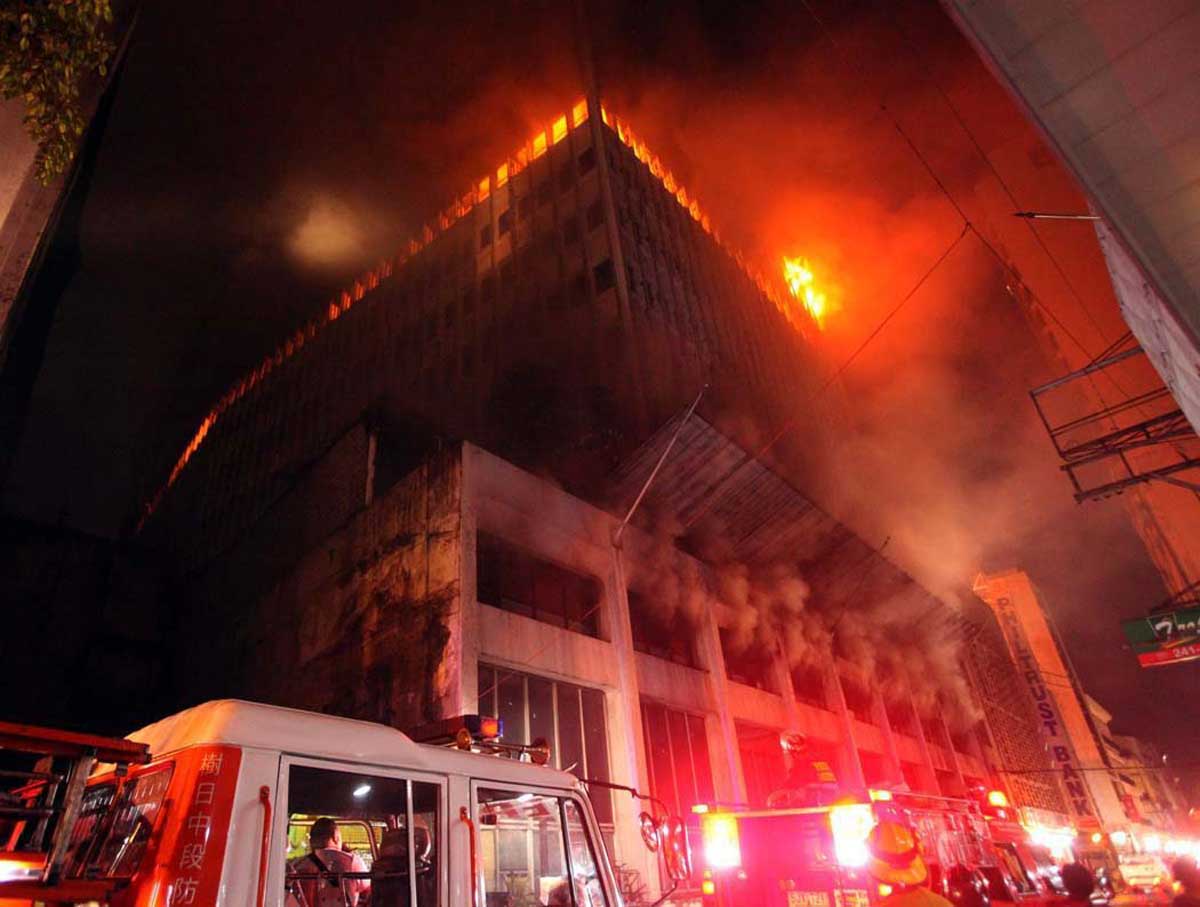
In 2015, the old Philippine National Bank building, which was designed by architect Carlos Arguelles following the International Style, was gutted by a fire and demolished by the city government the following year. The pre-war Capitol Theater and the post-war Santa Cruz Building are also in the process of demolition.


