



Groups Fear Home Isolation Ban May Lead to Non-Disclosure Of COVID-19 Infection
Under the government policy, infected persons to be isolated in quarantine facilities would have to leave their children alone at home, causing them anxiety and putting their food supply and security at risk.
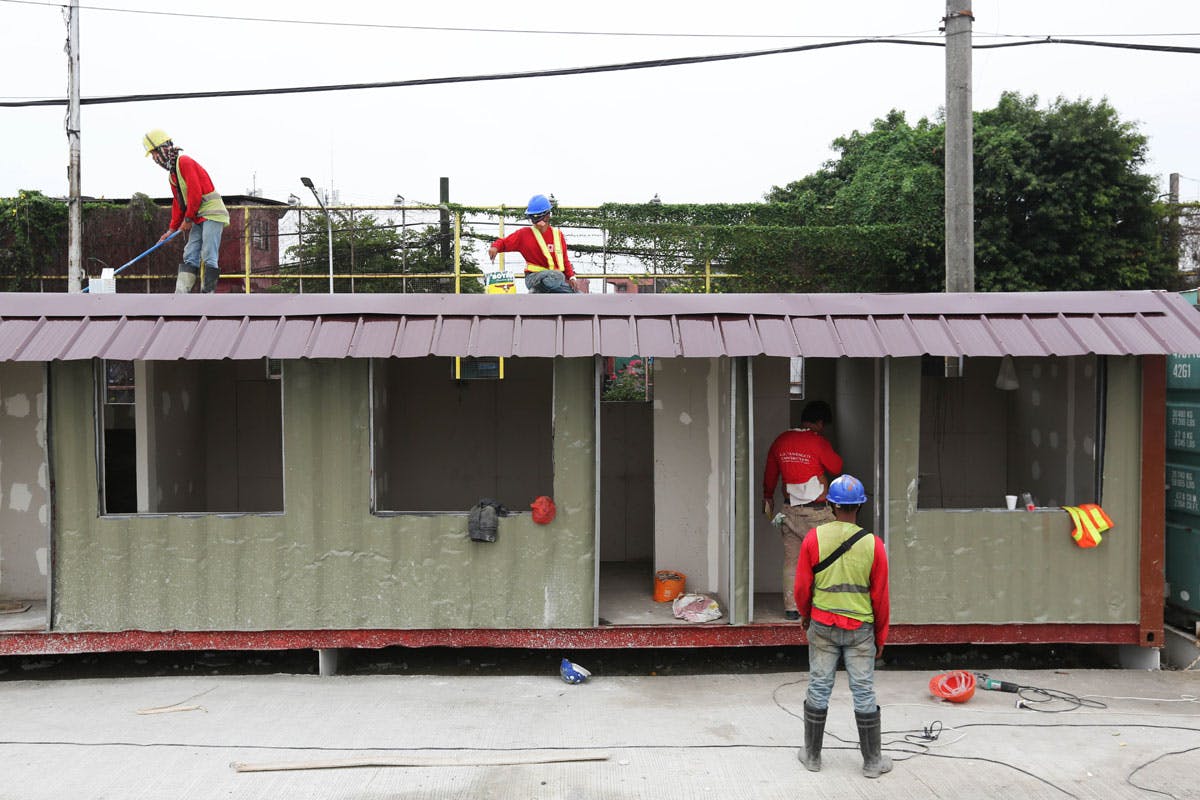
Various groups have asked the government not to require the isolation of confirmed cases of coronavirus disease 2019 (COVID-19) in public facilities only, citing the fear that this may discourage people from revealing their infection or getting tested.
On top of these, the groups under COVID-19 Action Network Philippines raised concerns about the lack of subsidies for sick workers, food for patients and protection for the children of isolated parents. They argued that it would be better for the government to use its scant resources on the people in most need of confinement in its facilities.
In a virtual briefing on Tuesday, Sept. 29, the groups urged the Inter-Agency Task Force (IATF) for the Management of Emerging Infectious Diseases to reconsider its Resolution No. 74 – which prohibits home-based isolation even for mild and asymptomatic cases – and instead prioritize the confinement of poor Filipinos who do not have the capacity to isolate at home.
The only exceptions to the new policy are when the patient is considered vulnerable, immunocompromised or has comorbidities such as old age, underlying health conditions, pregnancy and disability that hinders self-care, and when the local regional task force confirms that the Ligtas COVID-19 Centers are fully occupied.
Under the previous guidelines issued by the Department of Health (DOH) and the Department of the Interior and Local Government (DILG) in April, home-based isolation was allowed if there is a separate bedroom or a bed kept one meter away from the others, if there is an accessible bathroom, if there is a primary caregiver who will remain in the residence, and if there are no vulnerable persons.
The government’s move was based on what the DILG said was a high incidence of COVID-19 cases infecting other household members.
‘Social issues that accompany the diagnosis’
An unintended consequence of this policy is that people may hesitate to get tested or reveal their condition to local government unit officers, Dr. Anna Ong-Lim of Health Professionals Alliance Against COVID-19 (HPAAC) said.
Although she agreed that the IATF recommendation was “correct,” she pointed out that there were “social issues that accompany the diagnosis” which authorities must also address.
“Isa po sa mga posibleng mangyari dito, sa takot na lamang ay hindi mag-disclose ang taong sila ay may nararamdaman o hindi magpa-test, kasi nga ito na po ang ating patakaran ngayon (One of the possibilities is that out of fear, people will not disclose that they are feeling something or will not get tested because this is the policy now),” Lim said.
Arjay Mercado of Action for Economic Reforms (AER) also argued that forcing even people with the capacity to isolate themselves at home to submit to government confinement would have a “behavioral impact.”
“Sa laban sa COVID-19 (in the fight against COVID-19), it’s all about incentives,” Mercado said, adding that the possible avoidance of testing and the non-disclosure of infections may end up worsening the spread of the disease.
“In the economic perspective po, ang pwede pong impact niyan, siyempre, kung dadagdag ’yan sa transmissions natin. Gagastos pa tayo in the long term kasi mas mahihirapan tayo mag-open up ng economy natin (Its possible impact is, of course, it will add to our transmissions. It will be costlier for us in the long term because we will find it harder to open up our economy),” he added.
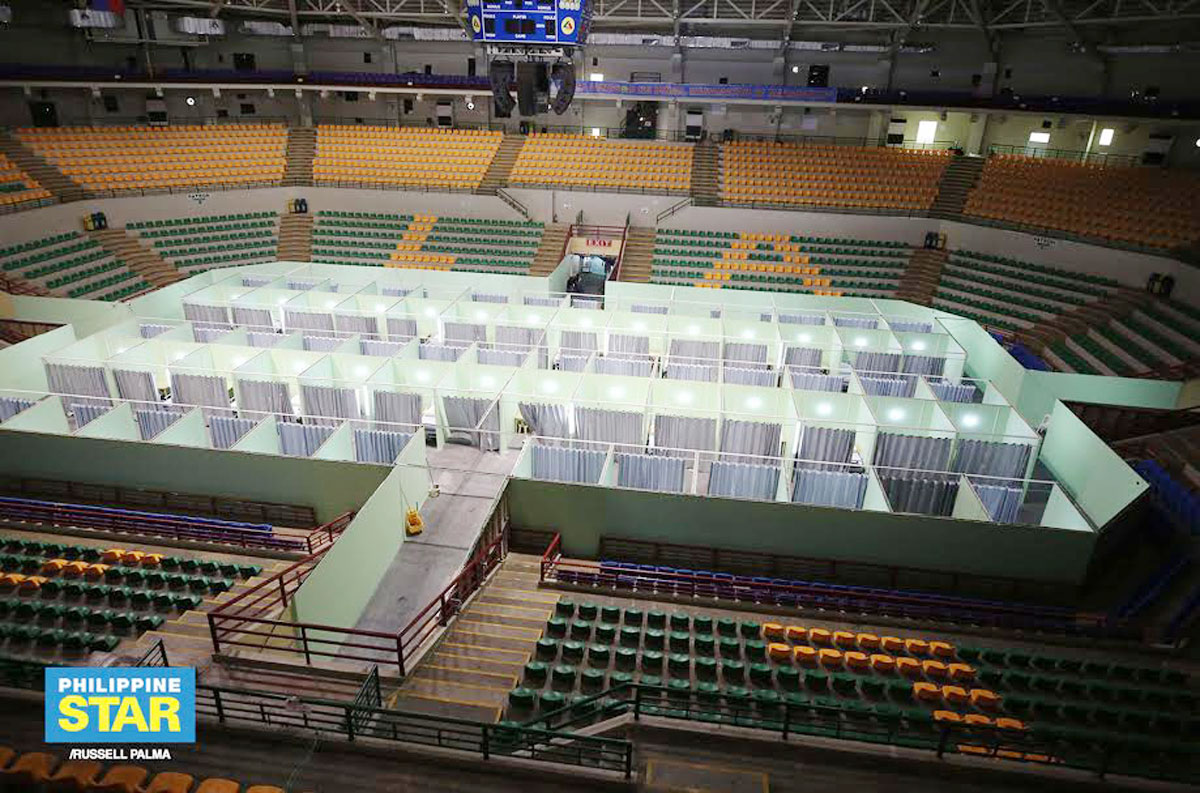
Lim also raised concern on whether the health care system could still cope with an “upsurge” of patients when the government starts requiring their confinement in state-run facilities. Although DOH data showed that facilities have been underutilized, Mercado said the quantity of space is not the only thing that matters.
“It’s also the quality of service na natatanggap po ng mga ina-isolate natin sa facilities na ’to (that is received by those we isolate in these facilities),” Mercado said.
Only two meals a day?
Nice Coronacion of Sentro ng mga Nagkakaisa at Progresibong Manggagawa said her group received reports from some patients that they were fed only twice a day, for breakfast and dinner. In some days, they were reportedly given lunch, but not breakfast.
Ralph Degollacion of Health Justice Philippines stressed the need to give nutritious food especially to the patients with compromised immune systems, “para hindi na ho sila mag-deteriorate at maging malala ang kanilang sakit (so they will not deteriorate further and their sickness will not get worse).”
Coronacion reiterated that COVID-19 should be declared an “occupational disease” and called on the government to extend subsidies to workers who would have to give up their income during those days outside their homes.
This was despite President Duterte’s repeated pronouncements that the government has no more funds to help the poor people affected by a government response heavily reliant on quarantine measures in light of the weakness in testing and contact tracing efforts.
“Dapat holistic ang usapin ng isolation. Hindi lang basta ma-isolate sila pero dapat may sapat silang kinakain, maayos na monitoring, regular checkup at may support na natatanggap dahil nawalan sila ng kita, hindi lang mismo sila kundi ang kanilang pamilya na nakaasa sa kanila (The issue of isolation should be holistic. They cannot just be isolated, they need to have enough food, proper monitoring, regular checkup and support to make up for lost income not just for themselves but for the families that rely on them),” Coronacion stressed.
Polytechnic University of the Philippines student regent Ellenor Bartolome also pointed to another practical concern: under the IATF policy, infected persons would have to leave their children alone at home, causing the kids anxiety and putting their food supply and security at risk.
“We should isolate the virus and not the family,” Bartolome said, as she called on the government to pay more attention to the needs of children who are already reeling from disrupted education and social lives and from their parents’ loss of livelihood due to the economic recession.
Prioritize the poor
As Mercado pointed out, giving those with the capacity to isolate themselves at home such an option would free up government resources for the poor people who need help the most.
Remy Abello of Aktibong Kilusan Tungo sa Iisang Bayan (Aktib), a frontliner in her urban poor community, said the low-income households have been the ones hardest-hit by the pandemic.
Instead of being able to practice physical distancing, their areas became crowded as displaced workers became stuck at home along with the children who could not go to school. She expressed great fear for the children and the elderly.
“Totoo pong magkakasama tayo sa giyera laban sa virus, ngunit hindi po tayo pantay-pantay sa ating kakayahang ipaglaban ang ating mga sarili (It is true we are together in the war against the virus, but we do not equally have the weapons to protect ourselves),” Abello said.
“Hindi po namin ninais manglamang sa mga kapwa Pilipino. Ang amin lamang, kung makakatulong tayo sa mga pinakanangangailangan ay ito po ang gawin natin (We do not intend to get more than our fellow Filipinos. For our part, let us do the things that can help the ones most in need),” she added.


